
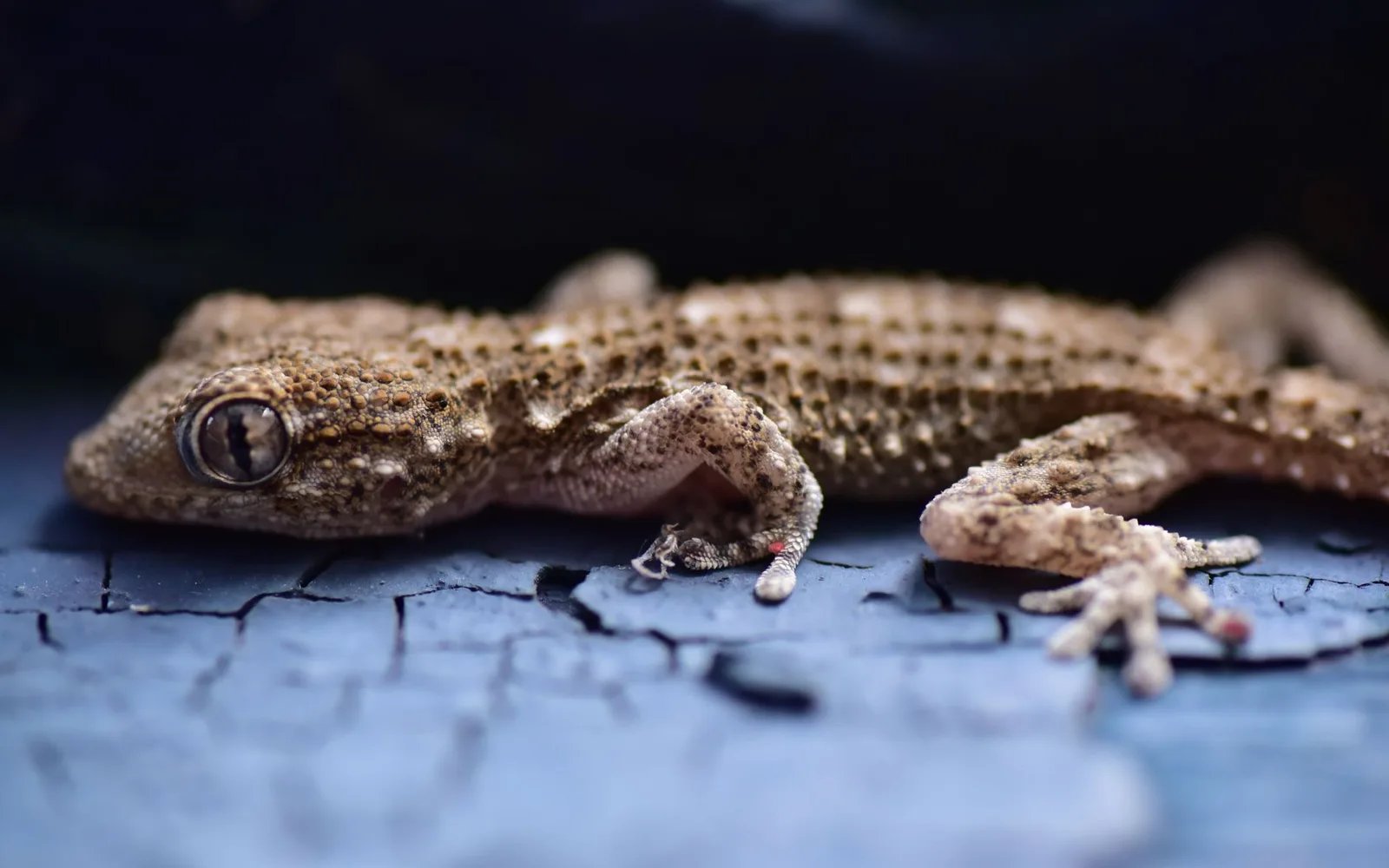
Gecko control in Qurtubah Makkah
Qurtubah is an industrial zone north of Makkah on Al Hajj Street at the third ring road, filled with open plan warehouses, workshops, fuel stations and loading yards around Souq Al Hijaz. Geckos arrive from open storage areas, heat from furnaces and machines, and the constant lighting from shops and flood lamps. Exposed building stock and stacked materials provide permanent shelter, whilst temporary drainage and moisture from washing vehicles and tools attracts insects in large numbers. The region note describes the variety of this industrial cluster and how it connects to housing schemes beyond.
-
Targeted, not broadcast
Product goes into cracks and runways, never sprayed across open surfaces.
-
Told before we start
What we will use, where it goes, and what to cover or move before we arrive.
-
A follow-up visit
We return after the first treatment, because what survives it does not show on the day.
-
Homes and businesses
Apartments and villas, and kitchens and stores that need a record of each visit.
Why they keep coming back in Qurtubah
Geckos in Qurtubah are larger and paler in colour because constant lighting attracts larger insects and food is abundant, and they shelter under stored items rather than in cracks. The method is set out in full on how we approach Gecko control.
Open warehouses and stacked materials
Industrial warehouses lack complete roofs or walls, materials are stored without order, and stacks of timber, steel and goods provide deep gecko shelter. Geckos shelter under these materials by day and emerge at night to hunt insects around the lights.
Heat from furnaces, machines and continuous lighting
Workshops run furnaces and machines throughout daylight hours, leaving high ambient temperature in the air and ground. Night lighting and flood lamps attract small and large insects in numbers, drawing geckos to feed around workshops and warehouses.
Temporary drainage and moisture from vehicle and tool washing
Washing vehicles, tools and equipment leaves water and moisture pooled around workshops and yards. This moisture attracts small insects in numbers throughout the season, making geckos permanently established in the industrial zone.
Landmarks of Qurtubah
Qurtubah lies on Al Hajj Street main axis and the old Souq Al Hijaz, bounded to the south by the Third Ring Road. These landmarks help navigation to scattered warehouses and workshops and coordination with shop owners on regular treatment schedules.
- Al Hajj Street
- Third Ring Road
- Al Dawas Market
- Souq Al Hijaz
The food, the opening and the crevice decide the method
An industrial zone with open plan warehouses, workshops and fuel stations, lacking adequate architectural separation and with poor sewage management in some parts.
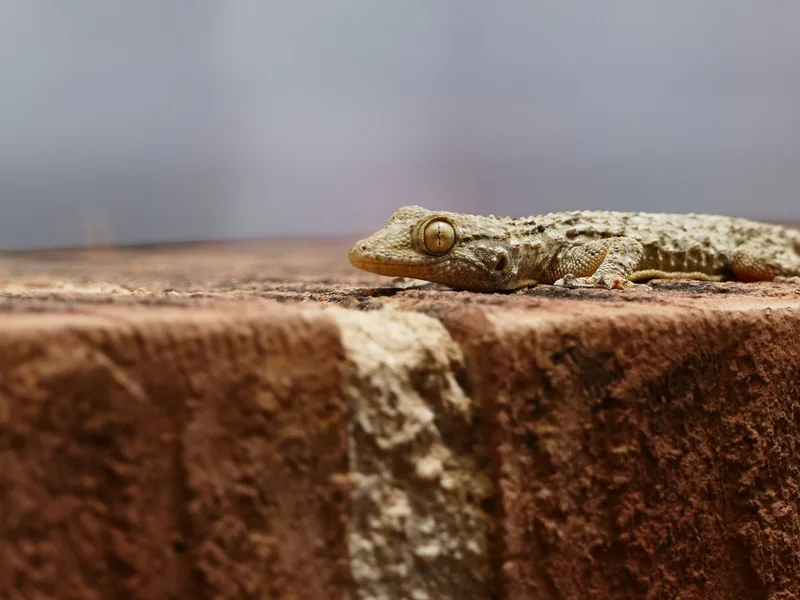
The house gecko
The house gecko in warehouses favours dark spots under stored materials and stacked goods, emerging at night to hunt insects around lights and heat sources.

Outdoor lighting
Workshop lighting, flood lamps and night lighting of yards attract small and large insects in numbers throughout the night, concentrating gecko feeding activity.
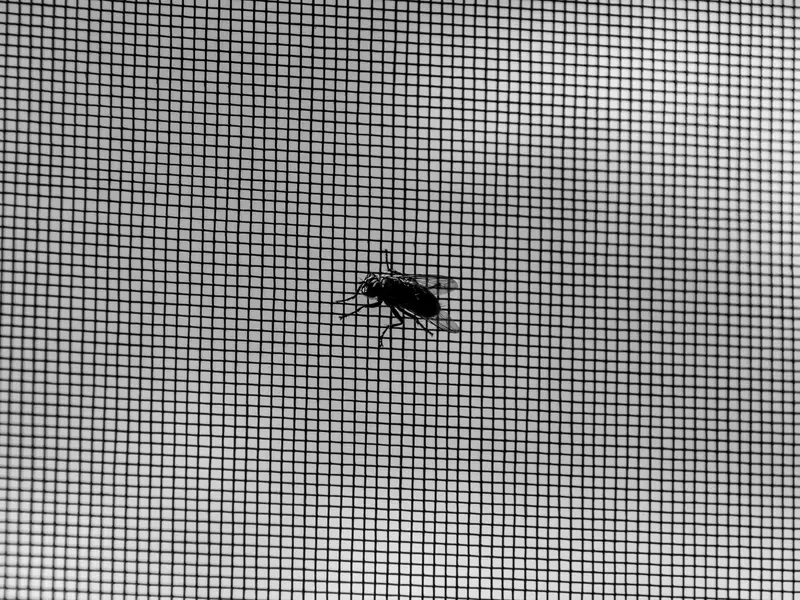
Window mesh
Warehouses have no mesh screened windows and large openings for ventilation and goods handling offer easy gecko entry points.
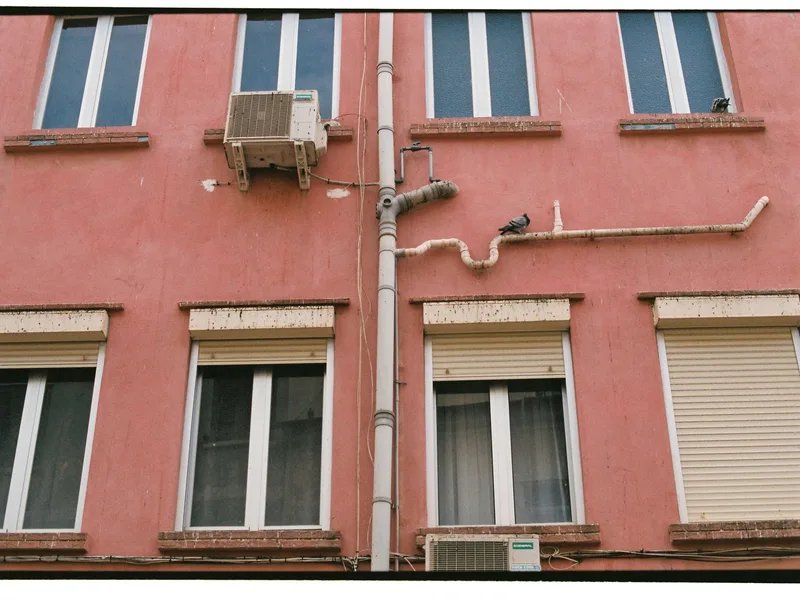
The air-conditioner sleeve
Air conditioning vents and pipes in workshops and warehouses are wide and unprotected, allowing geckos and insects to pass through.
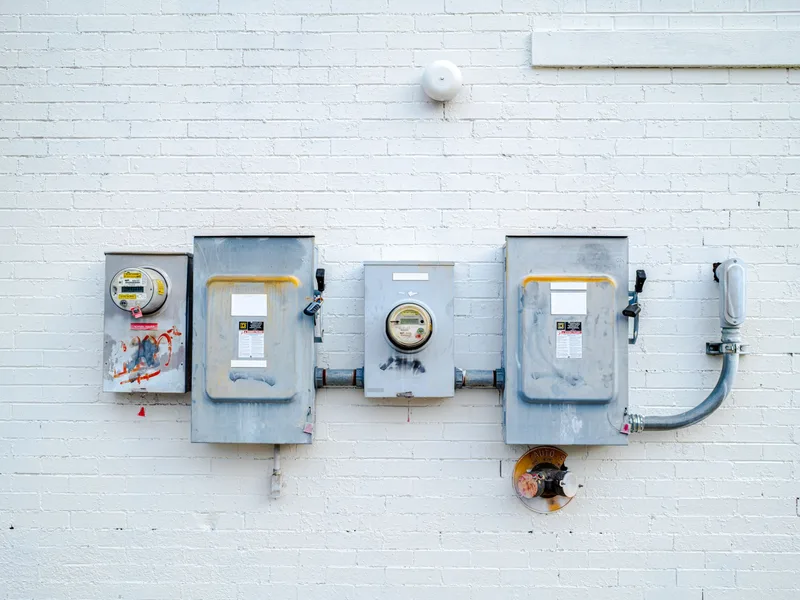
Meter boxes and electrical panels
Electrical panels and meter boxes in workshops are mounted on external or internal walls, serving as gecko shelter and egg laying sites.
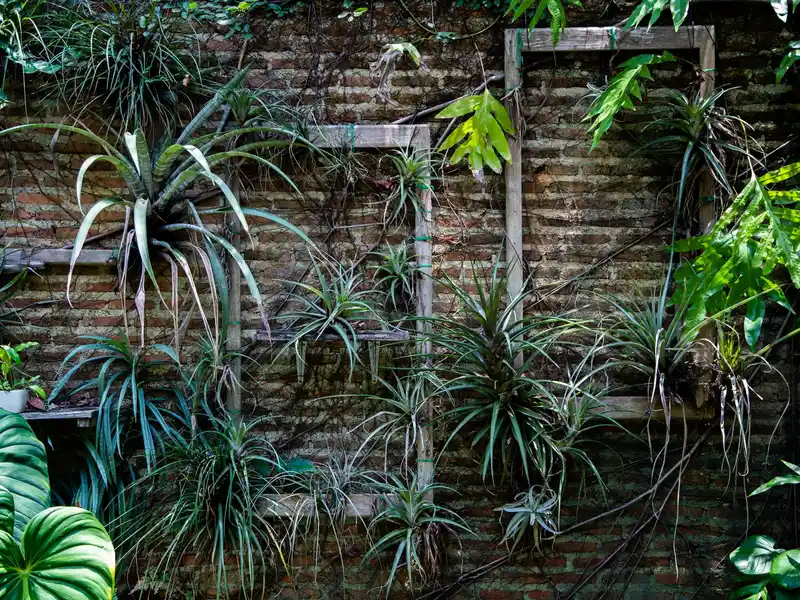
The garden and the irrigation
Areas around warehouses remain damp from washing vehicles and tools, and temporary drainage leaves wet spots that attract insects year round.
How we work
-
1
Inspect at night and find the source
We come at the hour it is actually moving, and establish which wall face it is living on, which lights are gathering its food, the entry points and the crevices it wedges into by day.
-
2
Treat the food source
We treat the flying and crawling insects on the wall faces, around the perimeter and around the lighting. Once the food goes, the wall stops being worth staying on.
-
3
Close the openings and clear the crevices
We seal the air-conditioner sleeve, screen the vents and drain outlets, deal with the underside of doors, and place a repellent in the crevices and behind panels so they move out before anything is closed.
-
4
The follow-up visit
We come back once the glued eggs have hatched, check the seals held, and re-treat any wall face where activity has returned.
What gecko control includes
-

A recorded night inspection
Wall faces, lighting, entry points and egg sites, all established before anything is applied.
-

Treating the insects on the walls
Targeted treatment around lighting, windows and the building perimeter, because the food is what keeps it there.
-

Placed repellent in the crevices
Behind panels, in wall joints and at the ceiling-void entries, where it sits out the day.
-

Screening vents and drain openings
Shafts, vents and the condensate outlet, which are entry points nobody looks at.
-

Aftercare instructions
Ventilation, what to cover, and the change to the outside lighting that stops the insects gathering again.
-

A scheduled follow-up
A set date after the first treatment, a check on the seals and re-treatment of anything still active.
What is different about Al Maabdah Sub-Municipality
Al Maabdah sub municipality climbs from Al Abtah and Al Jumayzah beside the Al Mualla cemetery up through Al Khansa and Rai Adhakhir to Al Adl, Jabal Al Nour, Wadi Jaleel and Qurtubah on the outer ring roads. It mixes hotels and pilgrim housing near the Grand Mosque with old popular houses on hillside passes, new housing schemes on valley floors that carry flash floods after rain, and industrial plots, workshops and warehouses along Al Hajj Street in Qurtubah. Street widening and expropriation leave partly demolished frontages in Al Khansa.
Questions about this district
Are geckos a significant problem in industrial warehouses and workshops?
Yes, open plan warehouses, stacked materials and constant lighting provide ideal conditions. Small and large insects congregate around lights and heat sources, attracting geckos.
How do we prevent geckos entering open warehouses?
Complete enclosure is not practical, so we focus on reducing insects by treating the perimeter of warehouses and eliminating standing water and damp areas.
Does night time lighting increase gecko problems here?
Yes, constant lighting attracts small insects in numbers, which draws geckos. Reducing lighting or switching to insect resistant types may help reduce gecko populations.
Is treating warehouse floors and walls enough?
Treating floors and walls is important, but controlling small insects around the warehouse is essential. Without food sources geckos will not establish.
When are geckos most active in Qurtubah?
Heat and lighting remain constant year round keeping geckos active, but they are most active in spring and summer when insects are most numerous.
Do we need regular repeat treatment in warehouses and workshops?
Yes, regular treatment is essential in industrial zones because of abundant food, continuous moisture and constant lighting favouring gecko populations.
How much does gecko control in Qurtubah cost?
It is set after the inspection, because the price follows the type of infestation, the size of the space, how far it has spread and the number of visits it needs. Send a photo and a description on WhatsApp and we will give you an estimate before we reach Qurtubah.
Nearby districts we cover
Other services in Qurtubah
Other services we provide to residents of Qurtubah.
-
 Residential
Cockroach control
Residential
Cockroach control
-
 Residential
Bed bug control
Residential
Bed bug control
-
 Residential
Termite control
Residential
Termite control
-
 Residential
Rodents and mice
Residential
Rodents and mice
-
 Residential
Mosquito control
Residential
Mosquito control
-
 Residential
Fly control
Residential
Fly control
-
 Residential
Ant control
Residential
Ant control
-
 Residential
Scorpion control
Residential
Scorpion control
-
 Residential
Snake control
Residential
Snake control
-
 Residential
Flea control
Residential
Flea control
-
 Residential
Bird and pigeon control
Residential
Bird and pigeon control
-
 Residential
Preventive treatment
Residential
Preventive treatment
-
 Residential
Disinfection
Residential
Disinfection
-
 Commercial
Annual contracts
Commercial
Annual contracts
-
 Commercial
Restaurants and cafes
Commercial
Restaurants and cafes
-
 Commercial
Hotels and apartments
Commercial
Hotels and apartments
-
 Commercial
Warehouses and factories
Commercial
Warehouses and factories
-
 Commercial
Schools and nurseries
Commercial
Schools and nurseries
-
 Commercial
Retail and malls
Commercial
Retail and malls
-
 Commercial
Rest houses and farms
Commercial
Rest houses and farms
-
 Commercial
Fumigation
Commercial
Fumigation
-
 Water tanks
Water tank cleaning
Water tanks
Water tank cleaning
-
 Water tanks
Water tank sterilization
Water tanks
Water tank sterilization
-
 Water tanks
Water tank sealing
Water tanks
Water tank sealing
-
 Water tanks
Tank leak repair
Water tanks
Tank leak repair
Need gecko control in Qurtubah? Tell us what you saw and we will tell you what it needs
We reach Qurtubah at a time we agree, and you get the full cost before we start.