
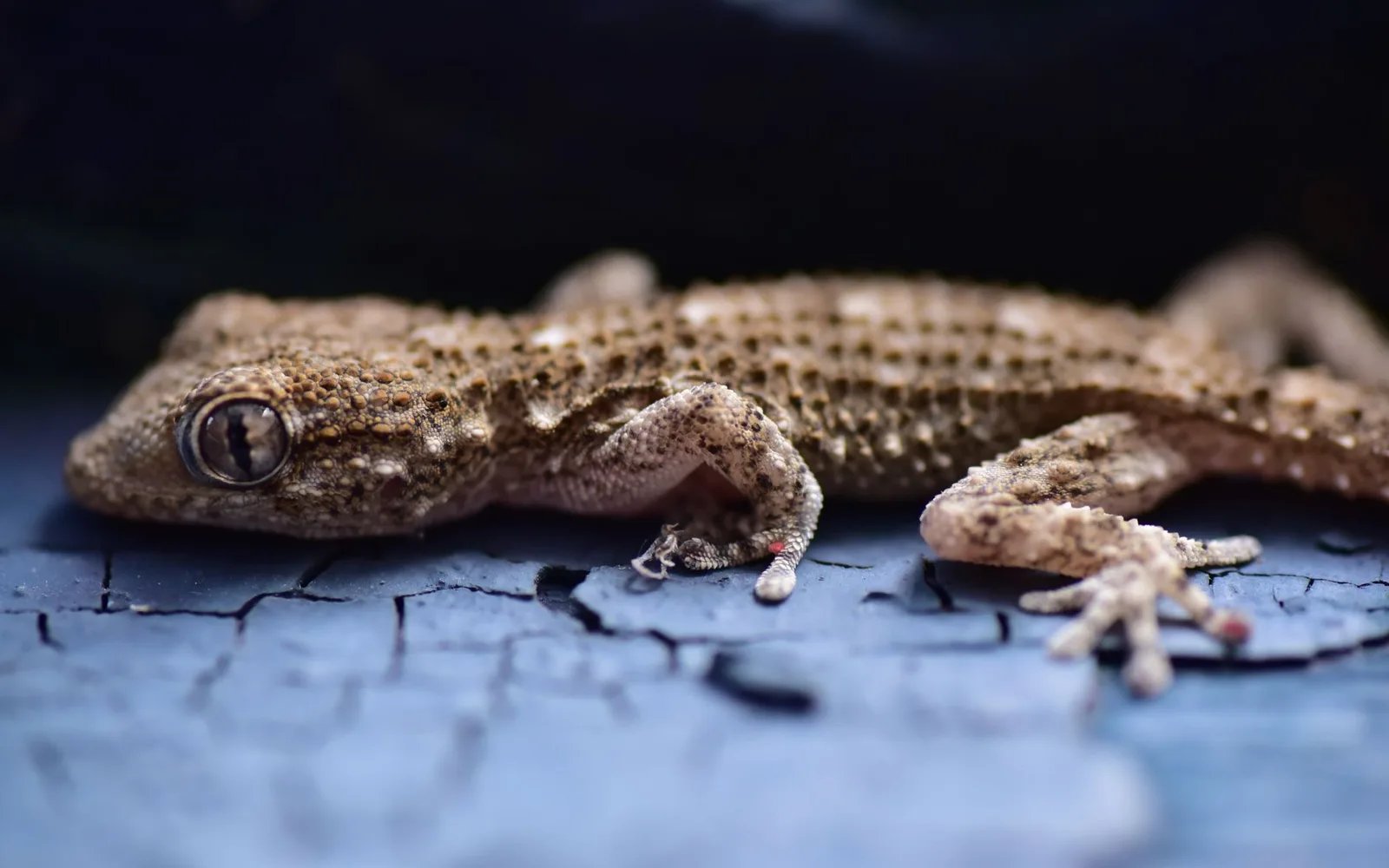
Gecko control in Yamamah Makkah
Yamamah is a mixed district north of Al Sharai between King Faisal Road and Al Jaranah Road, with scattered villas and apartment buildings among extensive vacant plots between Al Shifa Hills to the west and Al Qubbah Mosque to the east. Geckos migrate from empty land and nearby fields into homes, and scattered building provides multiple hideouts.
-
Targeted, not broadcast
Product goes into cracks and runways, never sprayed across open surfaces.
-
Told before we start
What we will use, where it goes, and what to cover or move before we arrive.
-
A follow-up visit
We return after the first treatment, because what survives it does not show on the day.
-
Homes and businesses
Apartments and villas, and kitchens and stores that need a record of each visit.
Why they keep coming back in Yamamah
Extensive vacant land and incomplete building provide year round moisture. Geckos shelter on empty plots at night and migrate to the new homes every few weeks. The method is set out in full on our Gecko control service.
Vacant plots between homes feed continuous gecko migration
The district has more empty land than occupied homes. This land provides moisture from drainage, groundwater and uncontrolled irrigation. Geckos hide in this land by day and migrate at night towards villa lights and apartment building lights. Each new home built is surrounded by empty plots, meaning gecko pressure stays high continuously.
Al Shifa Hills provide natural gecko shelter
The rocky Al Shifa Hills provide natural hideouts. Rock faces and small caves offer coolness and protection. Geckos move from the hills towards warm homes at night when temperature drops. Building at the base of the hills means geckos have easy access to the foundations.
Scattered building stops collective defence
Villas and apartment buildings are spread across the district. This means treating one home does not stop geckos from neighbours. Geckos move between homes via vacant land and shared openings. Co ordinating treatment across a scattered group is harder than in dense areas.
Landmarks of Yamamah
Yamamah lies between Al Jaranah Road to the north and King Faisal Road to the south, with Al Shifa Hills to the west and Al Qubbah Mosque to the east. Work is planned from access points on both main roads to reach scattered villas and apartment blocks.
- Al Jaranah Road
- Al Qubbah Mosque
- Al Shifa Hills
- King Faisal Road
The food, the opening and the crevice decide the method
The district lies between Al Shifa Hills to the west and Al Qubbah Mosque to the east, with most ground left vacant between scattered villas and apartment blocks. Wadi Mudarraja and Wadi Al Sharai lie close by, both carrying flash flood moisture and silt after rain.
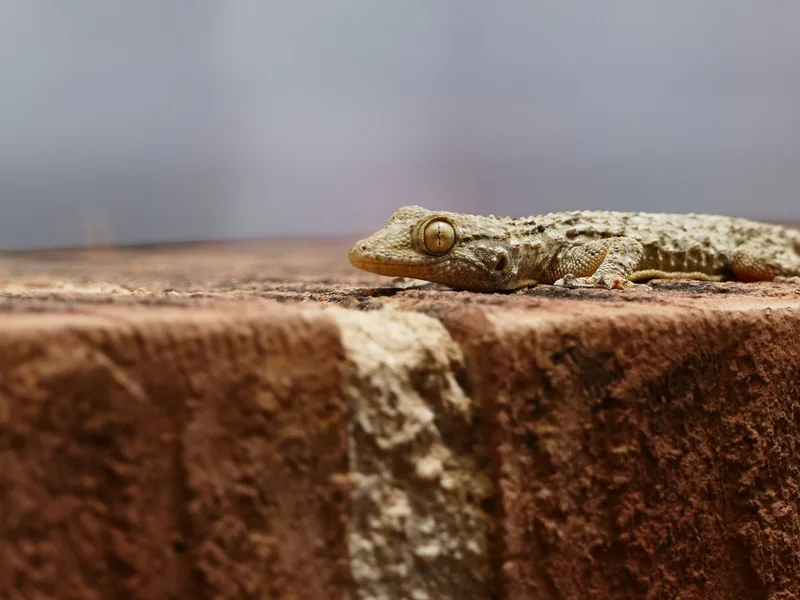
The house gecko
House geckos in Yamamah hide in foundation cracks and openings between villas and apartment buildings across vacant land. Small rocks and rubble provide additional hideouts.

Outdoor lighting
Villa and apartment building lights at night attract insects. Geckos come from Al Shifa Hills and vacant plots towards the lights.
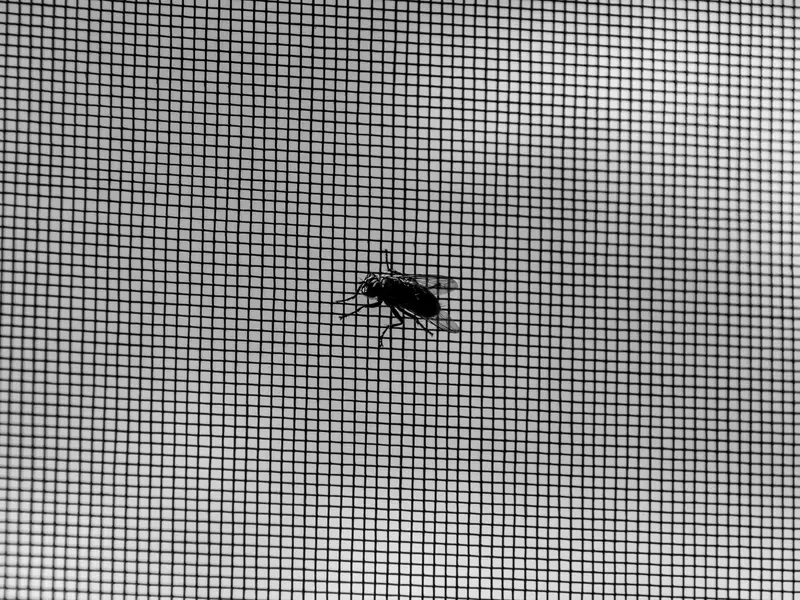
Window mesh
Villa window mesh may be loose because building is scattered and slow. Gaps in mesh provide easy passages.
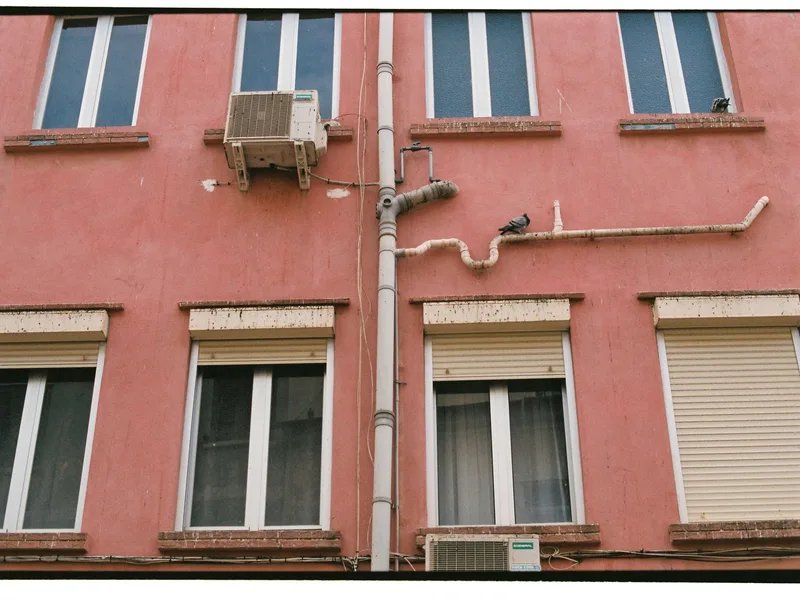
The air-conditioner sleeve
Air conditioner sleeves in villas and apartment buildings may be poorly sealed because building is not yet complete. Gaps around them provide direct entry.
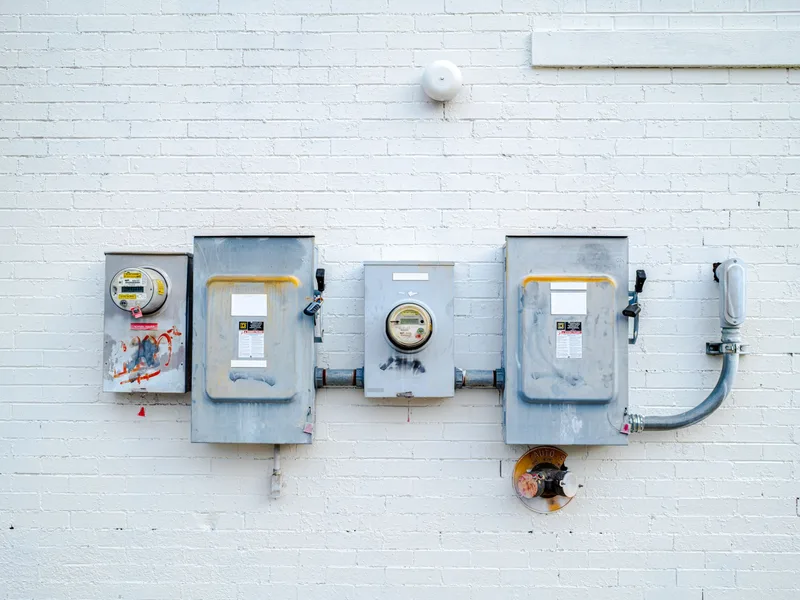
Meter boxes and electrical panels
Electrical boxes in new villas may remain open because wires pass and change. Holes provide gecko pathways.
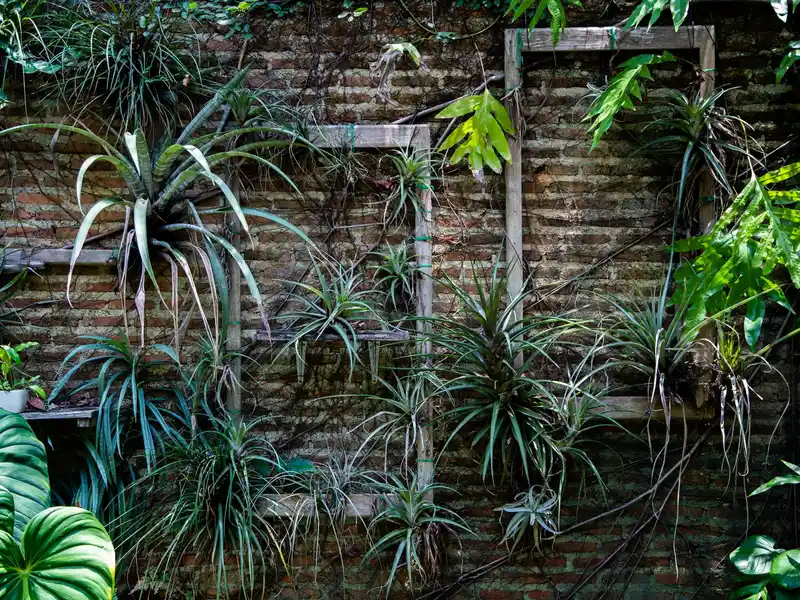
The garden and the irrigation
Vacant land around each villa provides moisture, insects and shelter. Villas near extensive empty plots need intensive defensive treatment around foundations and mesh.
How we work
-
1
Inspect at night and find the source
We come at the hour it is actually moving, and establish which wall face it is living on, which lights are gathering its food, the entry points and the crevices it wedges into by day.
-
2
Treat the food source
We treat the flying and crawling insects on the wall faces, around the perimeter and around the lighting. Once the food goes, the wall stops being worth staying on.
-
3
Close the openings and clear the crevices
We seal the air-conditioner sleeve, screen the vents and drain outlets, deal with the underside of doors, and place a repellent in the crevices and behind panels so they move out before anything is closed.
-
4
The follow-up visit
We come back once the glued eggs have hatched, check the seals held, and re-treat any wall face where activity has returned.
What gecko control includes
-

A recorded night inspection
Wall faces, lighting, entry points and egg sites, all established before anything is applied.
-

Treating the insects on the walls
Targeted treatment around lighting, windows and the building perimeter, because the food is what keeps it there.
-

Placed repellent in the crevices
Behind panels, in wall joints and at the ceiling-void entries, where it sits out the day.
-

Screening vents and drain openings
Shafts, vents and the condensate outlet, which are entry points nobody looks at.
-

Aftercare instructions
Ventilation, what to cover, and the change to the outside lighting that stops the insects gathering again.
-

A scheduled follow-up
A set date after the first treatment, a check on the seals and re-treatment of anything still active.
What is different about Al Sharai Sub-Municipality
Al Sharai is the eastern growth front of Makkah along King Faisal Road and the Taif road. Settled quarters sit beside recently renamed schemes where plots are still vacant and buildings are going up, so construction sites, fill and open excavations lie next to occupied homes. Wadi channels such as Wadi Mudarraja, Wadi Al Sharai and Wadi Al Mughammas carry flash floods after rain and dry out to damp silt, while dust blows off the open hills. Roadside shops, restaurants and warehouses line the Taif road, and to the east the area shades into villages, palm farms and springs.
Questions about this district
Does Al Shifa mean the gecko problem will never end here?
Al Shifa provides natural shelter and makes the location attractive to geckos. Treatment removes current residents and a second visit two weeks later kills new eggs. Once building completes and vacant plots are built on, pressure falls.
Does the nearby wadi mean geckos return faster?
Wadis provide high moisture especially after rain. But they sit some distance from the homes. Gecko pressure peaks right after rainfall, so preventive treatment during the rainy season is recommended.
Is treating a single villa enough if vacant land surrounds it?
Treatment removes the villa's residents. But vacant land around it remains a constant source. Careful treatment around foundations and mesh stops new entry. If building starts on the surrounding vacant plots soon, pressure will fall.
Is scattered building in Yamamah worse than a complete built area?
Yes. Scattered building means extensive vacant plots between homes. This provides safe passages for geckos to move between houses. Complete building where villa touches villa prevents horizontal gecko migration.
When will we need a second treatment in Yamamah?
First treatment removes current residents. Second treatment two weeks later is necessary when eggs hatch. After that, retreatment every three weeks in summer and monthly in winter.
Does Al Qubbah Mosque beside the district increase infestation?
The mosque and its grounds provide shelter and food if gardens are present. The mosque is fixed, so geckos may come from it. Defensive treatment of homes beside the mosque is necessary.
How much does gecko control in Yamamah cost?
It is set after the inspection, because the price follows the type of infestation, the size of the space, how far it has spread and the number of visits it needs. Send a photo and a description on WhatsApp and we will give you an estimate before we reach Yamamah.
Other services in Yamamah
Other services we provide to residents of Yamamah.
-
 Residential
Cockroach control
Residential
Cockroach control
-
 Residential
Bed bug control
Residential
Bed bug control
-
 Residential
Termite control
Residential
Termite control
-
 Residential
Rodents and mice
Residential
Rodents and mice
-
 Residential
Mosquito control
Residential
Mosquito control
-
 Residential
Fly control
Residential
Fly control
-
 Residential
Ant control
Residential
Ant control
-
 Residential
Scorpion control
Residential
Scorpion control
-
 Residential
Snake control
Residential
Snake control
-
 Residential
Flea control
Residential
Flea control
-
 Residential
Bird and pigeon control
Residential
Bird and pigeon control
-
 Residential
Preventive treatment
Residential
Preventive treatment
-
 Residential
Disinfection
Residential
Disinfection
-
 Commercial
Annual contracts
Commercial
Annual contracts
-
 Commercial
Restaurants and cafes
Commercial
Restaurants and cafes
-
 Commercial
Hotels and apartments
Commercial
Hotels and apartments
-
 Commercial
Warehouses and factories
Commercial
Warehouses and factories
-
 Commercial
Schools and nurseries
Commercial
Schools and nurseries
-
 Commercial
Retail and malls
Commercial
Retail and malls
-
 Commercial
Rest houses and farms
Commercial
Rest houses and farms
-
 Commercial
Fumigation
Commercial
Fumigation
-
 Water tanks
Water tank cleaning
Water tanks
Water tank cleaning
-
 Water tanks
Water tank sterilization
Water tanks
Water tank sterilization
-
 Water tanks
Water tank sealing
Water tanks
Water tank sealing
-
 Water tanks
Tank leak repair
Water tanks
Tank leak repair
Need gecko control in Yamamah? Tell us what you saw and we will tell you what it needs
We reach Yamamah at a time we agree, and you get the full cost before we start.