
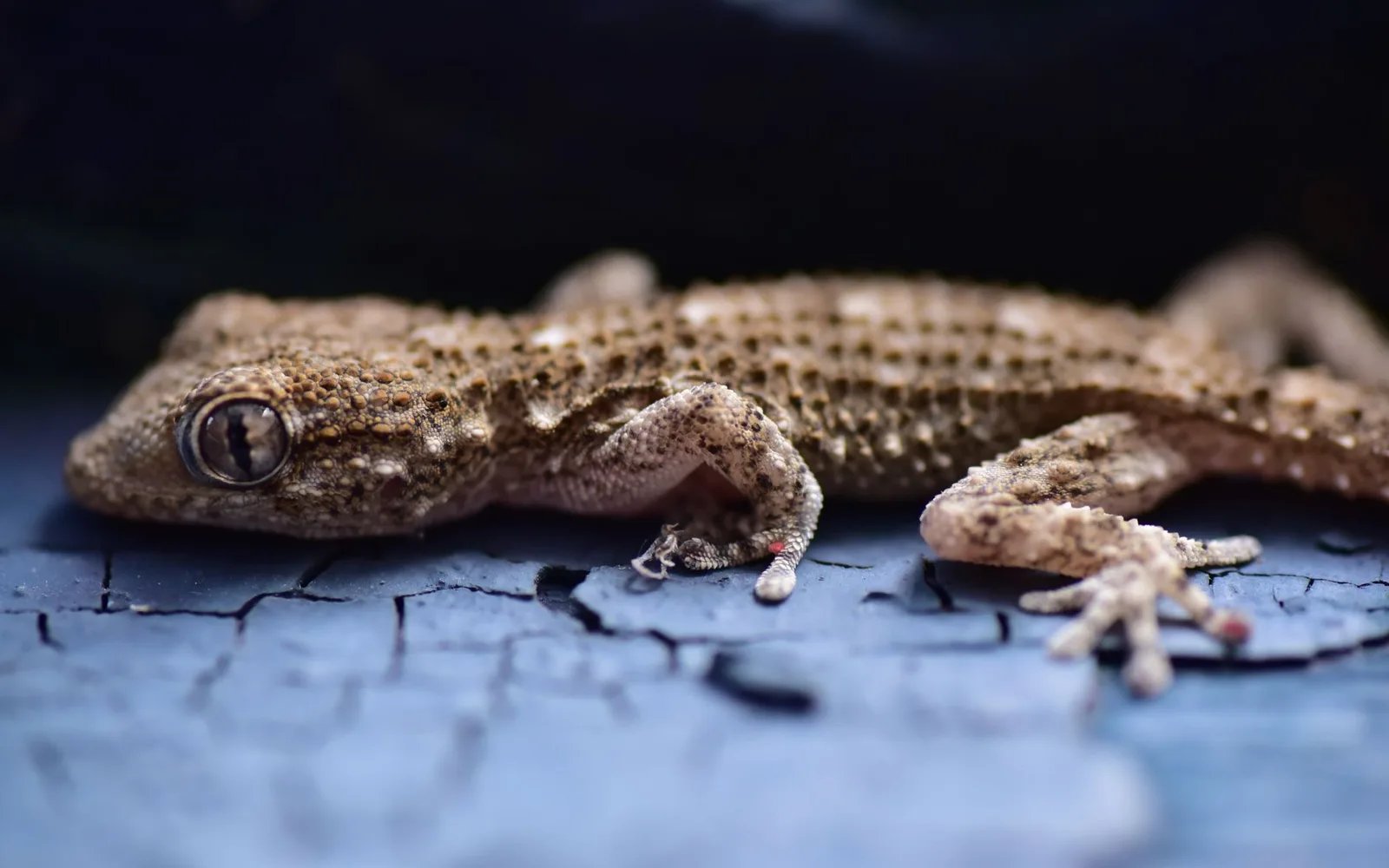
Gecko control in Maqam Makkah
Maqam is a new northern extension of Al Sharai between Al Usaylah and Al Khadra, where new apartment buildings stand among vast vacant plots. Al Shifa hills ring the district to the north and east, harbouring geckos and scorpions that descend with each new building project. Open ground between plots provides shelter before the neighbourhoods fill up, and geckos use these spaces to move freely after dark.
-
Targeted, not broadcast
Product goes into cracks and runways, never sprayed across open surfaces.
-
Told before we start
What we will use, where it goes, and what to cover or move before we arrive.
-
A follow-up visit
We return after the first treatment, because what survives it does not show on the day.
-
Homes and businesses
Apartments and villas, and kitchens and stores that need a record of each visit.
Why they keep coming back in Maqam
Ongoing excavation and land levelling displace reptiles from their natural sites, driving them towards occupied buildings nearby. The method is set out in full on how we approach Gecko control.
Al Shifa hills and wild reptiles
Al Shifa hills southeast of Maqam hold scorpions and reptile species not adapted to houses. Active building displaces them from their burrows. Geckos migrate from the hills towards light and food in new apartment blocks.
Vast vacant plots and unrestricted movement
Large gaps between schemes let geckos move freely at night. Insects find homes in open ground and stacked rubble. Every new building project moving closer to your home brings a new wave of geckos.
Continuous development and new sources
Maqam is in constant building flux. Each new site opens new gecko shelter. The district will not stabilise while excavation and development continue from all sides.
Maqam on the map
Maqam sits about 3 km from Yamamah and about 3.5 km from Badr.
Open in Google MapsThe food, the opening and the crevice decide the method
Rising ground towards Al Shifa hills and vast vacant plots between residential schemes provide natural shelter for reptiles before they migrate to new buildings as construction progresses.
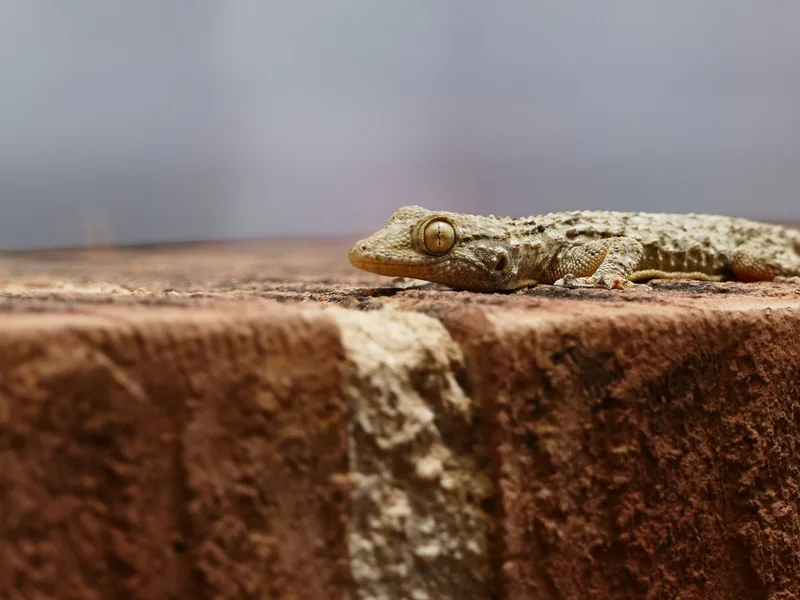
The house gecko
Geckos in Maqam arrive from nearby Al Shifa hills where they shelter in natural cracks and caves before migrating to buildings.
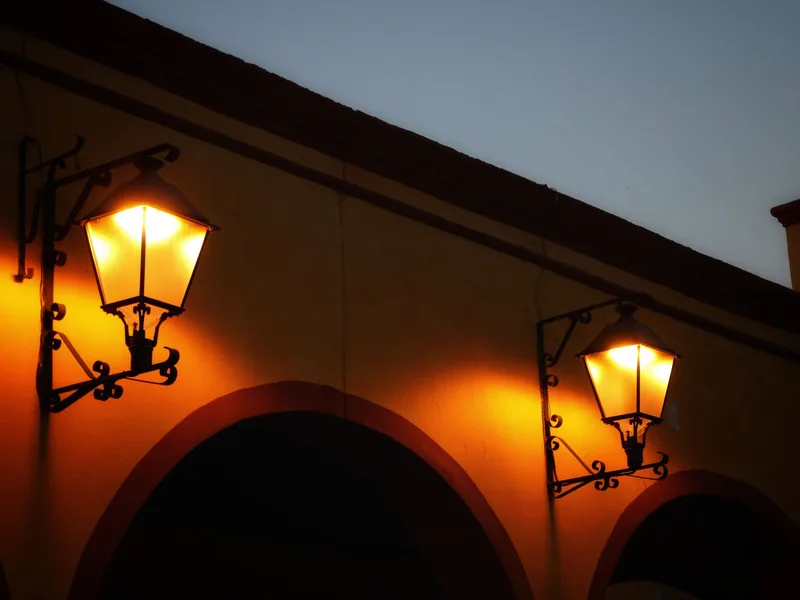
Outdoor lighting
Outdoor lights on new apartment blocks attract flying insects from the dark vacant plots surrounding them.
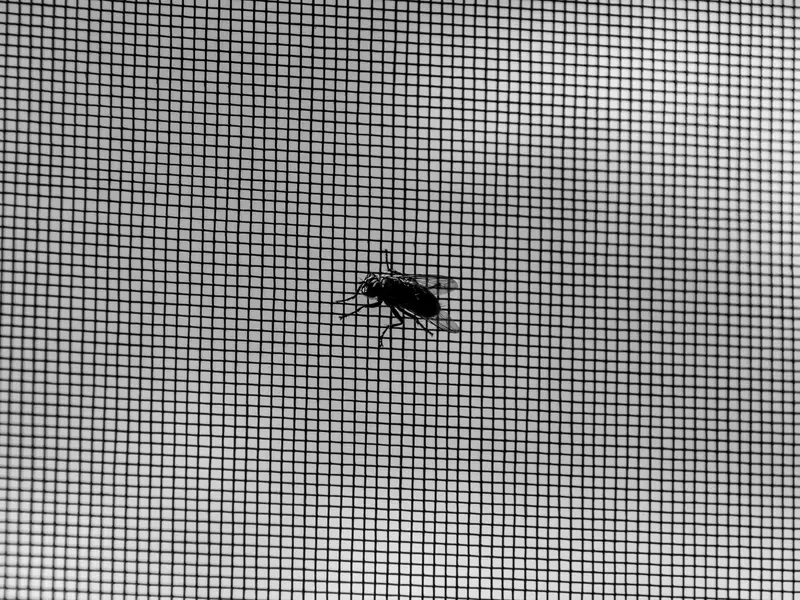
Window mesh
Window mesh on new blocks may be incomplete or worn because of rapid construction and early sales.
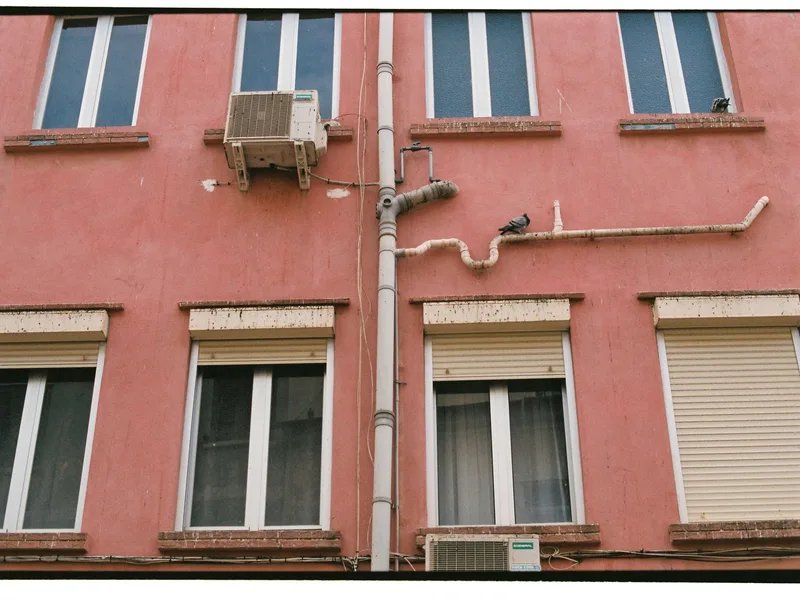
The air-conditioner sleeve
Air conditioner sleeves on new buildings do not seal tightly because interior finishing is still underway.
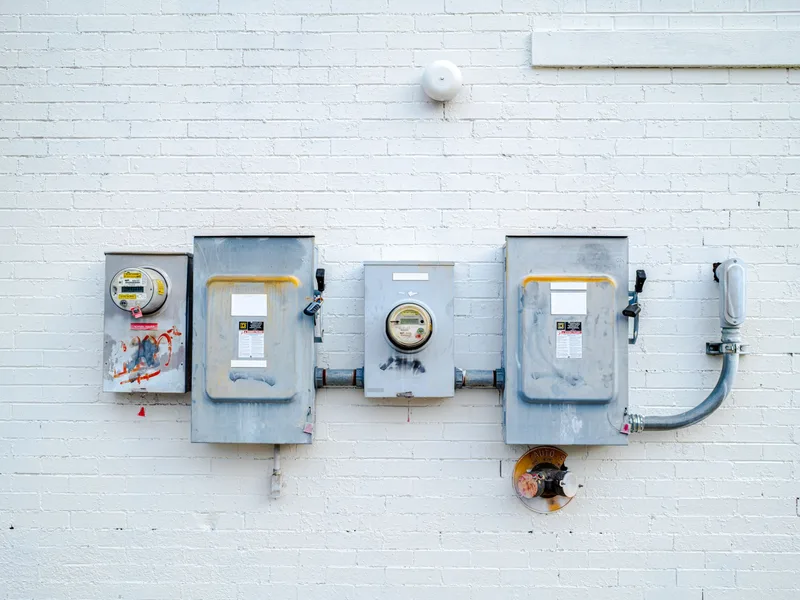
Meter boxes and electrical panels
Electrical panels and meter boxes on new buildings are not sealed tightly at the back and sides.
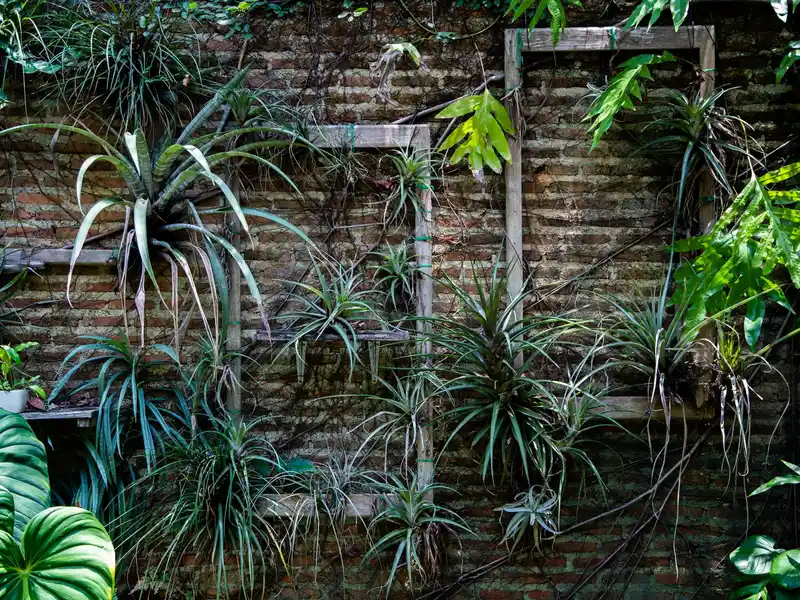
The garden and the irrigation
Gardens and gaps between blocks provide moisture and shelter for small insects after each new excavation.
How we work
-
1
Inspect at night and find the source
We come at the hour it is actually moving, and establish which wall face it is living on, which lights are gathering its food, the entry points and the crevices it wedges into by day.
-
2
Treat the food source
We treat the flying and crawling insects on the wall faces, around the perimeter and around the lighting. Once the food goes, the wall stops being worth staying on.
-
3
Close the openings and clear the crevices
We seal the air-conditioner sleeve, screen the vents and drain outlets, deal with the underside of doors, and place a repellent in the crevices and behind panels so they move out before anything is closed.
-
4
The follow-up visit
We come back once the glued eggs have hatched, check the seals held, and re-treat any wall face where activity has returned.
What gecko control includes
-

A recorded night inspection
Wall faces, lighting, entry points and egg sites, all established before anything is applied.
-

Treating the insects on the walls
Targeted treatment around lighting, windows and the building perimeter, because the food is what keeps it there.
-

Placed repellent in the crevices
Behind panels, in wall joints and at the ceiling-void entries, where it sits out the day.
-

Screening vents and drain openings
Shafts, vents and the condensate outlet, which are entry points nobody looks at.
-

Aftercare instructions
Ventilation, what to cover, and the change to the outside lighting that stops the insects gathering again.
-

A scheduled follow-up
A set date after the first treatment, a check on the seals and re-treatment of anything still active.
What is different about Al Sharai Sub-Municipality
Al Sharai is the eastern growth front of Makkah along King Faisal Road and the Taif road. Settled quarters sit beside recently renamed schemes where plots are still vacant and buildings are going up, so construction sites, fill and open excavations lie next to occupied homes. Wadi channels such as Wadi Mudarraja, Wadi Al Sharai and Wadi Al Mughammas carry flash floods after rain and dry out to damp silt, while dust blows off the open hills. Roadside shops, restaurants and warehouses line the Taif road, and to the east the area shades into villages, palm farms and springs.
Questions about this district
Is treating my home enough when a building site opens next to it?
No. A building site beside your house opens new shelter weekly. Geckos leave the site at sunset and enter your home. Treating the house alone may fail.
Do geckos actually live in Al Shifa hills?
Yes. The hills beside Maqam are a natural home for scorpions, lizards and snakes. Geckos are less common there but arrive from wadi beds and crevices. Building displaces them all.
When do I need a second treatment in a constantly developing district?
If a new building site opens beside your home, a second treatment two weeks after excavation starts is essential. Continuous building means continuous pressure.
Do large vacant plots protect against geckos or increase the problem?
Vacant plots provide shelter and food for geckos. Large gaps let them travel far. Full plot treatment is impossible, but strong treatment of your home stops them entering.
Are new buildings more protected than old ones because of modern construction?
No. New buildings attract geckos because they are new and finishing is incomplete. Gaps and defects in new buildings are numerous because work is ongoing.
Does Al Firdaws Mosque beside the district increase the infestation?
The mosque is a strong night light that draws flying insects. Insects concentrate geckos. Mosques near your home increase gecko pressure.
How much does gecko control in Maqam cost?
It is set after the inspection, because the price follows the type of infestation, the size of the space, how far it has spread and the number of visits it needs. Send a photo and a description on WhatsApp and we will give you an estimate before we reach Maqam.
Other services in Maqam
Other services we provide to residents of Maqam.
-
 Residential
Cockroach control
Residential
Cockroach control
-
 Residential
Bed bug control
Residential
Bed bug control
-
 Residential
Termite control
Residential
Termite control
-
 Residential
Rodents and mice
Residential
Rodents and mice
-
 Residential
Mosquito control
Residential
Mosquito control
-
 Residential
Fly control
Residential
Fly control
-
 Residential
Ant control
Residential
Ant control
-
 Residential
Scorpion control
Residential
Scorpion control
-
 Residential
Snake control
Residential
Snake control
-
 Residential
Flea control
Residential
Flea control
-
 Residential
Bird and pigeon control
Residential
Bird and pigeon control
-
 Residential
Preventive treatment
Residential
Preventive treatment
-
 Residential
Disinfection
Residential
Disinfection
-
 Commercial
Annual contracts
Commercial
Annual contracts
-
 Commercial
Restaurants and cafes
Commercial
Restaurants and cafes
-
 Commercial
Hotels and apartments
Commercial
Hotels and apartments
-
 Commercial
Warehouses and factories
Commercial
Warehouses and factories
-
 Commercial
Schools and nurseries
Commercial
Schools and nurseries
-
 Commercial
Retail and malls
Commercial
Retail and malls
-
 Commercial
Rest houses and farms
Commercial
Rest houses and farms
-
 Commercial
Fumigation
Commercial
Fumigation
-
 Water tanks
Water tank cleaning
Water tanks
Water tank cleaning
-
 Water tanks
Water tank sterilization
Water tanks
Water tank sterilization
-
 Water tanks
Water tank sealing
Water tanks
Water tank sealing
-
 Water tanks
Tank leak repair
Water tanks
Tank leak repair
Need gecko control in Maqam? Tell us what you saw and we will tell you what it needs
We reach Maqam at a time we agree, and you get the full cost before we start.