
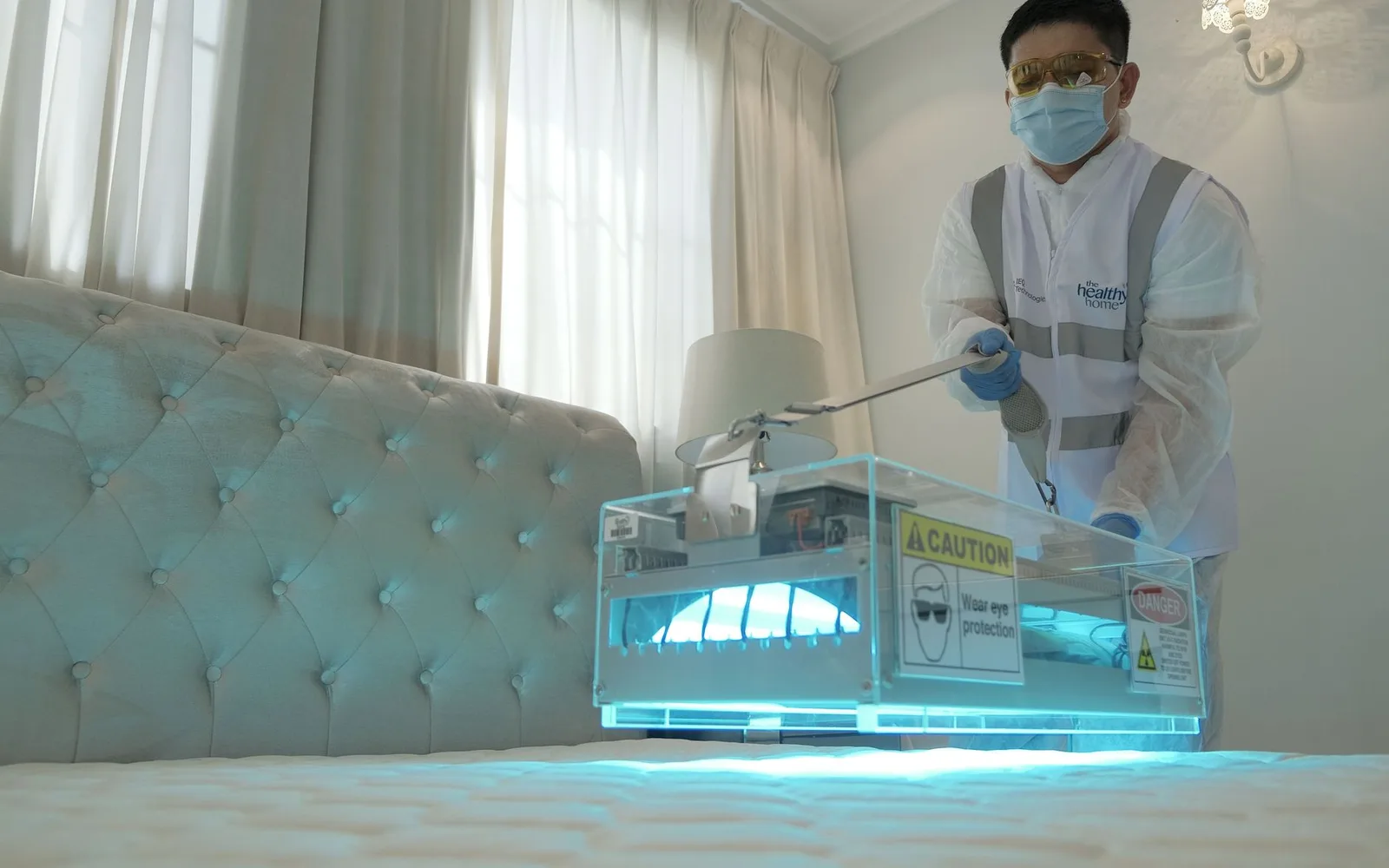
Hotels and apartments in Al Nahdah Jeddah
Al Nahdah runs along Hira Street between King Abdulaziz and Prince Sultan Roads, with shops, clinics and restaurants at street level and furnished flats above them. Sea humidity and poor ventilation in ground floor businesses make insects spread faster, while the hotel guests above have no idea the source is beneath their feet.
-
Targeted, not broadcast
Product goes into cracks and runways, never sprayed across open surfaces.
-
Told before we start
What we will use, where it goes, and what to cover or move before we arrive.
-
A follow-up visit
We return after the first treatment, because what survives it does not show on the day.
-
Homes and businesses
Apartments and villas, and kitchens and stores that need a record of each visit.
Why they keep coming back in Al Nahdah
A commercial unit may close seasonally or change use, but cockroaches that colonised it over years still wait in crevices to restart when it opens again, or climb to the flat above. The method is set out in full on Hotels and apartments in detail.
Dense commercial units directly below residential accommodation
Restaurants, clinics and shops on the ground floor run continuously, and vertical pipes and wall voids connect the furnished flat above to them directly. Treating the flat alone will not solve the problem: cockroaches, mosquitoes and ants climb from the shop every day. The boundary between treating one and leaving the other untreated is meaningless.
Sea humidity and irrigated landscaping year-round
Salt laden breezes keep timber and render damp for most of the year. Al Nahdah Park and the planted areas and continuous irrigation around the corniche create perfect mosquito and ant habitat. Pesticides lose effectiveness faster in high humidity and may need reapplication sooner than inland applications.
Modern hotels and furnished flats beside active medical facilities
Clinics and medical centres draw visitors with various complaints, and furniture and clothing may carry bed bugs from elsewhere. A furnished apartment above a clinic may receive an infestation carried by a guest whose previous stay was in a hospital or clinic in another city.
Landmarks of Al Nahdah
The hotel and furnished apartment programme in Al Nahdah organises its schedule along Hira Street and accounts for the commercial density around Hira Plaza and the hospitality corridor. The shops and clinics along Hira Street between King Abdulaziz and Prince Sultan Roads determine the pest pressure level on any property above them.
- Hira Street
- King Abdulaziz Road
- Prince Sultan Road
- Hira Plaza
- Al Nahdah Park
- Umar ibn Al Khattab Mosque
What we check in the room, and behind it
A mixed district on Hira Street close to the sea, with dense commercial activity including restaurants, clinics and other shops, and furnished apartments and hotels on the upper floors, with sea humidity remaining high throughout the year.
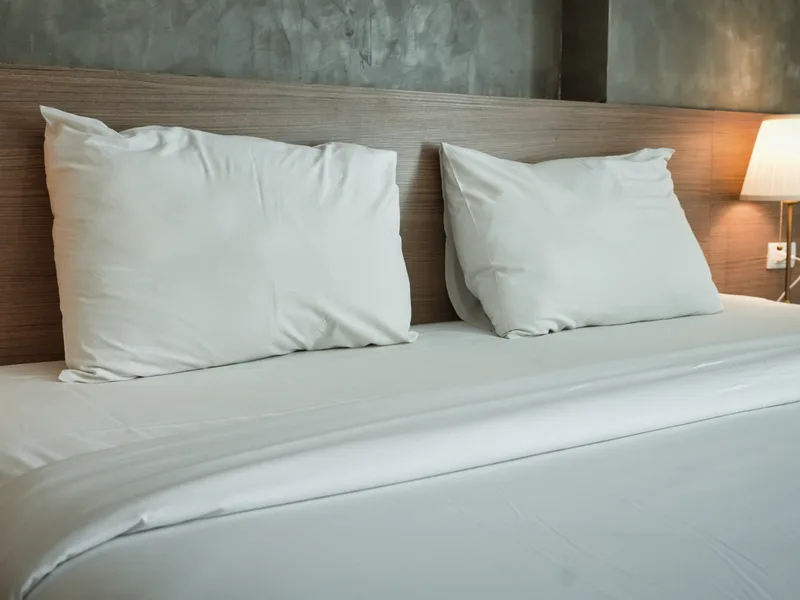
Mattress and base seams
Sea humidity keeps mattress seams in Al Nahdah hotels and furnished flats damp and a better shelter for bed bugs than seams in inland districts far from the coast.
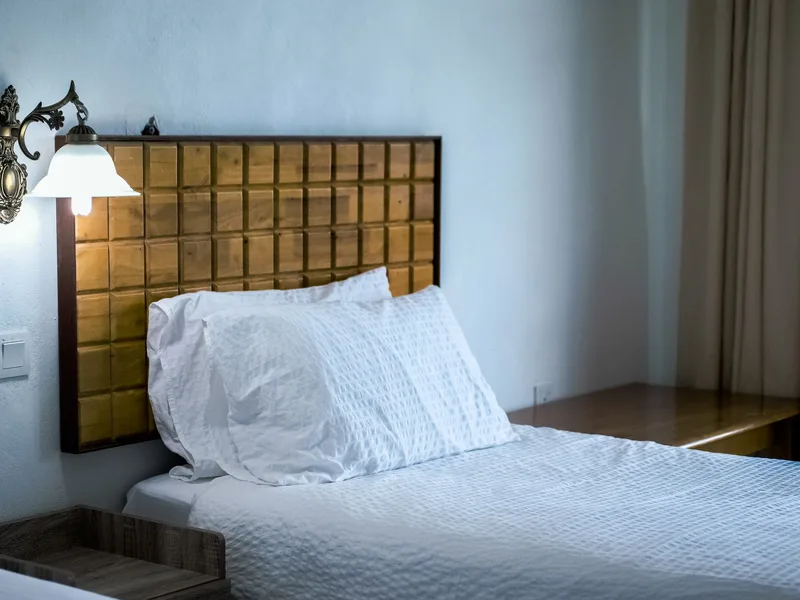
The headboard
The headboard may deteriorate from salt humidity and moisture, creating new crevices where bed bugs hide and breed with each change of season.
The rooms either side
The neighbouring flat in the same hotel or building may be where the infestation returns if ground floor shops keep sending insects upward continuously.
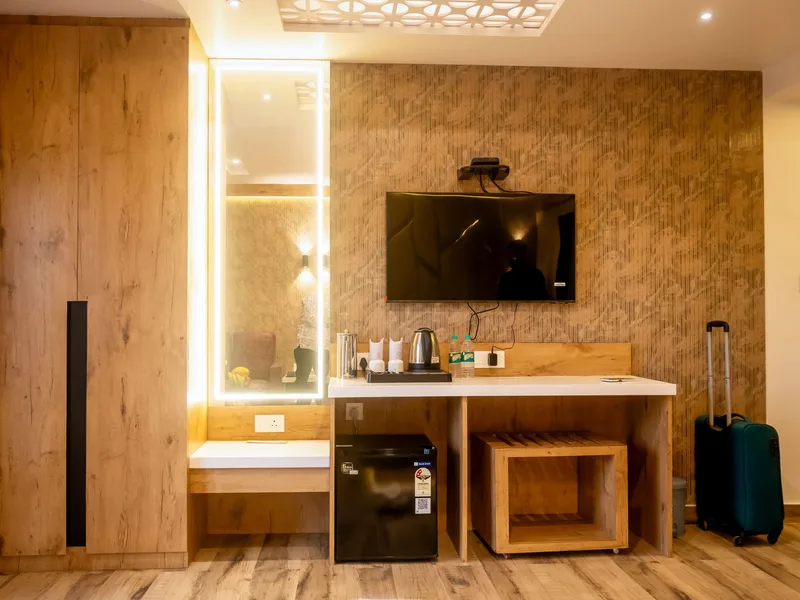
The luggage stand and wardrobe
The luggage stand in a hotel room next to a clinic may carry bed bugs from a guest's bag if they arrived from another hospital or medical facility.
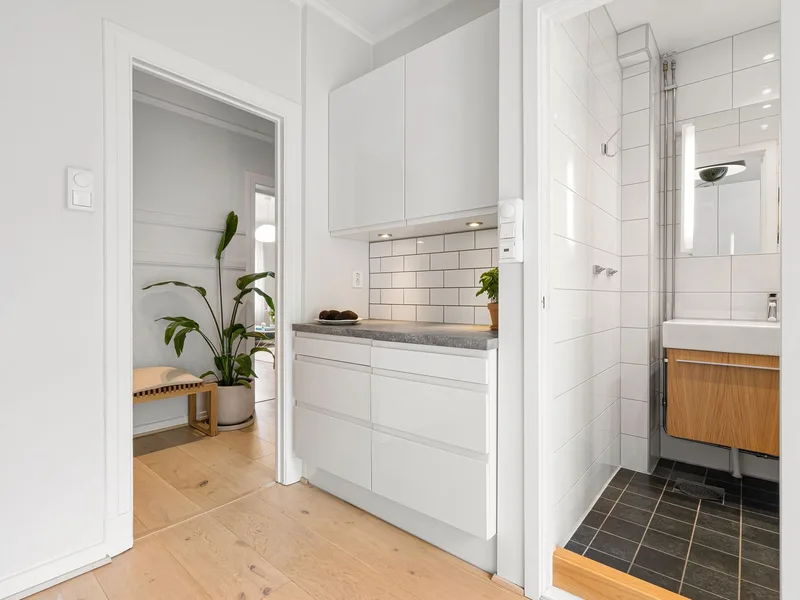
The kitchenette in a unit
A furnished flat kitchenette in Al Nahdah receives cockroaches from the restaurant below through pipes, and may also attract mosquitoes from the irrigated gardens nearby.
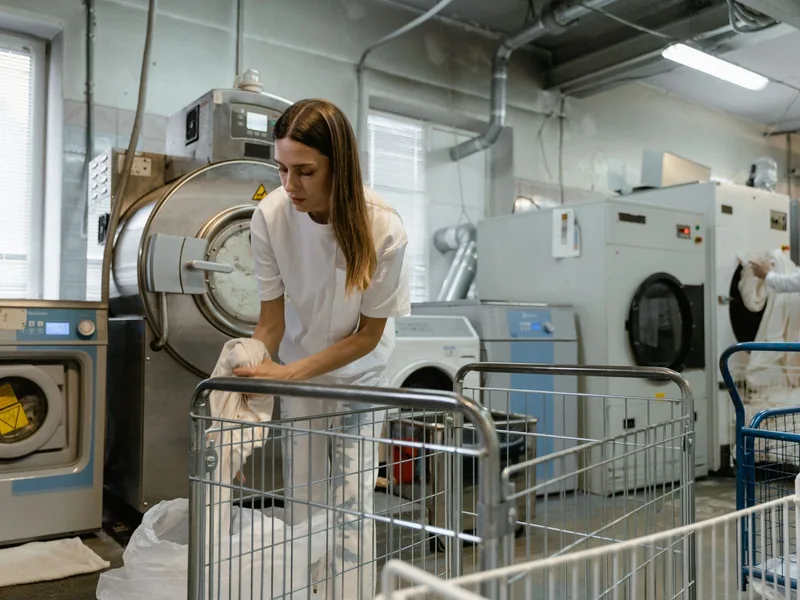
Laundry and the waste room
The laundry and back of house areas in a ground floor commercial space are a source of ants and damp insects that climb into the furnished apartment above.
How we work
-
1
Walk the floor, room by room
We start from what the staff reported, open the beds, lift the headboards and check the rooms either side and the ones above and below, then mark each room as affected, adjacent or clear.
-
2
Treatment outside occupied hours
Seams are vacuumed first, then steam or a targeted application goes onto the seams and joints, dust into the frame voids and behind the skirting, and gel bait through the kitchens and service areas. Nothing is broadcast over soft furnishings.
-
3
Sealing, and the operating routine
We close the skirting gap, the pipe penetration and the gap under the service corridor door, then agree with the staff that linen is bagged inside the room itself, and what gets reported the moment it is seen.
-
4
Follow-up, and putting the room back
We come back once the remaining eggs have hatched, read the monitors and open the bed a second time. A room returns to service on the result of that inspection, and the room number and both dates go into the log.
What the hotel and apartment programme includes
-

A recorded room by room inspection
Beds opened, headboards lifted, neighbouring rooms checked, and the state of every room number recorded before anything is applied.
-

Treatment of the beds and seams
Vacuuming, then a targeted application on mattress and base seams, frame joints and behind the skirting, never across the open surfaces of the room.
-

Bait and points in the service areas
Gel bait and numbered monitoring positions through the kitchen, the stores and the service corridors, read and logged on every visit.
-

Drains, laundry and waste
Floor gullies, the grease trap, the laundry and the ground around the containers, because that is the source that renews itself daily.
-

Room release and staff guidance
What is covered and cleared before we go in, the ventilation time we set for each case, and what the staff look for when they strip a bed.
-

A timed follow-up and a room log
A second visit timed to the hatch, monitors read, and a record carrying the room number, the date of each visit and what was found.
What is different about Obhur Sub-Municipality
Obhur sub-municipality runs along Jeddah's northern shoreline from Al Shati up to Obhur Creek. It mixes large villas and gated compounds with busy commercial spines of restaurants, cafes, markets and hotels. Sea humidity is high for most of the year and salt laden breezes keep timber and render damp, while irrigated gardens and lawns surround the corniche and the villa plots. Standing irrigation water, dense planting and food waste from the hospitality strip suit cockroaches, mosquitoes and ants, and the chalets and rest houses scattered along the creek stand empty for long spells, which lets insects and rodents settle undisturbed.
Questions about this district
Is treating only the hotel in Al Nahdah enough without treating the shop directly below it?
No. The commercial unit is a constant cockroach source. Pipes and wall voids between ground and first floors carry them upward daily. Both the shop and the hotel must be treated together, and we may need to inspect the shop on schedule even if it appears empty or closed.
Does high sea humidity reduce pesticide effectiveness in Al Nahdah treatments?
Yes. Salt laden winds and moisture reduce how long pesticide residue stays active on surfaces. Treatment needs to repeat more often and may require different products than those used inland in low humidity districts.
Do Al Nahdah Park and the irrigated landscaping bring mosquitoes and insects daily?
Yes. Irrigated gardens, lawns and trees provide shelter and food for mosquitoes, ants and other insects. A hotel or furnished flat near the park may need exterior treatment as well in certain circumstances.
Can a guest arriving from a clinic visit carry bed bugs into the hotel?
Possible. A visitor who came for medical reasons may have been exposed to bed bugs in a waiting area or examination room. A hotel next to a medical complex may receive infestations from this source.
Does a hotel in Al Nahdah need preventive treatment even with no guest complaints yet?
Yes. Pest pressure from ground floor commercial units, high humidity and irrigated gardens is very high. A regular preventive programme is better than waiting for a guest to report an infestation.
Should the hotel and the commercial shop be treated on one programme or two separate ones?
One unified programme is best: regular inspection of both and integrated treatment. The commercial space may need more frequent cycles if it is food related.
How much does hotels and apartments in Al Nahdah cost?
It is set after the inspection, because the price follows the type of infestation, the size of the space, how far it has spread and the number of visits it needs. Send a photo and a description on WhatsApp and we will give you an estimate before we reach Al Nahdah.
Nearby districts we cover
Other services in Al Nahdah
Other services we provide to residents of Al Nahdah.
-
 Residential
Cockroach control
Residential
Cockroach control
-
 Residential
Bed bug control
Residential
Bed bug control
-
 Residential
Termite control
Residential
Termite control
-
 Residential
Rodents and mice
Residential
Rodents and mice
-
 Residential
Mosquito control
Residential
Mosquito control
-
 Residential
Fly control
Residential
Fly control
-
 Residential
Ant control
Residential
Ant control
-
 Residential
Gecko control
Residential
Gecko control
-
 Residential
Scorpion control
Residential
Scorpion control
-
 Residential
Snake control
Residential
Snake control
-
 Residential
Flea control
Residential
Flea control
-
 Residential
Bird and pigeon control
Residential
Bird and pigeon control
-
 Residential
Preventive treatment
Residential
Preventive treatment
-
 Residential
Disinfection
Residential
Disinfection
-
 Commercial
Annual contracts
Commercial
Annual contracts
-
 Commercial
Restaurants and cafes
Commercial
Restaurants and cafes
-
 Commercial
Warehouses and factories
Commercial
Warehouses and factories
-
 Commercial
Schools and nurseries
Commercial
Schools and nurseries
-
 Commercial
Retail and malls
Commercial
Retail and malls
-
 Commercial
Rest houses and farms
Commercial
Rest houses and farms
-
 Commercial
Fumigation
Commercial
Fumigation
-
 Water tanks
Water tank cleaning
Water tanks
Water tank cleaning
-
 Water tanks
Water tank sterilization
Water tanks
Water tank sterilization
-
 Water tanks
Water tank sealing
Water tanks
Water tank sealing
-
 Water tanks
Tank leak repair
Water tanks
Tank leak repair
Need hotels and apartments in Al Nahdah? Tell us what you saw and we will tell you what it needs
We reach Al Nahdah at a time we agree, and you get the full cost before we start.