
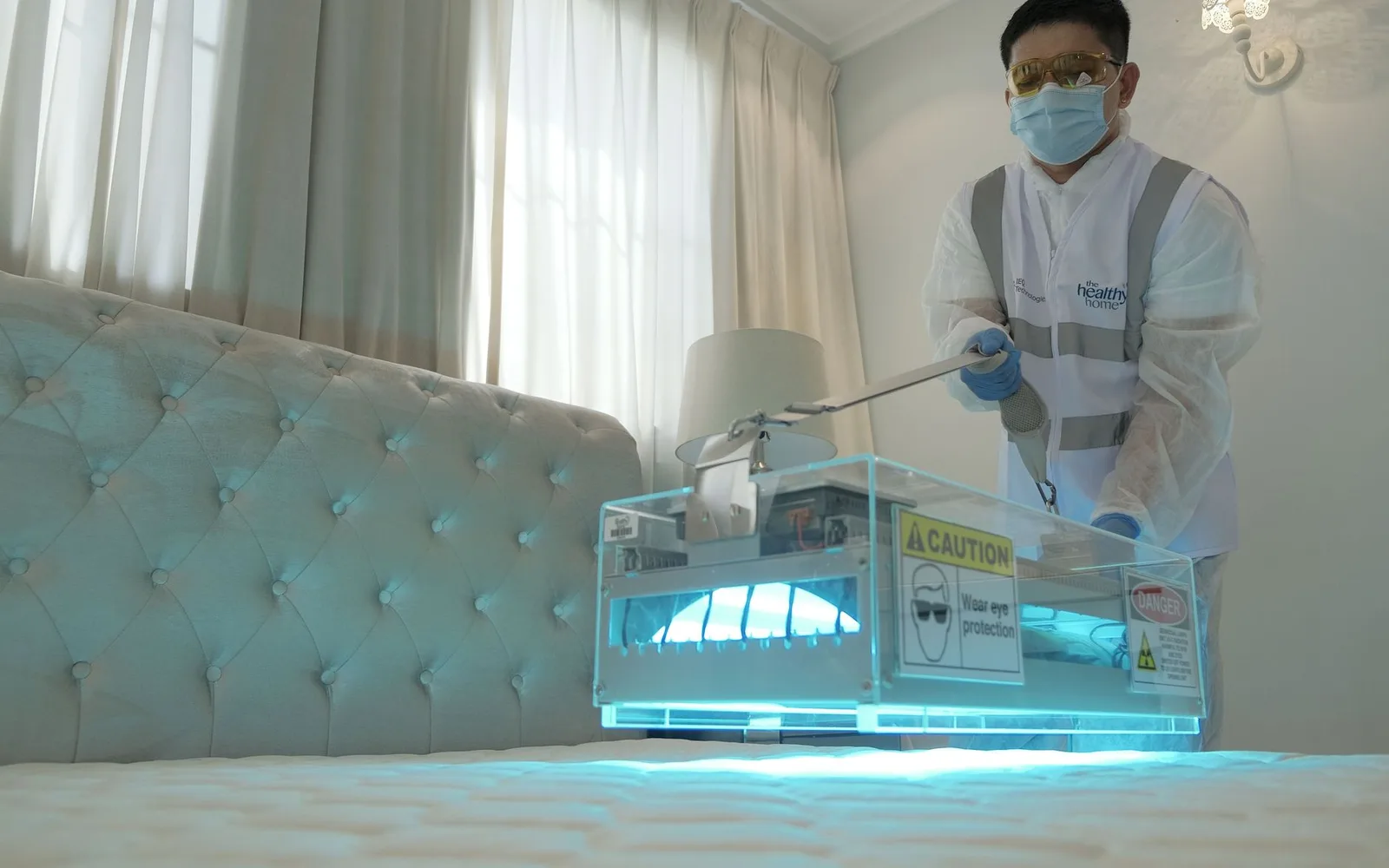
Hotel pest control and serviced apartments
We inspect room by room and start at the bed: the mattress and base seams, and the void behind the headboard. Treatment goes to those points and to the back of house areas outside occupied hours, then we return on a visit timed to the hatch before a room goes back into service.
-
Targeted, not broadcast
Product goes into cracks and runways, never sprayed across open surfaces.
-
Told before we start
What we will use, where it goes, and what to cover or move before we arrive.
-
A follow-up visit
We return after the first treatment, because what survives it does not show on the day.
-
Homes and businesses
Apartments and villas, and kitchens and stores that need a record of each visit.
Why treating the one room fails
Three reasons, and all of them surface when the complaint comes back to the same room number.
The complaint is one room. The infestation is not
Bed bugs move along voids and the corridor, and they travel on linen and on a housekeeping trolley. Treating one room while its neighbours and the room above are left alone puts the complaint back on the same floor.
The eggs are cemented into the seam
The eggs are glued inside seams and fixing holes, where a surface application does not reach. The room reads clear for a fortnight, then a new generation meets a new guest.
The room went back on a spray, not an inspection
Releasing a room is an inspection decision, not a calendar one. If the bed is not opened a second time and the monitors are not read, the first record anyone holds is the guest review.
What we check in the room, and behind it
What we walk on the first pass down a floor, and why each item changes the size of the treatment and how many rooms enter it.
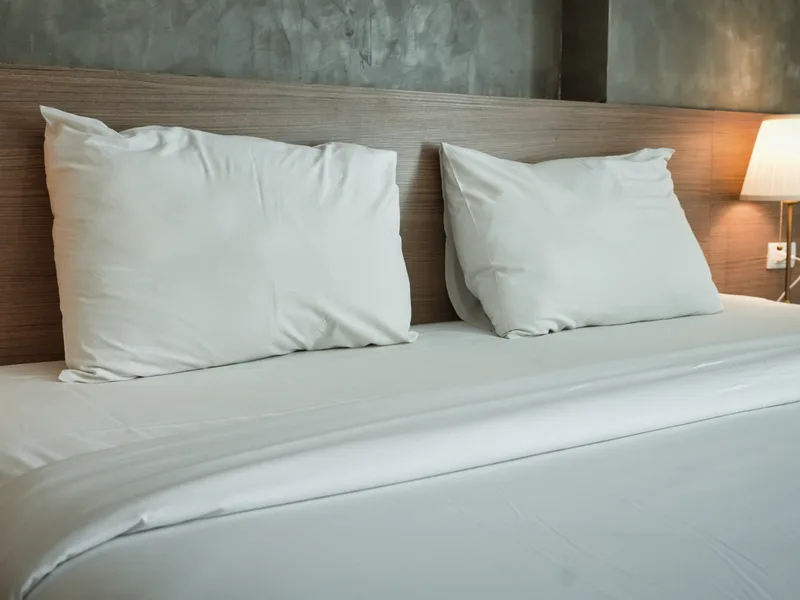
Mattress and base seams
Bed bugs sit in the seam, the piping and the fold of the base rather than out in the room, and finding them there means vacuuming and treating the seams and encasing the mattress instead of spraying a floor.
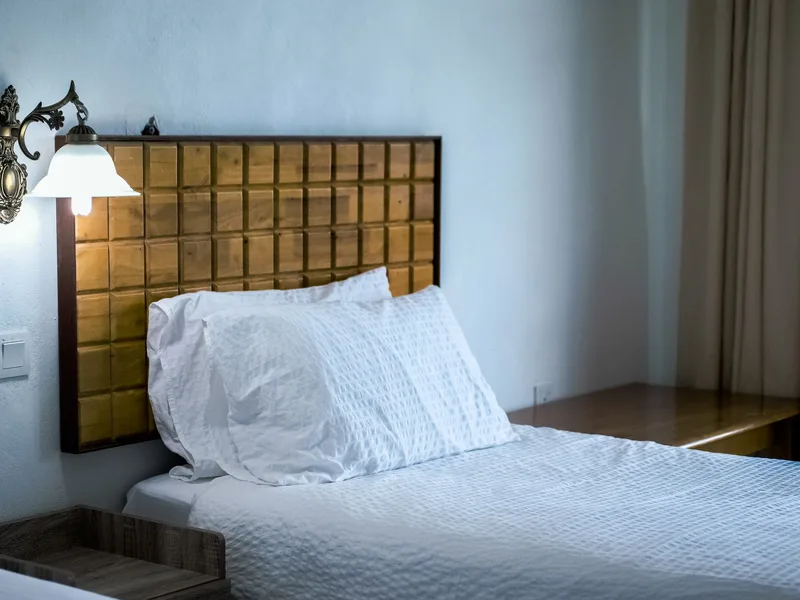
The headboard
The fixing holes and the gap between the board and the wall are the most commonly missed point in a room, and whether that board has to come off the wall is what sets the length of the visit.
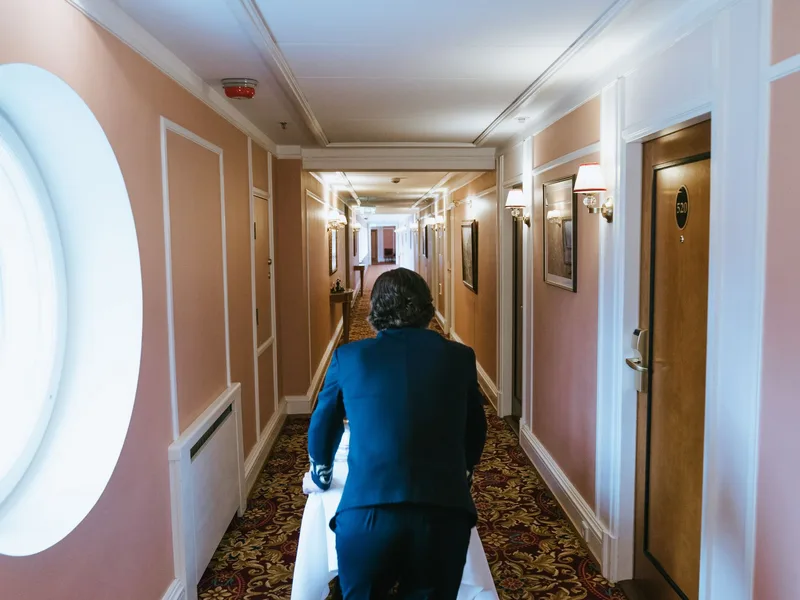
The rooms either side
Voids and pipe runs tie a room to the ones beside, above and below it, so those rooms enter the inspection on the same visit rather than a later one.
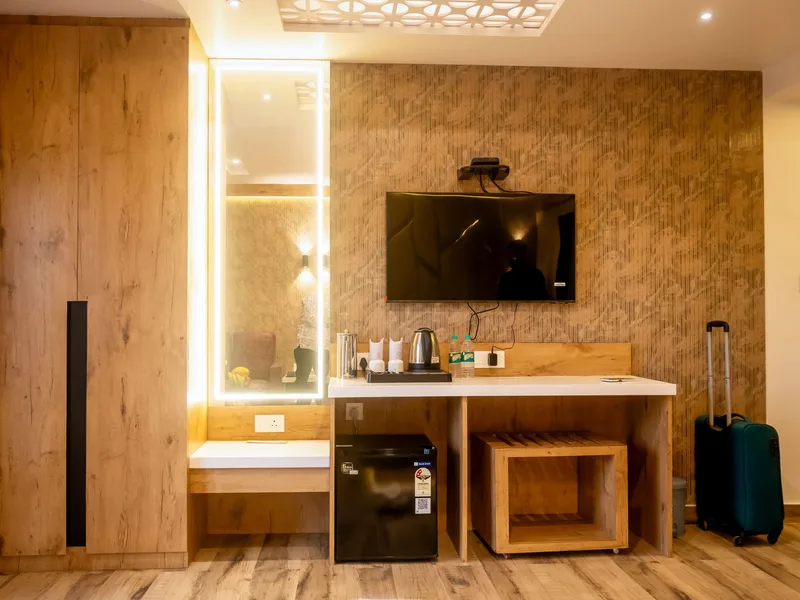
The luggage stand and wardrobe
The way in is a guest suitcase rather than anything about the room, so the luggage stand and the wardrobe joints are the first things we open on a bite complaint.
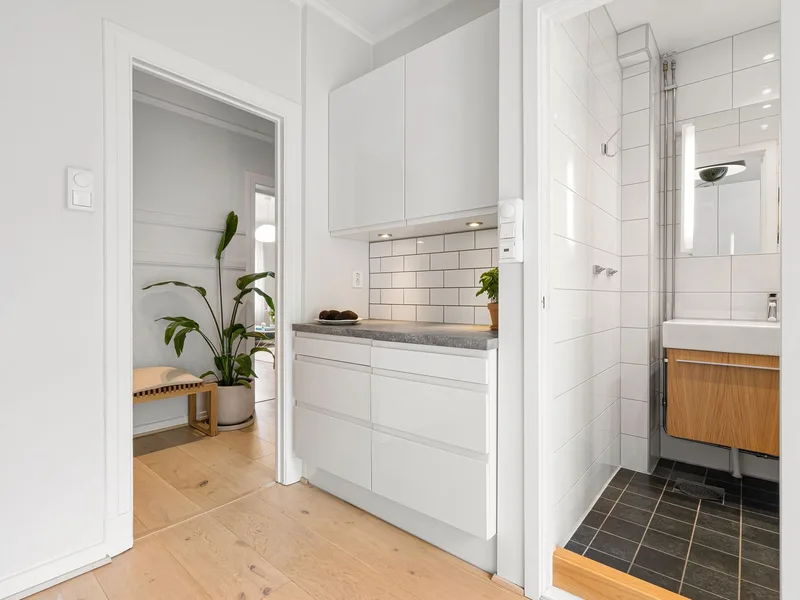
The kitchenette in a unit
Every unit carries its own kitchen and its own drain, and one vertical stack links it to the units above and below, so the stack is treated rather than a single flat.
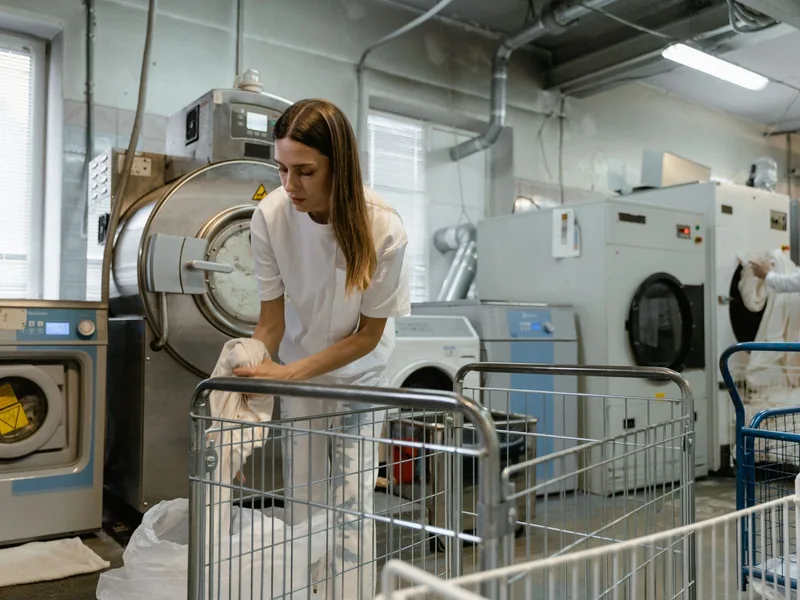
Laundry and the waste room
Constant moisture in the laundry, linen left standing and the waste room are what keep the larger species and the small flies going, and treating the floors without that area does not hold.
How the visit runs
Four steps. It starts with a walk down the floor and does not end at the treatment.
-
1
Walk the floor, room by room
We start from what the staff reported, open the beds, lift the headboards and check the rooms either side and the ones above and below, then mark each room as affected, adjacent or clear.
-
2
Treatment outside occupied hours
Seams are vacuumed first, then steam or a targeted application goes onto the seams and joints, dust into the frame voids and behind the skirting, and gel bait through the kitchens and service areas. Nothing is broadcast over soft furnishings.
-
3
Sealing, and the operating routine
We close the skirting gap, the pipe penetration and the gap under the service corridor door, then agree with the staff that linen is bagged inside the room itself, and what gets reported the moment it is seen.
-
4
Follow-up, and putting the room back
We come back once the remaining eggs have hatched, read the monitors and open the bed a second time. A room returns to service on the result of that inspection, and the room number and both dates go into the log.
What the hotel and apartment programme includes
-

A recorded room by room inspection
Beds opened, headboards lifted, neighbouring rooms checked, and the state of every room number recorded before anything is applied.
-

Treatment of the beds and seams
Vacuuming, then a targeted application on mattress and base seams, frame joints and behind the skirting, never across the open surfaces of the room.
-

Bait and points in the service areas
Gel bait and numbered monitoring positions through the kitchen, the stores and the service corridors, read and logged on every visit.
-

Drains, laundry and waste
Floor gullies, the grease trap, the laundry and the ground around the containers, because that is the source that renews itself daily.
-

Room release and staff guidance
What is covered and cleared before we go in, the ventilation time we set for each case, and what the staff look for when they strip a bed.
-

A timed follow-up and a room log
A second visit timed to the hatch, monitors read, and a record carrying the room number, the date of each visit and what was found.
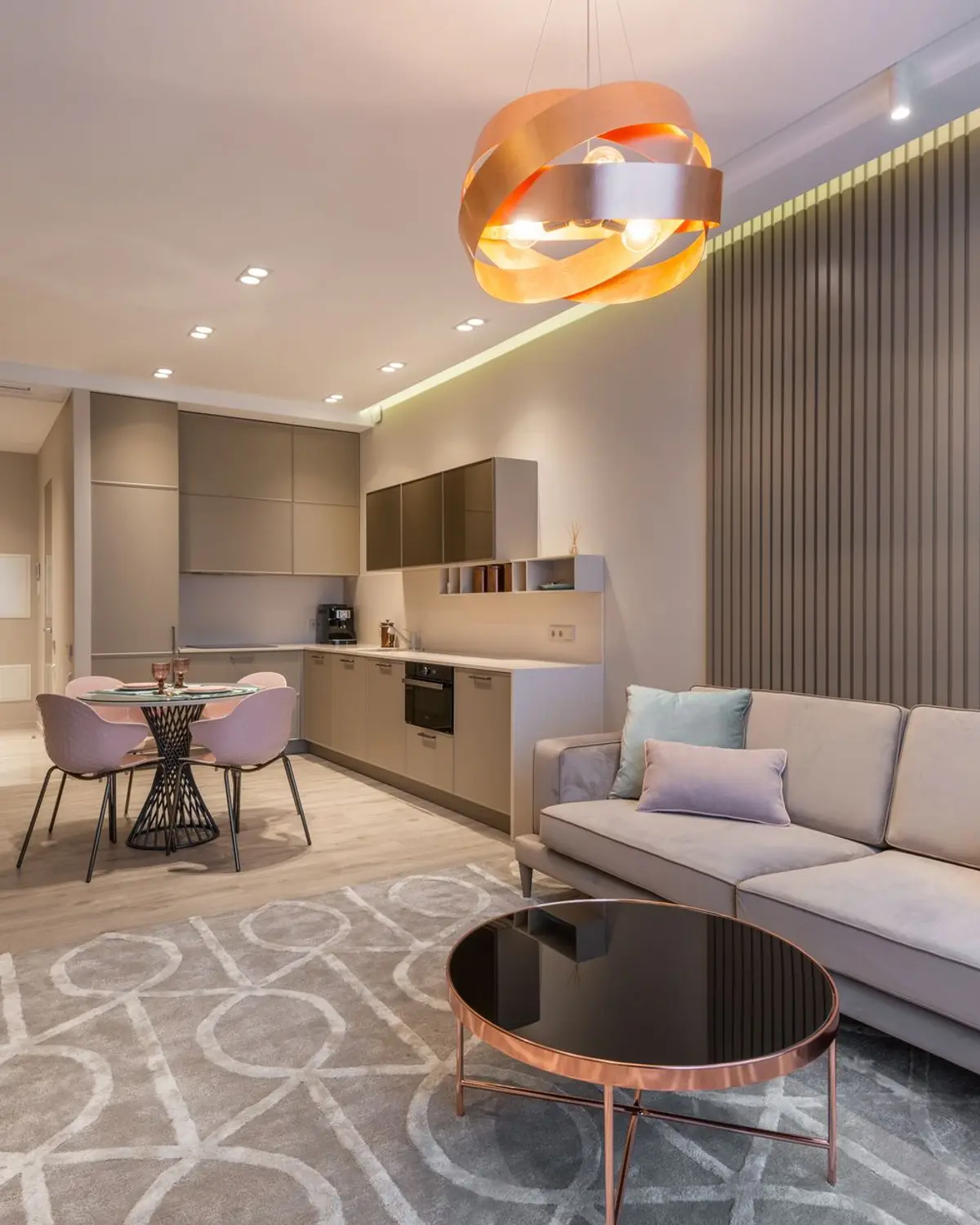
Exactly where the product goes
-
1
Inside joints, not on surfaces
Bait goes into a cabinet joint or a gap behind an appliance, in dots the size of a match head, in places no hand reaches and nothing touches in ordinary use.
-
2
Away from where food is
Nothing is sprayed on preparation surfaces, inside food cupboards, or across open floor in living rooms and bedrooms.
-
3
A little preparation first
Cover dishes, move water bowls. We give you the ventilation time for your treatment on the call, rather than a general number printed on a page.
-
4
Tell us the exceptions
Asthma, an allergy or a pregnancy in the home changes the product choice and the order of the visit. It is a change we make often and it does not delay the appointment.
Our work
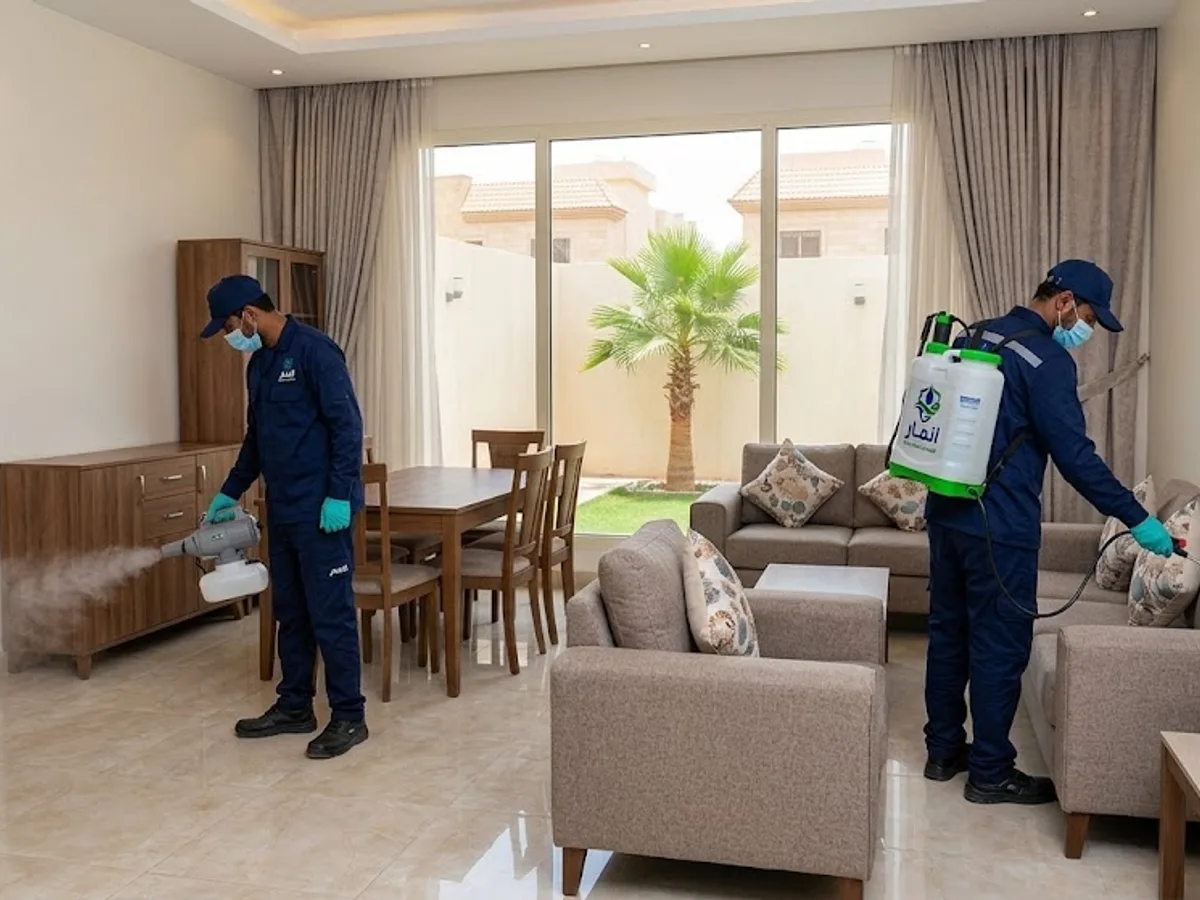
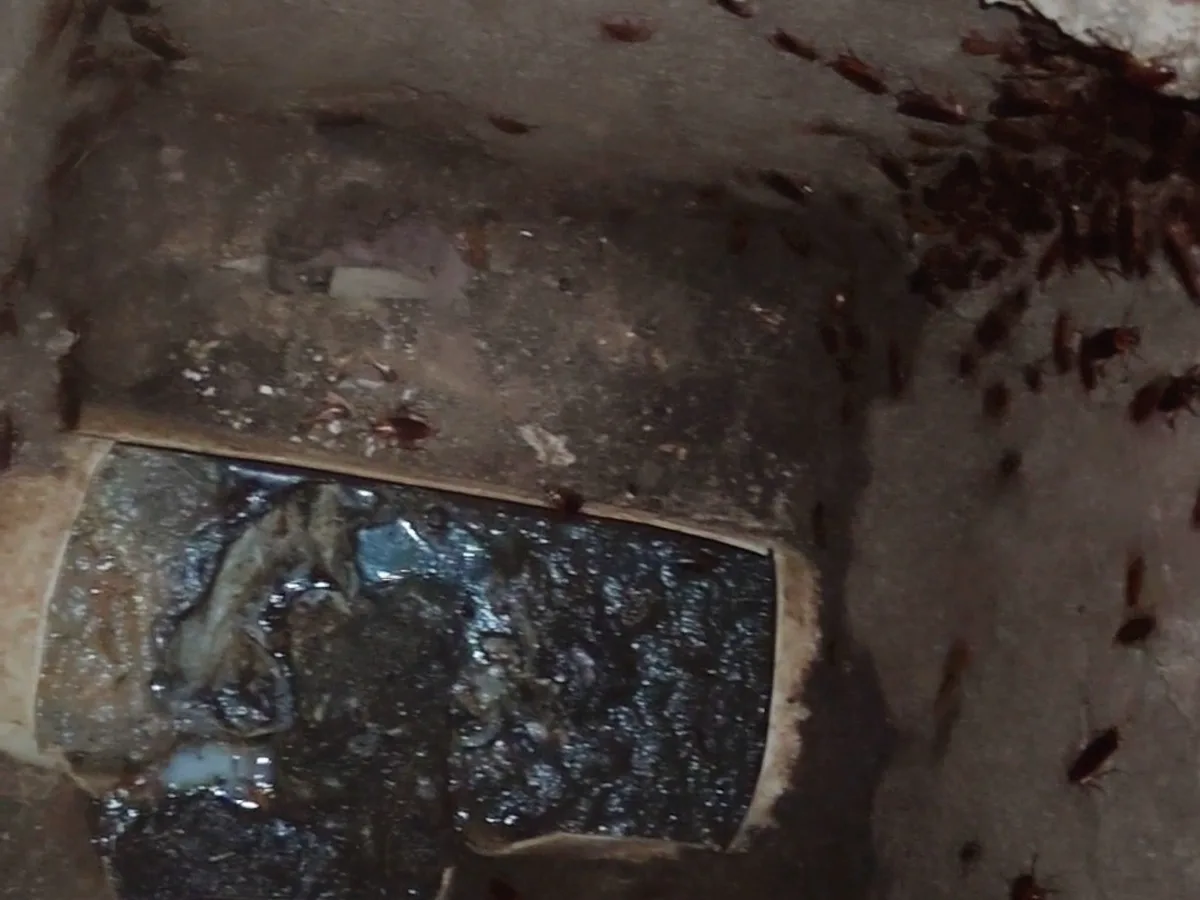
What customers say on Google
We had a cockroach problem, and after the treatment, praise God, the cockroaches have largely gone. Their work is tidy and they are respectful to deal with. I recommend them.
Translated from the Arabic original.
Excellent and courteous service, and the bed bugs were cleared from the house completely. I recommend them, God willing.
Translated from the Arabic original.
Excellent to deal with, very good service, and they explain. The staff explain how each product is used, completely honestly.
Translated from the Arabic original.
We cover Jeddah and Makkah
Every district has its own page for this service. Tap yours.
Common questions
Can the work happen without guests noticing?
Yes, and in a hotel that is the normal arrangement. We come in through the service entrance at the hour you set, work in the rooms you have taken off the board and in the back of house once the kitchen closes, and we put no notice on any door. Before the visit we agree the list of room numbers, who opens them for us, and who receives the report.
How long does a room stay off the board?
It depends on the treatment and on whether the headboard comes off and the mattress is encased. We do not print a number of hours here, because the ventilation time changes with the product and the size of the room, and we give it to you on the call before we start. A room returns to the board on the result of the inspection rather than on a clock. What the room needs prepared before we arrive is set out in pest control in restaurants.
Why has the complaint come back to the same room?
Three recurring reasons. Eggs cemented into seams and fixing holes are not reached by a surface application, so a new generation hatches two to three weeks later if no second visit was timed for it. Or the rooms beside, above and below never entered the inspection, and the population simply kept moving along the void and the corridor. Or it is a fresh introduction in a new guest's luggage, which the log shows, because its date does not follow the previous visit.
Do bed bugs mean the housekeeping is failing?
No. The vector is a suitcase, not the standard of the housekeeping. They arrive in the luggage of a guest coming from somewhere else and settle into a seam before anyone sees them, and the best kept room takes them in like any other. What reduces incidents most is staff knowing what to look for when they strip a bed and reporting it straight away, and that is part of the visit. The treatment itself is set out in Bed bug control.
What about the kitchen, the laundry and the service areas?
That is half the job. The larger cockroach species climb from floor gullies and shafts, the small flies breed in the grease trap, and rodents come in at the gap by the delivery door. We fix numbered monitoring positions on a set route and read them every visit. A restaurant inside the hotel has a tighter arrangement in Restaurants and cafes, and closing rodent entry points is covered in Rodents and mice.
Can the tanks and the disinfection sit on the same schedule?
Yes, and it is usually the better arrangement, so that visits and files do not multiply. Water tanks go through Water tank cleaning with Water tank sterilization immediately after, shared areas can carry Disinfection, and Annual contracts holds the whole schedule with a date and a report against each item.
What does a hotel or apartment programme cost?
It is set after the survey, because the figure follows how many rooms and floors there are, the size of the back of house across kitchen, laundry and waste, what the inspection finds in affected and adjacent rooms, how often we come, and whether the work happens at night. We walk the floors first, then a written proposal covering the scope and the schedule reaches you before anything is committed.
Other services
Scroll to see the rest of what we do.
-
 Residential
Cockroach control
Residential
Cockroach control
-
 Residential
Bed bug control
Residential
Bed bug control
-
 Residential
Termite control
Residential
Termite control
-
 Residential
Rodents and mice
Residential
Rodents and mice
-
 Residential
Mosquito control
Residential
Mosquito control
-
 Residential
Fly control
Residential
Fly control
-
 Residential
Ant control
Residential
Ant control
-
 Residential
Gecko control
Residential
Gecko control
-
 Residential
Scorpion control
Residential
Scorpion control
-
 Residential
Snake control
Residential
Snake control
-
 Residential
Flea control
Residential
Flea control
-
 Residential
Bird and pigeon control
Residential
Bird and pigeon control
-
 Residential
Preventive treatment
Residential
Preventive treatment
-
 Residential
Disinfection
Residential
Disinfection
-
 Commercial
Annual contracts
Commercial
Annual contracts
-
 Commercial
Restaurants and cafes
Commercial
Restaurants and cafes
-
 Commercial
Warehouses and factories
Commercial
Warehouses and factories
-
 Commercial
Schools and nurseries
Commercial
Schools and nurseries
-
 Commercial
Retail and malls
Commercial
Retail and malls
-
 Commercial
Rest houses and farms
Commercial
Rest houses and farms
-
 Commercial
Fumigation
Commercial
Fumigation
-
 Water tanks
Water tank cleaning
Water tanks
Water tank cleaning
-
 Water tanks
Water tank sterilization
Water tanks
Water tank sterilization
-
 Water tanks
Water tank sealing
Water tanks
Water tank sealing
-
 Water tanks
Tank leak repair
Water tanks
Tank leak repair
Need pest control for hotels and furnished apartments? Describe what you saw and we will tell you what it needs
A short call is enough. We tell you what we can see and the full cost before we start, and you decide after that.