
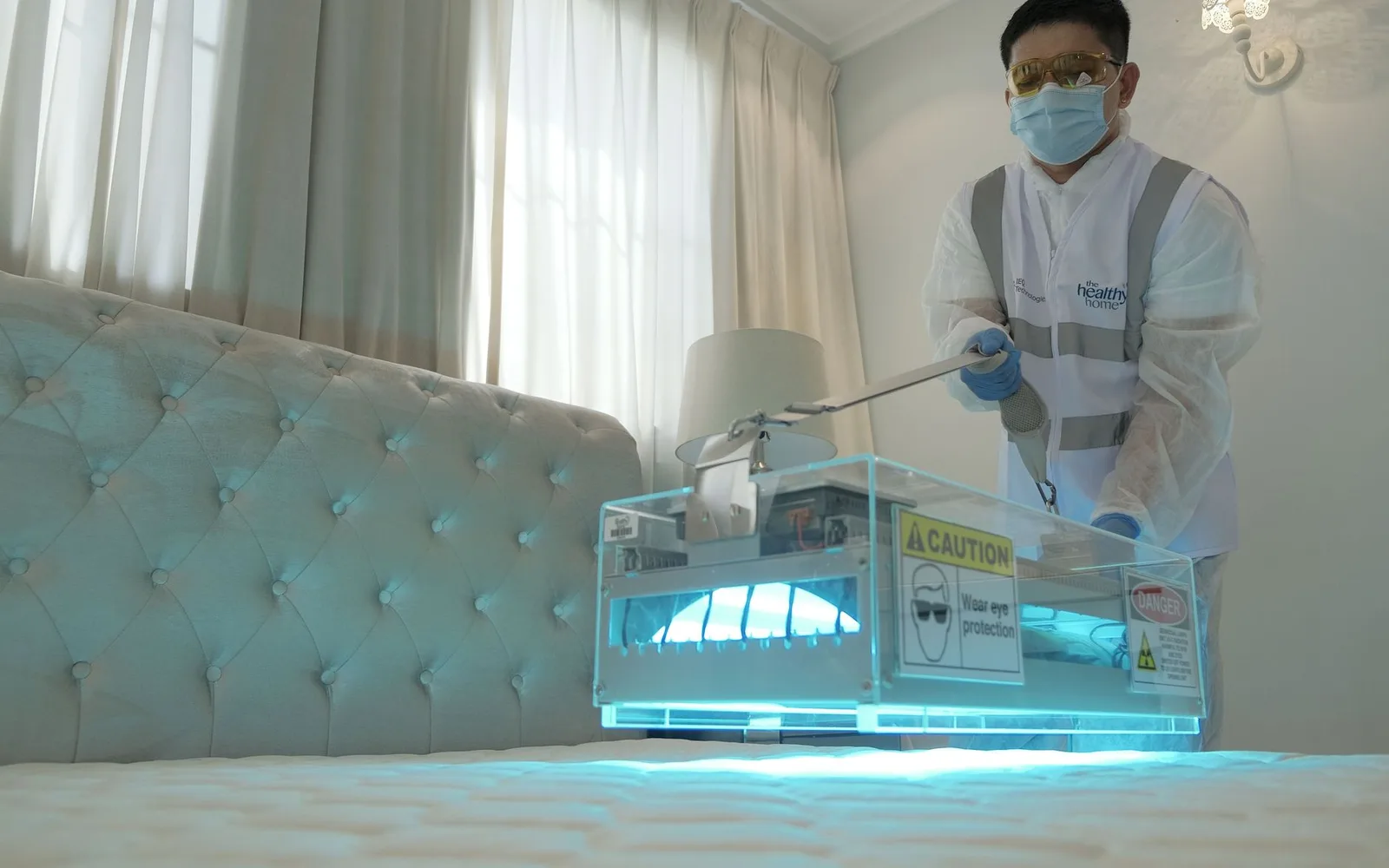
Hotels and apartments in Al Shati Jeddah
Al Shati is a coastal district facing the Red Sea with dense hotels and furnished apartments, where high humidity and salt laden air accelerate insect life cycles. Work here requires closer monitoring because moisture speeds egg hatch and growth rates above those in inland districts.
-
Targeted, not broadcast
Product goes into cracks and runways, never sprayed across open surfaces.
-
Told before we start
What we will use, where it goes, and what to cover or move before we arrive.
-
A follow-up visit
We return after the first treatment, because what survives it does not show on the day.
-
Homes and businesses
Apartments and villas, and kitchens and stores that need a record of each visit.
Why they keep coming back in Al Shati
Apartments overlooking the water and hotels near the corniche see higher insect pressure in summer months because doors stay open longer and the thermal gradient pulls insects upward through the building. The method is set out in full on our Hotels and apartments service.
High humidity compresses the hatch cycle
Salt air and persistent moisture accelerate egg development and shorten the interval between generations, so the first visit and the hatch check must come sooner here than in inland districts. A standard programme built for a dry region will miss the peak.
Salt residue weakens treatment adhesion
Salt spray deposits on walls and surfaces reduce the grip of spray treatments, which means repeat inspections must come at closer intervals and application points must be chosen with more precision to account for the film.
Open frontage draws insects from the waterfront
Doors and windows onto the corniche allow insects and mosquitoes to enter from outside, so apartments close to the shore need extra protection around entry points and may benefit from a secondary perimeter application.
Al Shati on the map
Al Shati sits about 2.5 km from Al Nahdah and about 4.5 km from Al Naeem.
Open in Google MapsWhat we check in the room, and behind it
The seafront location on Jeddah Corniche keeps relative humidity high year round, which speeds up pest settlement in furnished units and raises mosquito breeding pressure compared to inland areas.

Mattress and base seams
High humidity makes mattress seams and folds an ideal breeding zone: moisture accelerates egg maturation and creates the warm damp microclimate where eggs develop fastest, so these seams are inspected more intensively than in drier districts.

The headboard
The headboard in coastal units sits against wall damp from external salt spray and internal humidity, and the void behind it collects moisture, creating a stable environment for eggs and settled insects.
The rooms either side
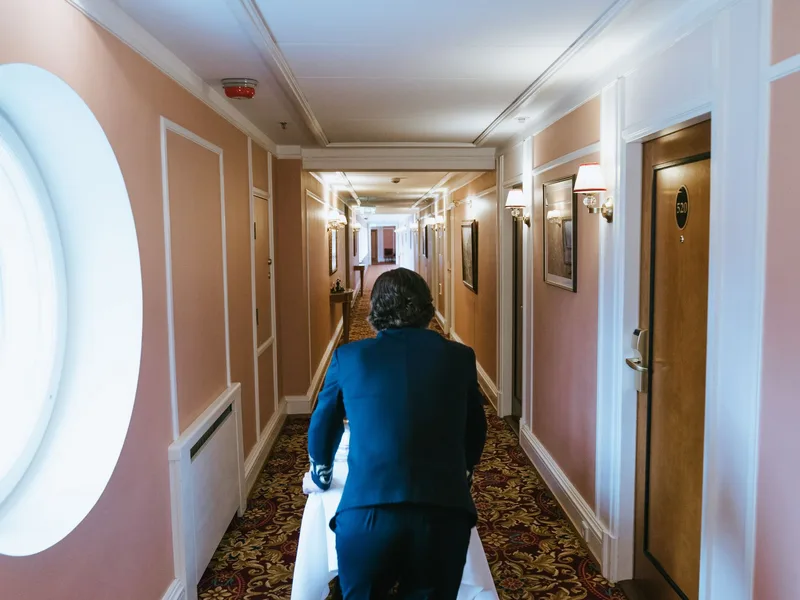
Adjoining rooms in hotel buildings connect via shared corridors and HVAC returns, and insects migrate easily between units on air currents, so perimeter treatments between rooms are checked at closer intervals here.
The luggage stand and wardrobe
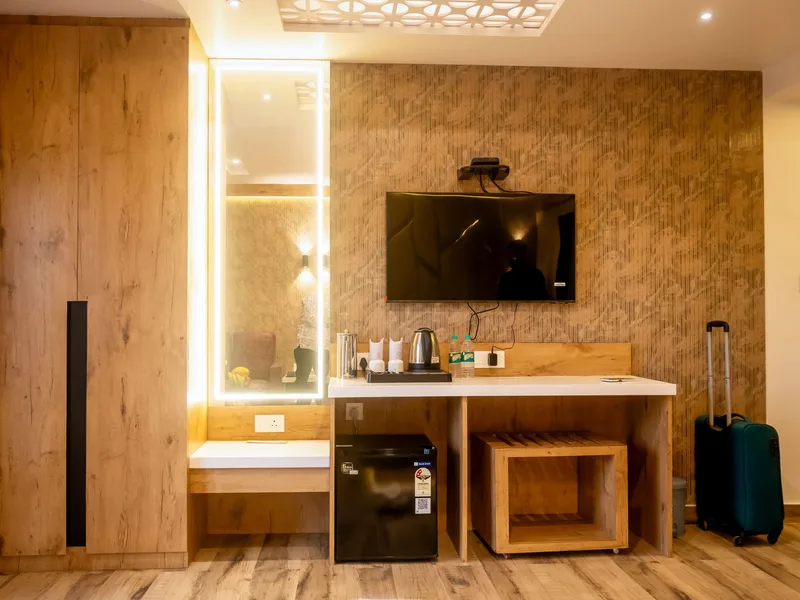
The luggage stand and wardrobe in holiday apartments carry guest cases from different regions, and insects often arrive in luggage seams or case linings from source regions outside Jeddah.
The kitchenette in a unit
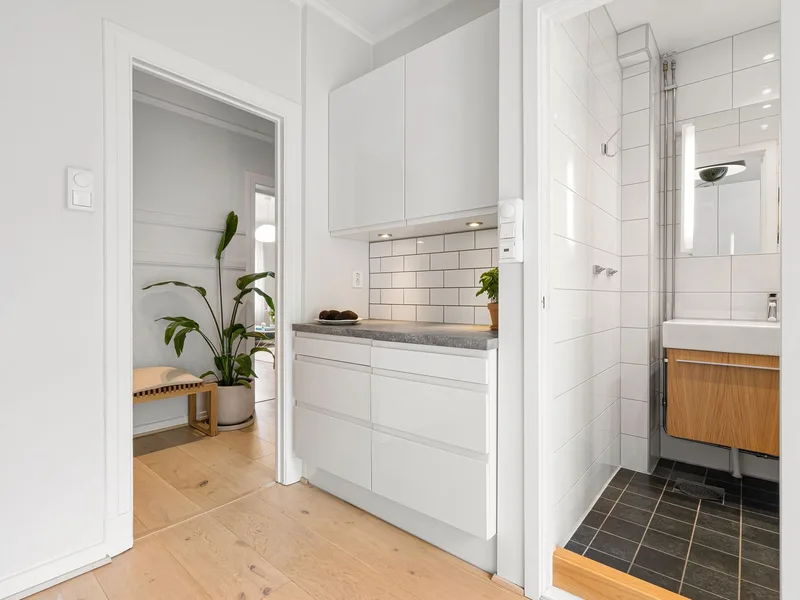
The kitchenette collects food debris and salt damp simultaneously, and the salt air accelerates mould growth on stored foods, which attracts roaches to every unit more predictably than in drier climates.

Laundry and the waste room
The laundry and waste room sit central to most hotel blocks and accumulate moisture and organic matter, drawing insects to the heart of the building where they distribute via service corridors to every occupied floor.
How we work
-
1
Walk the floor, room by room
We start from what the staff reported, open the beds, lift the headboards and check the rooms either side and the ones above and below, then mark each room as affected, adjacent or clear.
-
2
Treatment outside occupied hours
Seams are vacuumed first, then steam or a targeted application goes onto the seams and joints, dust into the frame voids and behind the skirting, and gel bait through the kitchens and service areas. Nothing is broadcast over soft furnishings.
-
3
Sealing, and the operating routine
We close the skirting gap, the pipe penetration and the gap under the service corridor door, then agree with the staff that linen is bagged inside the room itself, and what gets reported the moment it is seen.
-
4
Follow-up, and putting the room back
We come back once the remaining eggs have hatched, read the monitors and open the bed a second time. A room returns to service on the result of that inspection, and the room number and both dates go into the log.
What the hotel and apartment programme includes
-

A recorded room by room inspection
Beds opened, headboards lifted, neighbouring rooms checked, and the state of every room number recorded before anything is applied.
-

Treatment of the beds and seams
Vacuuming, then a targeted application on mattress and base seams, frame joints and behind the skirting, never across the open surfaces of the room.
-

Bait and points in the service areas
Gel bait and numbered monitoring positions through the kitchen, the stores and the service corridors, read and logged on every visit.
-

Drains, laundry and waste
Floor gullies, the grease trap, the laundry and the ground around the containers, because that is the source that renews itself daily.
-

Room release and staff guidance
What is covered and cleared before we go in, the ventilation time we set for each case, and what the staff look for when they strip a bed.
-

A timed follow-up and a room log
A second visit timed to the hatch, monitors read, and a record carrying the room number, the date of each visit and what was found.
The character of Al Shati
Coastal area: high humidity and salt air through the year
Coastal means persistent humidity and airborne salt, which compresses insect life cycles and reduces treatment persistence, so the programme tightens: earlier return visits, higher concentrations, and closer monitoring of entry points and salt affected surfaces.
Questions about this district
Why do pests develop faster in coastal apartments than inland?
High humidity and salt laden air compress development times: egg to hatch shortens by a week or more compared to inland districts, which means the first inspection window closes faster and the programme must tighten accordingly.
Does salt spray actually reduce how well treatment sticks?
Yes. Salt residue forms a film on surfaces that weakens spray adhesion and reduces residual effect. We use formulations and concentrations rated for coastal salt exposure and higher application rates to compensate.
How much sooner does the hatch check need to happen here?
Coastal apartments often require the return visit one to two weeks sooner than the standard interval, depending on humidity levels and whether the unit faces the sea directly or is shaded and set back.
Are furnished hotel units treated differently from beachfront villas?
Yes. Hotels have faster tenant turnover and more furniture movement, so treatment focuses more heavily on entry points, textiles and the luggage stand, where outside material arrives constantly.
Do sea breezes carry insects from ships and the open water?
Some coastal insects and mosquitoes do travel on the breeze, so we pay particular attention to window sills, air conditioning vents and the weather seals around frames facing the water.
Is the programme different for a seafront hotel versus a furnished residential tower?
Hotels typically have higher-frequency guest turnover and more point-to-point movement between rooms, so the schedule is tighter. Residential towers may have stable occupants but identical humidity issues.
How much does hotels and apartments in Al Shati cost?
It is set after the inspection, because the price follows the type of infestation, the size of the space, how far it has spread and the number of visits it needs. Send a photo and a description on WhatsApp and we will give you an estimate before we reach Al Shati.
Nearby districts we cover
Other services in Al Shati
Other services we provide to residents of Al Shati.
-
 Residential
Cockroach control
Residential
Cockroach control
-
 Residential
Bed bug control
Residential
Bed bug control
-
 Residential
Termite control
Residential
Termite control
-
 Residential
Rodents and mice
Residential
Rodents and mice
-
 Residential
Mosquito control
Residential
Mosquito control
-
 Residential
Fly control
Residential
Fly control
-
 Residential
Ant control
Residential
Ant control
-
 Residential
Gecko control
Residential
Gecko control
-
 Residential
Scorpion control
Residential
Scorpion control
-
 Residential
Snake control
Residential
Snake control
-
 Residential
Flea control
Residential
Flea control
-
 Residential
Bird and pigeon control
Residential
Bird and pigeon control
-
 Residential
Preventive treatment
Residential
Preventive treatment
-
 Residential
Disinfection
Residential
Disinfection
-
 Commercial
Annual contracts
Commercial
Annual contracts
-
 Commercial
Restaurants and cafes
Commercial
Restaurants and cafes
-
 Commercial
Warehouses and factories
Commercial
Warehouses and factories
-
 Commercial
Schools and nurseries
Commercial
Schools and nurseries
-
 Commercial
Retail and malls
Commercial
Retail and malls
-
 Commercial
Rest houses and farms
Commercial
Rest houses and farms
-
 Commercial
Fumigation
Commercial
Fumigation
-
 Water tanks
Water tank cleaning
Water tanks
Water tank cleaning
-
 Water tanks
Water tank sterilization
Water tanks
Water tank sterilization
-
 Water tanks
Water tank sealing
Water tanks
Water tank sealing
-
 Water tanks
Tank leak repair
Water tanks
Tank leak repair
Need hotels and apartments in Al Shati? Tell us what you saw and we will tell you what it needs
We reach Al Shati at a time we agree, and you get the full cost before we start.