
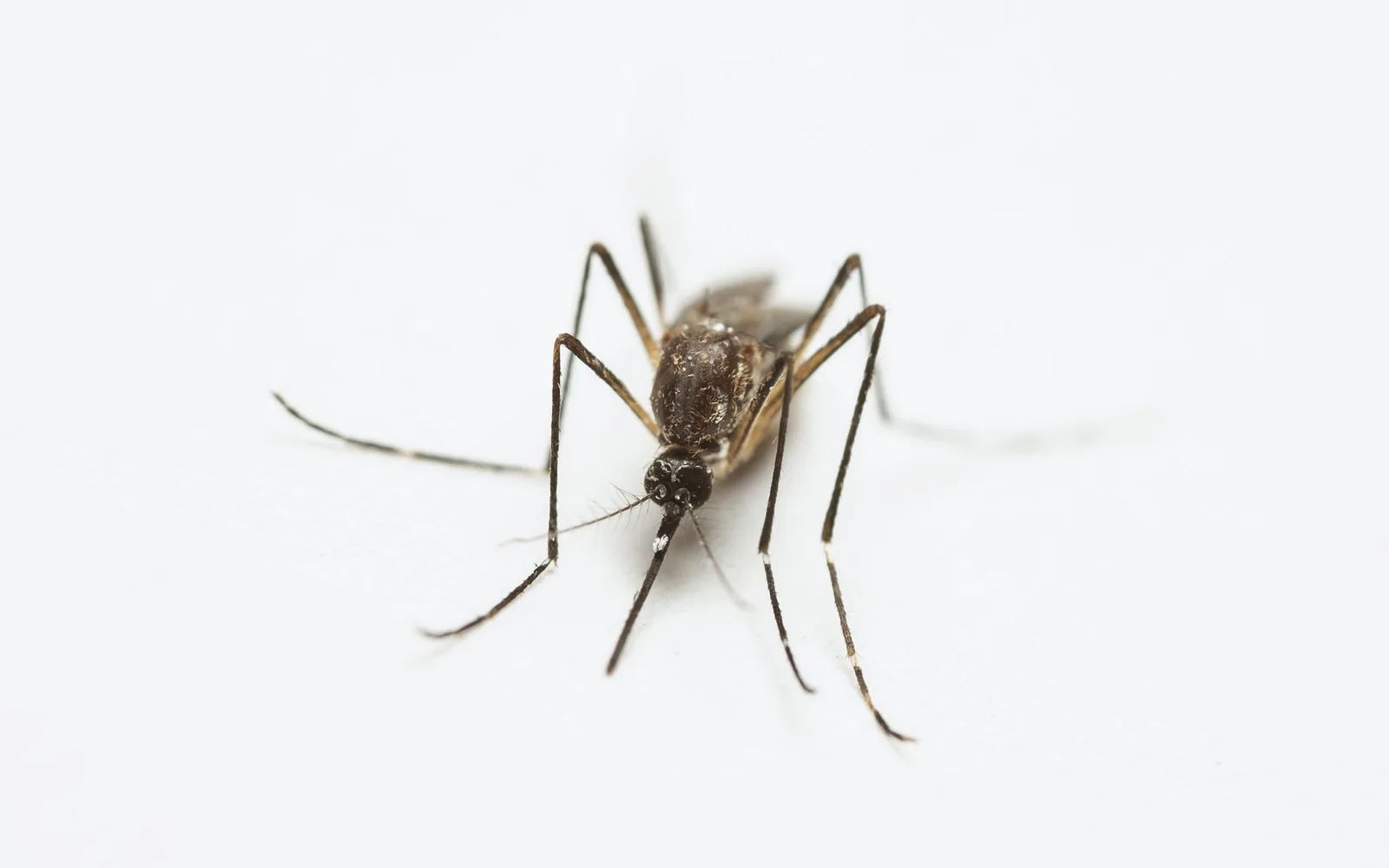
Mosquito control in Al Naseem Makkah
Al Naseem is a planned district south east of the city on the Fourth Ring Road and Fatimah Al Zahra Street, sitting between Al Awali and Al Jamiah, with villas and apartment buildings on an orderly grid and hotels along King Faisal Road. It sits inside the larger Al Aziziyah sub municipality, where heavy seasonality and hotels and government housing schemes supply standing water on a massive scale, especially after rain when Wadi Uranah holds water and feeds breeding across the wider area.
-
Targeted, not broadcast
Product goes into cracks and runways, never sprayed across open surfaces.
-
Told before we start
What we will use, where it goes, and what to cover or move before we arrive.
-
A follow-up visit
We return after the first treatment, because what survives it does not show on the day.
-
Homes and businesses
Apartments and villas, and kitchens and stores that need a record of each visit.
Why they keep coming back in Al Naseem
The new government plan means wide streets with even drainage, but seasonal guests and hotels leave standing water in gardens and rest houses that persist for weeks after occupancy peaks. The method is set out in full on the full Mosquito control page.
Extreme seasonality from hotels and government housing schemes
Al Naseem lies in the heart of Al Aziziyah sub municipality, the gateway for pilgrims to Mina, and luxury hotels stand on King Faisal Road. Seasonality means hotels full of guests then empty rooms, and the shower water and restaurant waste left behind creates breeding grounds in gardens, pools and floors that mosquitoes exploit until the next occupancy rush.
Wide gardens and villas with constant daily irrigation
Villas and apartment buildings in Al Naseem have generous gardens and ground, and daily watering provides continuous dampness that mosquitoes thrive in. Hose taps, fountains and open pipes provide standing water easily, especially when maintenance is deferred and edges are left to pool.
Wadi Uranah to the south holding water after heavy rain
Wadi Uranah lies south of the district and holds water for weeks after heavy rain, providing an enormous mosquito source upwind of the area. When rain comes, it fills drainage channels, gullies and low ground around villas, intensifying the mosquito population for weeks.
Al Naseem on the map
Al Naseem sits about 2.5 km from Al Sanabel and about 3 km from Al Jamiah.
Open in Google MapsStanding water and shade decide the method
A planned residential district east of the city on the Fourth Ring Road and Fatimah Al Zahra Street, lying between Al Awali and Al Jamiah, with villas and apartments on a regular street grid, hotels on King Faisal Road, and Wadi Uranah to the south which holds water after heavy rain.
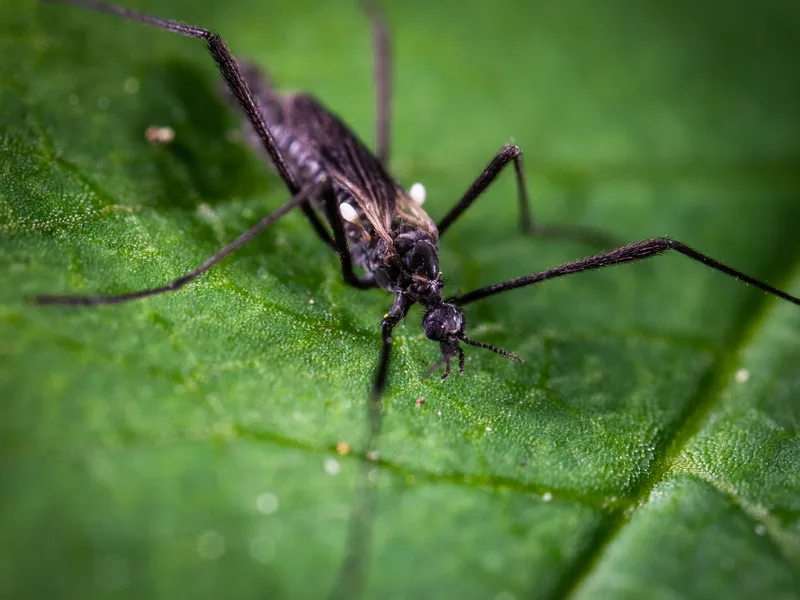
The daytime biter
The daytime biter in Al Naseem rests in the shade of thick trees and garden plants, where moisture from constant watering provides a cool safe environment away from afternoon sun and wind.
The one that comes out after sunset
At dusk and night the mosquitoes fly from gardens and the wadi to the south into open villas on garden facing floors and balconies, especially if outdoor air conditioning units drip onto patios and floors.
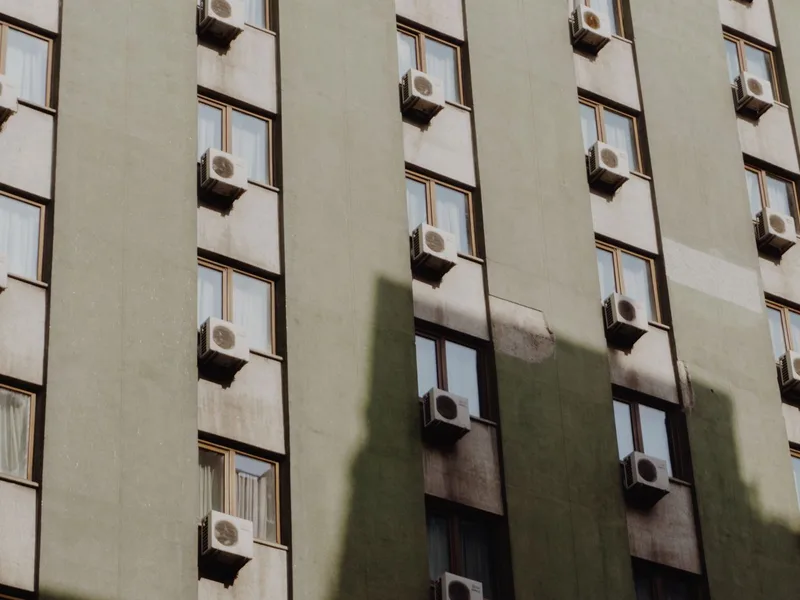
Air-conditioning condensate
Exterior air conditioning units drip onto floors and gardens daily, and the damp soil collects this water and provides a breeding environment next to irrigated plants and fountains.
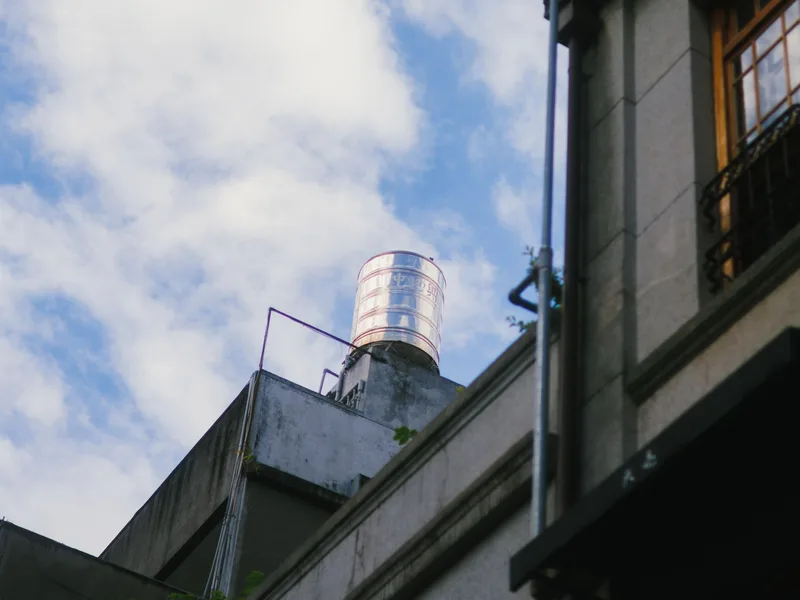
The tank and its openings
The water tank in a villa or apartment in this modern district is usually well maintained, but exterior pipes and low points in the garden provide pooling water from irrigation and seepage.

Garden containers and irrigation
Pots, fountains and planters in gardens collect rainwater and excess irrigation, and if they are not emptied daily they provide permanent breeding water, especially narrow pots that are hard to dry properly.
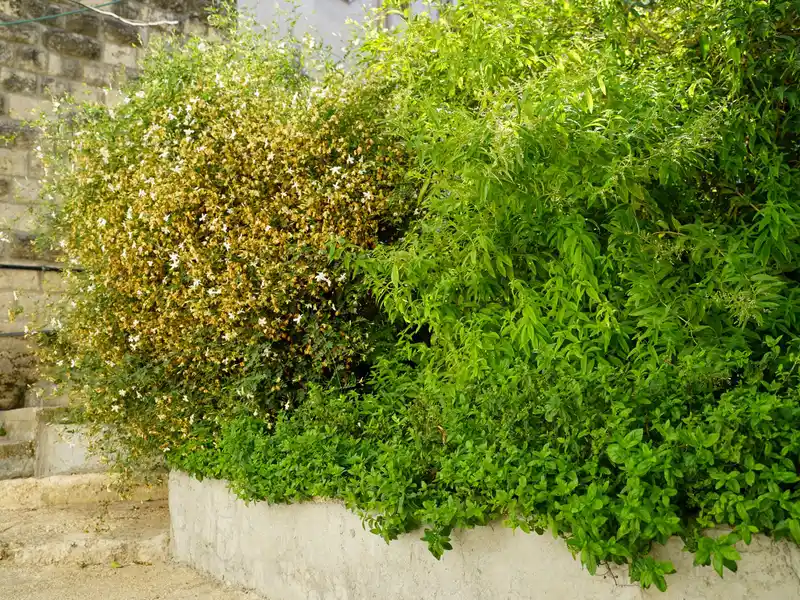
The shade it rests in
Shade from trees and covered patios and damp floors from daily irrigation provide permanent cool shelter for mosquitoes throughout the day, and dense gardens in villas create cool pockets even at midday.
How we work
-
1
Inspect and map the water
We walk the perimeter, the roof, the garden, the meter chambers and the condensate runs, record everything that holds water, and read the species from the breeding site and the time of biting.
-
2
Remove the water that can go
Empty, invert, cover: saucers, containers, old tyres and roof gullies. Every point that disappears is a treatment that never needs repeating.
-
3
Larval treatment, then the resting surfaces
Water that cannot be drained is treated so the larva never completes, then a residual goes under planting, beneath outdoor furniture and along low shaded walls.
-
4
The follow-up visit
We come back once the generation that was in the water on the first visit has completed, review every point we recorded and re-treat where needed.
What mosquito control includes
-

A recorded water survey
Roof, perimeter, garden, meter chambers and condensate lines, written down before anything is applied.
-

Draining and covering the sources
Emptying what can be emptied, draining what can be drained, and covering what has to stay full.
-

Larval treatment for the water that stays
For ground tanks, inspection chambers, water features and any permanent water that has to remain.
-

A residual on the resting places
Under trees and shrubs, beneath outdoor furniture and on shaded walls, where the adult sits out the day.
-

Aftercare instructions
What stays inverted, what gets covered, which openings need mesh, and when watering goes back to normal.
-

A scheduled follow-up
A set date after the first treatment, with every recorded water point reviewed and re-treated if the water came back.
What is different about Al Aziziyah (Makkah) Sub-Municipality
Al Aziziyah sub municipality runs from the Bin Dawood markets to the Al Hada road and carries pilgrim traffic to Mina. Hotel towers and furnished apartment blocks fill and empty with the Hajj and Ramadan seasons, and the kitchens, restaurants and markets along Al Masjid Al Haram Road and King Abdulaziz Road leave food waste at every peak. Southwards the fabric loosens into villas and planned streets in An Naseem and Al Awali, then Al Abidiyah's campus and the old farms of Al Husayniyah, where Wadi Uranah holds water after rain and farm enclosures shelter rodents and reptiles.
Questions about this district
Are the hotels on King Faisal Road nearby the main mosquito source feeding my villa?
Hotels are a major source but the district itself generates standing water from gardens, rest houses and daily irrigation. Mosquitoes move from hotels to nearby villas and apartments, but the quarter generates its own breeding sources continuously.
Does watering the garden and taps provide enough standing water for rapid mosquito breeding?
Yes absolutely. A villa or apartment garden needs daily watering in hot weather, and the damp soil, fountains and corners collect water that pools and dries slowly. This provides ideal breeding conditions.
If I treat my villa will that stop mosquitoes coming from nearby hotels and villas?
Treating your villa and garden protects it quickly, but mosquitoes from hotels and distant villas enter open buildings within hours. Protection from hotels needs wider treatment or waiting until the hotel has been treated.
Is Wadi Uranah holding water after rain the main source of mosquitoes here?
Yes. After heavy rain, Wadi Uranah holds water for weeks and produces enormous mosquito numbers. Flies travel from the wadi to the quarter on the rise beside it, especially at night and dawn.
Are wet floors and private pools in villas a major breeding source?
Yes. Pools, spas and daily-watered floors create pools of water on rotation. If a pool is not cleaned or chlorinated regularly it becomes a major mosquito source for the villa and neighbours alike.
Does a new government scheme need different treatment than older scattered neighbourhoods?
An orderly plan has better drainage than old dense quarters, but seasonality, hotels and many villas provide separate water sources. Better drainage helps but does not stop mosquitoes from gardens and constant irrigation.
How much does mosquito control in Al Naseem cost?
It is set after the inspection, because the price follows the type of infestation, the size of the space, how far it has spread and the number of visits it needs. Send a photo and a description on WhatsApp and we will give you an estimate before we reach Al Naseem.
Nearby districts we cover
Other services in Al Naseem
Other services we provide to residents of Al Naseem.
-
 Residential
Cockroach control
Residential
Cockroach control
-
 Residential
Bed bug control
Residential
Bed bug control
-
 Residential
Termite control
Residential
Termite control
-
 Residential
Rodents and mice
Residential
Rodents and mice
-
 Residential
Fly control
Residential
Fly control
-
 Residential
Ant control
Residential
Ant control
-
 Residential
Gecko control
Residential
Gecko control
-
 Residential
Scorpion control
Residential
Scorpion control
-
 Residential
Snake control
Residential
Snake control
-
 Residential
Flea control
Residential
Flea control
-
 Residential
Bird and pigeon control
Residential
Bird and pigeon control
-
 Residential
Preventive treatment
Residential
Preventive treatment
-
 Residential
Disinfection
Residential
Disinfection
-
 Commercial
Annual contracts
Commercial
Annual contracts
-
 Commercial
Restaurants and cafes
Commercial
Restaurants and cafes
-
 Commercial
Hotels and apartments
Commercial
Hotels and apartments
-
 Commercial
Warehouses and factories
Commercial
Warehouses and factories
-
 Commercial
Schools and nurseries
Commercial
Schools and nurseries
-
 Commercial
Retail and malls
Commercial
Retail and malls
-
 Commercial
Rest houses and farms
Commercial
Rest houses and farms
-
 Commercial
Fumigation
Commercial
Fumigation
-
 Water tanks
Water tank cleaning
Water tanks
Water tank cleaning
-
 Water tanks
Water tank sterilization
Water tanks
Water tank sterilization
-
 Water tanks
Water tank sealing
Water tanks
Water tank sealing
-
 Water tanks
Tank leak repair
Water tanks
Tank leak repair
Need mosquito control in Al Naseem? Tell us what you saw and we will tell you what it needs
We reach Al Naseem at a time we agree, and you get the full cost before we start.