
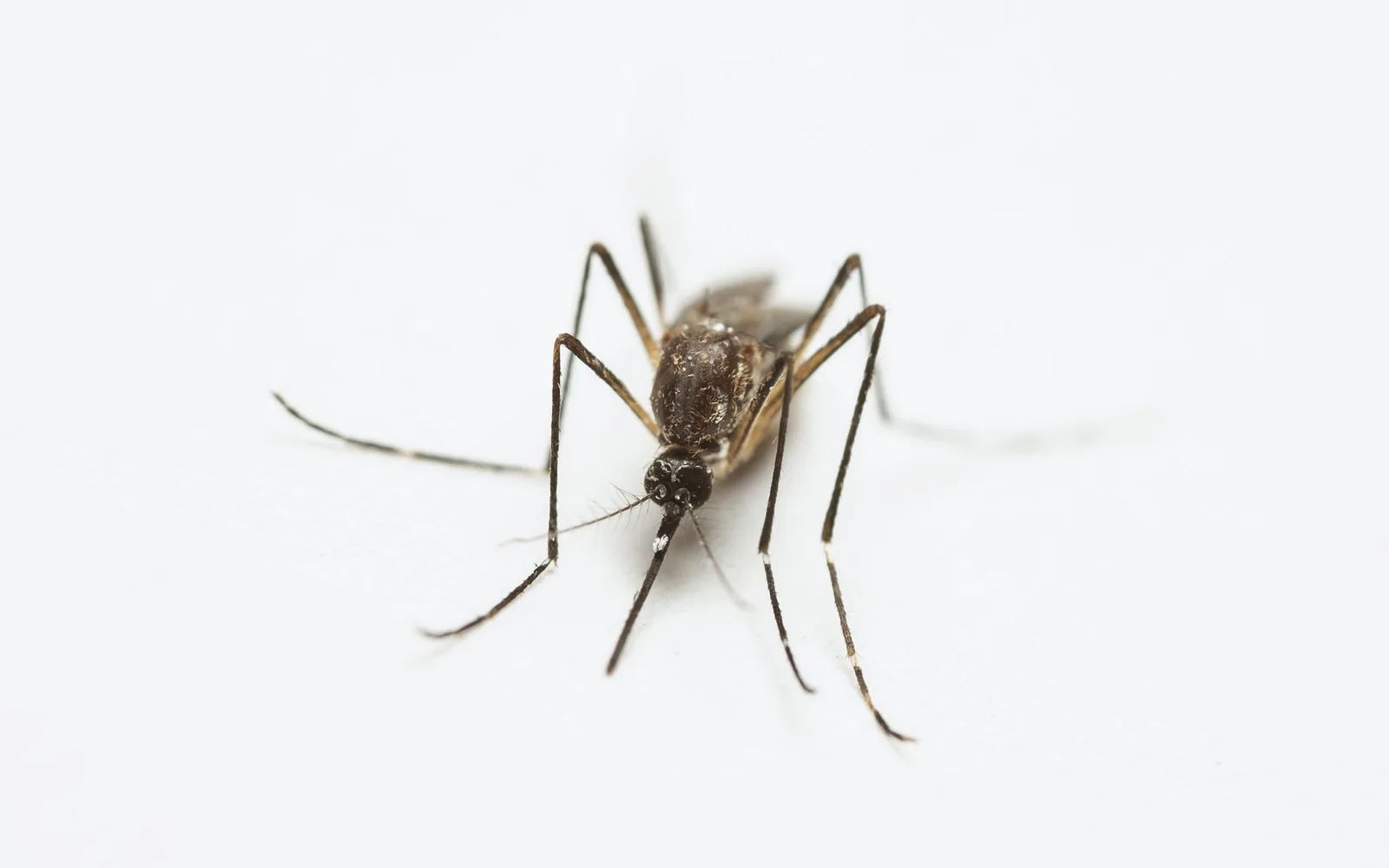
Mosquito control in Al Sahifah Jeddah
Al Sahifah is an old central district of tightly packed apartment buildings and multi-storey flats, where standing water collects in difficult places between buildings and mosquitoes move easily through shared entrances and the gaps between floors. The problem spreads across shared infrastructure, not within single units.
-
Targeted, not broadcast
Product goes into cracks and runways, never sprayed across open surfaces.
-
Told before we start
What we will use, where it goes, and what to cover or move before we arrive.
-
A follow-up visit
We return after the first treatment, because what survives it does not show on the day.
-
Homes and businesses
Apartments and villas, and kitchens and stores that need a record of each visit.
Why they keep coming back in Al Sahifah
In buildings this close, treating a single flat does not stop the mosquitoes; the shared voids, foundation gaps and drainage points that feed the whole complex keep the cycle going. The method is set out in full on our Mosquito control service.
Shared spaces and water that cannot be seen
In old apartment blocks, standing water pools under the foundations and in gaps between the building and ground, not only in visible containers. Treatment must reach these hidden breeding points that a single flat does not control. The foundation voids are often the real source.
Mosquitoes moving through shared entrances and common areas
Shared stairways, communal passages and the gaps between floors become highways for mosquitoes from flat to flat. Treating a single flat alone will not solve the problem; the insects come from the common spaces you do not own or control. Shared infrastructure is where they breed.
Multiple air conditioning units draining into low points
Each flat has one or more air conditioning units, and the condensed water pools in the low gaps between buildings. This water becomes a shared breeding point for the entire district, not just one family. The gaps beneath older buildings trap this moisture year-round.
The character of Al Sahifah
Apartment district: residential blocks, repeated floors and shared entrances
Flats in apartment blocks share entrances, voids and drainage systems, so treating a single unit is insufficient; the shared voids and foundations need separate treatment to cut off mosquito breeding from the source. The problem is not in the flats but in what they share.
Standing water and shade decide the method
The old buildings and stone foundations in Al Sahifah hold water continuously, especially in humid seasons, and shared drainage between flats complicates identifying where breeding actually starts. Gaps beneath the buildings trap water year-round.
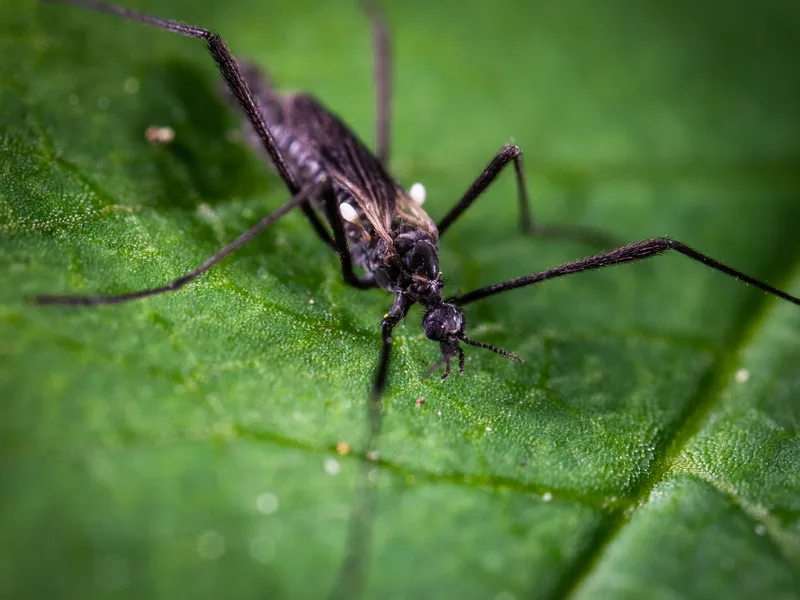
The daytime biter
The daytime mosquito in Al Sahifah hides in the foundation gaps and dark voids between the old packed buildings, where humidity stays high and the air is still. The stone work holds dampness continuously.
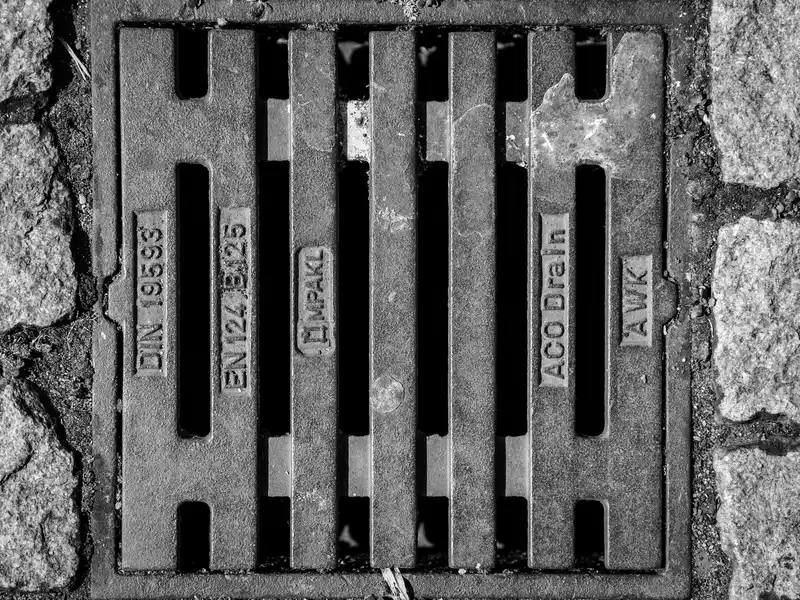
The one that comes out after sunset
After sunset, mosquitoes emerge from shared voids and entrances and fill the stairways and passages, finding shade, stillness and water close by. They move freely through the common infrastructure.
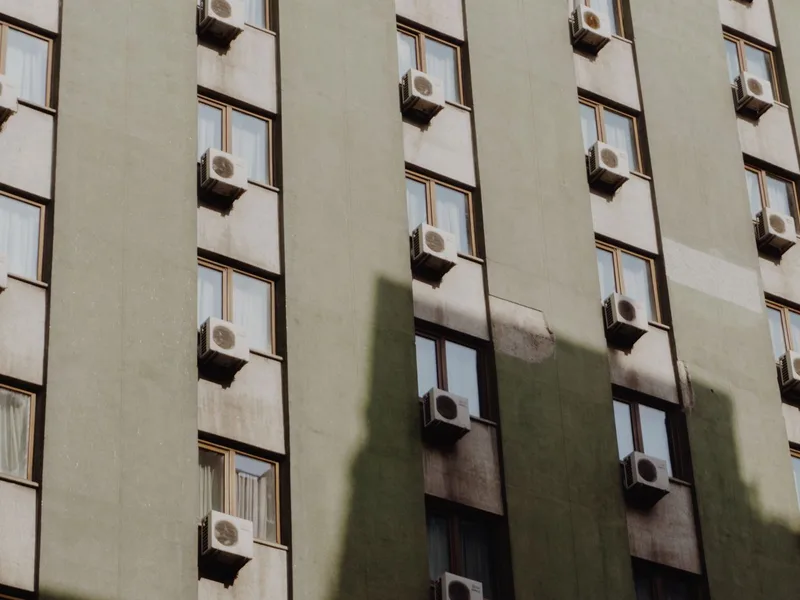
Air-conditioning condensate
Air conditioning condensate from the older buildings pools in the low points between foundations, and this constant water supply provides ideal breeding conditions for mosquitoes year-round. The gaps act as permanent reservoirs.
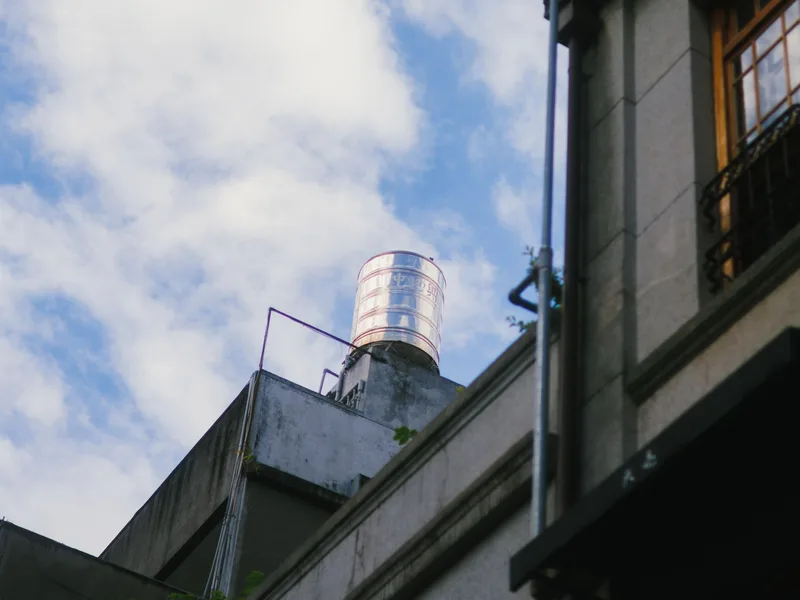
The tank and its openings
Tank openings in the old buildings are often broken or poorly sealed, and standing water collects around the foundation and in the gaps surrounding the tank base. Inspecting these shared points is essential.

Garden containers and irrigation
Garden containers and drainage from shared irrigation systems leave standing water in low points between the buildings, where it cannot be emptied without specialised access and treatment.
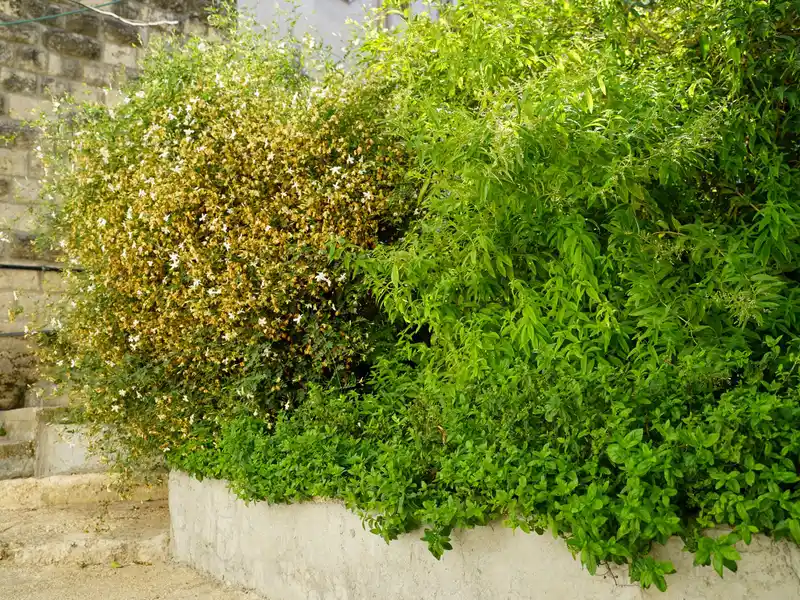
The shade it rests in
Permanent shade beneath tightly packed buildings and the gaps between structures provide perfect mosquito rest sites throughout the day, especially in narrow voids and old stone cracks that hold moisture indefinitely.
How we work
-
1
Inspect and map the water
We walk the perimeter, the roof, the garden, the meter chambers and the condensate runs, record everything that holds water, and read the species from the breeding site and the time of biting.
-
2
Remove the water that can go
Empty, invert, cover: saucers, containers, old tyres and roof gullies. Every point that disappears is a treatment that never needs repeating.
-
3
Larval treatment, then the resting surfaces
Water that cannot be drained is treated so the larva never completes, then a residual goes under planting, beneath outdoor furniture and along low shaded walls.
-
4
The follow-up visit
We come back once the generation that was in the water on the first visit has completed, review every point we recorded and re-treat where needed.
What mosquito control includes
-

A recorded water survey
Roof, perimeter, garden, meter chambers and condensate lines, written down before anything is applied.
-

Draining and covering the sources
Emptying what can be emptied, draining what can be drained, and covering what has to stay full.
-

Larval treatment for the water that stays
For ground tanks, inspection chambers, water features and any permanent water that has to remain.
-

A residual on the resting places
Under trees and shrubs, beneath outdoor furniture and on shaded walls, where the adult sits out the day.
-

Aftercare instructions
What stays inverted, what gets covered, which openings need mesh, and when watering goes back to normal.
-

A scheduled follow-up
A set date after the first treatment, with every recorded water point reviewed and re-treated if the water came back.
Landmarks of Al Sahifah
Work in Al Sahifah is organised through the network of shared entrances and gaps between buildings, particularly around King Abdulaziz Road and Khalid ibn Al Walid Street where the critical water collection points lie between the structures.
- Old Makkah Road
- King Abdulaziz Road
- Khalid ibn Al Walid Street
- Bab Sharif
- King Abdulaziz Mosque
Questions about this district
If I treat my flat alone, will that stop mosquitoes or do they come from shared voids?
Treating a single flat stops mosquitoes inside it temporarily, but shared voids and gaps under foundations remain a constant source. Effective treatment covers the foundation, the gaps, and the shared entrances as well. The breeding points lie outside what you can treat alone.
Do air conditioning drips from all the flats pool together in one low point?
Yes, condensate from several flats collects in the low points between buildings and under ground floors. This creates a shared breeding pool that is hard to reach without specialist treatment. The gaps trap moisture continuously.
Are the old stone foundations the main reason mosquitoes are so bad here?
Old stone foundations hold water longer than modern concrete and create gaps that are difficult to access. This gives mosquitoes sheltered breeding sites protected from surface treatments. The porous stone wicks moisture from surrounding soil.
Should each flat be treated separately or should the whole building be treated at once?
A coordinated treatment of the whole building is more effective than separate flat-by-flat treatments. Shared entrances and voids need simultaneous treatment to break the breeding cycle. Individual flats treated in isolation leave the common sources untouched.
How often must our building be treated throughout the year because of this shared water?
In a district with continuous shared water like this, periodic treatment every two to three weeks provides sustained protection. The frequency depends on the volume of moisture and seasonal humidity. Shared infrastructure needs consistent attention.
Does washing the shared gaps and stairs with water help reduce mosquitoes?
Washing the entrances and stairways reduces mosquitoes temporarily, but does not solve the core problem. Standing water under the building and in foundation gaps continues to breed mosquitoes even with constant cleaning. The hidden sources persist.
How much does mosquito control in Al Sahifah cost?
It is set after the inspection, because the price follows the type of infestation, the size of the space, how far it has spread and the number of visits it needs. Send a photo and a description on WhatsApp and we will give you an estimate before we reach Al Sahifah.
Nearby districts we cover
Other services in Al Sahifah
Other services we provide to residents of Al Sahifah.
-
 Residential
Cockroach control
Residential
Cockroach control
-
 Residential
Bed bug control
Residential
Bed bug control
-
 Residential
Termite control
Residential
Termite control
-
 Residential
Rodents and mice
Residential
Rodents and mice
-
 Residential
Fly control
Residential
Fly control
-
 Residential
Ant control
Residential
Ant control
-
 Residential
Gecko control
Residential
Gecko control
-
 Residential
Scorpion control
Residential
Scorpion control
-
 Residential
Snake control
Residential
Snake control
-
 Residential
Flea control
Residential
Flea control
-
 Residential
Bird and pigeon control
Residential
Bird and pigeon control
-
 Residential
Preventive treatment
Residential
Preventive treatment
-
 Residential
Disinfection
Residential
Disinfection
-
 Commercial
Annual contracts
Commercial
Annual contracts
-
 Commercial
Restaurants and cafes
Commercial
Restaurants and cafes
-
 Commercial
Hotels and apartments
Commercial
Hotels and apartments
-
 Commercial
Warehouses and factories
Commercial
Warehouses and factories
-
 Commercial
Schools and nurseries
Commercial
Schools and nurseries
-
 Commercial
Retail and malls
Commercial
Retail and malls
-
 Commercial
Rest houses and farms
Commercial
Rest houses and farms
-
 Commercial
Fumigation
Commercial
Fumigation
-
 Water tanks
Water tank cleaning
Water tanks
Water tank cleaning
-
 Water tanks
Water tank sterilization
Water tanks
Water tank sterilization
-
 Water tanks
Water tank sealing
Water tanks
Water tank sealing
-
 Water tanks
Tank leak repair
Water tanks
Tank leak repair
Need mosquito control in Al Sahifah? Tell us what you saw and we will tell you what it needs
We reach Al Sahifah at a time we agree, and you get the full cost before we start.