
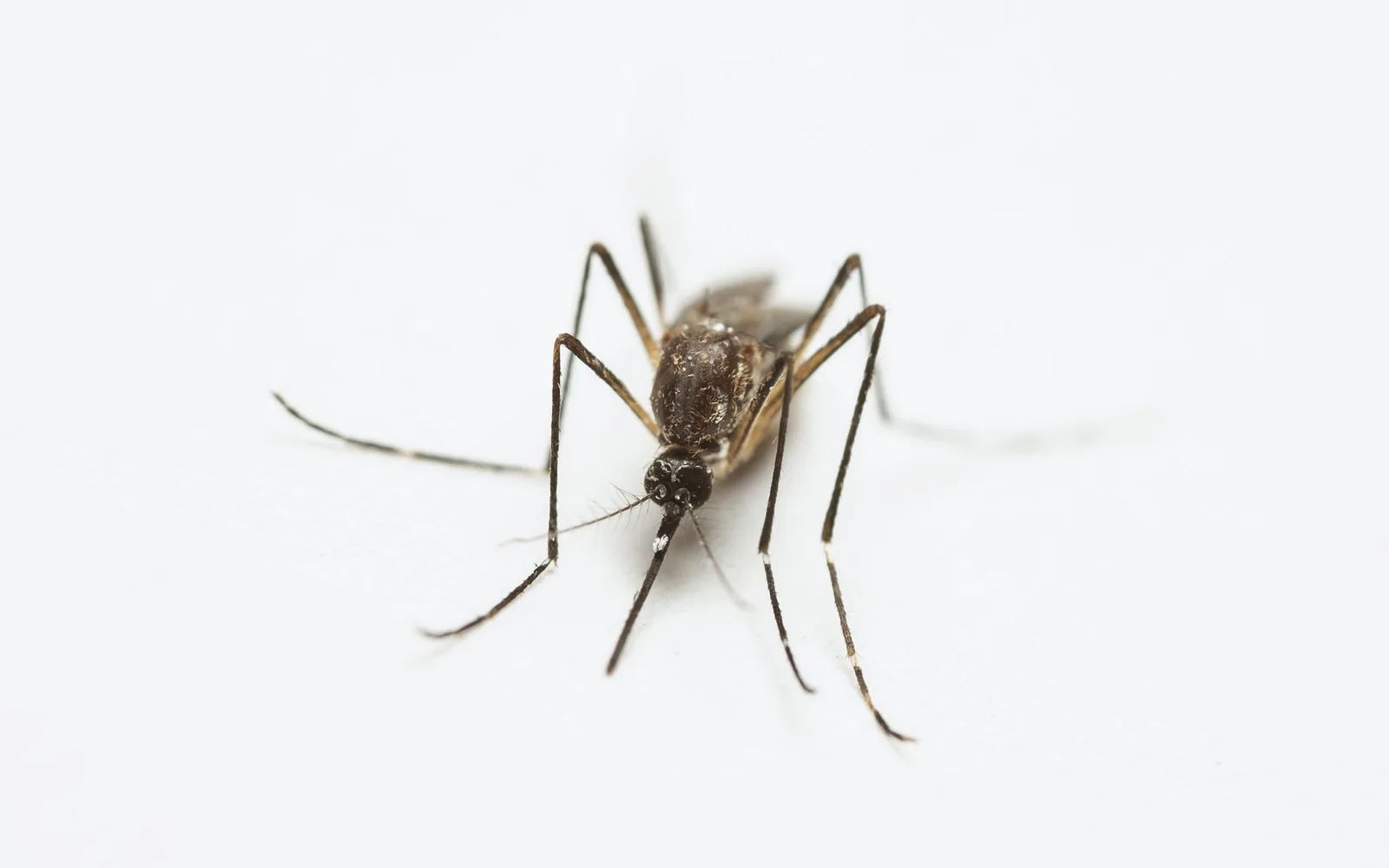
Mosquito control in Al Balad Jeddah
Al Balad is the historic commercial heart of Jeddah, listed by UNESCO as a World Heritage site. Coral limestone tower houses with wooden rawashin screens line narrow lanes. The Alawi and Bedouin souqs trade daily around Bab Makkah and Bab Sharif. The lanes are so tight that sunlight reaches the ground rarely, the timber is centuries old, and humidity from the sea and the Islamic Port never leaves. Restaurants and cafés operate until late evening, washing their floors repeatedly, and every drop of water flows downward into the old foundations.
-
Targeted, not broadcast
Product goes into cracks and runways, never sprayed across open surfaces.
-
Told before we start
What we will use, where it goes, and what to cover or move before we arrive.
-
A follow-up visit
We return after the first treatment, because what survives it does not show on the day.
-
Homes and businesses
Apartments and villas, and kitchens and stores that need a record of each visit.
Why they keep coming back in Al Balad
Water from washing the souqs runs in the narrow lanes and does not dry for weeks because of the shade and the high stone walls on both sides. The method is set out in full on how we approach Mosquito control.
Wooden rawashin screens and coral limestone walls
The wooden rawashin screens on windows are very old and full of tiny crevices. Coral stone absorbs humidity from the sea constantly. Mosquitoes lay eggs in damp cracks in the wood and stone, not only in flowing water. The heritage house is a large natural humidity reservoir that never fully dries.
Souq Al Alawi and Souq Al Badu in tight lanes
The old souqs operate daily and wash water runs in the tight lanes. The lanes between houses are so narrow that the sun never reaches the ground. Water does not dry there for weeks. The foundation beneath holds it for months.
The sea, the ports and constant salt humidity
Al Balad is very close to the sea, the Islamic Port and the commercial harbour. Sea humidity is extremely high all year, and salt spray and fog enter with every breeze. This humid air keeps the timber and stone soaked, drawing moisture upwards from below and trapping it within the old buildings.
Al Balad on the map
Al Balad sits about 1 km from Al Sahifah and about 1 km from Al Ammariyah.
Open in Google MapsStanding water and shade decide the method
The district sits very close to the sea, the Islamic Port and the main harbour. Sea humidity is extremely high all year. The crowded popular souqs open all day, and restaurants in narrow lanes wash continuously, keeping the ground damp.
The daytime biter
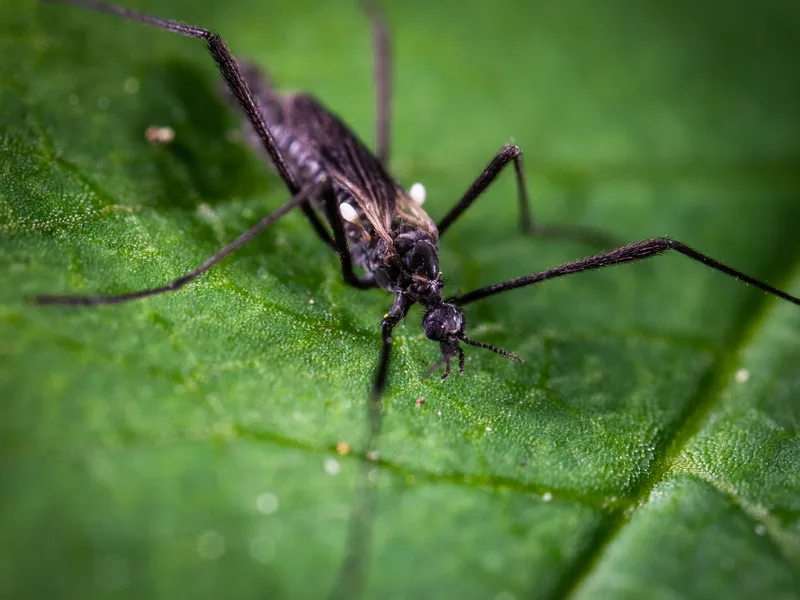
The daytime biter in Al Balad never leaves the tight lane and gaps between the houses, sheltering in permanent shade, approaching doorways only as the sun sets.
The one that comes out after sunset
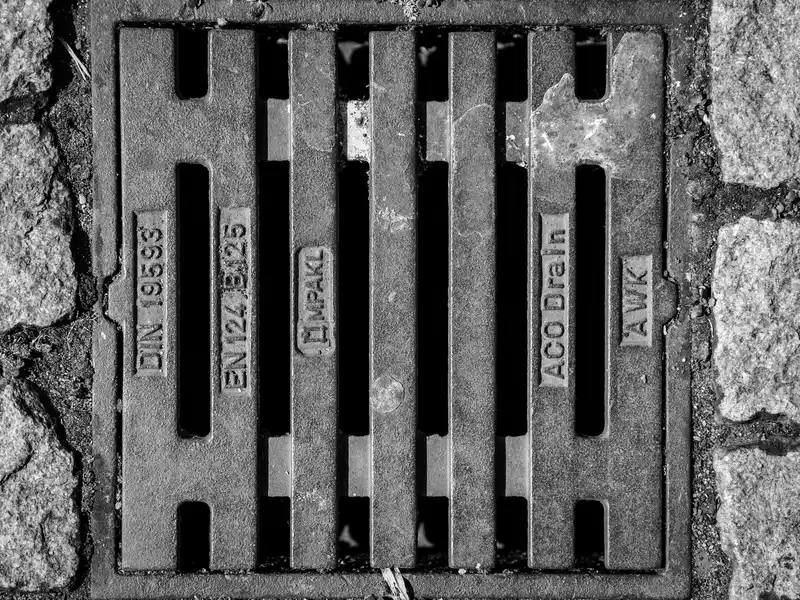
The one that comes out after sunset rises from underground voids and cracks in the old timber, flying between tightly packed houses and entering through any opening.
Air-conditioning condensate
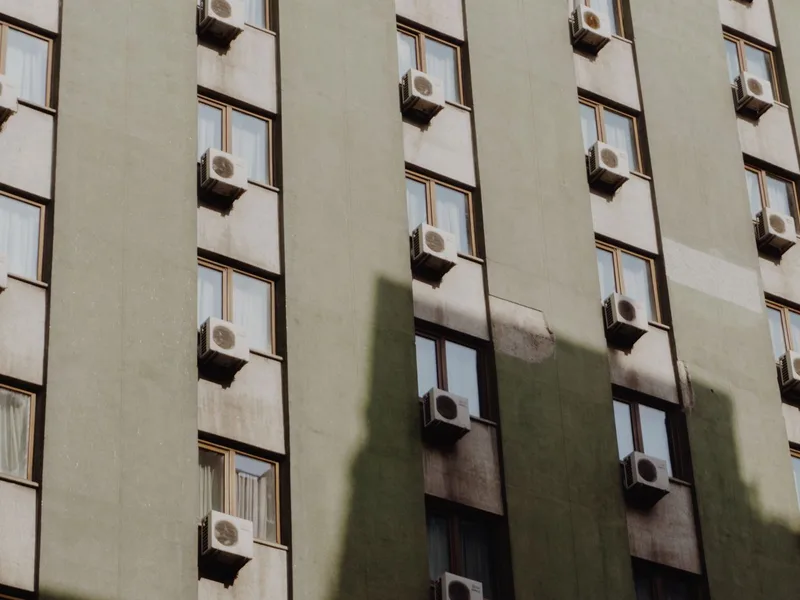
Water from restaurants, cafés and the daily washing of the souqs falls into the tight lanes and does not dry because of the shade and high stone walls.
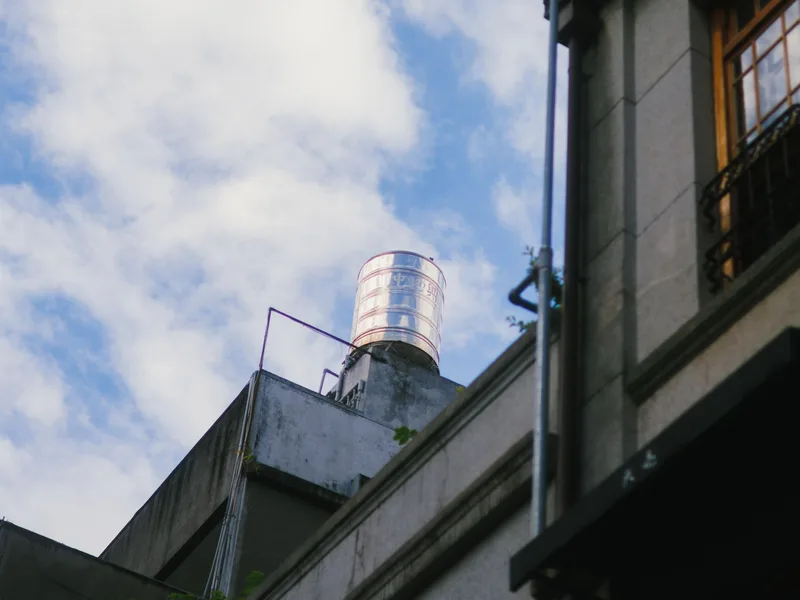
The tank and its openings
Old water tanks in heritage houses rarely open except for maintenance, and eggs wait inside in the darkness.
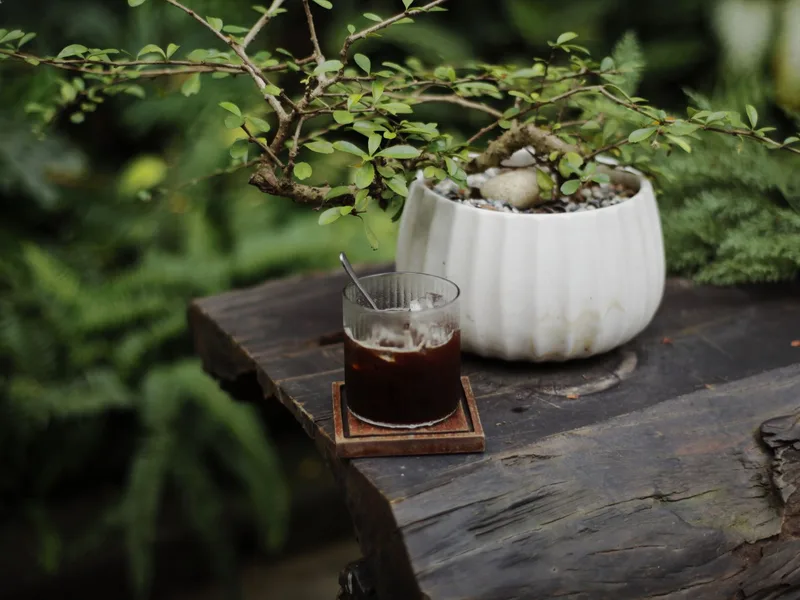
Garden containers and irrigation
Heritage houses sit so close together that there are no gardens to water, but restaurants water small pots in the lanes and the water soaks into the stone.
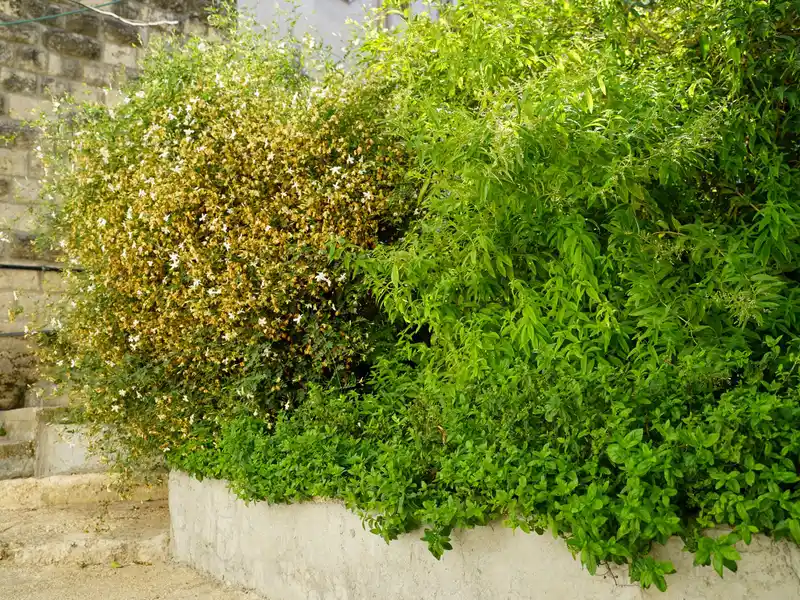
The shade it rests in
Underground shade and the gaps between houses stay damp and dark all year even in high summer, where the adult mosquito rests hidden from every eye.
How we work
-
1
Inspect and map the water
We walk the perimeter, the roof, the garden, the meter chambers and the condensate runs, record everything that holds water, and read the species from the breeding site and the time of biting.
-
2
Remove the water that can go
Empty, invert, cover: saucers, containers, old tyres and roof gullies. Every point that disappears is a treatment that never needs repeating.
-
3
Larval treatment, then the resting surfaces
Water that cannot be drained is treated so the larva never completes, then a residual goes under planting, beneath outdoor furniture and along low shaded walls.
-
4
The follow-up visit
We come back once the generation that was in the water on the first visit has completed, review every point we recorded and re-treat where needed.
What mosquito control includes
-

A recorded water survey
Roof, perimeter, garden, meter chambers and condensate lines, written down before anything is applied.
-

Draining and covering the sources
Emptying what can be emptied, draining what can be drained, and covering what has to stay full.
-

Larval treatment for the water that stays
For ground tanks, inspection chambers, water features and any permanent water that has to remain.
-

A residual on the resting places
Under trees and shrubs, beneath outdoor furniture and on shaded walls, where the adult sits out the day.
-

Aftercare instructions
What stays inverted, what gets covered, which openings need mesh, and when watering goes back to normal.
-

A scheduled follow-up
A set date after the first treatment, with every recorded water point reviewed and re-treated if the water came back.
Landmarks of Al Balad
Around Nassif House and Al Shafi'i Mosque and Souq Al Alawi and Souq Al Badu Al Balad gathers with its markets and heritage houses. Treatment begins from Bab Makkah and Bab Sharif and covers every house, lane, souq and void, and the foundations and cracks in timber and stone that absorb moisture from the sea and the port.
- Nassif House
- Al Shafi'i Mosque
- Souq Al Alawi
- Souq Al Badu
- Bab Makkah
- Bab Sharif
Questions about this district
Our heritage house is registered at UNESCO and very secure. Why are there so many mosquitoes?
The house is beautiful but very old. The wooden rawashin and coral stone stay damp all year from the sea. Mosquitoes lay eggs in damp cracks in the wood and stone, not only in water.
The lanes are very tight and the sun never reaches them. Is that the mosquito problem?
Yes, exactly. Mosquitoes are drawn to shade and damp. Lanes where sunlight never reaches the ground are damp and dark all day. This is perfect mosquito habitat.
Restaurants in Souq Al Alawi and Souq Al Badu wash their floors every hour. Does that breed them?
Yes. Much water from restaurant washing runs down into old foundations. Mosquitoes lay millions of eggs there. Treatment must include restaurants and houses together.
The gaps between heritage houses are completely dark. Do they need special treatment?
Yes. Gaps between old houses are damp and dark and full of old timber and stone. This is ideal mosquito breeding ground.
Are eggs in the heritage buildings themselves, or only in the voids outside?
Eggs are inside the buildings. Tiny cracks in timber and stone and voids between walls are all places where mosquitoes lay eggs.
Do you treat the underground foundations and voids, or only the surfaces of heritage houses?
We treat everything: surfaces, voids, foundations, cracks in timber and stone. Every part of a heritage property can harbour eggs.
How much does mosquito control in Al Balad cost?
It is set after the inspection, because the price follows the type of infestation, the size of the space, how far it has spread and the number of visits it needs. Send a photo and a description on WhatsApp and we will give you an estimate before we reach Al Balad.
Nearby districts we cover
Other services in Al Balad
Other services we provide to residents of Al Balad.
-
 Residential
Cockroach control
Residential
Cockroach control
-
 Residential
Bed bug control
Residential
Bed bug control
-
 Residential
Termite control
Residential
Termite control
-
 Residential
Rodents and mice
Residential
Rodents and mice
-
 Residential
Fly control
Residential
Fly control
-
 Residential
Ant control
Residential
Ant control
-
 Residential
Gecko control
Residential
Gecko control
-
 Residential
Scorpion control
Residential
Scorpion control
-
 Residential
Snake control
Residential
Snake control
-
 Residential
Flea control
Residential
Flea control
-
 Residential
Bird and pigeon control
Residential
Bird and pigeon control
-
 Residential
Preventive treatment
Residential
Preventive treatment
-
 Residential
Disinfection
Residential
Disinfection
-
 Commercial
Annual contracts
Commercial
Annual contracts
-
 Commercial
Restaurants and cafes
Commercial
Restaurants and cafes
-
 Commercial
Hotels and apartments
Commercial
Hotels and apartments
-
 Commercial
Warehouses and factories
Commercial
Warehouses and factories
-
 Commercial
Schools and nurseries
Commercial
Schools and nurseries
-
 Commercial
Retail and malls
Commercial
Retail and malls
-
 Commercial
Rest houses and farms
Commercial
Rest houses and farms
-
 Commercial
Fumigation
Commercial
Fumigation
-
 Water tanks
Water tank cleaning
Water tanks
Water tank cleaning
-
 Water tanks
Water tank sterilization
Water tanks
Water tank sterilization
-
 Water tanks
Water tank sealing
Water tanks
Water tank sealing
-
 Water tanks
Tank leak repair
Water tanks
Tank leak repair
Need mosquito control in Al Balad? Tell us what you saw and we will tell you what it needs
We reach Al Balad at a time we agree, and you get the full cost before we start.