
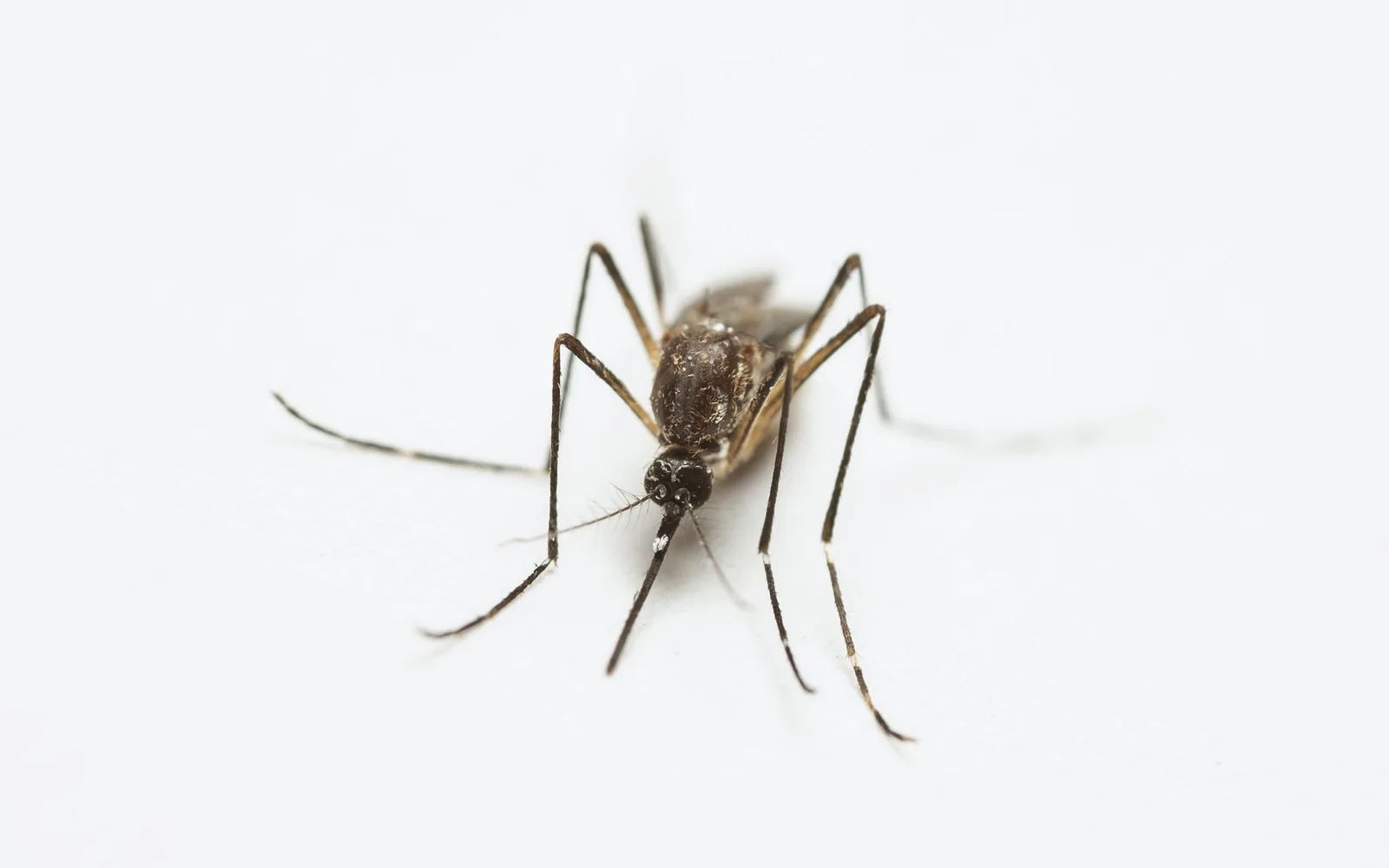
Mosquito control in Al Shawqiyah Makkah
Al Shawqiyah is a densely built residential area west of Makkah ringed by expressways, with garden complexes and shopping centres. Water gathers in the courtyards between apartment blocks and around villas, and mosquitoes breed in every shaded corner between the closely spaced buildings where the adults hide from the heat.
-
Targeted, not broadcast
Product goes into cracks and runways, never sprayed across open surfaces.
-
Told before we start
What we will use, where it goes, and what to cover or move before we arrive.
-
A follow-up visit
We return after the first treatment, because what survives it does not show on the day.
-
Homes and businesses
Apartments and villas, and kitchens and stores that need a record of each visit.
Why they keep coming back in Al Shawqiyah
Water pools in the gaps between buildings after every watering or cleaning cycle, and adults rest through the day in the dense shade cast by nearby buildings on one another. The method is set out in full on how we approach Mosquito control.
Standing water in shared courtyards
The close-set apartment layout leaves small courtyards that hold water from irrigation and cleaning, each one shaded and difficult to reach around parked cars and stored goods. Every courtyard may hold standing water unnoticed, the ideal breeding ground for eggs waiting for the next water arrival to hatch.
Permanent shade between close buildings
The proximity of the buildings creates permanent shadow across the courtyards from dawn to dusk. Adult mosquitoes spend heat hours in this shade resting on damp walls and surfaces, held damp by the moisture that the dense building mass retains.
Constant irrigation of small garden spaces
District parks and planted verges are watered daily in summer months, and water seeps around plant roots leaving the soil below perpetually damp in permanent shade, creating an ideal breeding environment that never dries out through the year.
Al Shawqiyah on the map
Al Shawqiyah sits about 2 km from Al Kaakiyah and about 2.5 km from Al Malik Fahd.
Open in Google MapsStanding water and shade decide the method
The land is laid out with apartment buildings standing close together and shared courtyards between them, a drainage network that requires careful treatment around foundations and small irrigated green spaces.
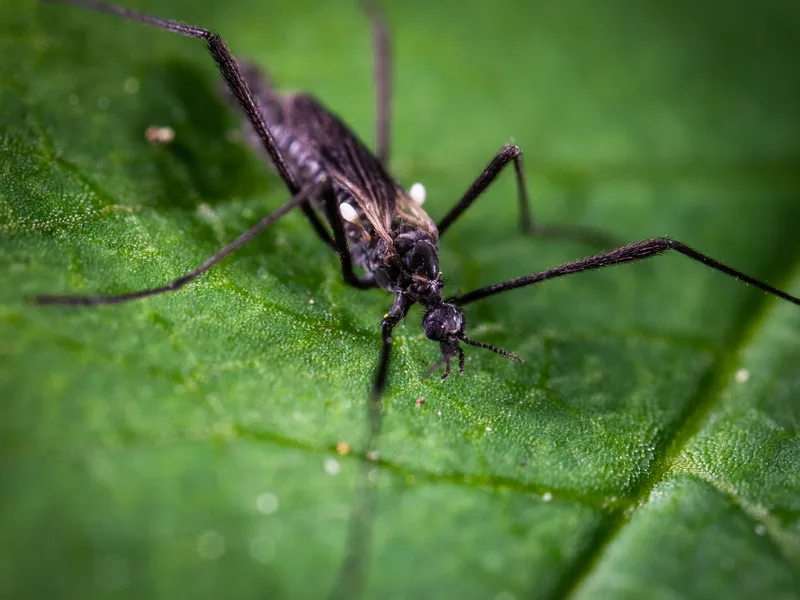
The daytime biter
The daytime biting mosquito in Al Shawqiyah hides in the permanent shade between close buildings and on walls dampened by water seepage from irrigation and drainage.
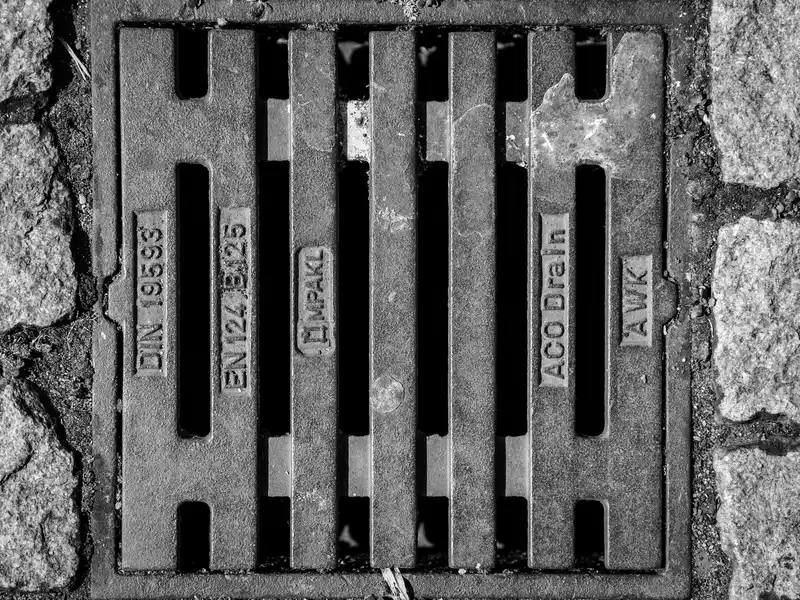
The one that comes out after sunset
After sunset the mosquito leaves the shade to hunt around water sources in the courtyards and gardens, making dusk hours the peak biting time across the district.
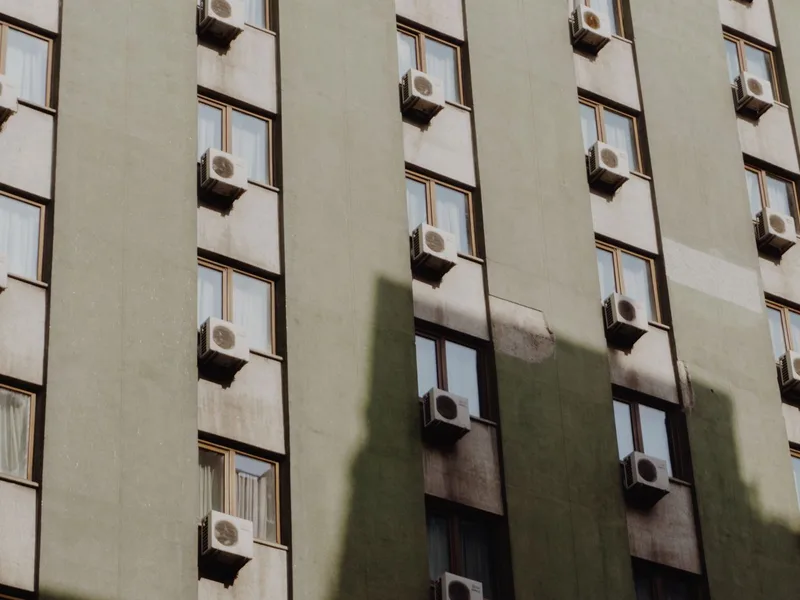
Air-conditioning condensate
Air conditioning condensate from upper flats drains into the shared courtyards and leaves soil perpetually damp below the shade of the buildings, creating ideal breeding habitat.
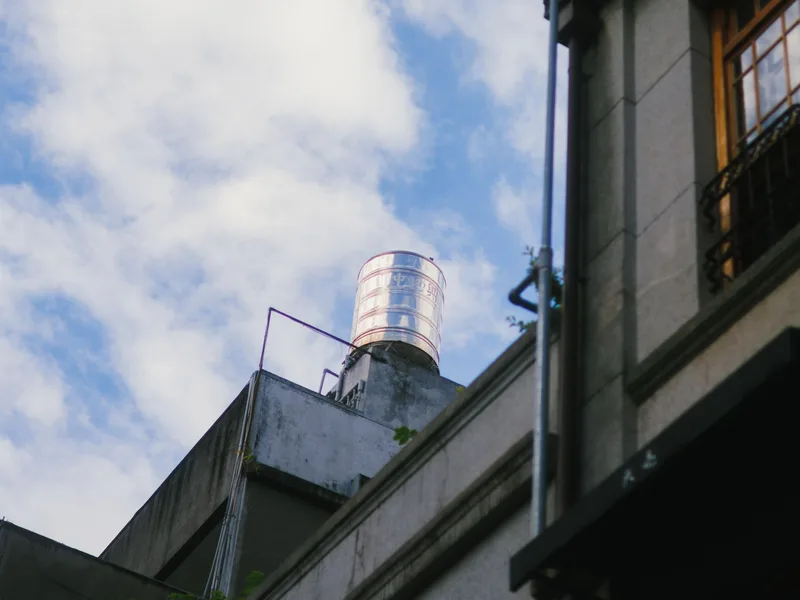
The tank and its openings
The district tank and building tanks may be the source if not sealed properly, and their air vents and openings provide entry for emerging mosquitoes to reach occupied spaces.
Garden containers and irrigation
The district park and planted verges are watered daily and stay damp under permanent shade, combining moisture, shade and continuous water with a permanent shelter for laying eggs.
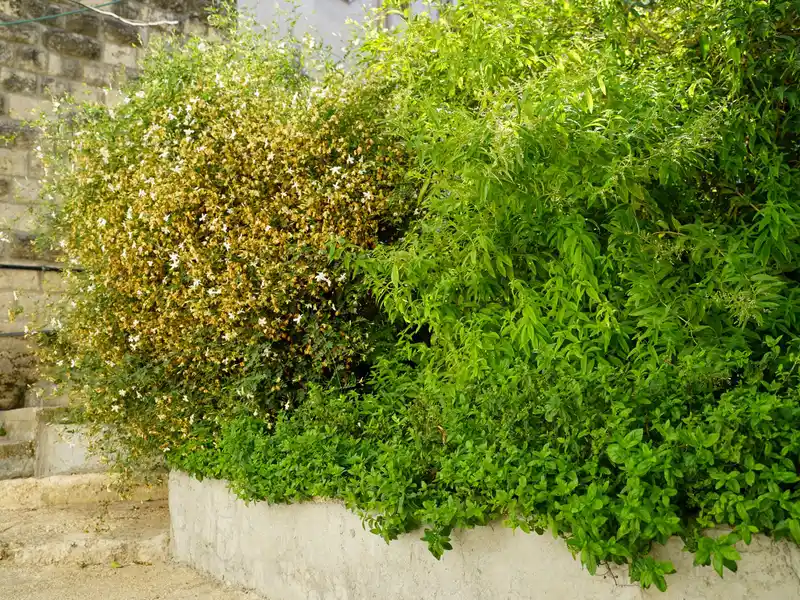
The shade it rests in
Permanent shade between buildings and damp surfaces are the daytime refuge of adults, spending 23 hours at rest motionless away from light.
How we work
-
1
Inspect and map the water
We walk the perimeter, the roof, the garden, the meter chambers and the condensate runs, record everything that holds water, and read the species from the breeding site and the time of biting.
-
2
Remove the water that can go
Empty, invert, cover: saucers, containers, old tyres and roof gullies. Every point that disappears is a treatment that never needs repeating.
-
3
Larval treatment, then the resting surfaces
Water that cannot be drained is treated so the larva never completes, then a residual goes under planting, beneath outdoor furniture and along low shaded walls.
-
4
The follow-up visit
We come back once the generation that was in the water on the first visit has completed, review every point we recorded and re-treat where needed.
What mosquito control includes
-

A recorded water survey
Roof, perimeter, garden, meter chambers and condensate lines, written down before anything is applied.
-

Draining and covering the sources
Emptying what can be emptied, draining what can be drained, and covering what has to stay full.
-

Larval treatment for the water that stays
For ground tanks, inspection chambers, water features and any permanent water that has to remain.
-

A residual on the resting places
Under trees and shrubs, beneath outdoor furniture and on shaded walls, where the adult sits out the day.
-

Aftercare instructions
What stays inverted, what gets covered, which openings need mesh, and when watering goes back to normal.
-

A scheduled follow-up
A set date after the first treatment, with every recorded water point reviewed and re-treated if the water came back.
What is different about Al Shawqiyah Sub-Municipality
Al Shawqiyah sub municipality runs south from the Third Ring Road to the city's edge on the Al Layth road and the Jeddah expressway. Planned districts such as Al Shawqiyah, Al Malik Fahd and Bathaa Quraish have wide streets, villas and apartment blocks, while schemes in Wali Al Ahd are being built out and informal housing in Al Ukayshiyah and Al Zuhur is being cleared. The vegetable market and livestock auction at Souq Al Halaqa, open construction sites, the rocky slopes of Jabal Thawr and sewers still being laid through the southern fringe offer exposed food, shelter and moisture.
Questions about this district
Are the standing pools in shared courtyards the main source?
Yes. Courtyards between buildings collect water from irrigation and cleaning but do not drain quickly, and every standing pool is a likely egg source. We treat the water itself directly rather than waiting for it to clear naturally.
Why does the mosquito concentrate at the base of walls between buildings?
The permanent shade, moisture from seeping water, and stagnant air between close buildings create the ideal refuge. Adults spend heat hours motionless on damp surfaces where the air stays cool and humid.
Does the district garden with its irrigated grass make the problem worse?
Yes. The gardens are watered daily and water percolates into the soil below the plants, so the shade never dries. Continuous moisture and permanent shade beside a permanent water source creates perfect breeding habitat.
How does mosquito control in dense districts differ from open areas?
In close-built areas mosquitoes concentrate in the defined shaded and damp zones, so treatment focuses on the standing water, damp surfaces and shade sources. Open areas require a wider search pattern.
Could the underground drainage pipes under courtyards be a breeding source?
Drainage pipes may hold water if blocked, but treatment focuses on visible water first. We inspect the drain openings and tank vents, which may trap standing water and allow small mosquitoes entry.
How often does Al Shawqiyah need mosquito treatment in summer?
It depends on continuous water sources. Daily irrigation means repeat treatments may be necessary, though we recommend elevating and covering the district tank first to reduce the source itself.
How much does mosquito control in Al Shawqiyah cost?
It is set after the inspection, because the price follows the type of infestation, the size of the space, how far it has spread and the number of visits it needs. Send a photo and a description on WhatsApp and we will give you an estimate before we reach Al Shawqiyah.
Nearby districts we cover
Other services in Al Shawqiyah
Other services we provide to residents of Al Shawqiyah.
-
 Residential
Cockroach control
Residential
Cockroach control
-
 Residential
Bed bug control
Residential
Bed bug control
-
 Residential
Termite control
Residential
Termite control
-
 Residential
Rodents and mice
Residential
Rodents and mice
-
 Residential
Fly control
Residential
Fly control
-
 Residential
Ant control
Residential
Ant control
-
 Residential
Gecko control
Residential
Gecko control
-
 Residential
Scorpion control
Residential
Scorpion control
-
 Residential
Snake control
Residential
Snake control
-
 Residential
Flea control
Residential
Flea control
-
 Residential
Bird and pigeon control
Residential
Bird and pigeon control
-
 Residential
Preventive treatment
Residential
Preventive treatment
-
 Residential
Disinfection
Residential
Disinfection
-
 Commercial
Annual contracts
Commercial
Annual contracts
-
 Commercial
Restaurants and cafes
Commercial
Restaurants and cafes
-
 Commercial
Hotels and apartments
Commercial
Hotels and apartments
-
 Commercial
Warehouses and factories
Commercial
Warehouses and factories
-
 Commercial
Schools and nurseries
Commercial
Schools and nurseries
-
 Commercial
Retail and malls
Commercial
Retail and malls
-
 Commercial
Rest houses and farms
Commercial
Rest houses and farms
-
 Commercial
Fumigation
Commercial
Fumigation
-
 Water tanks
Water tank cleaning
Water tanks
Water tank cleaning
-
 Water tanks
Water tank sterilization
Water tanks
Water tank sterilization
-
 Water tanks
Water tank sealing
Water tanks
Water tank sealing
-
 Water tanks
Tank leak repair
Water tanks
Tank leak repair
Need mosquito control in Al Shawqiyah? Tell us what you saw and we will tell you what it needs
We reach Al Shawqiyah at a time we agree, and you get the full cost before we start.