
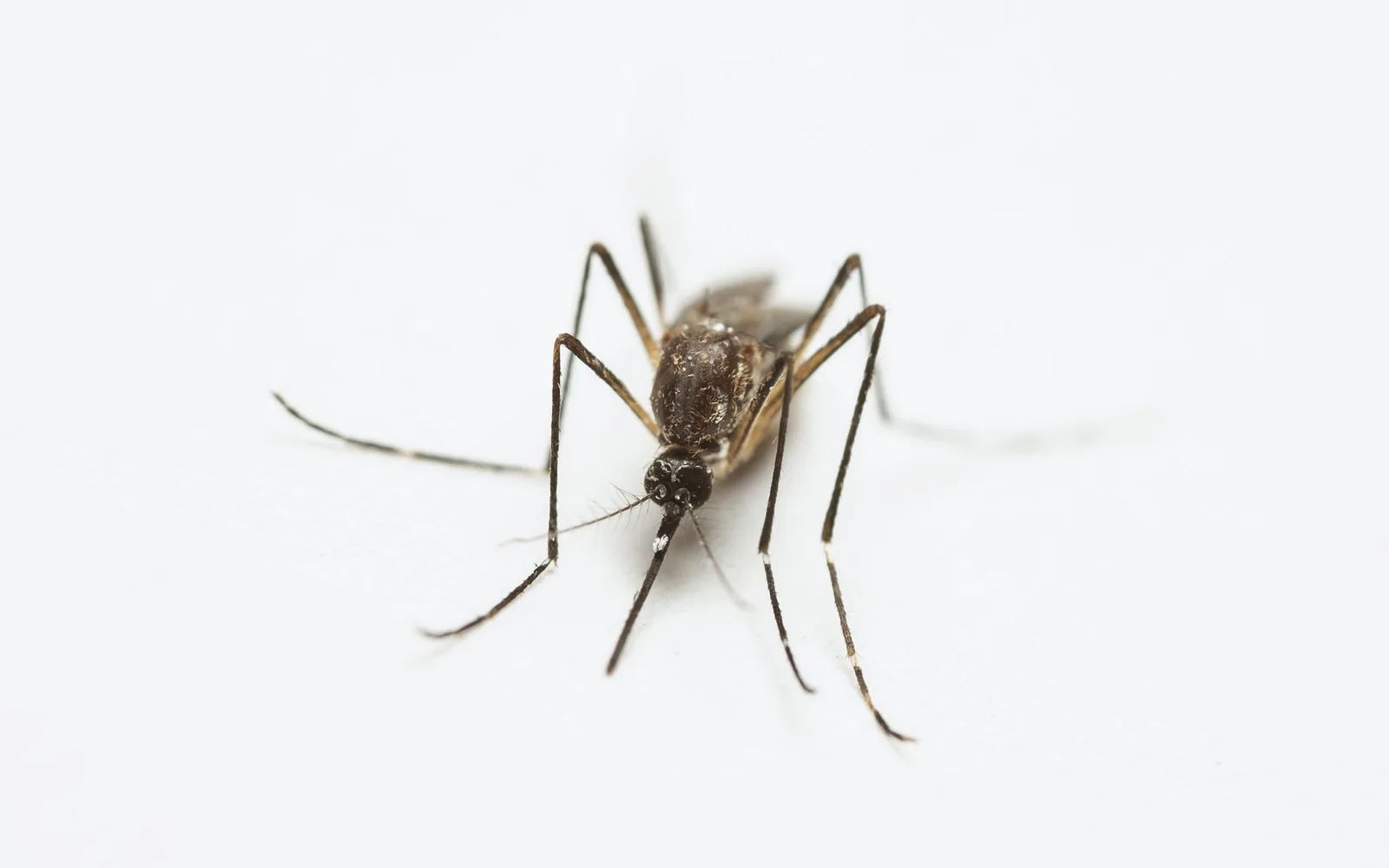
Mosquito control in East Al Sulaymaniyah Jeddah
East Al Sulaymaniyah lies close to the Haramain high speed rail station, mixing street level shops and residential flats in the same buildings. Drainage and water networks are shared between commercial and domestic uses, creating a complex mosquito pathway between floors and buildings.
-
Targeted, not broadcast
Product goes into cracks and runways, never sprayed across open surfaces.
-
Told before we start
What we will use, where it goes, and what to cover or move before we arrive.
-
A follow-up visit
We return after the first treatment, because what survives it does not show on the day.
-
Homes and businesses
Apartments and villas, and kitchens and stores that need a record of each visit.
Why they keep coming back in East Al Sulaymaniyah
Standing water in a shop cellar below you may not be visible from the flat above, but mosquitoes ascend pipes and gaps between floors easily, appearing where the source is invisible. The method is set out in full on Mosquito control in detail.
Shops and mixed drainage systems
Ground floor shops draw water from the street and daily cleaning. Their drainage connects to the same line as the flats above. Mosquitoes breed in accumulations under the shop, then travel via shared pipes to the apartments. This vertical pathway is invisible to residents who see no breeding source in their own drainage.
Pipes and gaps between floors
Gaps around pipes and openings between shop and flat provide easy passages for adult mosquitoes. Treating the shop alone does not solve the problem because mosquitoes return through unprotected gaps from below. These spaces are too numerous and interconnected to seal completely without blocking essential services.
Commercial activities and waste moisture
Restaurants, cafes and food shops on ground floors leave wet waste throughout the day. This waste attracts standing water and humidity, creating ideal breeding conditions in the shop yard and tight spaces around drains. Daily activity means these sources persist regardless of season.
The character of East Al Sulaymaniyah
Mixed district: shops at street level with homes above them
Shops and flats in the same building mean mosquito problems are never confined to one domestic space. Treating the flat and ignoring the shop fails because the breeding source below remains active and transfers via pipes and gaps that cannot be fully sealed without blocking essential services.
Standing water and shade decide the method
The district sits on Haramain Road and contains a mix of commercial shops below residential apartments in the same structure, with shared drainage serving both uses.
The daytime biter
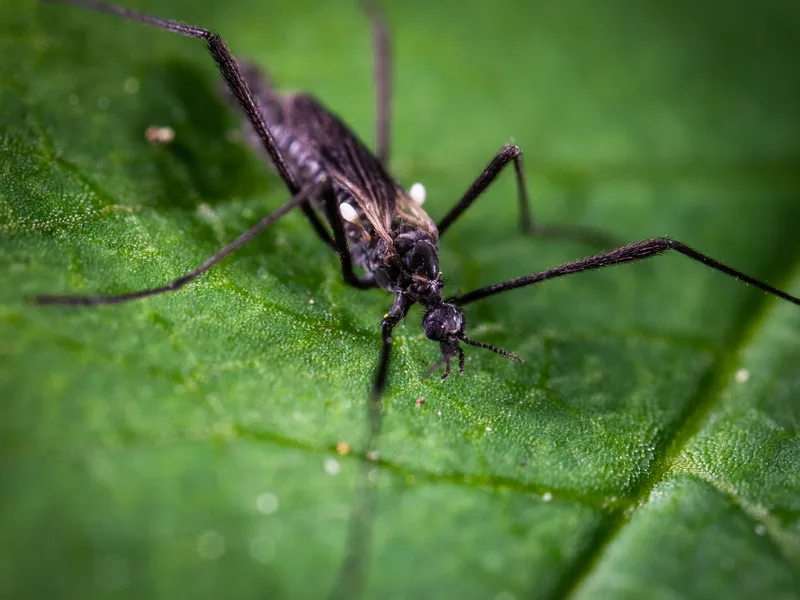
The daytime biter in East Al Sulaymaniyah favours standing water in the shop basement below ground, where permanent shade and high humidity sustain it through daylight hours.
The one that comes out after sunset
The one that comes out after sunset rests on shop walls and inside pipes and gaps between floors, where temperature is lower and disturbance is minimal.
Air-conditioning condensate
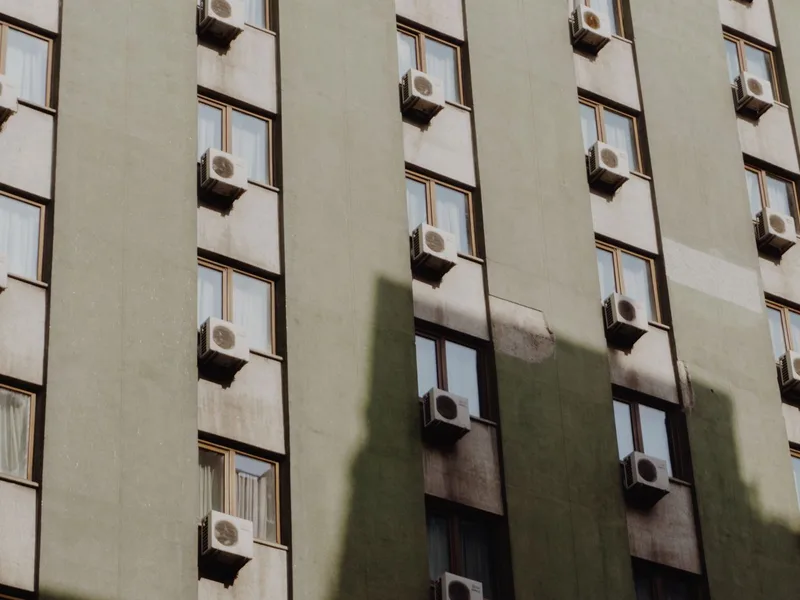
Air-conditioning condensate pools in the shop yard or on shared roof space and may not be cleaned regularly because responsibility is unclear between parties.
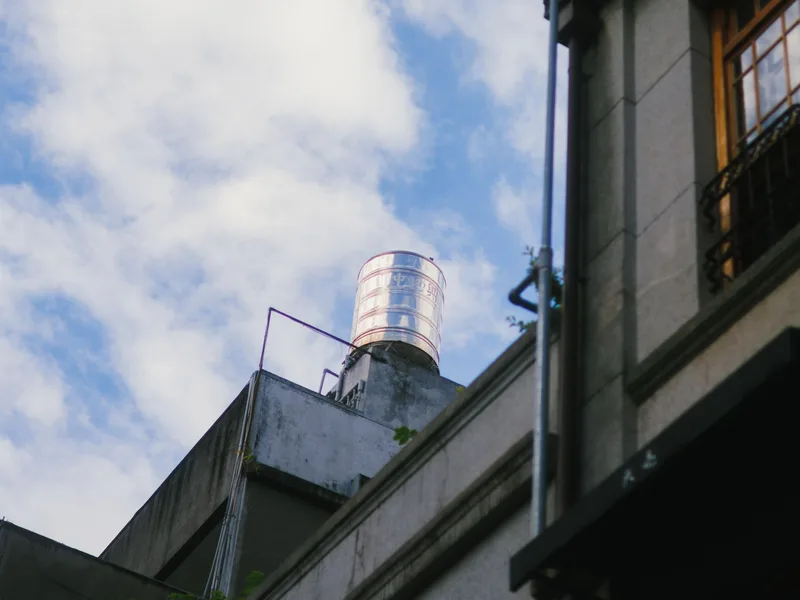
The tank and its openings
The tank and its openings in shops may sit exposed in service yards, making them an unmonitored breeding source that escapes flat residents' awareness.
Garden containers and irrigation
Garden containers and irrigation are minimal in the district because it is commercial and residential mixed-use without public parks, but street cleaning sometimes leaves small pools.
The shade it rests in
The shade it rests in is abundant in service yards, gaps beneath ceilings, and tight spaces around pipes and drains where temperature is stable.
How we work
-
1
Inspect and map the water
We walk the perimeter, the roof, the garden, the meter chambers and the condensate runs, record everything that holds water, and read the species from the breeding site and the time of biting.
-
2
Remove the water that can go
Empty, invert, cover: saucers, containers, old tyres and roof gullies. Every point that disappears is a treatment that never needs repeating.
-
3
Larval treatment, then the resting surfaces
Water that cannot be drained is treated so the larva never completes, then a residual goes under planting, beneath outdoor furniture and along low shaded walls.
-
4
The follow-up visit
We come back once the generation that was in the water on the first visit has completed, review every point we recorded and re-treat where needed.
What mosquito control includes
-

A recorded water survey
Roof, perimeter, garden, meter chambers and condensate lines, written down before anything is applied.
-

Draining and covering the sources
Emptying what can be emptied, draining what can be drained, and covering what has to stay full.
-

Larval treatment for the water that stays
For ground tanks, inspection chambers, water features and any permanent water that has to remain.
-

A residual on the resting places
Under trees and shrubs, beneath outdoor furniture and on shaded walls, where the adult sits out the day.
-

Aftercare instructions
What stays inverted, what gets covered, which openings need mesh, and when watering goes back to normal.
-

A scheduled follow-up
A set date after the first treatment, with every recorded water point reviewed and re-treated if the water came back.
What is different about Umm Al Salam Sub-Municipality
The Umm Al Salam sub municipality covers the east and south east of Jeddah along the Old Makkah Road and the Haramain Road. It pairs recently planned districts such as Al Wahah, Al Nakhil and Al Shuruq with popular districts that grew outside formal planning, including Al Harazat, Al Mahamid and Umm Al Salam. The older areas have ageing drainage, unpaved streets and vacant plots where building waste collects, conditions that suit rodents, cockroaches and ants. The newer areas are ringed by half built subdivisions and open excavations.
Questions about this district
Must we treat the shop and flat together or separately?
Together, because drainage is shared. Treating the flat alone leaves the mosquito source in the shop below active, and mosquitoes ascend the pipes and return. It requires coordination between flat resident and shop owner to time treatment together.
Are food shops a much bigger mosquito source than other shops?
Far bigger. Restaurants, cafes and small supermarkets leave food waste and water all day. Mosquitoes breed in this warm, damp environment, and the mixed drainage means the problem rises into flats above, creating residents' pest pressure despite clean homes.
Does treating stagnant water in the shop yard stop mosquitoes climbing to the flat?
Treating standing water reduces breeding, but adult mosquitoes already present will continue ascending via pipes and gaps. Requires treating the pipes and gaps in addition to standing water elimination, otherwise the adults persist.
Is the gap between shop door and flat door really a problem?
Yes, it is a direct passage. Mosquitoes enter under doors and around pipe openings. Sealing these gaps or fitting air curtains helps, but requires cooperation between both parties and is incomplete without treating pipes themselves.
Why do mosquitoes not transfer as easily from an adjacent flat to mine?
Gaps between flats are smaller and drainage is separate in most buildings. Movement between flats via vertical pipe chases is limited. The real problem is the shop below you, not the neighbour beside you, because the shop feeds the shared drainage system.
Do we need more frequent treatment because we are close to the railway station?
The station brings transient passengers but not mosquitoes directly. The real problem is the shop below and the shared drainage, which is local and requires treatment based on shop activity, not station proximity.
How much does mosquito control in East Al Sulaymaniyah cost?
It is set after the inspection, because the price follows the type of infestation, the size of the space, how far it has spread and the number of visits it needs. Send a photo and a description on WhatsApp and we will give you an estimate before we reach East Al Sulaymaniyah.
Nearby districts we cover
Other services in East Al Sulaymaniyah
Other services we provide to residents of East Al Sulaymaniyah.
-
 Residential
Cockroach control
Residential
Cockroach control
-
 Residential
Bed bug control
Residential
Bed bug control
-
 Residential
Termite control
Residential
Termite control
-
 Residential
Rodents and mice
Residential
Rodents and mice
-
 Residential
Fly control
Residential
Fly control
-
 Residential
Ant control
Residential
Ant control
-
 Residential
Gecko control
Residential
Gecko control
-
 Residential
Scorpion control
Residential
Scorpion control
-
 Residential
Snake control
Residential
Snake control
-
 Residential
Flea control
Residential
Flea control
-
 Residential
Bird and pigeon control
Residential
Bird and pigeon control
-
 Residential
Preventive treatment
Residential
Preventive treatment
-
 Residential
Disinfection
Residential
Disinfection
-
 Commercial
Annual contracts
Commercial
Annual contracts
-
 Commercial
Restaurants and cafes
Commercial
Restaurants and cafes
-
 Commercial
Hotels and apartments
Commercial
Hotels and apartments
-
 Commercial
Warehouses and factories
Commercial
Warehouses and factories
-
 Commercial
Schools and nurseries
Commercial
Schools and nurseries
-
 Commercial
Retail and malls
Commercial
Retail and malls
-
 Commercial
Rest houses and farms
Commercial
Rest houses and farms
-
 Commercial
Fumigation
Commercial
Fumigation
-
 Water tanks
Water tank cleaning
Water tanks
Water tank cleaning
-
 Water tanks
Water tank sterilization
Water tanks
Water tank sterilization
-
 Water tanks
Water tank sealing
Water tanks
Water tank sealing
-
 Water tanks
Tank leak repair
Water tanks
Tank leak repair
Need mosquito control in East Al Sulaymaniyah? Tell us what you saw and we will tell you what it needs
We reach East Al Sulaymaniyah at a time we agree, and you get the full cost before we start.