
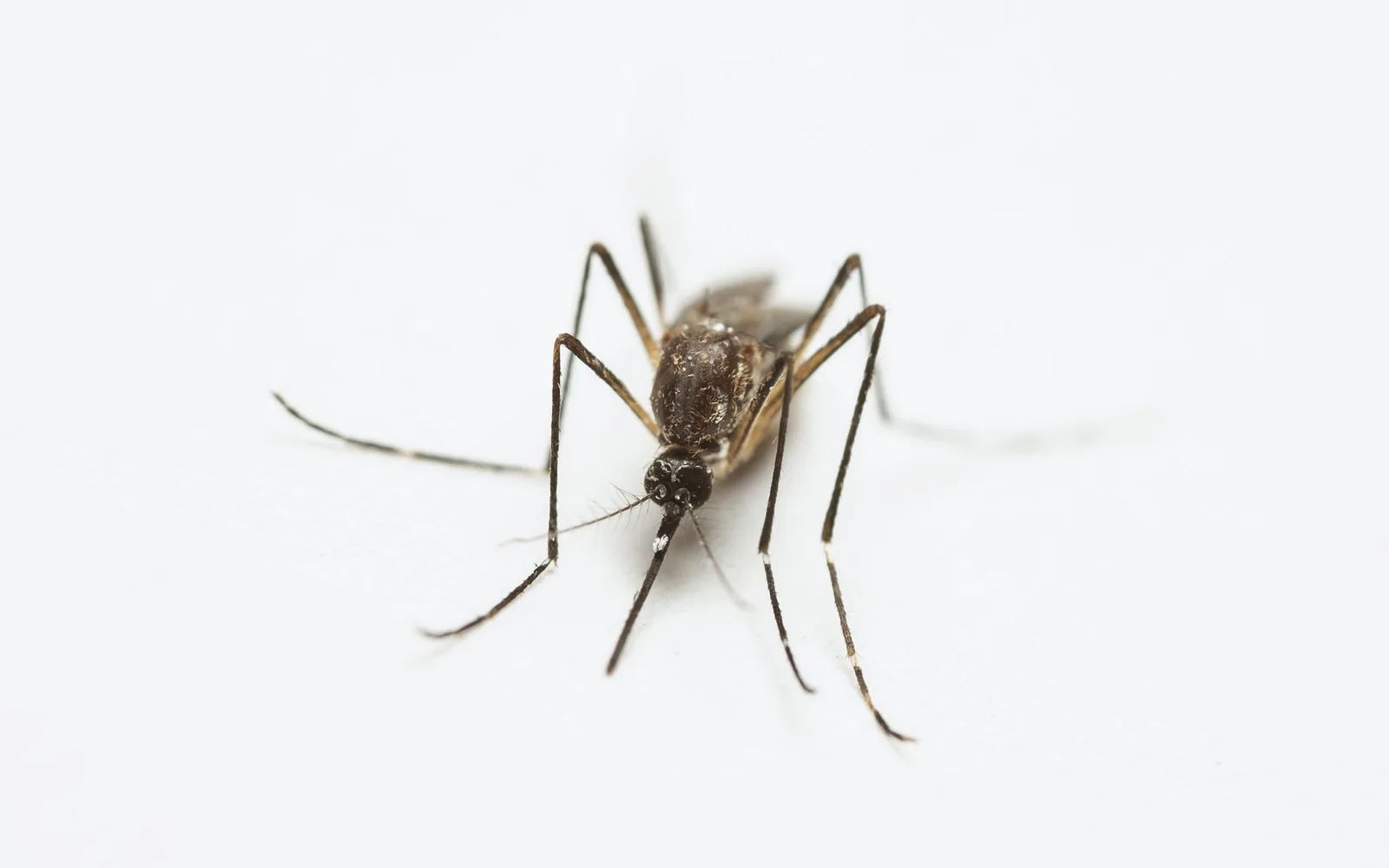
Mosquito control in Jabal Al Noor Makkah
Jabal Al Noor stands north east of the Grand Mosque and draws a stream of pilgrims and visitors to Hira Cave throughout the year. Shops and apartment blocks wrap its base along King Faisal Road and Souq Al Arab, where wet feet from visiting climbers, luggage and water poured from doorways leave standing water in the gaps between shops every hour of the day.
-
Targeted, not broadcast
Product goes into cracks and runways, never sprayed across open surfaces.
-
Told before we start
What we will use, where it goes, and what to cover or move before we arrive.
-
A follow-up visit
We return after the first treatment, because what survives it does not show on the day.
-
Homes and businesses
Apartments and villas, and kitchens and stores that need a record of each visit.
Why they keep coming back in Jabal Al Noor
Visitors climb in the morning and return in the evening damp with sweat and water, and each shop washes its floors multiple times daily to remove the dirt the crowds bring down from the peak. The method is set out in full on our Mosquito control service.
Constant visitor flow and daily water drainage
Visitors flood in during daylight and depart in the evening, each wave leaving water on the pavement and in narrow gaps. Shops wash their floors multiple times daily, and the water pools in the tight spaces between shops and the mountain itself.
Natural hollows in the rock and the slopes
The rocky mountain has natural hollows that hold water for days after rain, and mosquitoes breed in these cavities then descend to the shops and ground floor flats around the mountain's base.
Tightly packed shops and narrow dark gaps
Shops press against the mountain's walls directly and leave narrow, shadowed gaps between themselves and one another. Water pools in these gaps and sunlight never reaches them, making them the mosquito's resting place all through the day.
Jabal Al Noor on the map
Jabal Al Noor sits about 1.5 km from Al Adl and about 2.5 km from Al Khansa.
Open in Google MapsStanding water and shade decide the method
The mountain has exposed rocky slopes and natural hollows that hold water after rain, and the shops and restaurants on the lower road drain directly onto the pavement and into the narrow gaps between buildings.
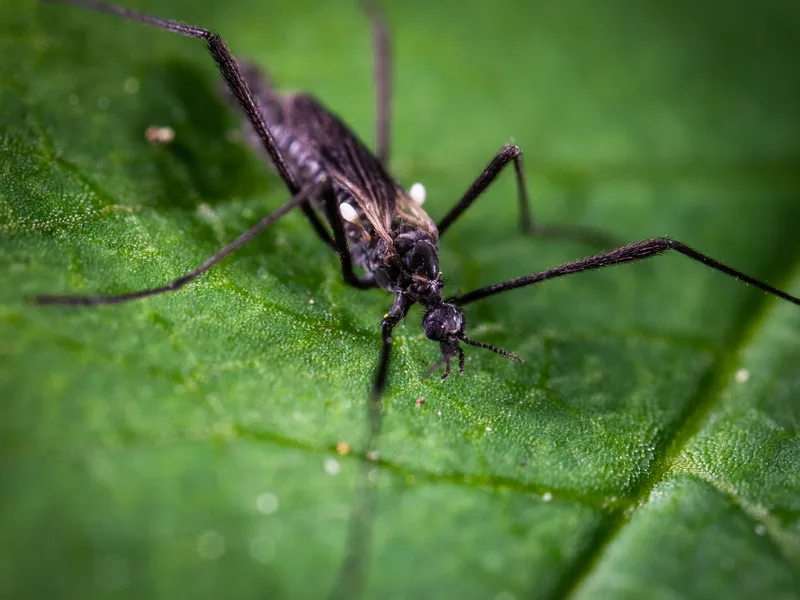
The daytime biter
The daytime biter at Jabal Al Noor rests in the tight dark gaps between shops and the mountain, and in the natural cracks and crevices in the rock.
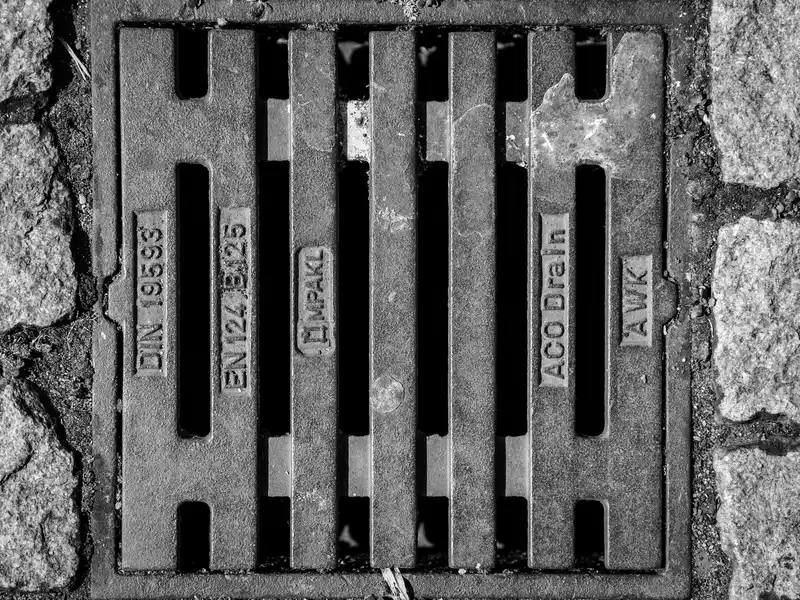
The one that comes out after sunset
The one that comes out after sunset emerges from the mountain's hollows and the gaps between shops to attack visitors climbing down from the peak as evening falls.
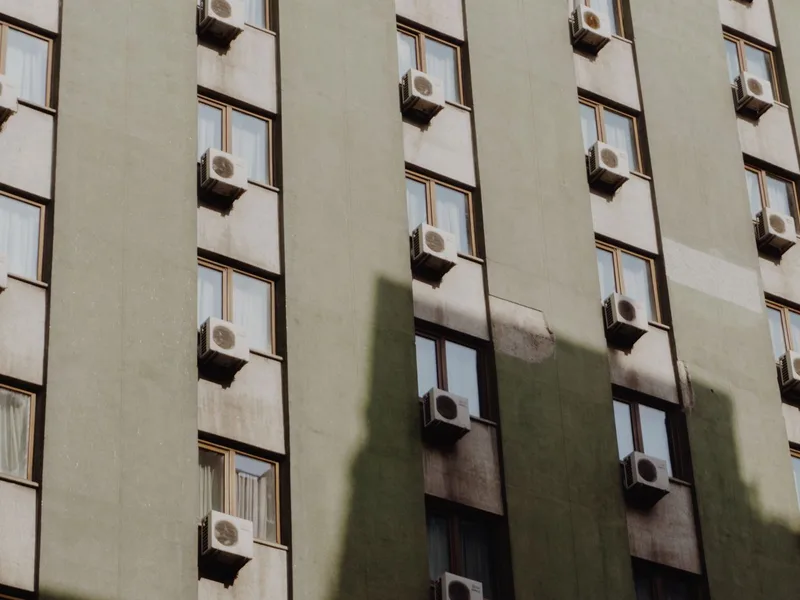
Air-conditioning condensate
Air-conditioning condensate from shops and flats adds to the water visitors pour onto the pavement, creating multiple standing points in the tight gaps and corners.
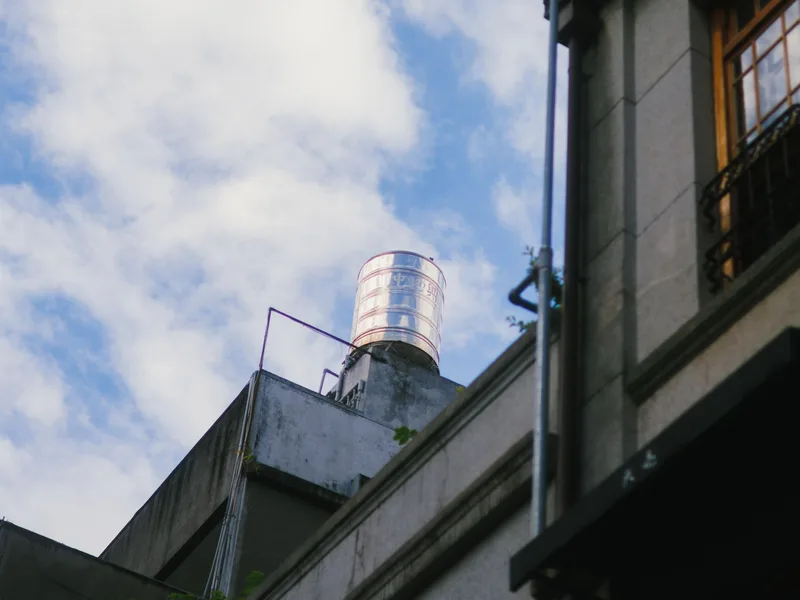
The tank and its openings
Water tanks in each shop or flat may be a source if uncovered, but the main water comes from visitor runoff and daily cleaning, not from storage tanks.

Garden containers and irrigation
Gardens and irrigation are almost absent here, but leaking pipes and runoff from upper floors provide standing water in the lower gaps and crevices.
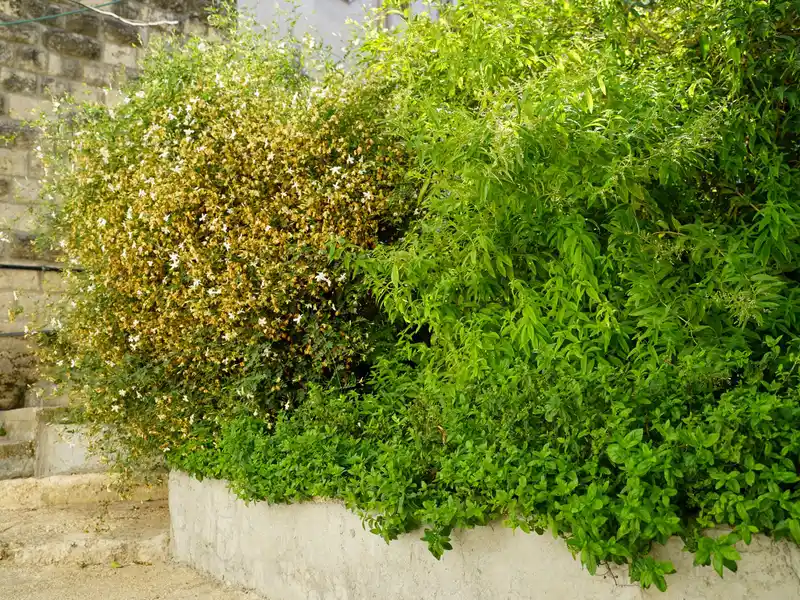
The shade it rests in
The shade where the mosquito rests at Jabal Al Noor is the gaps between shops and the mountain, the natural fissures in the rock, and the below ground voids beneath the shops.
How we work
-
1
Inspect and map the water
We walk the perimeter, the roof, the garden, the meter chambers and the condensate runs, record everything that holds water, and read the species from the breeding site and the time of biting.
-
2
Remove the water that can go
Empty, invert, cover: saucers, containers, old tyres and roof gullies. Every point that disappears is a treatment that never needs repeating.
-
3
Larval treatment, then the resting surfaces
Water that cannot be drained is treated so the larva never completes, then a residual goes under planting, beneath outdoor furniture and along low shaded walls.
-
4
The follow-up visit
We come back once the generation that was in the water on the first visit has completed, review every point we recorded and re-treat where needed.
What mosquito control includes
-

A recorded water survey
Roof, perimeter, garden, meter chambers and condensate lines, written down before anything is applied.
-

Draining and covering the sources
Emptying what can be emptied, draining what can be drained, and covering what has to stay full.
-

Larval treatment for the water that stays
For ground tanks, inspection chambers, water features and any permanent water that has to remain.
-

A residual on the resting places
Under trees and shrubs, beneath outdoor furniture and on shaded walls, where the adult sits out the day.
-

Aftercare instructions
What stays inverted, what gets covered, which openings need mesh, and when watering goes back to normal.
-

A scheduled follow-up
A set date after the first treatment, with every recorded water point reviewed and re-treated if the water came back.
What is different about Al Maabdah Sub-Municipality
Al Maabdah sub municipality climbs from Al Abtah and Al Jumayzah beside the Al Mualla cemetery up through Al Khansa and Rai Adhakhir to Al Adl, Jabal Al Nour, Wadi Jaleel and Qurtubah on the outer ring roads. It mixes hotels and pilgrim housing near the Grand Mosque with old popular houses on hillside passes, new housing schemes on valley floors that carry flash floods after rain, and industrial plots, workshops and warehouses along Al Hajj Street in Qurtubah. Street widening and expropriation leave partly demolished frontages in Al Khansa.
Questions about this district
Does the water visitors pour onto the pavement breed mosquitoes fast enough to be a real problem?
Yes. Dozens of visitors pouring water on the pavement and into gaps every day accumulate pools rapidly, especially in the heat. Eggs hatch to adults in about a week and the cycle repeats.
If the shop owner washes the floor several times daily, will that stop mosquito breeding underneath?
Repeated washing cleans the visible floor but does not reach the tight gaps between shops. Mosquitoes breed in cracks and spaces where the water spray cannot penetrate.
Will treating the shop alone stop mosquitoes or do they come down from the hollows in the mountain?
The shop alone will not be protected if the hollows and gaps around the mountain are not treated. Mosquitoes descend from the mountain into the shop, so both sources must be treated.
Are the flats above the shops more exposed than the shops themselves below?
The upper flats are exposed to mosquitoes from the shops through shared voids and pipes. Treatment must cover both the shop and the flat because mosquitoes use the pathways between them.
Does the heavy visiting season explode the mosquito population around Jabal Al Noor?
Yes. Hajj, Umrah and holiday seasons bring more visitors and more water on the pavement and in the gaps. Treatment frequency must increase weeks before the Hajj begins.
Does sea humidity from the nearby coast increase mosquitoes here on the mountain?
Jabal Al Noor lies about 50 kilometres from the sea, but general air humidity and water accumulation from visitors create ideal conditions. Humidity and water together accelerate breeding cycles.
How much does mosquito control in Jabal Al Noor cost?
It is set after the inspection, because the price follows the type of infestation, the size of the space, how far it has spread and the number of visits it needs. Send a photo and a description on WhatsApp and we will give you an estimate before we reach Jabal Al Noor.
Nearby districts we cover
Other services in Jabal Al Noor
Other services we provide to residents of Jabal Al Noor.
-
 Residential
Cockroach control
Residential
Cockroach control
-
 Residential
Bed bug control
Residential
Bed bug control
-
 Residential
Termite control
Residential
Termite control
-
 Residential
Rodents and mice
Residential
Rodents and mice
-
 Residential
Fly control
Residential
Fly control
-
 Residential
Ant control
Residential
Ant control
-
 Residential
Gecko control
Residential
Gecko control
-
 Residential
Scorpion control
Residential
Scorpion control
-
 Residential
Snake control
Residential
Snake control
-
 Residential
Flea control
Residential
Flea control
-
 Residential
Bird and pigeon control
Residential
Bird and pigeon control
-
 Residential
Preventive treatment
Residential
Preventive treatment
-
 Residential
Disinfection
Residential
Disinfection
-
 Commercial
Annual contracts
Commercial
Annual contracts
-
 Commercial
Restaurants and cafes
Commercial
Restaurants and cafes
-
 Commercial
Hotels and apartments
Commercial
Hotels and apartments
-
 Commercial
Warehouses and factories
Commercial
Warehouses and factories
-
 Commercial
Schools and nurseries
Commercial
Schools and nurseries
-
 Commercial
Retail and malls
Commercial
Retail and malls
-
 Commercial
Rest houses and farms
Commercial
Rest houses and farms
-
 Commercial
Fumigation
Commercial
Fumigation
-
 Water tanks
Water tank cleaning
Water tanks
Water tank cleaning
-
 Water tanks
Water tank sterilization
Water tanks
Water tank sterilization
-
 Water tanks
Water tank sealing
Water tanks
Water tank sealing
-
 Water tanks
Tank leak repair
Water tanks
Tank leak repair
Need mosquito control in Jabal Al Noor? Tell us what you saw and we will tell you what it needs
We reach Jabal Al Noor at a time we agree, and you get the full cost before we start.