

Preventive treatment in Al Fayha Makkah
Al Fayha is a large expansion area in north west Makkah laid out on previously vacant ground as organised housing schemes with wide spacing between plots. New villas and apartment blocks rise on sloping land surrounded by extensive vacant tracts still under development. The Al Fayha shopping centre and parks create pockets of activity and irrigation. The preventive programme here targets the new foundations, tracks pressure from the surrounding vacant land, and manages the seasonal effects of the parks and commercial activity.
-
Targeted, not broadcast
Product goes into cracks and runways, never sprayed across open surfaces.
-
Told before we start
What we will use, where it goes, and what to cover or move before we arrive.
-
A follow-up visit
We return after the first treatment, because what survives it does not show on the day.
-
Homes and businesses
Apartments and villas, and kitchens and stores that need a record of each visit.
Why they keep coming back in Al Fayha
Vast vacant plots offer unprotected space where insects and rodents move freely towards new structures. The shopping centre and associated food businesses generate food waste and attract insects. New foundations sit on land never previously built or occupied. The method is set out in full on our Preventive treatment service.
Vast vacant schemes create high ambient insect pressure with minimal natural barriers
The extensive vacant land surrounding Al Fayha homes provides unrestricted movement for insects, rodents and snakes. No buildings or infrastructure block their travel between raw ground and new structures. The preventive programme must intensify the external barrier at the base of each home because the baseline pressure from undeveloped land is extremely high and continuous.
The commercial centre and its food businesses generate continuous insect pressure
Al Fayha shopping centre with its restaurants and cafes is an insect magnet. Food waste, delivery activity and commercial foot traffic create strong attractants that draw insects outward from the centre towards surrounding homes. Residential plots adjacent to the centre experience significantly higher pressure than plots on the outer edges. The programme increases monitoring frequency for homes in the zone closest to commercial activity.
Dense irrigation in parks and walkways raises seasonal moisture and seasonal insect population
Al Fayha Park and the district walkway are extensively irrigated, providing ideal conditions for mosquitoes, ants and other moisture-loving insects. The residential plots adjacent to irrigated zones experience higher pressure during watering seasons. The programme tracks this seasonal effect and monitoring frequency may increase during peak irrigation periods.
The character of Al Fayha
New development: ongoing construction and vacant plots between the homes
New development in Al Fayha means vast vacant tracts providing permanent and intense pressure from insects and rodents with minimal natural barriers. The programme responds by strengthening the external barrier at each home's base and establishing much denser monitoring than would be applied to mature districts.
What a preventive visit reads
Wide plot schemes with large tracts remaining vacant or under construction. An integrated shopping centre with restaurants and cafes occupies the centre of the district. New parks and walkways with dense irrigation are part of the master plan and surround the housing blocks.
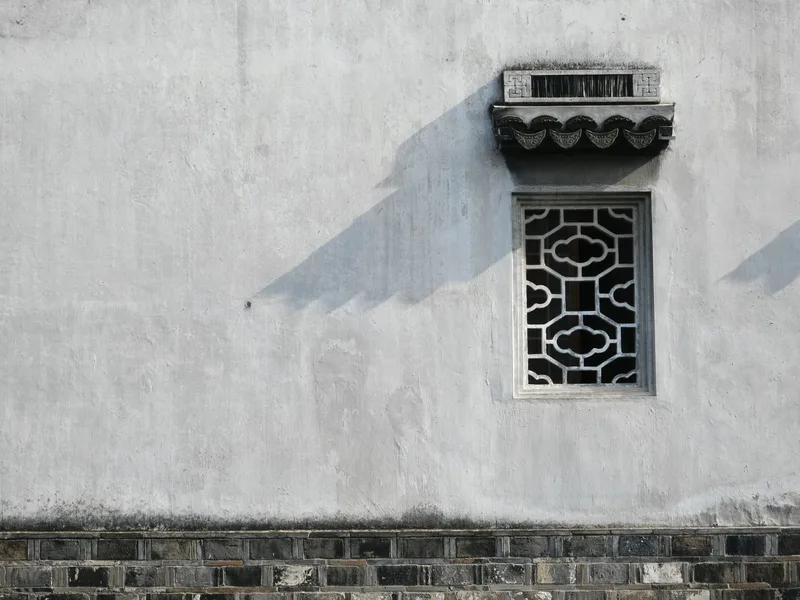
The base of the outside wall
The external wall base on new foundations receives strong preventive treatment. The external residual band is thicker and more comprehensive than standard application because of the sustained high pressure from surrounding vacant land.

Gaps and openings
Cracks and gaps in new concrete and around pipes and entry points have monitoring stations placed at close intervals to track pressure from the vacant schemes, the adjacent park and the shopping centre.
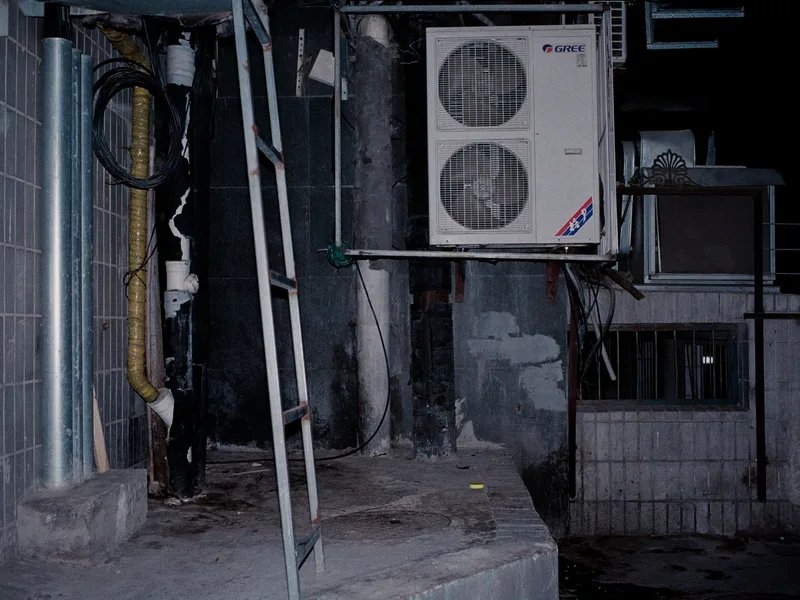
Air conditioning condensate
Condensate from air conditioning and water pipes in new homes requires regular monitoring because new installations often leak in their first year. Moisture around pipes attracts insects, especially near the surrounding vacant plots.
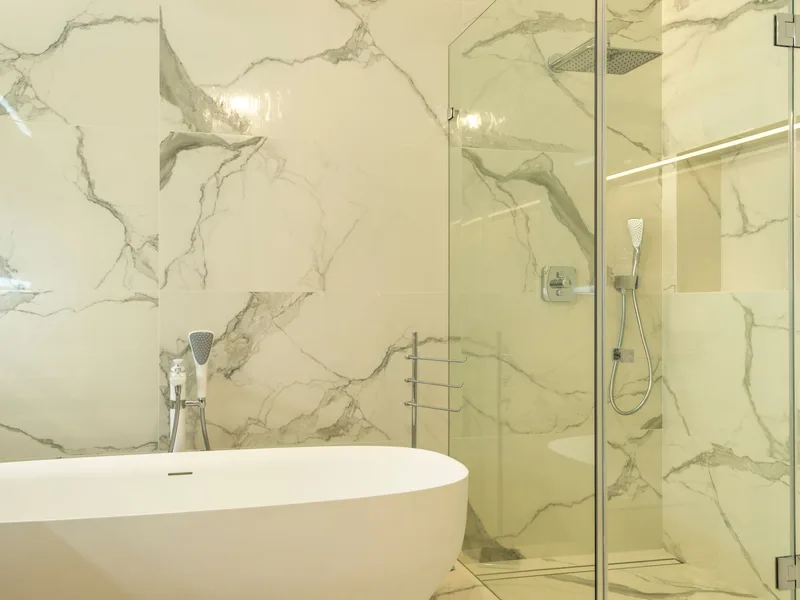
Floor drains
Floor drains at the foundation base and external entry points have monitoring stations. Gaps around utility pipes provide pathways for insects from vacant land into the structure, and are treated accordingly.
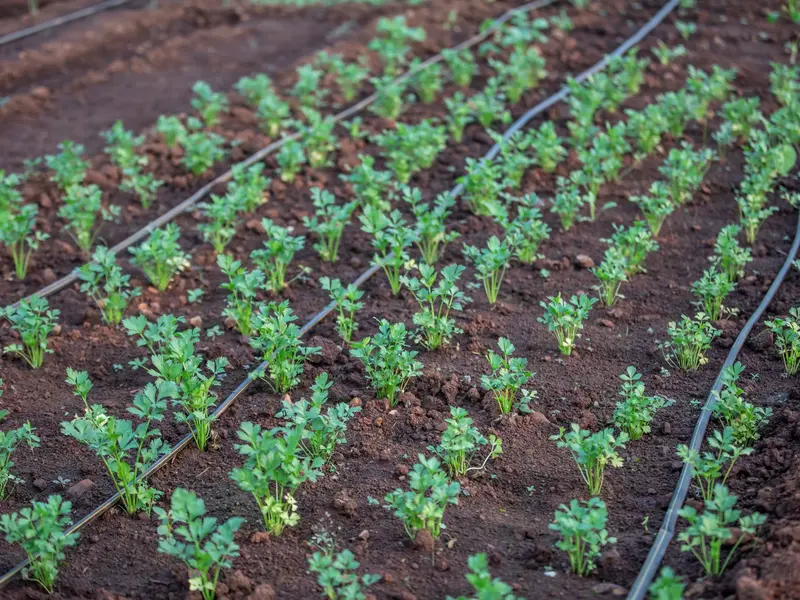
Irrigation against the wall
Private garden irrigation from new landscaping and the proximity to irrigated public parks increase moisture at the external wall base. Monitoring tracks the irrigation effect during heavy watering seasons from March through August.
The monitoring points
Monitoring points are placed at increased density at the external wall base, around pipes and entry points, and around the building perimeter where it meets vacant land.
How we work
-
1
The baseline survey
We walk the outside boundary and then the inside: gaps under doors, pipe runs, vents, condensate lines, drains, the bin area and the store, and we fix the monitoring points before anything is applied.
-
2
Close the routes
Mesh on the vents, the gap under the door dealt with, the sleeve around a pipe run closed, and water put back into the drain nobody uses. Exclusion saves a spray that would otherwise repeat forever.
-
3
The band and the placed product
A residual band at the base of the wall outside and around door and window openings, with placed product inside joints and closed voids where it is warranted, and no open spray across living surfaces.
-
4
The scheduled visit: read, renew, record
We read the points to see which side is under pressure, renew the band where sun or irrigation has taken it, aim the visit at what the coming season opens up, and write down what was found and what was used.
What the preventive programme includes
-

A survey, then a check every visit
Entry points, moisture sources and storage, recorded before anything is applied and revisited each time.
-

Monitoring points that get read
At the wall and floor junction, under sinks and in the store, checked on every visit rather than only the last one.
-

A renewed exterior band
At the wall base and around the openings, put back wherever sun or irrigation took it between visits.
-

Drains, water lines and waste
The water seal in the drains, the condensate line and the ground around the bins, which are the standing water and food sources.
-

Between the visits
What to keep dry, what to keep closed, and what is worth a call before the next date. Ventilation we tell you before the visit.
-

A scheduled visit and a record of each
An agreed date, what the points held, what was treated, and what changed since last time.
What is different about Al Umrah Sub-Municipality
Al Umrah sub municipality covers the north west of Makkah along the Madinah road and the old Jeddah road, from At Tanim and Masjid Aisha to An Nawwariyah. Its districts are the city's newest, villas and apartment blocks raised on wide schemes where large tracts in Al Umrah Al Jadidah, Al Fayha and Al Buhayrat remain vacant or under construction. Wadi Saraf and Wadi At Tanim run through it and rainwater gathers on unfinished schemes, ihram shops, restaurants and coach stops along the Madinah road serve a constant flow of pilgrims, and villas fill Al Hamra and Umm Al Jud.
Questions about this district
Does the vast vacant land around a new Al Fayha villa attract insects strongly?
Yes, extremely. Vast undeveloped plots provide completely unobstructed habitat and travel routes for insects and rodents. The baseline pressure from vacant land is far higher than from occupied districts. The programme responds by strengthening the external barrier at the wall base and increasing monitoring frequency significantly.
The shopping centre is close by with many restaurants. How much does this affect the nearby villa?
It affects it substantially. Restaurants and food businesses are powerful insect attractants. Villas immediately adjacent to the commercial centre face significantly higher pressure than homes on the outer edges of the district. The programme increases both treatment intensity and monitoring frequency for residences in the commercial zone.
Al Fayha Park is close and irrigated heavily. Does continuous watering attract more insects?
Yes significantly. Heavily irrigated parks create ideal conditions for mosquitoes, ants and other insects. Homes adjacent to irrigated areas experience higher pressure during the irrigation season. The programme tracks this seasonal effect and monitoring increases during peak watering months.
The villa is brand new on land never previously built. Does this affect the preventive approach?
Yes. Undeveloped land may contain dormant insect colonies and rodent populations in the soil. When excavation and building occur, these are released. Preventive treatment of the new foundation intercepts these emergent insects before they enter the villa.
Umm Al Mumineen Road runs through the district as a main route. Does traffic pressure affect the homes?
Yes. The new road brings vehicle traffic, pedestrians, food waste and associated insects. Homes on or near the road face higher pressure than homes in the interior. The programme factors in road proximity and increases monitoring for properties with road frontage.
Does the Imam Al Shafii Mosque near the district affect insect activity?
The mosque itself does not directly increase insects, but the movement of worshippers and daily activity around it may create opportunities for insects to enter through doors and openings. Homes adjacent to mosques benefit from regular inspection of entry points and perimeter areas.
How much does preventive treatment in Al Fayha cost?
It is set after the inspection, because the price follows the type of infestation, the size of the space, how far it has spread and the number of visits it needs. Send a photo and a description on WhatsApp and we will give you an estimate before we reach Al Fayha.
Nearby districts we cover
Other services in Al Fayha
Other services we provide to residents of Al Fayha.
-
 Residential
Cockroach control
Residential
Cockroach control
-
 Residential
Bed bug control
Residential
Bed bug control
-
 Residential
Termite control
Residential
Termite control
-
 Residential
Rodents and mice
Residential
Rodents and mice
-
 Residential
Mosquito control
Residential
Mosquito control
-
 Residential
Fly control
Residential
Fly control
-
 Residential
Ant control
Residential
Ant control
-
 Residential
Gecko control
Residential
Gecko control
-
 Residential
Scorpion control
Residential
Scorpion control
-
 Residential
Snake control
Residential
Snake control
-
 Residential
Flea control
Residential
Flea control
-
 Residential
Bird and pigeon control
Residential
Bird and pigeon control
-
 Residential
Disinfection
Residential
Disinfection
-
 Commercial
Annual contracts
Commercial
Annual contracts
-
 Commercial
Restaurants and cafes
Commercial
Restaurants and cafes
-
 Commercial
Hotels and apartments
Commercial
Hotels and apartments
-
 Commercial
Warehouses and factories
Commercial
Warehouses and factories
-
 Commercial
Schools and nurseries
Commercial
Schools and nurseries
-
 Commercial
Retail and malls
Commercial
Retail and malls
-
 Commercial
Rest houses and farms
Commercial
Rest houses and farms
-
 Commercial
Fumigation
Commercial
Fumigation
-
 Water tanks
Water tank cleaning
Water tanks
Water tank cleaning
-
 Water tanks
Water tank sterilization
Water tanks
Water tank sterilization
-
 Water tanks
Water tank sealing
Water tanks
Water tank sealing
-
 Water tanks
Tank leak repair
Water tanks
Tank leak repair
Need preventive treatment in Al Fayha? Tell us what you saw and we will tell you what it needs
We reach Al Fayha at a time we agree, and you get the full cost before we start.