
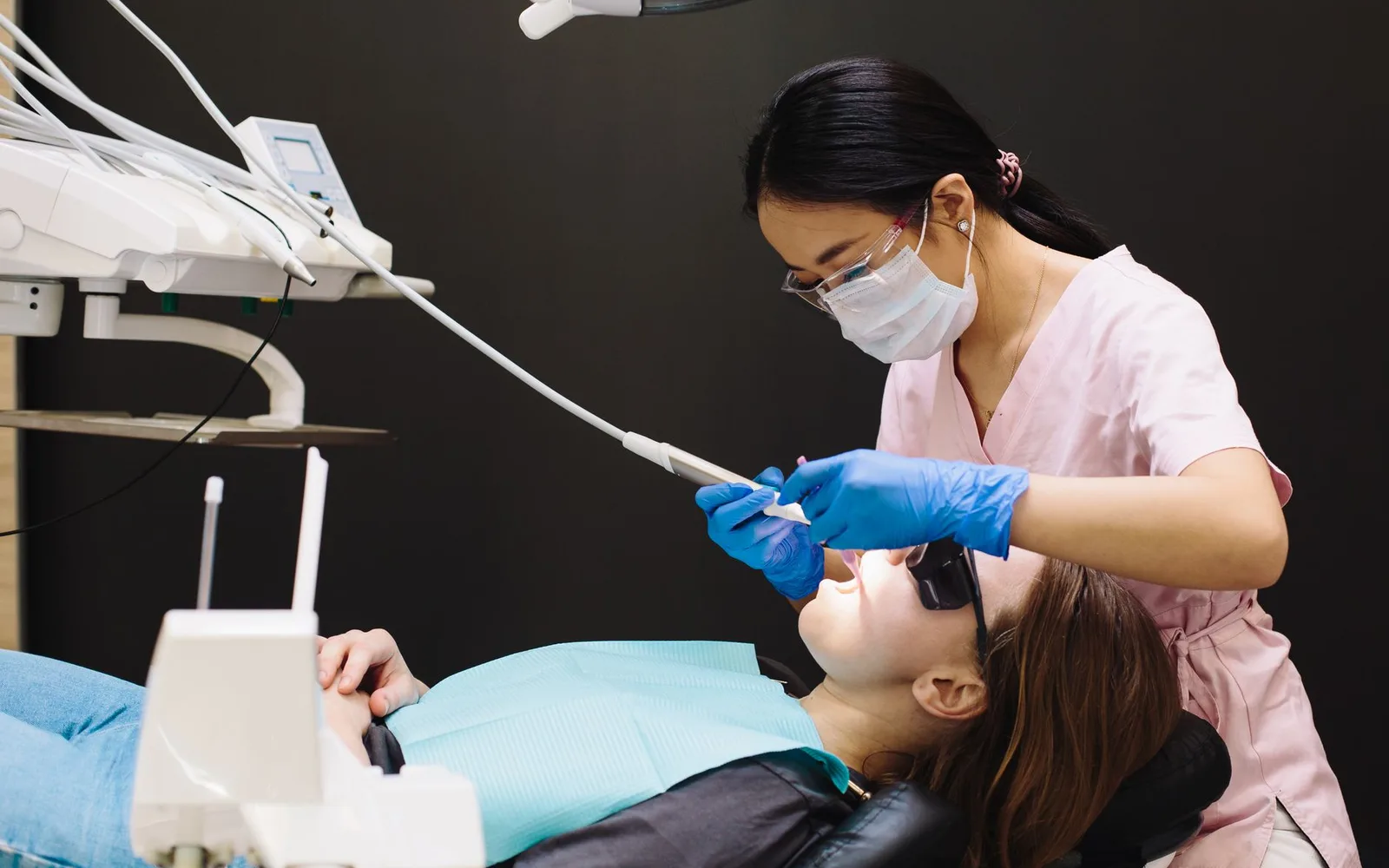
Preventive treatment in Al Rawdah Makkah
Al Rawdah clusters hotels and apartment blocks for seasonal pilgrim accommodation between King Fahd Road and the Al Faisaliyah Tunnel, where old family homes are steadily replaced by tall residential towers. The continuous building work and the proximity to the Grand Mosque mean insect pressure that never drops, rising sharply with each wave of visitors heading to the holy sites.
-
Targeted, not broadcast
Product goes into cracks and runways, never sprayed across open surfaces.
-
Told before we start
What we will use, where it goes, and what to cover or move before we arrive.
-
A follow-up visit
We return after the first treatment, because what survives it does not show on the day.
-
Homes and businesses
Apartments and villas, and kitchens and stores that need a record of each visit.
Why they keep coming back in Al Rawdah
Furnished and seasonal units in Al Rawdah turn over rapidly. Insects travel easily in furniture, bedding and luggage as guests arrive and depart, and infestations from one room can seed neighbouring flats within weeks. The method is set out in full on how we approach Preventive treatment.
Shared entrances connecting multiple units
Communal passages, central pipes and shared lobbies link all units together. Protecting one flat alone whilst its neighbours have none does not work. The external band and monitoring points must cover the shared entrance completely and track movement through it continuously.
Continuous demolition and new building
Active construction sites, exposed foundations and excavation nearby attract insects and shelter them during building work. New blocks start without protection, and demolition leaves rubble and bare earth that harbours insects until the site is cleared. Each new hotel or residential block begins as a blank slate.
Seasonal pressure linked to the Hajj calendar
Guest numbers in hotels and shared accommodation spike dramatically in the weeks approaching Hajj season. Preventive visits intensify before the peak because insect pressure jumps suddenly once the season opens. The monitoring points read this shift and adjust visit frequency accordingly.
Al Rawdah on the map
Al Rawdah sits about 1 km from Al Maabdah and about 1.5 km from Al Jumayzah.
Open in Google MapsWhat a preventive visit reads
The location between Jabal Abu Qubais and King Fahd Road brings high humidity and seasonal floodwaters that pass close to the district, raising natural insect pressure on all residential units and shared entrances.
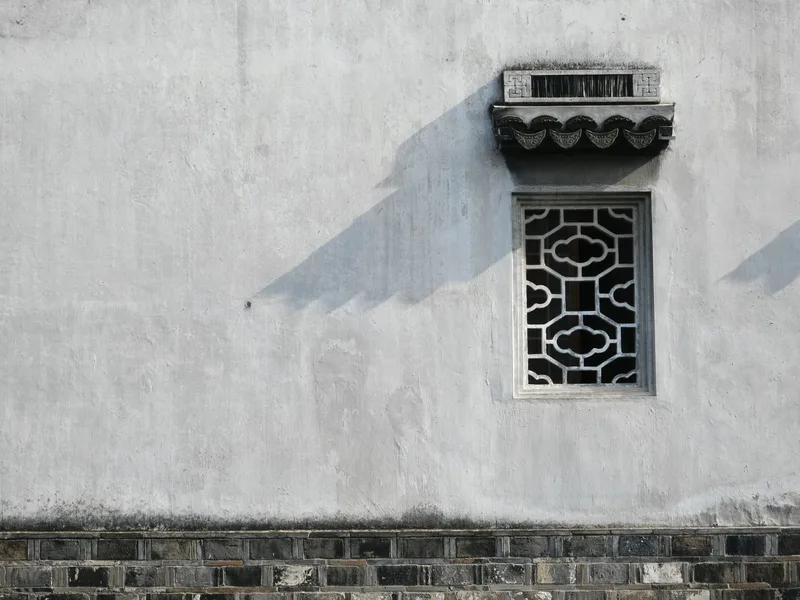
The base of the outside wall
The base of the wall in Al Rawdah is surrounded by active building sites and excavations, so the external band needs regular checking because earth and dust cover it and weaken adhesion.
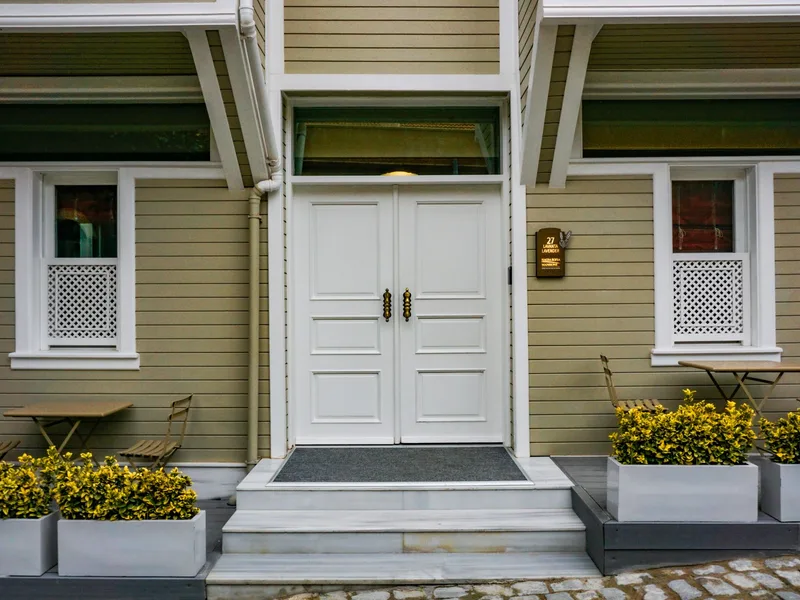
Gaps and openings
Shared passages and communal entrances are the main weak points here, and gaps around central pipes need precise sealing because they connect large numbers of units vertically.
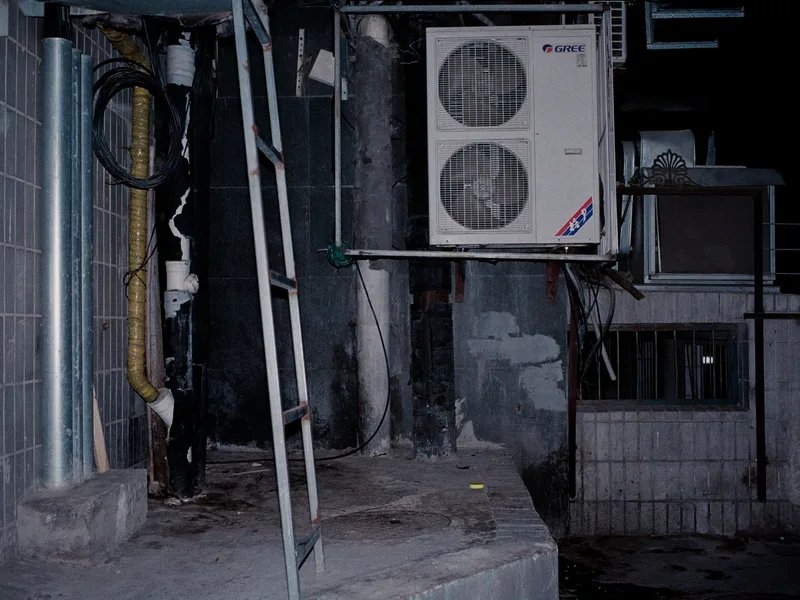
Air conditioning condensate
Air conditioning condensate from tall blocks drains to shared foundations and may reach the base of adjacent new buildings, creating permanent moisture zones that draw insects.
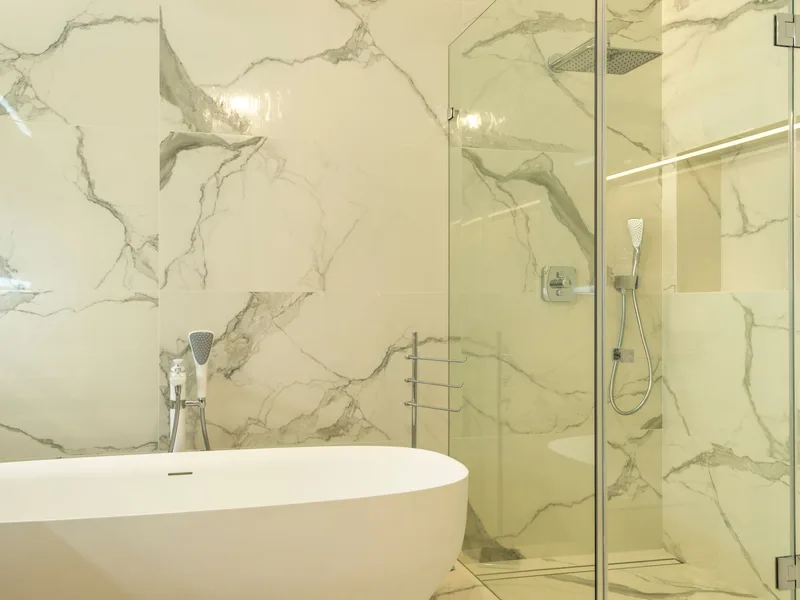
Floor drains
Floor drains in hotels and pilgrim housing see heavy use and often clog with grease, trapping moisture and drawing insects toward warm zones inside the units.
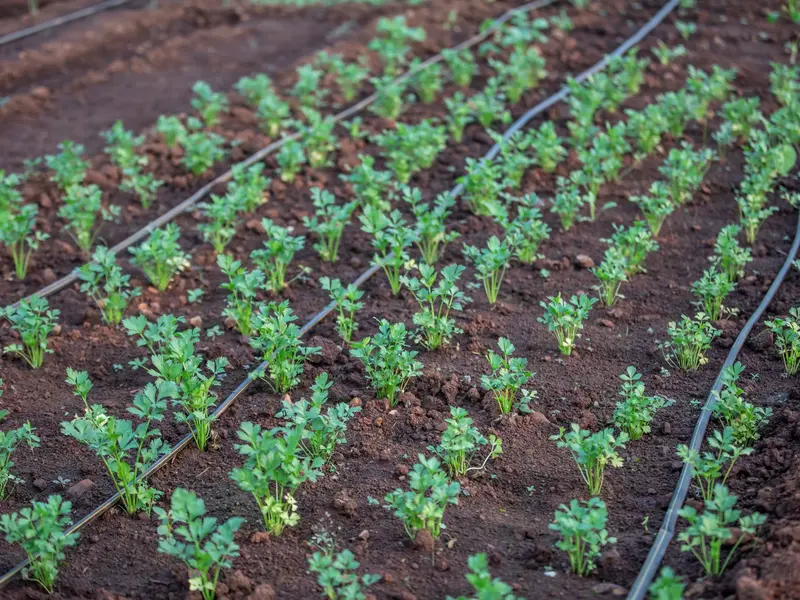
Irrigation against the wall
Irrigation around hotels and new blocks runs intensively in warm periods, and water seeps toward foundations and external walls especially at corners where the insulation is thinnest.
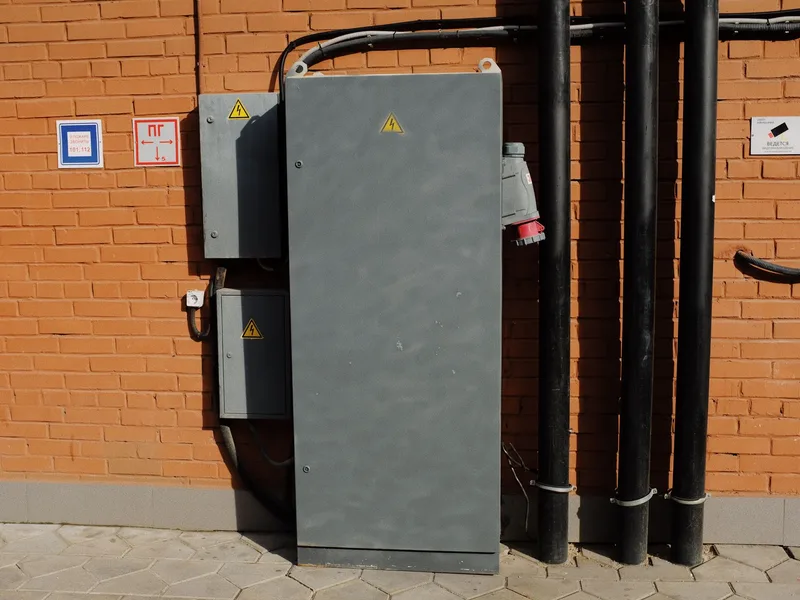
The monitoring points
Monitoring points are positioned at shared entrance doors, around adjacent construction sites and at any fresh cracks or gaps in the external walls of residential blocks.
How we work
-
1
The baseline survey
We walk the outside boundary and then the inside: gaps under doors, pipe runs, vents, condensate lines, drains, the bin area and the store, and we fix the monitoring points before anything is applied.
-
2
Close the routes
Mesh on the vents, the gap under the door dealt with, the sleeve around a pipe run closed, and water put back into the drain nobody uses. Exclusion saves a spray that would otherwise repeat forever.
-
3
The band and the placed product
A residual band at the base of the wall outside and around door and window openings, with placed product inside joints and closed voids where it is warranted, and no open spray across living surfaces.
-
4
The scheduled visit: read, renew, record
We read the points to see which side is under pressure, renew the band where sun or irrigation has taken it, aim the visit at what the coming season opens up, and write down what was found and what was used.
What the preventive programme includes
-

A survey, then a check every visit
Entry points, moisture sources and storage, recorded before anything is applied and revisited each time.
-

Monitoring points that get read
At the wall and floor junction, under sinks and in the store, checked on every visit rather than only the last one.
-

A renewed exterior band
At the wall base and around the openings, put back wherever sun or irrigation took it between visits.
-

Drains, water lines and waste
The water seal in the drains, the condensate line and the ground around the bins, which are the standing water and food sources.
-

Between the visits
What to keep dry, what to keep closed, and what is worth a call before the next date. Ventilation we tell you before the visit.
-

A scheduled visit and a record of each
An agreed date, what the points held, what was treated, and what changed since last time.
What is different about Al Maabdah Sub-Municipality
Al Maabdah sub municipality climbs from Al Abtah and Al Jumayzah beside the Al Mualla cemetery up through Al Khansa and Rai Adhakhir to Al Adl, Jabal Al Nour, Wadi Jaleel and Qurtubah on the outer ring roads. It mixes hotels and pilgrim housing near the Grand Mosque with old popular houses on hillside passes, new housing schemes on valley floors that carry flash floods after rain, and industrial plots, workshops and warehouses along Al Hajj Street in Qurtubah. Street widening and expropriation leave partly demolished frontages in Al Khansa.
Questions about this district
Is one flat protected if the hotel next door has no treatment programme?
Adjacent units and shared passages transfer insects readily from hotel to neighbouring flat. The preventive programme works better when surrounding hotels and blocks are also treated, but the external band at your entrance creates a basic barrier that stops insects at the wall itself and stops them entering your unit.
Do furniture replacements and travelling bags bring insects from other hotels?
Seasonal accommodation means constant turnover of furniture, bedding, luggage and personal items. Insects hide easily in these during transport. Monitoring points catch entering insects before they settle, and the external band prevents entry from the base of the wall inwards.
How often do preventive visits come during the Hajj season proper?
In regular periods visits may come every two to three weeks, but the weeks before Hajj season increase sharply. Monitoring points read this shift accurately, so the next visit follows what the points show rather than a fixed calendar date.
Do hotels and pilgrim housing need a different programme from ordinary flats?
Hotels and pilgrim accommodation differ in turnover rates, cleaning schedules and heavy furniture that insects nest in easily. The basic programme is the same, but visit frequency and monitoring point placement adjust to match changing activity levels and seasonal patterns.
Does sealing gaps in shared passages and central pipes need approval from everyone?
Central pipes and shared passages need at least approval from building or hotel management. Sealing does no harm to the structure, but coordinating with management speeds approval and ensures consistent protection across all units rather than scattered gaps.
Does moisture from Jabal Abu Qubais and seasonal floods weaken the preventive spray?
High humidity and seasonal floodwaters wash the external band and force moisture into the building, driving insects indoors to find dry shelter. The programme counters this with a stronger residual band and more frequent monitoring point checks immediately after heavy rain.
How much does preventive treatment in Al Rawdah cost?
It is set after the inspection, because the price follows the type of infestation, the size of the space, how far it has spread and the number of visits it needs. Send a photo and a description on WhatsApp and we will give you an estimate before we reach Al Rawdah.
Nearby districts we cover
Other services in Al Rawdah
Other services we provide to residents of Al Rawdah.
-
 Residential
Cockroach control
Residential
Cockroach control
-
 Residential
Bed bug control
Residential
Bed bug control
-
 Residential
Termite control
Residential
Termite control
-
 Residential
Rodents and mice
Residential
Rodents and mice
-
 Residential
Mosquito control
Residential
Mosquito control
-
 Residential
Fly control
Residential
Fly control
-
 Residential
Ant control
Residential
Ant control
-
 Residential
Gecko control
Residential
Gecko control
-
 Residential
Scorpion control
Residential
Scorpion control
-
 Residential
Snake control
Residential
Snake control
-
 Residential
Flea control
Residential
Flea control
-
 Residential
Bird and pigeon control
Residential
Bird and pigeon control
-
 Residential
Disinfection
Residential
Disinfection
-
 Commercial
Annual contracts
Commercial
Annual contracts
-
 Commercial
Restaurants and cafes
Commercial
Restaurants and cafes
-
 Commercial
Hotels and apartments
Commercial
Hotels and apartments
-
 Commercial
Warehouses and factories
Commercial
Warehouses and factories
-
 Commercial
Schools and nurseries
Commercial
Schools and nurseries
-
 Commercial
Retail and malls
Commercial
Retail and malls
-
 Commercial
Rest houses and farms
Commercial
Rest houses and farms
-
 Commercial
Fumigation
Commercial
Fumigation
-
 Water tanks
Water tank cleaning
Water tanks
Water tank cleaning
-
 Water tanks
Water tank sterilization
Water tanks
Water tank sterilization
-
 Water tanks
Water tank sealing
Water tanks
Water tank sealing
-
 Water tanks
Tank leak repair
Water tanks
Tank leak repair
Need preventive treatment in Al Rawdah? Tell us what you saw and we will tell you what it needs
We reach Al Rawdah at a time we agree, and you get the full cost before we start.