
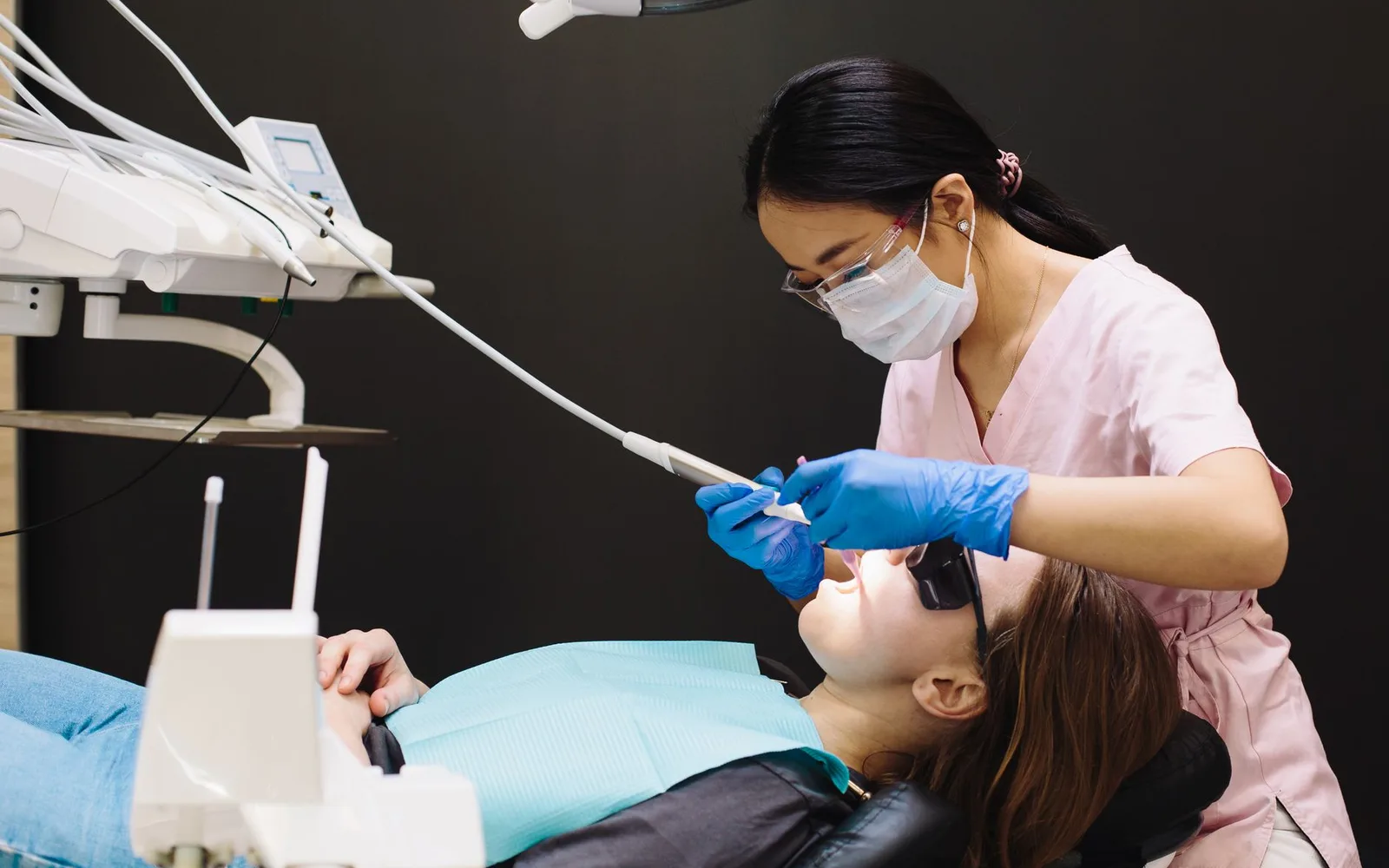
Preventive treatment in Al Salihiyah Jeddah
Al Salihiyah is a new development district east of Al Hamdaniyah in north Jeddah, laid out in new subdivisions with villas, apartments and vacant plots between the buildings. Active construction, earth movement, exposed pipes and incomplete drainage networks create chaotic conditions that attract rodents intensely. Preventive treatment here aims to prevent insect establishment in new homes before they become familiar, and to protect early occupied buildings from neighbours whose land has not yet been built on.
-
Targeted, not broadcast
Product goes into cracks and runways, never sprayed across open surfaces.
-
Told before we start
What we will use, where it goes, and what to cover or move before we arrive.
-
A follow-up visit
We return after the first treatment, because what survives it does not show on the day.
-
Homes and businesses
Apartments and villas, and kitchens and stores that need a record of each visit.
Why they keep coming back in Al Salihiyah
Vacant land and open excavations provide ideal rodent shelter even before building begins; insects colonise disturbed ground and breed before residents ever arrive. The method is set out in full on how we approach Preventive treatment.
Vacant plots concentrate rodents before building starts
Empty land parcels between new buildings offer perfect cover for rats and mice; newly turned soil, waste and construction materials attract them powerfully. Before anyone builds on vacant land, rodents colonise it, and when new residents move in they inherit an established population waiting for their homes to provide access and food.
Exposed pipes and incomplete drainage are insect highways
Water and sewage pipes still being installed and incomplete drainage systems provide direct routes for insects in and out. Active construction means daily work on foundations and large unshielded gaps left open, turning the site into an open corridor for insects.
First occupied homes face pressure from surrounding empty properties
The first new occupied home may be surrounded by vacant land and unoccupied buildings nearby. Insects from vacant properties and empty houses attack the single occupied home in their area with much higher intensity than they would in a complete neighbourhood.
The character of Al Salihiyah
New development: ongoing construction and vacant plots between the homes
Ongoing construction means the new home is not yet a finished sealed unit but an active building site vulnerable to infiltration. Preventive treatment protects against insects from surrounding vacant land and empty homes before they establish themselves in the new property, rather than reducing external pressure itself.
What a preventive visit reads
A newly developed district north of Jeddah with wide planned streets but many vacant plots, exposed foundations and underground pipes still being installed, and the full infrastructure remains incomplete.
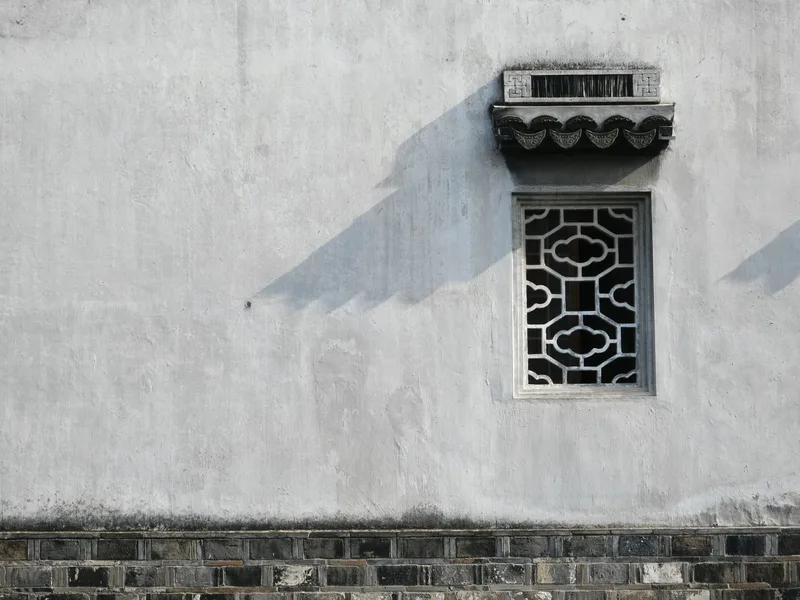
The base of the outside wall
The base of the new villa's outside wall may be exposed for long periods before foundation work is complete; the external band is positioned once the foundation is ready and checked after each neighbouring construction activity.
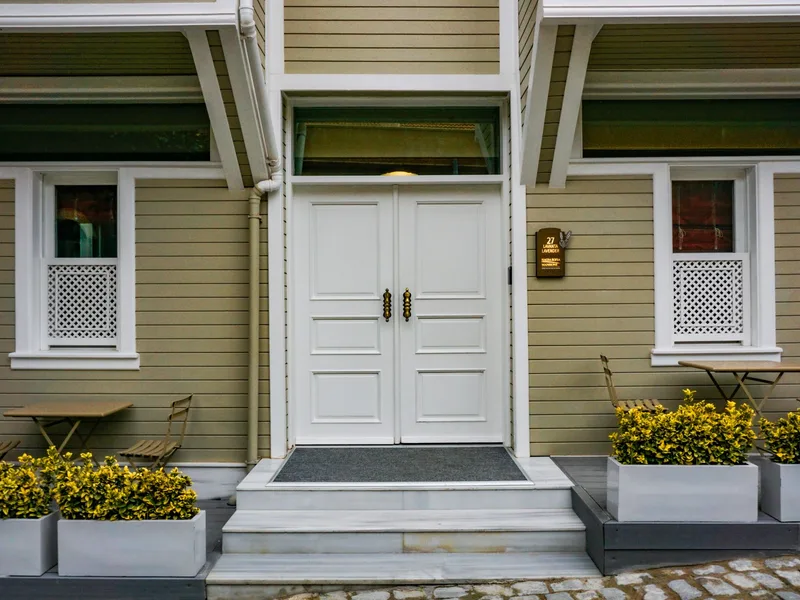
Gaps and openings
Uninstalled or partially installed windows and gaps in new homes under completion provide direct insect entry, and preventive treatment focuses on these before final window installation is done.
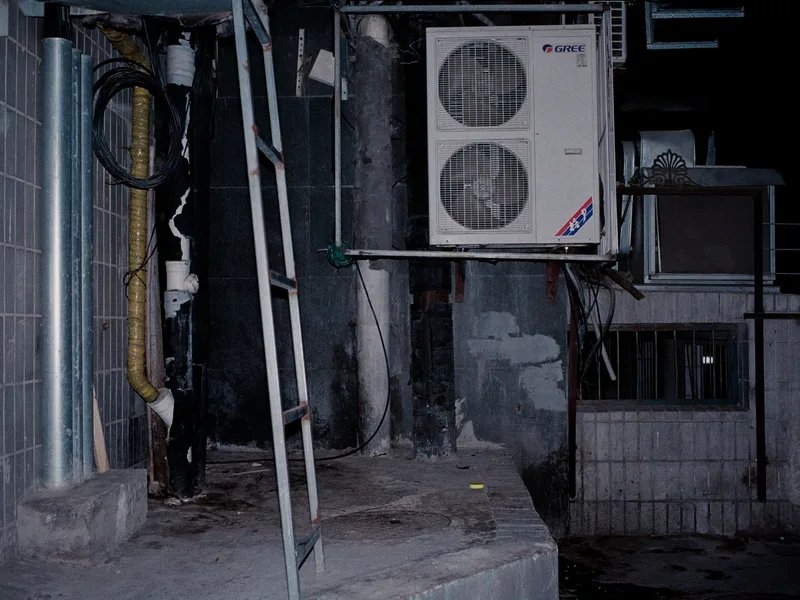
Air conditioning condensate
Air conditioning drains in developing districts may empty into vacant areas with no final drainage installed, creating temporary but sufficient water pooling for mosquito breeding cycles.
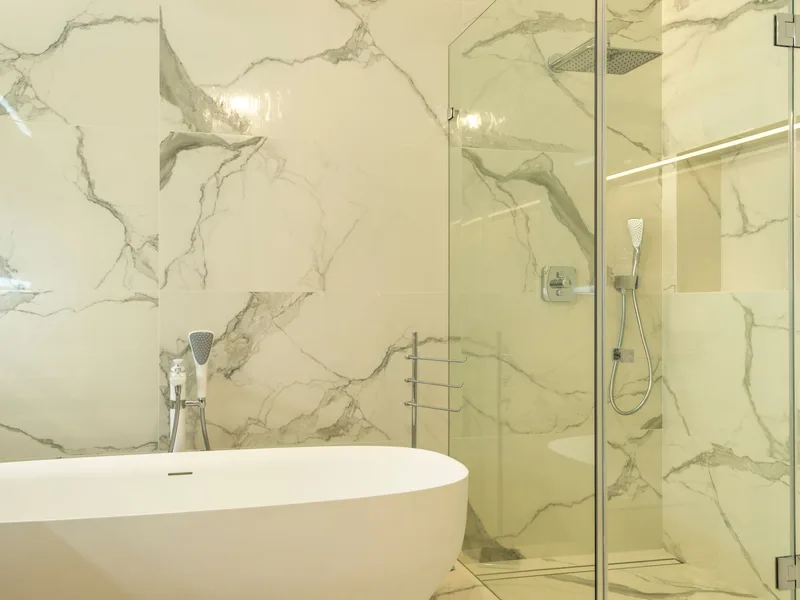
Floor drains
Floor drains may be exposed or incompletely installed, and monitoring points are placed at every open drain to read any insect activity as construction completes around the building.
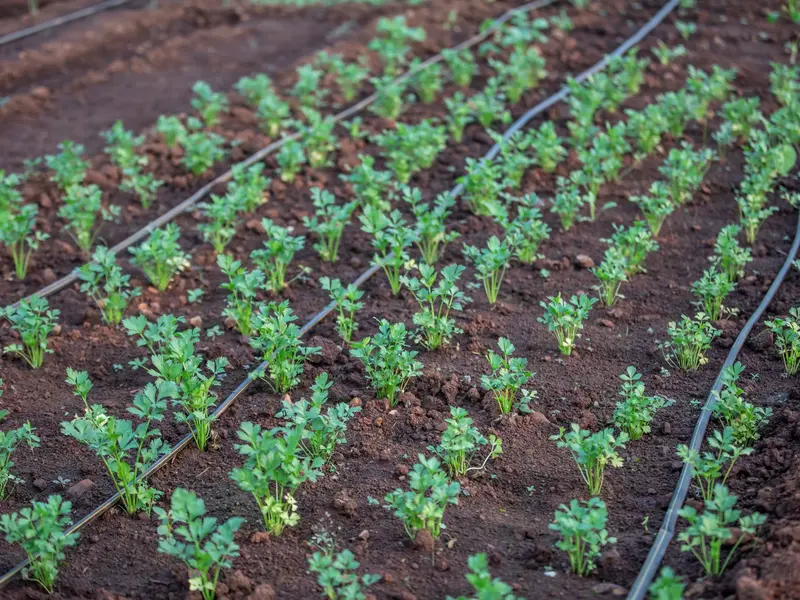
Irrigation against the wall
Irrigation against the wall does not exist in new homes yet but initial plumbing layouts may be exposed and collect water; points monitor these temporary accumulations until landscaping is finished.
The monitoring points
Monitoring points in new homes are placed at temporary fixed locations and may relocate as building progresses, or become permanent once interior finishing is complete.
How we work
-
1
The baseline survey
We walk the outside boundary and then the inside: gaps under doors, pipe runs, vents, condensate lines, drains, the bin area and the store, and we fix the monitoring points before anything is applied.
-
2
Close the routes
Mesh on the vents, the gap under the door dealt with, the sleeve around a pipe run closed, and water put back into the drain nobody uses. Exclusion saves a spray that would otherwise repeat forever.
-
3
The band and the placed product
A residual band at the base of the wall outside and around door and window openings, with placed product inside joints and closed voids where it is warranted, and no open spray across living surfaces.
-
4
The scheduled visit: read, renew, record
We read the points to see which side is under pressure, renew the band where sun or irrigation has taken it, aim the visit at what the coming season opens up, and write down what was found and what was used.
What the preventive programme includes
-

A survey, then a check every visit
Entry points, moisture sources and storage, recorded before anything is applied and revisited each time.
-

Monitoring points that get read
At the wall and floor junction, under sinks and in the store, checked on every visit rather than only the last one.
-

A renewed exterior band
At the wall base and around the openings, put back wherever sun or irrigation took it between visits.
-

Drains, water lines and waste
The water seal in the drains, the condensate line and the ground around the bins, which are the standing water and food sources.
-

Between the visits
What to keep dry, what to keep closed, and what is worth a call before the next date. Ventilation we tell you before the visit.
-

A scheduled visit and a record of each
An agreed date, what the points held, what was treated, and what changed since last time.
Landmarks of Al Salihiyah
Work in Al Salihiyah is organised by its new extent between Al Furusiyah Street, the main district thoroughfare, and Abu Bakr Al Siddiq Mosque with the Al Salihiyah Health Centre marking the core of rapidly expanding subdivisions. Visits concentrate on the first occupied villas and apartments and protecting surrounding vacant plots from becoming breeding sources.
- Al Furusiyah Street
- Al Salihiyah Health Centre
- Abdulrahman bin Awf Mosque
- Abu Bakr Al Siddiq Mosque
Questions about this district
Is preventive treatment before moving into a new home better than treatment after?
Yes, significantly. Treating the empty house, foundations and yard before occupancy prevents insect establishment from the start. After moving and unpacking and disruption, insects will already have established themselves.
How many preventive visits does a new home need while the district is still developing?
At least every three weeks during the first two years of occupancy, because pressure from vacant land and ongoing construction around you is constant. As neighbouring buildings are completed, pressure gradually declines over time.
Do gaps between new villas attract more insects than gaps between old villas?
These gaps are much worse because they are exposed: no finished concrete surfaces, no final drainage, no protective covering. Vacant plots collect water and waste, making the gaps between new buildings ideal highways for rodents and insects.
Can I be certain a brand new villa is completely free of insects at first?
No. A new home is built on land that was previously vacant, but the builder may have left gaps during construction. Preventive treatment before occupancy ensures that any insects that may have entered during building work are eliminated.
Why is insect pressure in Al Salihiyah lower than dense districts but still constant?
Pressure is relatively low but steady because of vacant land and ongoing construction. Dense old quarters have higher pressure but it is steadier from fully occupied buildings; Al Salihiyah has variable pressure from active building work that makes it fluctuate.
Does moisture from incomplete drainage increase insect populations?
Greatly. Incomplete drains and temporary standing water in construction zones create breeding sites for mosquitoes and aquatic insects. Preventive treatment prioritises these areas in homes adjacent to ongoing works.
How much does preventive treatment in Al Salihiyah cost?
It is set after the inspection, because the price follows the type of infestation, the size of the space, how far it has spread and the number of visits it needs. Send a photo and a description on WhatsApp and we will give you an estimate before we reach Al Salihiyah.
Nearby districts we cover
Other services in Al Salihiyah
Other services we provide to residents of Al Salihiyah.
-
 Residential
Cockroach control
Residential
Cockroach control
-
 Residential
Bed bug control
Residential
Bed bug control
-
 Residential
Termite control
Residential
Termite control
-
 Residential
Rodents and mice
Residential
Rodents and mice
-
 Residential
Mosquito control
Residential
Mosquito control
-
 Residential
Fly control
Residential
Fly control
-
 Residential
Ant control
Residential
Ant control
-
 Residential
Gecko control
Residential
Gecko control
-
 Residential
Scorpion control
Residential
Scorpion control
-
 Residential
Snake control
Residential
Snake control
-
 Residential
Flea control
Residential
Flea control
-
 Residential
Bird and pigeon control
Residential
Bird and pigeon control
-
 Residential
Disinfection
Residential
Disinfection
-
 Commercial
Annual contracts
Commercial
Annual contracts
-
 Commercial
Restaurants and cafes
Commercial
Restaurants and cafes
-
 Commercial
Hotels and apartments
Commercial
Hotels and apartments
-
 Commercial
Warehouses and factories
Commercial
Warehouses and factories
-
 Commercial
Schools and nurseries
Commercial
Schools and nurseries
-
 Commercial
Retail and malls
Commercial
Retail and malls
-
 Commercial
Rest houses and farms
Commercial
Rest houses and farms
-
 Commercial
Fumigation
Commercial
Fumigation
-
 Water tanks
Water tank cleaning
Water tanks
Water tank cleaning
-
 Water tanks
Water tank sterilization
Water tanks
Water tank sterilization
-
 Water tanks
Water tank sealing
Water tanks
Water tank sealing
-
 Water tanks
Tank leak repair
Water tanks
Tank leak repair
Need preventive treatment in Al Salihiyah? Tell us what you saw and we will tell you what it needs
We reach Al Salihiyah at a time we agree, and you get the full cost before we start.