
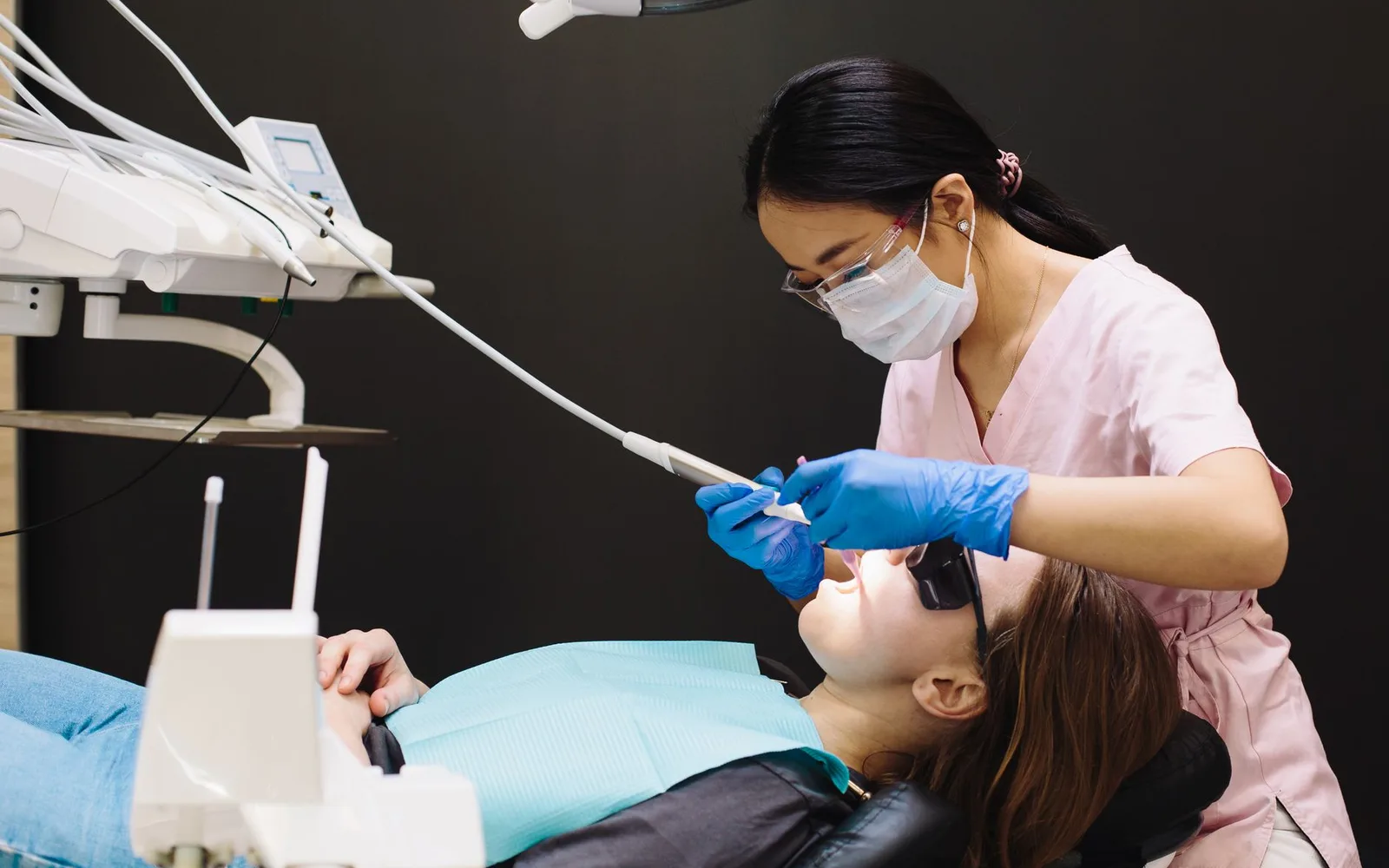
Preventive treatment in Harat Al Kanadirah Jeddah
Harat Al Kanadirah in Thuwal coastal town combines old popular houses with ground-floor shops and flats above them. The maritime humidity and proximity to the university mean crawling insect pressure stays high through every season, and commercial traffic below feeds a constant upward current.
-
Targeted, not broadcast
Product goes into cracks and runways, never sprayed across open surfaces.
-
Told before we start
What we will use, where it goes, and what to cover or move before we arrive.
-
A follow-up visit
We return after the first treatment, because what survives it does not show on the day.
-
Homes and businesses
Apartments and villas, and kitchens and stores that need a record of each visit.
Why they keep coming back in Harat Al Kanadirah
Shops at ground level drop crumbs, oils and water. Insects seep from them into flats above through gaps around shared pipework and cable entries. The method is set out in full on Preventive treatment in detail.
Maritime humidity speeds up the insect cycle
Salt air and high humidity in Thuwal accelerate the reproduction of crawling insects and flies. Numbers climb rapidly in spring and summer, and the external residual band needs renewal much more often than inland districts where the season is drier and the cycle slower.
Shops below flats create relentless upward pressure
Shops open all day and bring in food and waste. Insects climb shared risers and seep through gaps around cable entries. Monitoring points in a flat above a shop register higher pest numbers than points in flats in purely residential streets.
The base of the wall faces moisture from two sides
The wall base is squeezed between soil moisture below and shop condensate above. The external band erodes faster. Shop drainage and air conditioner outflows leave the base perpetually wet, and every small gap becomes an insect gateway.
The character of Harat Al Kanadirah
Mixed district: shops at street level with homes above them
A mixed district means pest pressure comes from two directions at once: from outside through the wall and band, and from inside through shared risers. Shops open food sources and water, and flats are surrounded from within. The preventive programme must cut both routes at the same time.
What a preventive visit reads
The town sits on Wadi Thuwal and depends on tanked water. Soil around foundations stays damp year-round, and the university campus to the north channels insects steadily into the quarter.
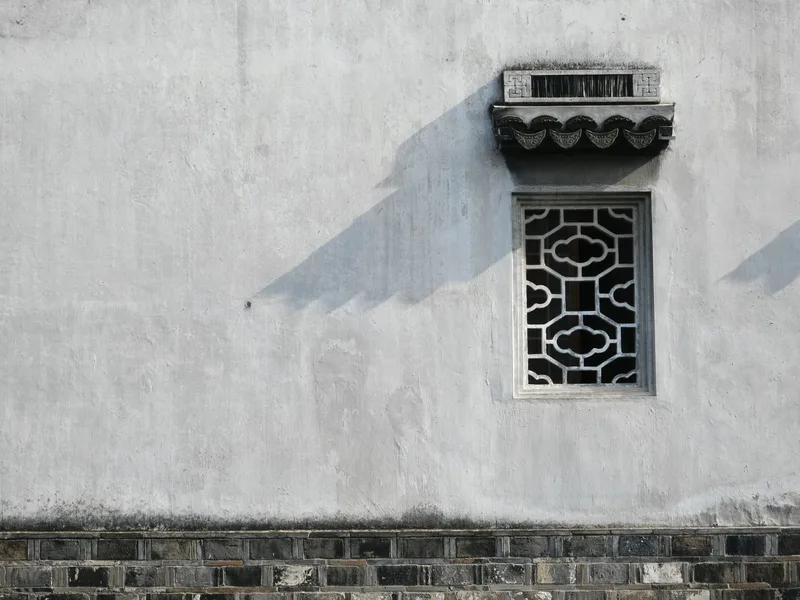
The base of the outside wall
The wall base in Harat Al Kanadirah is trapped between foundation moisture and shop drainage. The residual band needs monthly inspection for erosion.
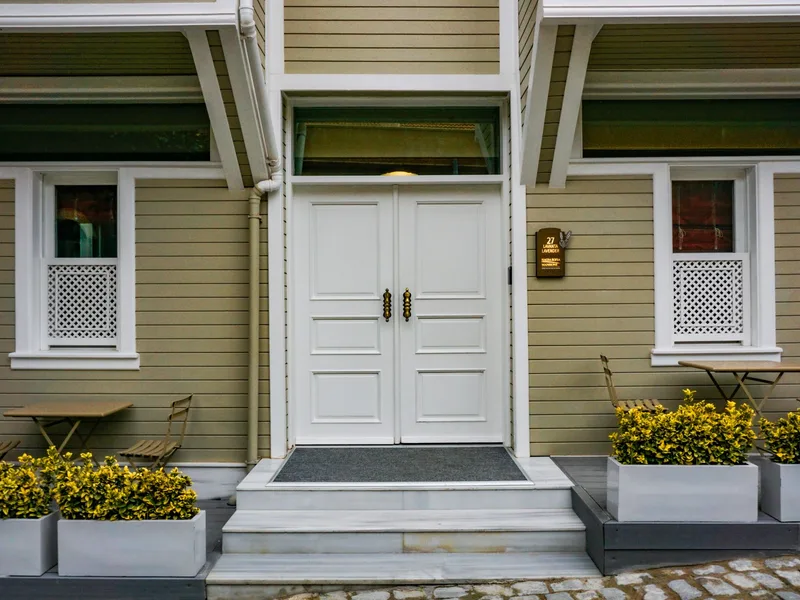
Gaps and openings
Shared risers between shop and flat leave open highways for insects. Cable entry gaps are rarely sealed, and insects move through them into the flat above.
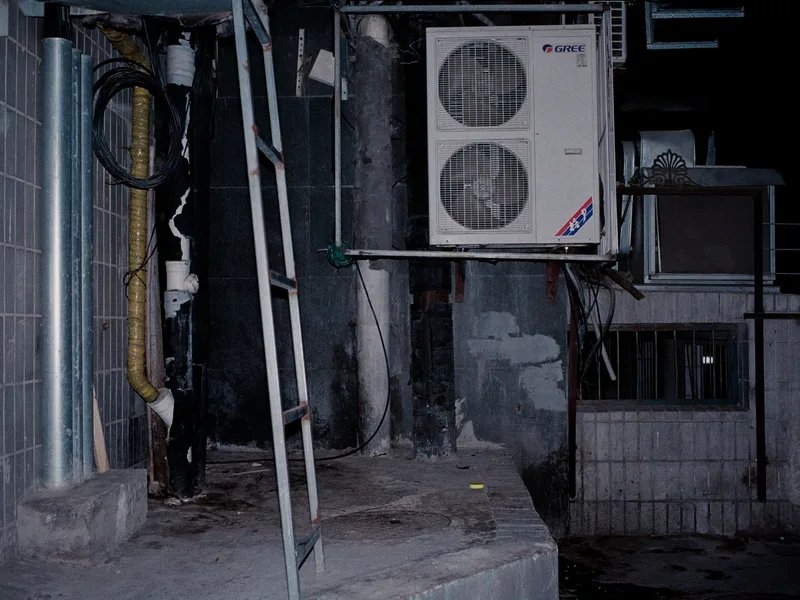
Air conditioning condensate
Air conditioner drainage from both shop and flat runs down the outside wall base, keeping it damp year-round and drawing insects to the band.
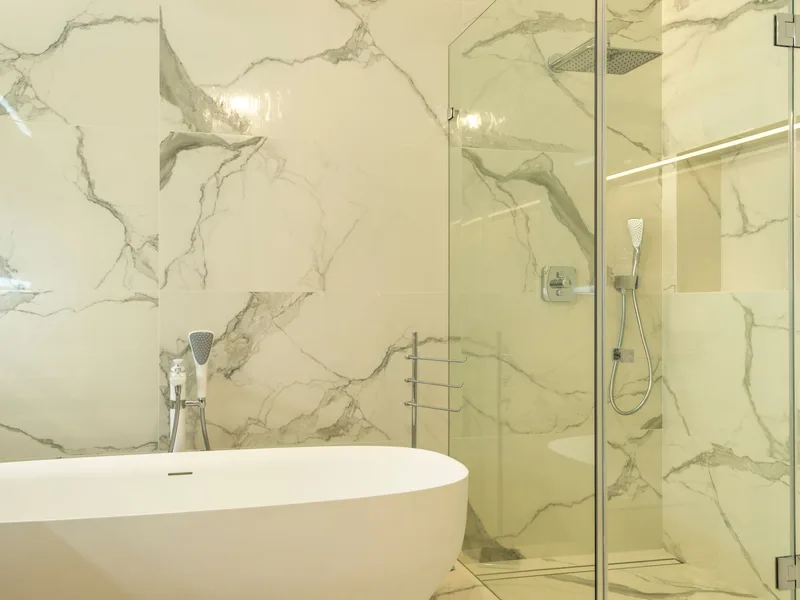
Floor drains
Ground-level shop drains often clog or run slow. Water pools below the floor, and the moisture seeps up into the flat above, where monitoring points read high humidity.
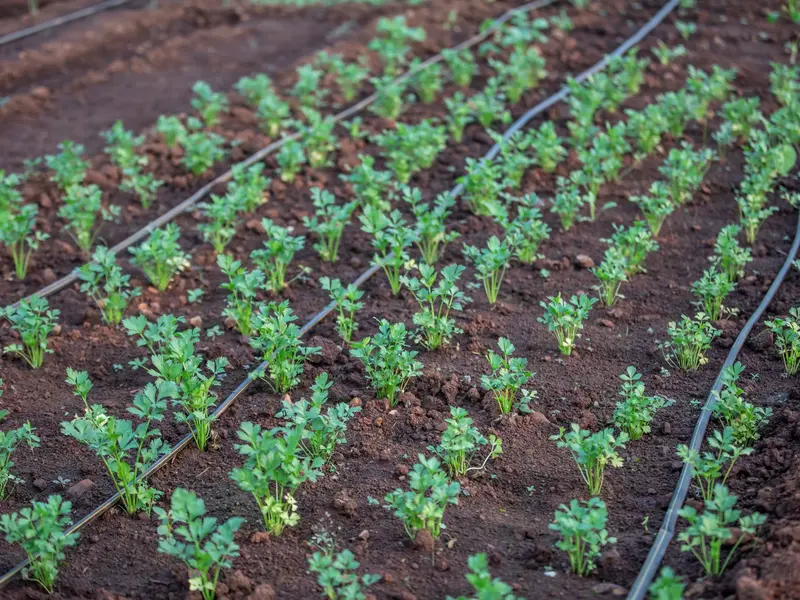
Irrigation against the wall
Irrigation does not spread widely in Harat Al Kanadirah because maritime humidity already saturates the air. Shops sometimes water plants and leave water to seep toward the wall.
The monitoring points
Monitoring points sit on the inside floor at the inner corner of the flat and in the shop. They are read at every visit to gauge pressure and direct placement of the external band.
How we work
-
1
The baseline survey
We walk the outside boundary and then the inside: gaps under doors, pipe runs, vents, condensate lines, drains, the bin area and the store, and we fix the monitoring points before anything is applied.
-
2
Close the routes
Mesh on the vents, the gap under the door dealt with, the sleeve around a pipe run closed, and water put back into the drain nobody uses. Exclusion saves a spray that would otherwise repeat forever.
-
3
The band and the placed product
A residual band at the base of the wall outside and around door and window openings, with placed product inside joints and closed voids where it is warranted, and no open spray across living surfaces.
-
4
The scheduled visit: read, renew, record
We read the points to see which side is under pressure, renew the band where sun or irrigation has taken it, aim the visit at what the coming season opens up, and write down what was found and what was used.
What the preventive programme includes
-

A survey, then a check every visit
Entry points, moisture sources and storage, recorded before anything is applied and revisited each time.
-

Monitoring points that get read
At the wall and floor junction, under sinks and in the store, checked on every visit rather than only the last one.
-

A renewed exterior band
At the wall base and around the openings, put back wherever sun or irrigation took it between visits.
-

Drains, water lines and waste
The water seal in the drains, the condensate line and the ground around the bins, which are the standing water and food sources.
-

Between the visits
What to keep dry, what to keep closed, and what is worth a call before the next date. Ventilation we tell you before the visit.
-

A scheduled visit and a record of each
An agreed date, what the points held, what was treated, and what changed since last time.
Landmarks of Harat Al Kanadirah
Harat Al Kanadirah lies in Thuwal between King Abdullah University of Science and Technology to the north and Thuwal Corniche to the east. Preventive visits reach the quarter by the Jeddah Madinah Road that runs the full length of the town.
- King Abdullah University of Science and Technology
- Thuwal Corniche
- Jeddah Madinah Road
- Al Shati Mosque
Questions about this district
Are insects in Thuwal different from insects in inland Jeddah?
Yes. Maritime humidity draws water cockroaches and drain flies in larger numbers. Salt in the air alters insect behaviour, concentrating them around water sources much more tightly than inland areas experience.
Does a flat on the second or third floor need preventive treatment too?
Yes, completely. Insects climb from shops through shared risers and gaps. Monitoring points in upper flats still register high pest numbers because the upward current is relentless.
When is pest pressure highest in Harat Al Kanadirah?
Spring and summer peak, but maritime humidity keeps pressure high year-round. Winter rains raise soil moisture around the base again, so the pressure stays above what inland districts see.
Does the external band hold up against salt and damp in Thuwal?
Salt and humidity erode the band much faster than inland conditions. It needs renewal every six months instead of nine or twelve, and monitoring point readings usually show this clearly.
Do insects travel from the shop to the flat through the drains?
Yes. Shop and air conditioner drainage runs near the shared wall base. Insects slip through gaps and voids around the risers and enter the flat above.
How often does a preventive visit come to Harat Al Kanadirah?
Every six weeks in summer, every eight weeks in winter. The monitoring points decide. Maritime humidity speeds insect activity, so the schedule is tighter than drier inland areas.
How much does preventive treatment in Harat Al Kanadirah cost?
It is set after the inspection, because the price follows the type of infestation, the size of the space, how far it has spread and the number of visits it needs. Send a photo and a description on WhatsApp and we will give you an estimate before we reach Harat Al Kanadirah.
Nearby districts we cover
Other services in Harat Al Kanadirah
Other services we provide to residents of Harat Al Kanadirah.
-
 Residential
Cockroach control
Residential
Cockroach control
-
 Residential
Bed bug control
Residential
Bed bug control
-
 Residential
Termite control
Residential
Termite control
-
 Residential
Rodents and mice
Residential
Rodents and mice
-
 Residential
Mosquito control
Residential
Mosquito control
-
 Residential
Fly control
Residential
Fly control
-
 Residential
Ant control
Residential
Ant control
-
 Residential
Gecko control
Residential
Gecko control
-
 Residential
Scorpion control
Residential
Scorpion control
-
 Residential
Snake control
Residential
Snake control
-
 Residential
Flea control
Residential
Flea control
-
 Residential
Bird and pigeon control
Residential
Bird and pigeon control
-
 Residential
Disinfection
Residential
Disinfection
-
 Commercial
Annual contracts
Commercial
Annual contracts
-
 Commercial
Restaurants and cafes
Commercial
Restaurants and cafes
-
 Commercial
Hotels and apartments
Commercial
Hotels and apartments
-
 Commercial
Warehouses and factories
Commercial
Warehouses and factories
-
 Commercial
Schools and nurseries
Commercial
Schools and nurseries
-
 Commercial
Retail and malls
Commercial
Retail and malls
-
 Commercial
Rest houses and farms
Commercial
Rest houses and farms
-
 Commercial
Fumigation
Commercial
Fumigation
-
 Water tanks
Water tank cleaning
Water tanks
Water tank cleaning
-
 Water tanks
Water tank sterilization
Water tanks
Water tank sterilization
-
 Water tanks
Water tank sealing
Water tanks
Water tank sealing
-
 Water tanks
Tank leak repair
Water tanks
Tank leak repair
Need preventive treatment in Harat Al Kanadirah? Tell us what you saw and we will tell you what it needs
We reach Harat Al Kanadirah at a time we agree, and you get the full cost before we start.