

Preventive treatment in Harat Al Sawalhah Jeddah
Harat Al Sawalhah is mixed: shops below, homes above, and the walls between them are old and full of gaps. Insects move between the floors through the shared foundations and drains. A preventive programme that treats the shop and the flat separately leaves the connection unguarded, so the work here protects both levels as one system.
-
Targeted, not broadcast
Product goes into cracks and runways, never sprayed across open surfaces.
-
Told before we start
What we will use, where it goes, and what to cover or move before we arrive.
-
A follow-up visit
We return after the first treatment, because what survives it does not show on the day.
-
Homes and businesses
Apartments and villas, and kitchens and stores that need a record of each visit.
Why they keep coming back in Harat Al Sawalhah
Ground-floor shops open early and close late, bringing in different people and goods every day. The flats above depend on sealing shared voids to achieve any protection at all, yet many of those voids remain open. The method is set out in full on what Preventive treatment involves.
Shared passages between shop and flat
The ground floor shop and the flat above share foundations, columns and waste pipes. Insects move between them through unsealed gaps that run through decades of concrete. The programme sets an internal residual on each level but the outside band stops most of the entry routes before they reach the wall.
Daily traffic in and out at street level
The narrow street and foot traffic bring small delivery vehicles to the shop every day. Each one carries insects from elsewhere. The outdoor residual band at the base of the wall blocks more than half the pathways that would otherwise reach the flat above.
Old drains and unsealed openings
Old pipes and foundations crack and settle, rainwater pools in the voids, and many openings were never sealed. Monitoring points placed throughout detect any new entry point before insects can reach upholstered spaces.
The character of Harat Al Sawalhah
Mixed district: shops at street level with homes above them
Insects ignore the boundary between shop and flat because the shared foundations form an open bridge between them. The programme treats ground and upper levels as a single system and places monitoring points on both floors to guide the visits.
What a preventive visit reads
A traditional quarter of Thuwal on narrow streets with older houses. The gaps in shared walls are wider and more numerous than in new villa districts, and foundations here are more than a century old in some places.
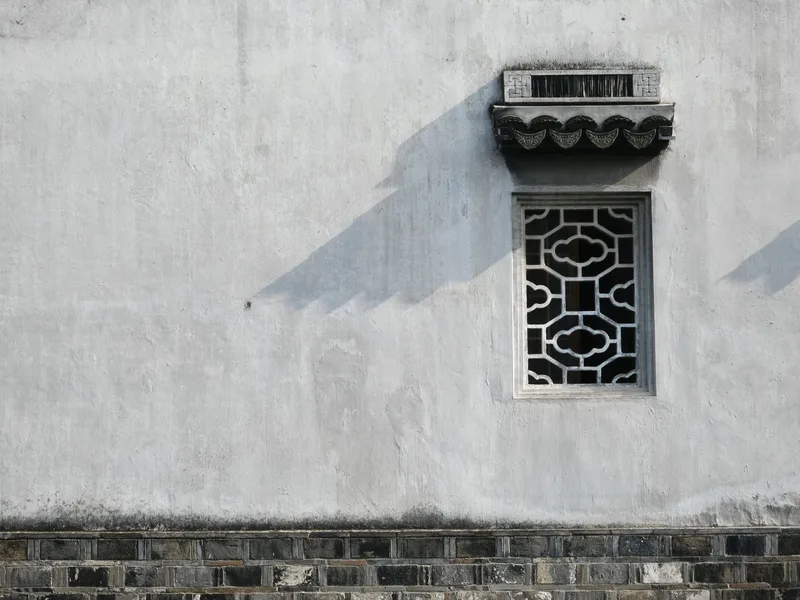
The base of the outside wall
The base of the outside wall on both shop and flat must have a unified band because gaps between the wall and the foundation are wide from decades of moisture and settlement.

Gaps and openings
Openings are numerous: waste pipes, old vents and foundation cracks abound. The residual band closes most of them and monitoring points detect any new breach as soon as it forms.
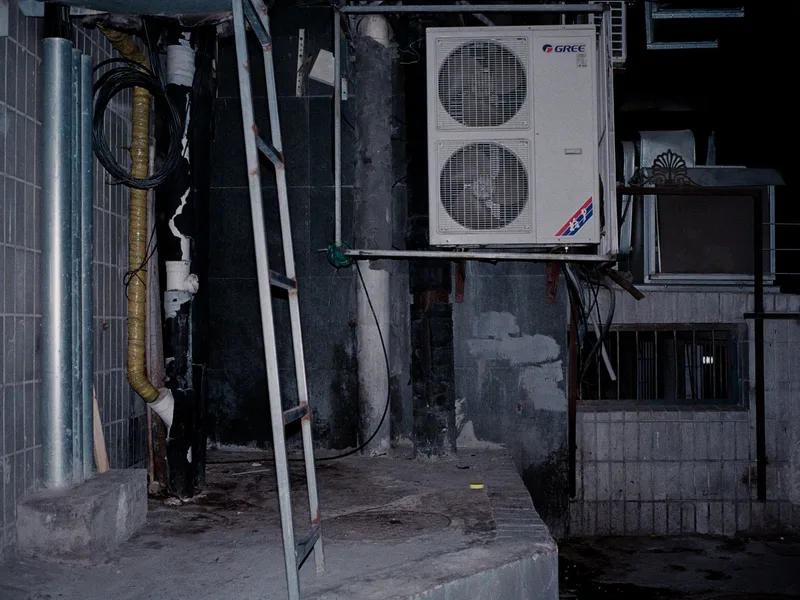
Air conditioning condensate
Air conditioning condensate from the flat drains down the outer wall and shop refrigerators drain water from the floor. Water pools must be diverted away from the wall base, not towards it.
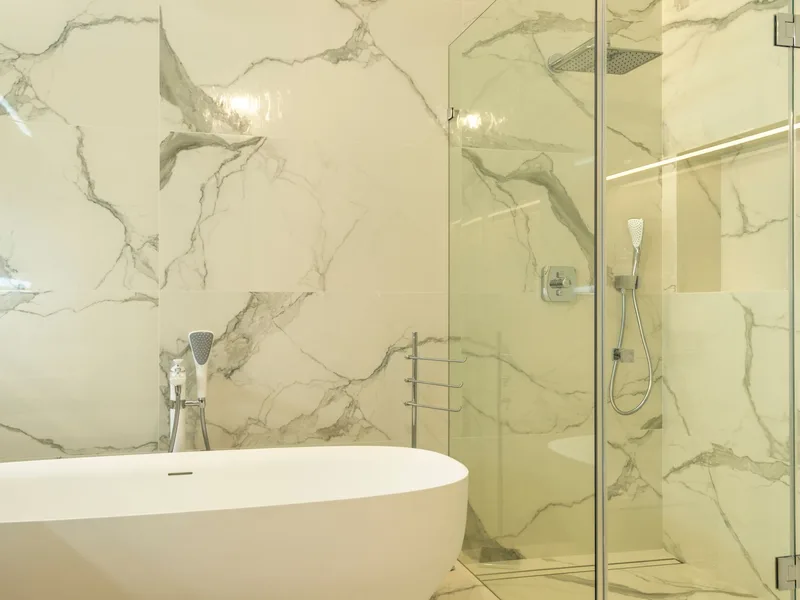
Floor drains
The floor drains in the shop are old and water sometimes seeps from the floor into the voids below. The outside band cuts the path but monitoring points watch for any seepage that finds its way through.
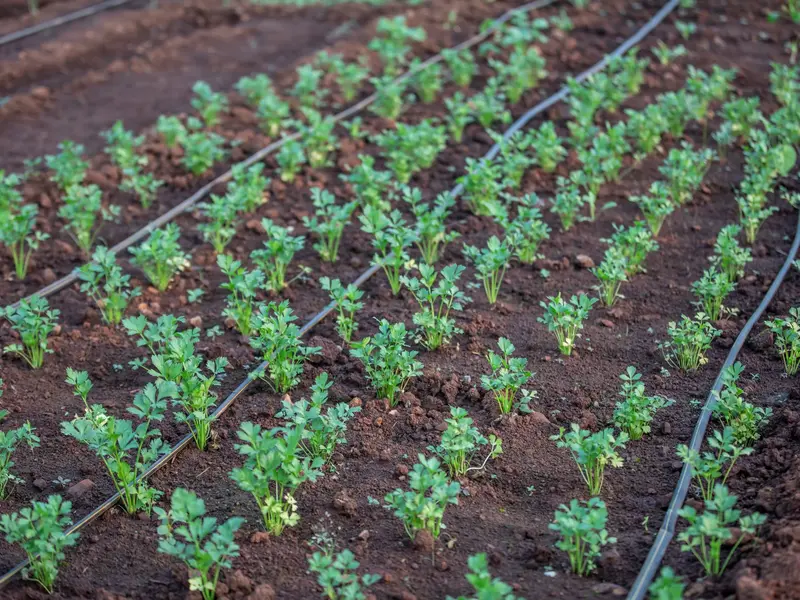
Irrigation against the wall
Irrigation against the wall is rare in the quarter but a few shop owners hose down their frontage. Water must be directed away from the wall base, not allowed to pool or flow towards the foundation.
The monitoring points
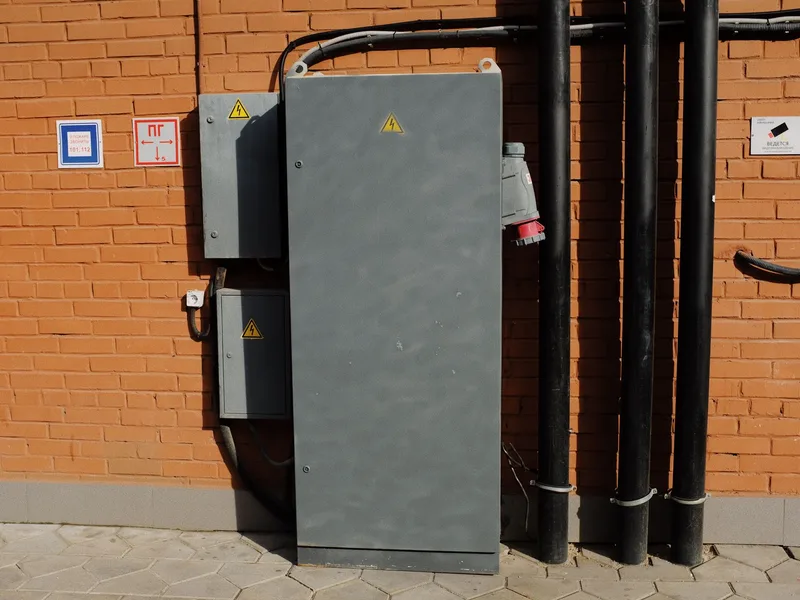
Monitoring points are set on the outer foundations and inside the shop and in corners of the flat upstairs. Each point records insect activity and guides the timing of the next visit.
How we work
-
1
The baseline survey
We walk the outside boundary and then the inside: gaps under doors, pipe runs, vents, condensate lines, drains, the bin area and the store, and we fix the monitoring points before anything is applied.
-
2
Close the routes
Mesh on the vents, the gap under the door dealt with, the sleeve around a pipe run closed, and water put back into the drain nobody uses. Exclusion saves a spray that would otherwise repeat forever.
-
3
The band and the placed product
A residual band at the base of the wall outside and around door and window openings, with placed product inside joints and closed voids where it is warranted, and no open spray across living surfaces.
-
4
The scheduled visit: read, renew, record
We read the points to see which side is under pressure, renew the band where sun or irrigation has taken it, aim the visit at what the coming season opens up, and write down what was found and what was used.
What the preventive programme includes
-

A survey, then a check every visit
Entry points, moisture sources and storage, recorded before anything is applied and revisited each time.
-

Monitoring points that get read
At the wall and floor junction, under sinks and in the store, checked on every visit rather than only the last one.
-

A renewed exterior band
At the wall base and around the openings, put back wherever sun or irrigation took it between visits.
-

Drains, water lines and waste
The water seal in the drains, the condensate line and the ground around the bins, which are the standing water and food sources.
-

Between the visits
What to keep dry, what to keep closed, and what is worth a call before the next date. Ventilation we tell you before the visit.
-

A scheduled visit and a record of each
An agreed date, what the points held, what was treated, and what changed since last time.
Landmarks of Harat Al Sawalhah
Harat Al Sawalhah sits on the Jeddah Madinah Road and lies close to Thuwal Corniche. Visits arrive from the main road and work focuses on the shared voids and drainage points that link the two floors.
- Jeddah Madinah Road
- Thuwal Corniche
- Thuwal Harbour
- Thuwal Cultural Centre
Questions about this district
The shop below opens onto the street day and night. Is preventing just my flat really enough?
No, it is not. Insects enter the shop during business hours and climb to the flat at night through shared foundations and drains. The programme must treat the shop and the flat as one unit or protection fails.
My flat sits above a vegetable shop and the humidity is very high. Does the programme add extra visits?
Damp shops attract far more insects than dry ones. The programme reads monitoring points at every visit. If the points show repeated pressure, the next visit comes sooner. The monitoring decides the frequency, not a fixed calendar.
A new shop opened next to mine recently. Will a new shop nearby bring more insects to my home?
Yes. Every new shop brings insects with its goods, its visitors and its drains. Your monitoring points will detect any rise in activity and signal an extra preventive visit if needed.
The walls between me and my neighbour are thick but my neighbour does not treat his flat. Am I protected?
No, your protection is incomplete if your neighbour does not treat. Your internal band protects your own space but the shared wall remains open, and insects seep from his side. Ask your neighbour to join the programme or consider extending the band along the shared wall.
In summer the shop below is packed and the floor is always wet. Does that increase the pressure on my flat?
Wet shops attract far more insects than dry ones and summer is high season for all activity. The monitoring points record the pressure and the programme responds with closer visits during the busy months.
The flat is old and some wiring and pipes are exposed in corners. Should we fix those before the programme starts?
Exposed pipes and wires can be insect highways but the programme works even with them in place. Sealing large gaps does increase protection, but the residual band and monitoring points function without waiting for repairs.
How much does preventive treatment in Harat Al Sawalhah cost?
It is set after the inspection, because the price follows the type of infestation, the size of the space, how far it has spread and the number of visits it needs. Send a photo and a description on WhatsApp and we will give you an estimate before we reach Harat Al Sawalhah.
Nearby districts we cover
Other services in Harat Al Sawalhah
Other services we provide to residents of Harat Al Sawalhah.
-
 Residential
Cockroach control
-
 Residential
Bed bug control
-
 Residential
Termite control
-
 Residential
Rodents and mice
Need preventive treatment in Harat Al Sawalhah? Tell us what you saw and we will tell you what it needs
We reach Harat Al Sawalhah at a time we agree, and you get the full cost before we start.