
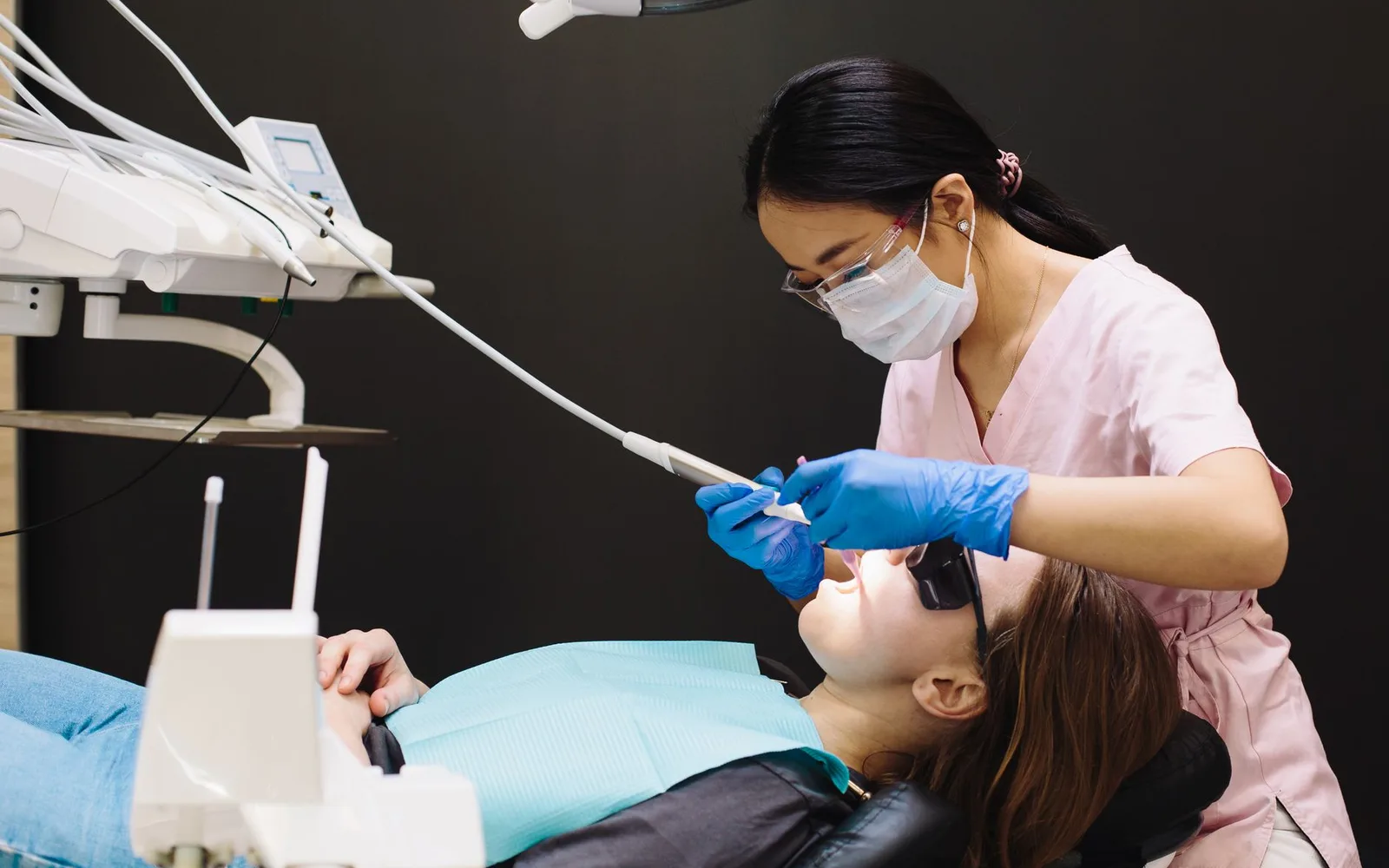
Preventive treatment in South Obhur Jeddah
South Obhur lines the northern shore where humidity and salt air persist year round, and its villas and chalets face continuous pressure from moisture-seeking insects. Salt laden breezes keep render and timber damp, while irrigated gardens and lawns around the corniche and villa plots feed cockroaches, mosquitoes and ants in abundance throughout the year.
-
Targeted, not broadcast
Product goes into cracks and runways, never sprayed across open surfaces.
-
Told before we start
What we will use, where it goes, and what to cover or move before we arrive.
-
A follow-up visit
We return after the first treatment, because what survives it does not show on the day.
-
Homes and businesses
Apartments and villas, and kitchens and stores that need a record of each visit.
Why they keep coming back in South Obhur
Chalets and rest houses closed seasonally can harbour complete infestations of cockroaches and rodents before reopening, requiring intensive preventive treatment before occupation. The method is set out in full on Preventive treatment in detail.
Salt and humidity accelerate insect movement through walls
Salt air breaches the outer layers of walls, leaving cracks that become highways for insects. High humidity most of the year widens these pathways and makes the building perimeter a perfect breeding ground for rapid insect multiplication and colony expansion.
Seasonally closed chalets harbour resident insect populations
Rest houses and chalets along the creek stand locked for months at a time, allowing rodents and insects to settle and breed undisturbed. Preventive work targets external entry points before closure and reads monitoring traps at opening to catch infestations early.
Year round garden irrigation fuels nearby insect populations
The lawns and planted areas around villas and along the corniche are irrigated continuously, especially during warm months. This standing water creates a humid environment ideal for cockroaches, mosquitoes and ants to breed and feed right at the wall line.
Landmarks of South Obhur
South Obhur is separated from the north by Obhur Creek itself, and work is centred on villas and chalets distributed along South Obhur Corniche. Access is via King Abdulaziz Road and Madinah Road, with preventive visits covering each villa and chalet with monitoring points that read the constant coastal pressure throughout the year.
- Obhur Creek
- South Obhur Corniche
- King Abdulaziz Road
- Madinah Road
- Hibat Al Rahman Mosque
What a preventive visit reads
The creek, corniche and scattered chalets create isolated pockets that stand empty for long spells, turning into undisturbed havens where insects and rodents can establish themselves without detection or interruption.
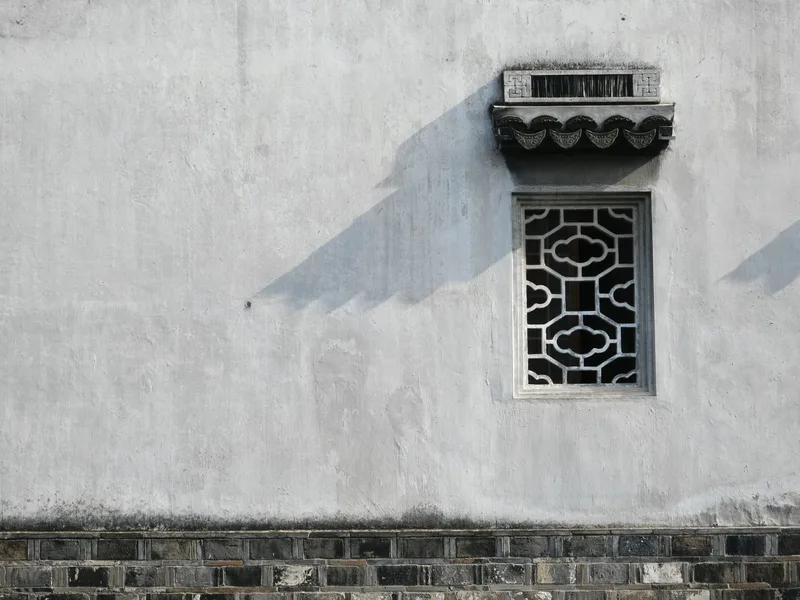
The base of the outside wall
The base of the outside wall meets salt and humidity directly, cracking faster than inland bases and creating entry gaps for insects much more quickly.

Gaps and openings
Gaps around windows and doors widen due to salt corrosion and thermal movement, especially in chalets that stand closed for months without climate control.
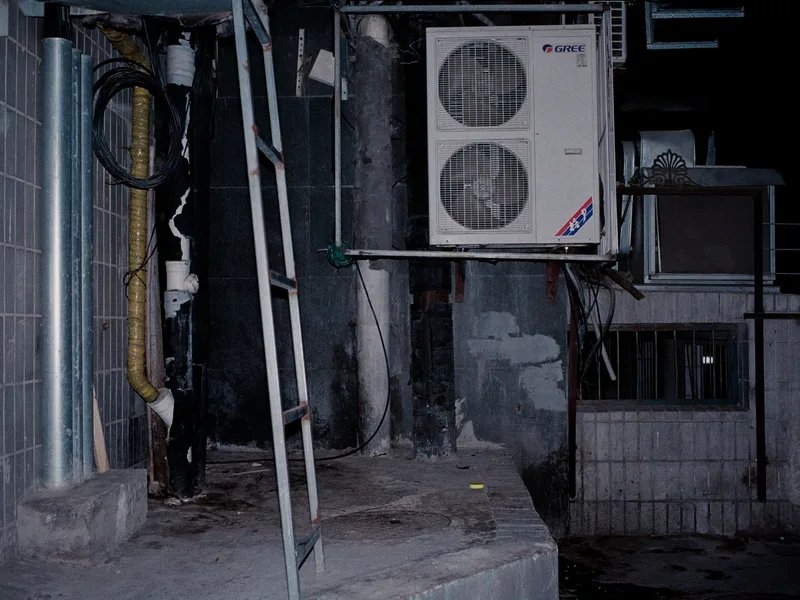
Air conditioning condensate
Air conditioning condensate drains onto exterior walls near the sea, doubling the moisture and salt load right at the point where water exits the building.
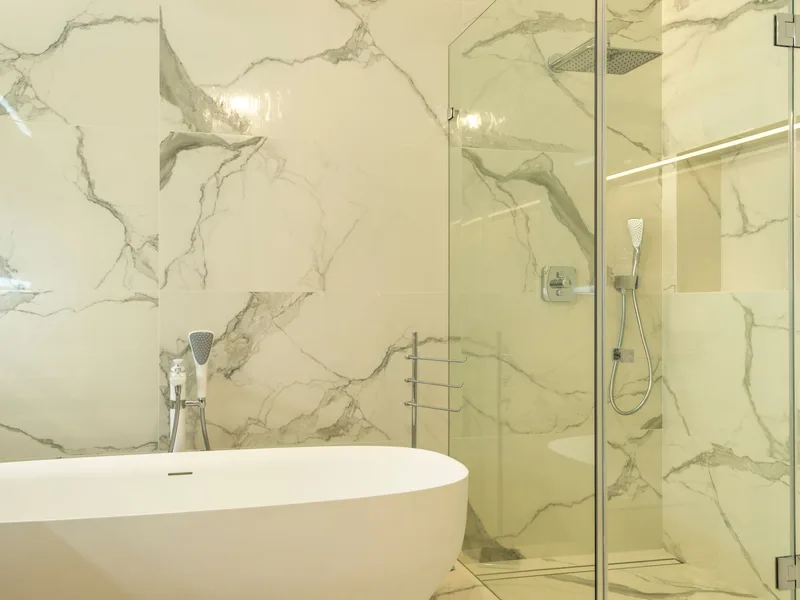
Floor drains
Ground level drains near coastal chalets are affected by high water tables and salt seepage, so additional monitoring points track flow and blockage.
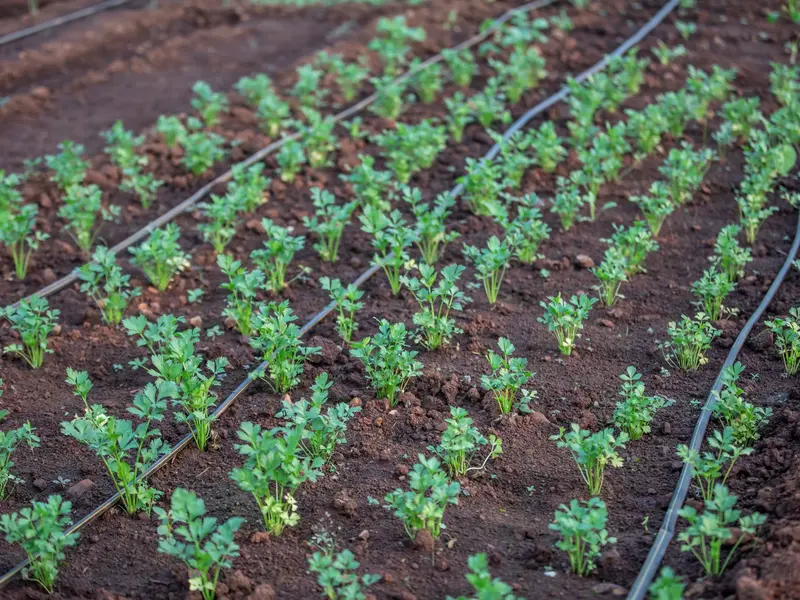
Irrigation against the wall
Irrigation trenches against the wall perimeter support permanently wet conditions at the base, so we focus on sealing gaps and creating a moisture-resistant barrier there.
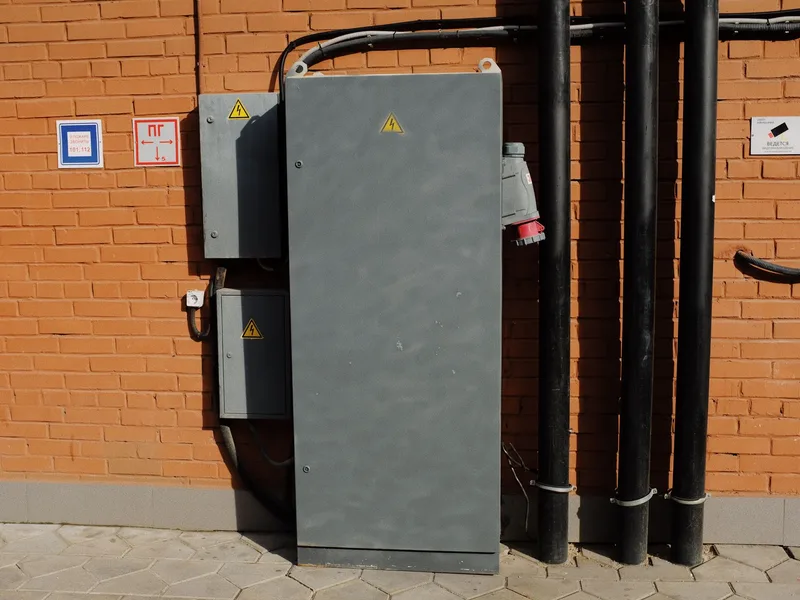
The monitoring points
Monitoring points are positioned just outside the wall where they measure sea-borne pressure and salt load before insects can find cracks and enter the building.
How we work
-
1
The baseline survey
We walk the outside boundary and then the inside: gaps under doors, pipe runs, vents, condensate lines, drains, the bin area and the store, and we fix the monitoring points before anything is applied.
-
2
Close the routes
Mesh on the vents, the gap under the door dealt with, the sleeve around a pipe run closed, and water put back into the drain nobody uses. Exclusion saves a spray that would otherwise repeat forever.
-
3
The band and the placed product
A residual band at the base of the wall outside and around door and window openings, with placed product inside joints and closed voids where it is warranted, and no open spray across living surfaces.
-
4
The scheduled visit: read, renew, record
We read the points to see which side is under pressure, renew the band where sun or irrigation has taken it, aim the visit at what the coming season opens up, and write down what was found and what was used.
What the preventive programme includes
-

A survey, then a check every visit
Entry points, moisture sources and storage, recorded before anything is applied and revisited each time.
-

Monitoring points that get read
At the wall and floor junction, under sinks and in the store, checked on every visit rather than only the last one.
-

A renewed exterior band
At the wall base and around the openings, put back wherever sun or irrigation took it between visits.
-

Drains, water lines and waste
The water seal in the drains, the condensate line and the ground around the bins, which are the standing water and food sources.
-

Between the visits
What to keep dry, what to keep closed, and what is worth a call before the next date. Ventilation we tell you before the visit.
-

A scheduled visit and a record of each
An agreed date, what the points held, what was treated, and what changed since last time.
What is different about Obhur Sub-Municipality
Obhur sub-municipality runs along Jeddah's northern shoreline from Al Shati up to Obhur Creek. It mixes large villas and gated compounds with busy commercial spines of restaurants, cafes, markets and hotels. Sea humidity is high for most of the year and salt laden breezes keep timber and render damp, while irrigated gardens and lawns surround the corniche and the villa plots. Standing irrigation water, dense planting and food waste from the hospitality strip suit cockroaches, mosquitoes and ants, and the chalets and rest houses scattered along the creek stand empty for long spells, which lets insects and rodents settle undisturbed.
Questions about this district
A coastal chalet is closed for long periods. How is it protected?
We treat external entry points and gaps before closure, and place sensitive monitoring traps inside. When the chalet reopens, traps are read first before full entry, and if activity is detected, internal treatment is carried out immediately.
Does salt in the coastal air weaken the preventive treatment?
Yes, salt degrades the outer layers of protective products, so we increase visit frequency in coastal zones and select products that resist salt and high humidity for longer durability.
Garden irrigation is constant. Does this draw more insects to the walls?
Continuous irrigation creates a permanently humid environment right at the wall base. We focus on sealing gaps where the garden meets the wall and apply a residual barrier that resists moisture and ongoing watering.
How frequently do preventive visits come to a villa in South Obhur?
Coastal villas need more frequent visits than interior properties because external pressure is unrelenting and salt degrades the protective layer. Monitoring points tell us when pressure rises, and we adjust visit frequency accordingly.
Are the products used safe for garden soil and irrigation lines?
We use formulations that are safe for soil and planted areas, and apply the residual band only at the wall base, away from direct irrigation lines and exposed soil that might carry residues to plant roots.
Scattered chalets along the creek: are they treated differently from villas?
Yes, chalets need sensitive interior monitoring traps and concentrated external points, and trap checks happen more frequently because the building stands empty for extended periods.
How much does preventive treatment in South Obhur cost?
It is set after the inspection, because the price follows the type of infestation, the size of the space, how far it has spread and the number of visits it needs. Send a photo and a description on WhatsApp and we will give you an estimate before we reach South Obhur.
Nearby districts we cover
Other services in South Obhur
Other services we provide to residents of South Obhur.
-
 Residential
Cockroach control
Residential
Cockroach control
-
 Residential
Bed bug control
Residential
Bed bug control
-
 Residential
Termite control
Residential
Termite control
-
 Residential
Rodents and mice
Residential
Rodents and mice
-
 Residential
Mosquito control
Residential
Mosquito control
-
 Residential
Fly control
Residential
Fly control
-
 Residential
Ant control
Residential
Ant control
-
 Residential
Gecko control
Residential
Gecko control
-
 Residential
Scorpion control
Residential
Scorpion control
-
 Residential
Snake control
Residential
Snake control
-
 Residential
Flea control
Residential
Flea control
-
 Residential
Bird and pigeon control
Residential
Bird and pigeon control
-
 Residential
Disinfection
Residential
Disinfection
-
 Commercial
Annual contracts
Commercial
Annual contracts
-
 Commercial
Restaurants and cafes
Commercial
Restaurants and cafes
-
 Commercial
Hotels and apartments
Commercial
Hotels and apartments
-
 Commercial
Warehouses and factories
Commercial
Warehouses and factories
-
 Commercial
Schools and nurseries
Commercial
Schools and nurseries
-
 Commercial
Retail and malls
Commercial
Retail and malls
-
 Commercial
Rest houses and farms
Commercial
Rest houses and farms
-
 Commercial
Fumigation
Commercial
Fumigation
-
 Water tanks
Water tank cleaning
Water tanks
Water tank cleaning
-
 Water tanks
Water tank sterilization
Water tanks
Water tank sterilization
-
 Water tanks
Water tank sealing
Water tanks
Water tank sealing
-
 Water tanks
Tank leak repair
Water tanks
Tank leak repair
Need preventive treatment in South Obhur? Tell us what you saw and we will tell you what it needs
We reach South Obhur at a time we agree, and you get the full cost before we start.