
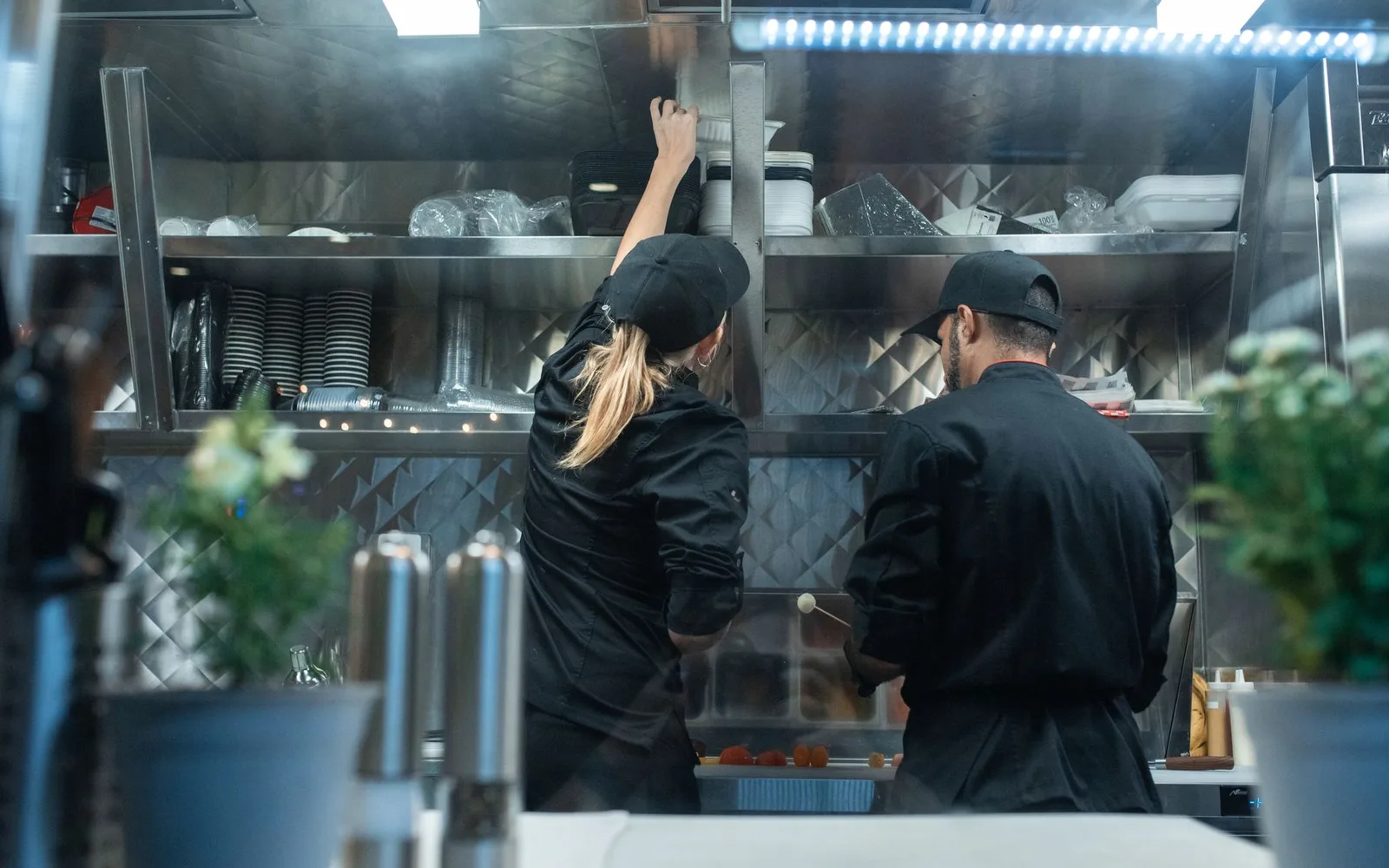
Restaurants and cafes in Al Rawdah Jeddah
Al Rawdah is a central district on Madinah Road with restaurants, cafes and hotels at street level and apartments and villas above them. Insects move easily between shops and homes because ventilation and openings are shared, and modern buildings create new cracks and corners that pests exploit.
-
Targeted, not broadcast
Product goes into cracks and runways, never sprayed across open surfaces.
-
Told before we start
What we will use, where it goes, and what to cover or move before we arrive.
-
A follow-up visit
We return after the first treatment, because what survives it does not show on the day.
-
Homes and businesses
Apartments and villas, and kitchens and stores that need a record of each visit.
Why they keep coming back in Al Rawdah
Ground floor restaurants and cafes face particular pressure because residents in the flats above may not realise that insects cross shared pipes, ducts and openings between the levels. The method is set out in full on the full Restaurants and cafes page.
Shops and homes share the same internal structure
In Al Rawdah, restaurants and cafes at street level share drainage, ventilation and electrical runs with the flats above. Insects migrate vertically with ease, and the programme focuses on these junction points.
Neighbouring villas provide a constant source of rodents
Upmarket villas next to the commercial blocks have private gardens and pools that draw rodents and ants. These pests migrate towards nearby restaurants in search of food.
Dense restaurant and hotel concentration drives cross infestation
The heavy concentration of restaurants, cafes and hotels in the district means pests from one establishment move easily to the next. The programme relies on strong barriers between neighbouring shops.
Al Rawdah on the map
Al Rawdah sits about 2.5 km from Al Khalidiyah and about 3 km from Al Salamah.
Open in Google MapsThe places that decide the programme
Modern residential buildings with ground floor commercial use create conditions where insects spread easily from shop to shop and upwards into homes. The upmarket villas nearby have gardens and pools that draw pests towards the restaurant district.
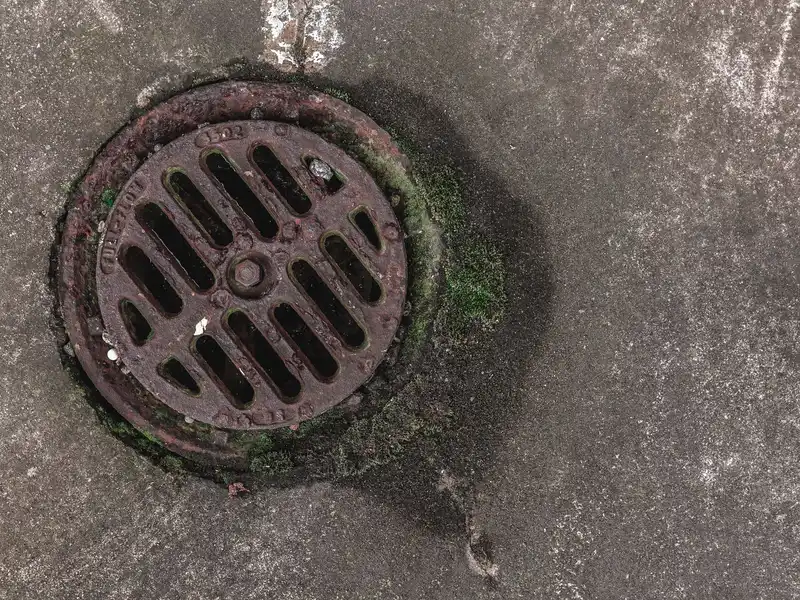
Gullies and the grease trap
Gullies at ground level collect water run-off from the homes above, raising moisture and contamination that attracts cockroaches and ants.
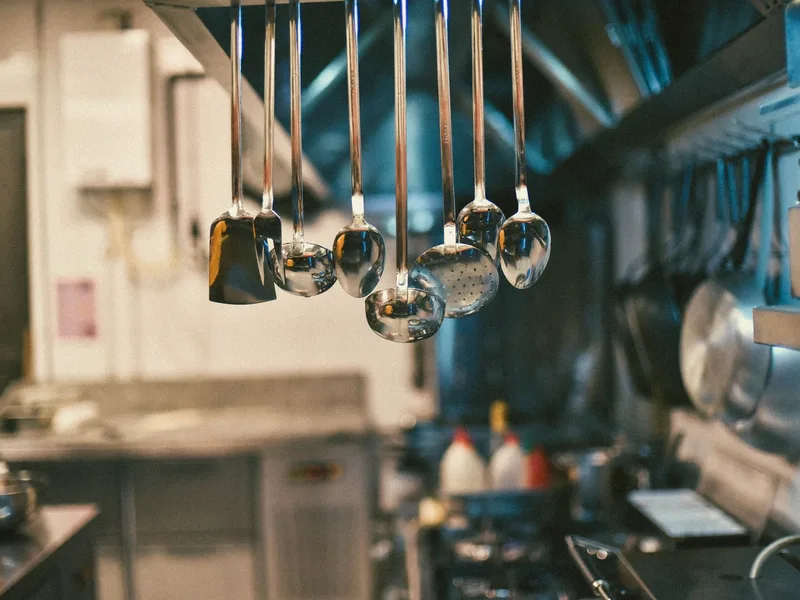
The cooking line and plinths
The cooking line sits close to walls shared with homes, and small cracks may allow insects to pass from flats into the kitchen.
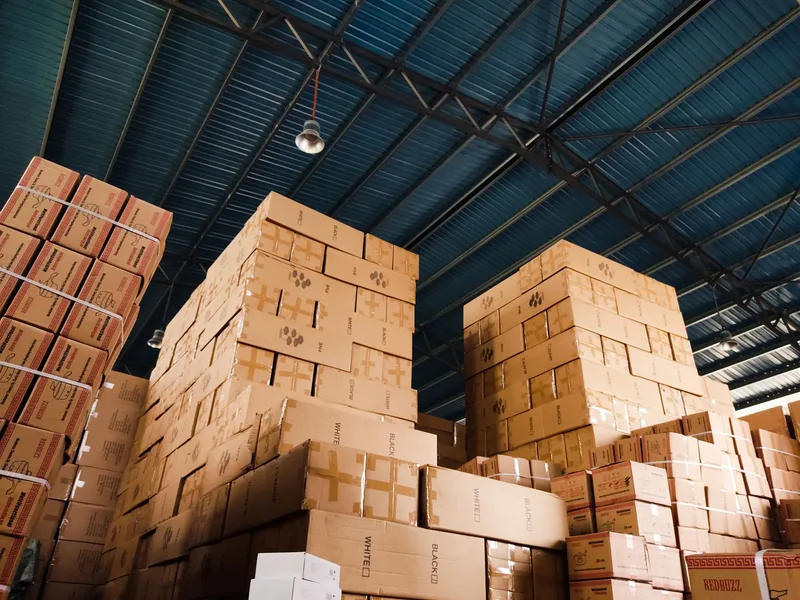
Cardboard at goods inwards
Cardboard at goods inwards may carry insects from other restaurants in the market or from the supplier's warehouse.
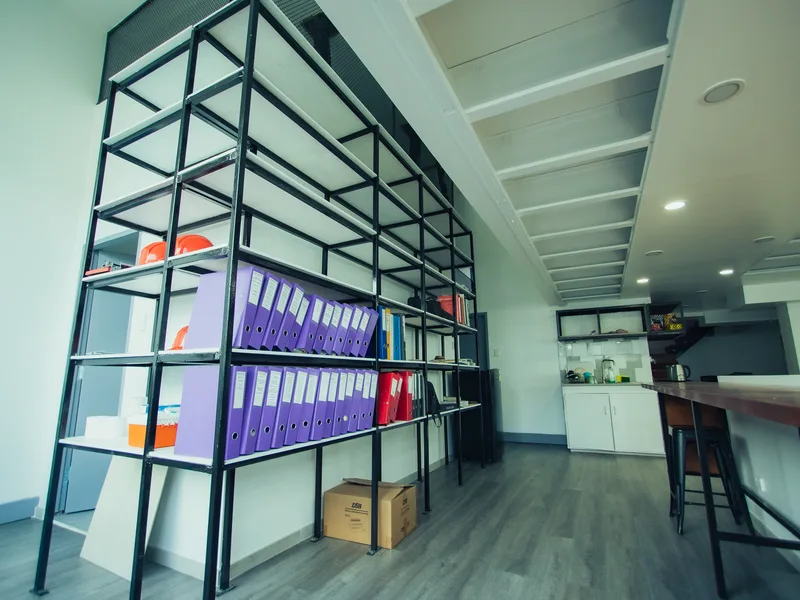
Dry store shelving
Dry store shelving may sit next to damp exterior walls or shared drainage runs from the homes above.
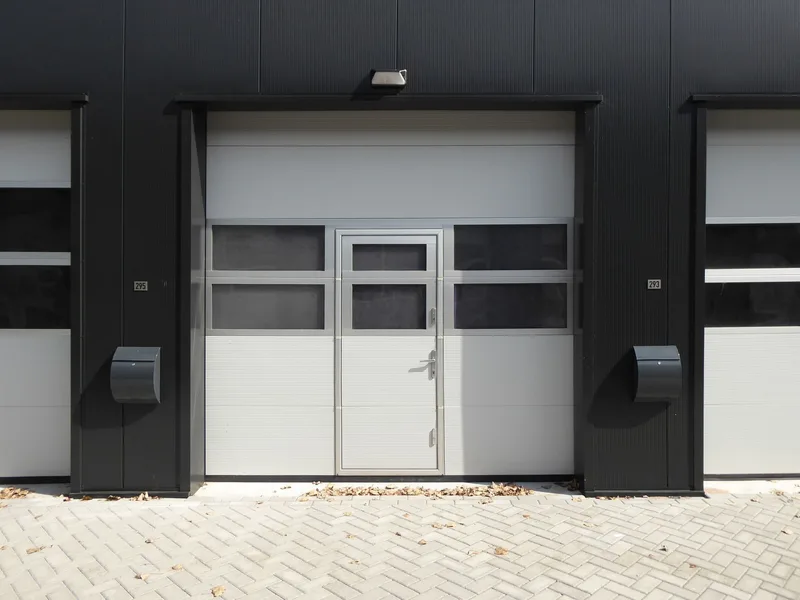
The back service door
The back service door may open onto a shared passage or courtyard between neighbouring shops, a main entry point for pests.
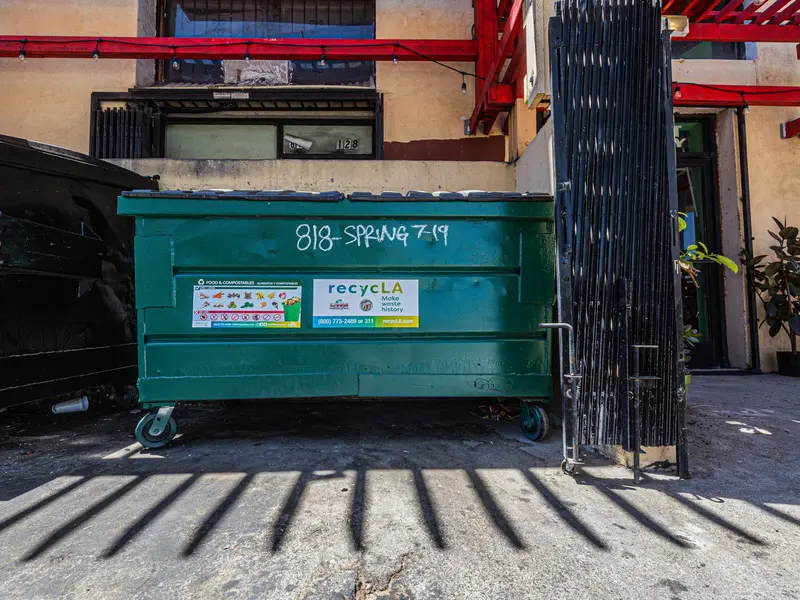
The bin area
The bin area may sit in a courtyard shared by several shops, raising the movement of pests between restaurants.
How we work
-
1
Survey and site plan
We follow the food route from delivery to waste, establish which species are present and where the moisture is, and mark the station positions on a plan of the kitchen and the store.
-
2
Install numbered monitoring points
Sealed, numbered stations in fixed positions, read in the same order every visit so the file shows a trend rather than an impression.
-
3
Treatment outside service hours
Gel bait into joints and voids, foam into the gullies and the grease trap, and nothing applied to preparation surfaces, with equipment covered and surfaces wiped down before service resumes.
-
4
Scheduled visits and the site file
Every visit reads the stations and records what was found, the corrective action needed, who owns it and by when, and the file stays on site to be shown at an inspection.
What a restaurant programme includes
-

Opening survey and site plan
Species, entry points and moisture sources, with a plan showing where every station sits.
-

Sealed, numbered stations
Bait held inside closed stations in food areas, never open product near preparation or storage.
-

Gully and grease trap treatment
Foam that contacts the pipe wall where small flies breed, which is the step most contracts skip.
-

Targeted application after closing
Into joints, voids and the store perimeter, at a time with no exposed food and no team in the kitchen.
-

Reopening instructions for the team
What to cover before, what to wipe after, and what not to wash so the treatment is not undone.
-

A visit report and a running log
Every station read, corrective actions with an owner and a date, and a continuous file to show at an inspection.
The character of Al Rawdah
Mixed district: shops at street level with homes above them
In a mixed use building, insects do not respect the boundary between shop and home. The programme focuses on stopping vertical migration through shared pipes and floor-to-floor openings.
Questions about this district
Why do cockroaches migrate from the flat above into the restaurant below?
Shared pipes and vertical openings provide easy routes. The programme focuses on sealing these openings and treating shared areas with building management where possible.
Can we treat the restaurant alone or must we coordinate with residents above?
Complete separation is impossible because the internal structure is shared. We need at least coordination with building management to address shared junction points.
The villas next door have gardens and rodents. Does that affect our restaurant?
Yes, rodents migrate from irrigated gardens towards restaurants. The programme focuses on defensive barriers around the restaurant and sealing cracks.
If the neighbouring hotel is treated, does that affect our kitchen pest pressure?
It may, if the hotel shares walls or pipes with the restaurant. We focus on boundaries and openings between adjoining buildings to stop cross infestation.
Our store is on an upper floor and the kitchen is downstairs. Does this matter?
Yes, pests can migrate between floors. The programme includes treatment of junction points and openings between store and kitchen.
Regular cleaning is thorough. Is a specialist programme really necessary?
Yes, the mixed use setting requires specialist treatment because infestation sources are multiple and internal, and cleaning alone cannot stop vertical migration.
How much does restaurants and cafes in Al Rawdah cost?
It is set after the inspection, because the price follows the type of infestation, the size of the space, how far it has spread and the number of visits it needs. Send a photo and a description on WhatsApp and we will give you an estimate before we reach Al Rawdah.
Nearby districts we cover
Other services in Al Rawdah
Other services we provide to residents of Al Rawdah.
-
 Residential
Cockroach control
Residential
Cockroach control
-
 Residential
Bed bug control
Residential
Bed bug control
-
 Residential
Termite control
Residential
Termite control
-
 Residential
Rodents and mice
Residential
Rodents and mice
-
 Residential
Mosquito control
Residential
Mosquito control
-
 Residential
Fly control
Residential
Fly control
-
 Residential
Ant control
Residential
Ant control
-
 Residential
Gecko control
Residential
Gecko control
-
 Residential
Scorpion control
Residential
Scorpion control
-
 Residential
Snake control
Residential
Snake control
-
 Residential
Flea control
Residential
Flea control
-
 Residential
Bird and pigeon control
Residential
Bird and pigeon control
-
 Residential
Preventive treatment
Residential
Preventive treatment
-
 Residential
Disinfection
Residential
Disinfection
-
 Commercial
Annual contracts
Commercial
Annual contracts
-
 Commercial
Hotels and apartments
Commercial
Hotels and apartments
-
 Commercial
Warehouses and factories
Commercial
Warehouses and factories
-
 Commercial
Schools and nurseries
Commercial
Schools and nurseries
-
 Commercial
Retail and malls
Commercial
Retail and malls
-
 Commercial
Rest houses and farms
Commercial
Rest houses and farms
-
 Commercial
Fumigation
Commercial
Fumigation
-
 Water tanks
Water tank cleaning
Water tanks
Water tank cleaning
-
 Water tanks
Water tank sterilization
Water tanks
Water tank sterilization
-
 Water tanks
Water tank sealing
Water tanks
Water tank sealing
-
 Water tanks
Tank leak repair
Water tanks
Tank leak repair
Need restaurants and cafes in Al Rawdah? Tell us what you saw and we will tell you what it needs
We reach Al Rawdah at a time we agree, and you get the full cost before we start.