
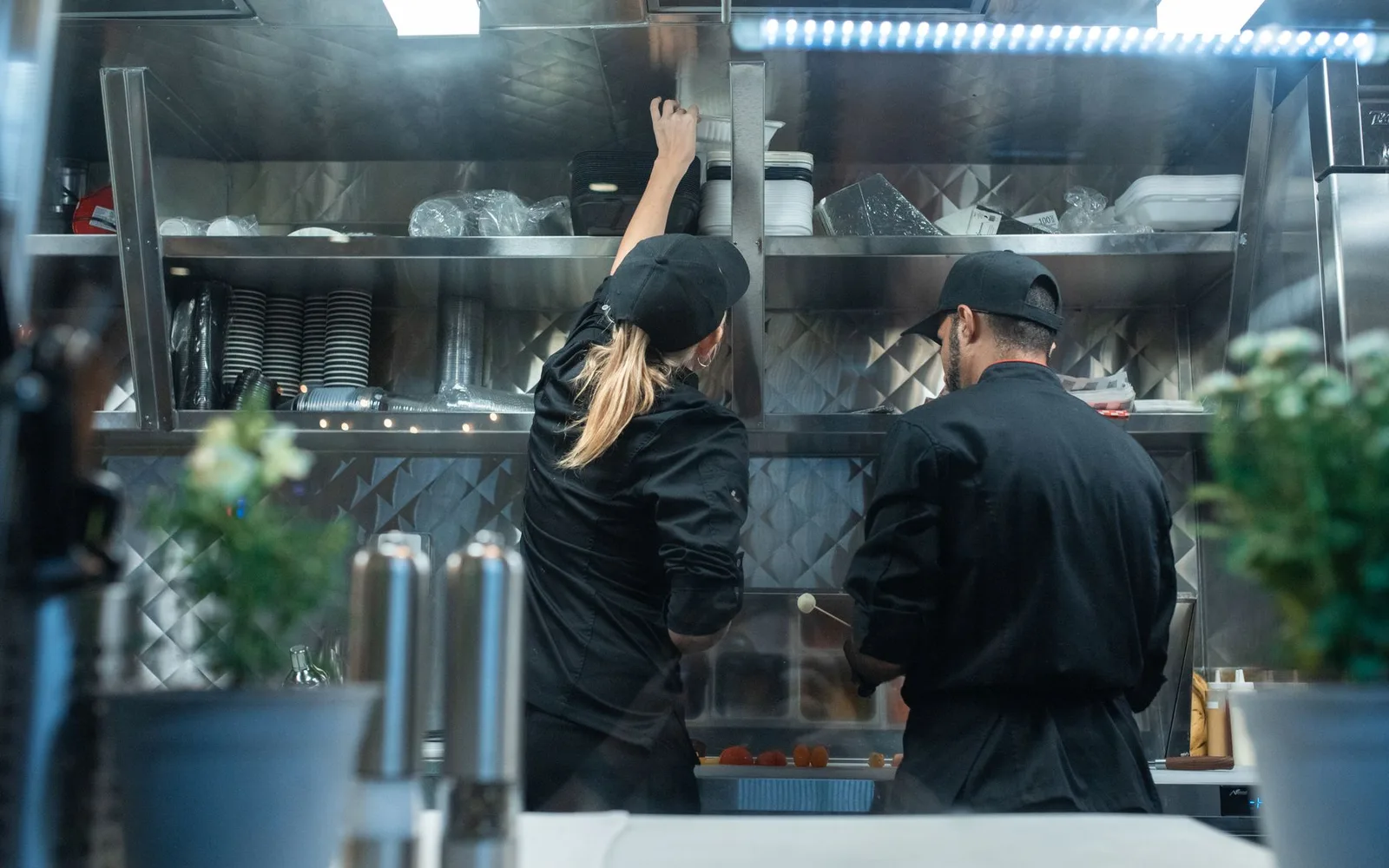
Restaurants and cafes in Al Zahra Jeddah
Al Zahra is a mixed district with dense housing and hospitals towering above street level shops and cafes. Restaurants here face insect pressure from three sources at once: the flats directly above and around them, the adjoining shops, and a constant flow of visitors and workers from the hospitals and shopping mall. The restaurant programme must be tailored to this compounded pressure.
-
Targeted, not broadcast
Product goes into cracks and runways, never sprayed across open surfaces.
-
Told before we start
What we will use, where it goes, and what to cover or move before we arrive.
-
A follow-up visit
We return after the first treatment, because what survives it does not show on the day.
-
Homes and businesses
Apartments and villas, and kitchens and stores that need a record of each visit.
Why they keep coming back in Al Zahra
Restaurants here see steady custom from hospital visitors and shoppers throughout the day. Kitchen pressure is relentless; there is no quiet period when staff numbers drop and insects advance more visibly. The method is set out in full on how we approach Restaurants and cafes.
Residential flats above and beside apply constant pressure
Ground floor shops are surrounded by apartment towers on all sides, and all share the same building drainage, heating and humidity cycles. Monitoring stations must be positioned on the kitchen plan, in lower floors and the building's common corridors, because insects move freely between flat and restaurant within the same structure.
Adjoining shops and constant supplies introduce pests
Restaurants in Al Zahra receive deliveries from neighbouring grocers and nearby markets, and some adjoining shops may harbour pest populations of their own. Our plan marks the kitchen layout, identifies boundary zones between shops, and places stations to interrupt cross-shop migration.
Hospital and mall visitors keep doors and ventilation open all day
Al Zahra draws visitors from hospitals, shopping malls and offices; doors cannot close, and air circulation is mixed. Outside service hours, we treat the boundary zones and re-inspect stations throughout the kitchen, monitoring points and storage areas where insects concentrate.
The character of Al Zahra
Mixed district: shops at street level with homes above them
Mixed-district restaurants like those in Al Zahra face pressure from the flats stacked above and beside them and from adjoining commercial premises. The programme is not confined to kitchen interior but tracks shared boundary conditions, cuts off common entry points, and monitors interfaces between occupied floors.
The places that decide the programme
Modern apartment blocks rise above the ground floor commercial strip. The district is close to the coast and main roads, so humidity is higher than inland Jeddah. Shared drainage runs beneath mixed-use buildings where residential and commercial spaces stack vertically.
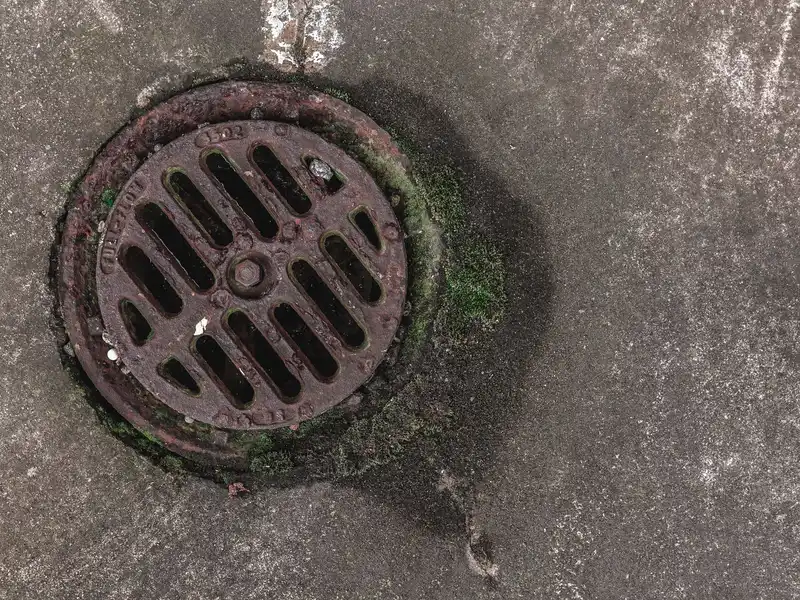
Gullies and the grease trap
The drain network beneath the building is older than many modern kitchens, and the grease trap sits at the first outlet point and must be serviced weekly because the warmth and moisture accelerate decomposition and breeding.
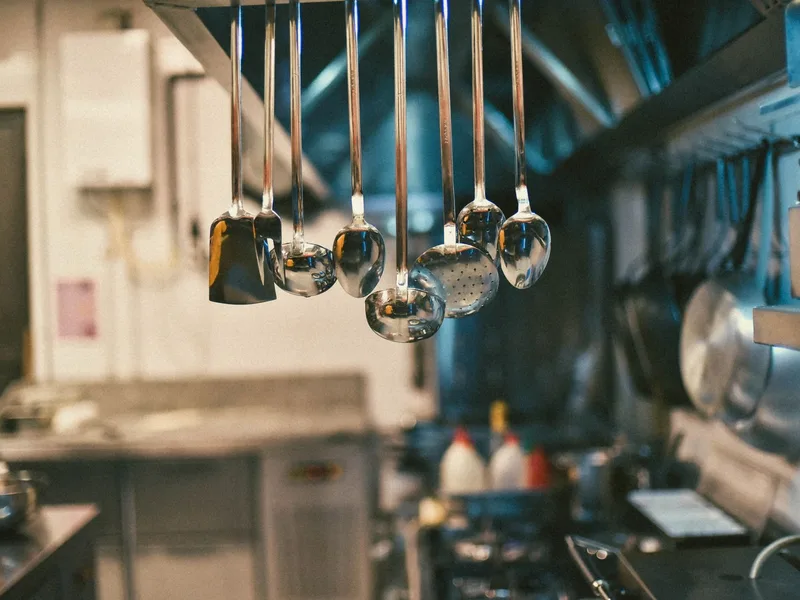
The cooking line and plinths
The cooking line is often crowded in Al Zahra shops, equipment is usually newer, but the cavities beneath ovens and under equipment are insect refuges. These gaps are treated without direct contact with the cooking surfaces or equipment.
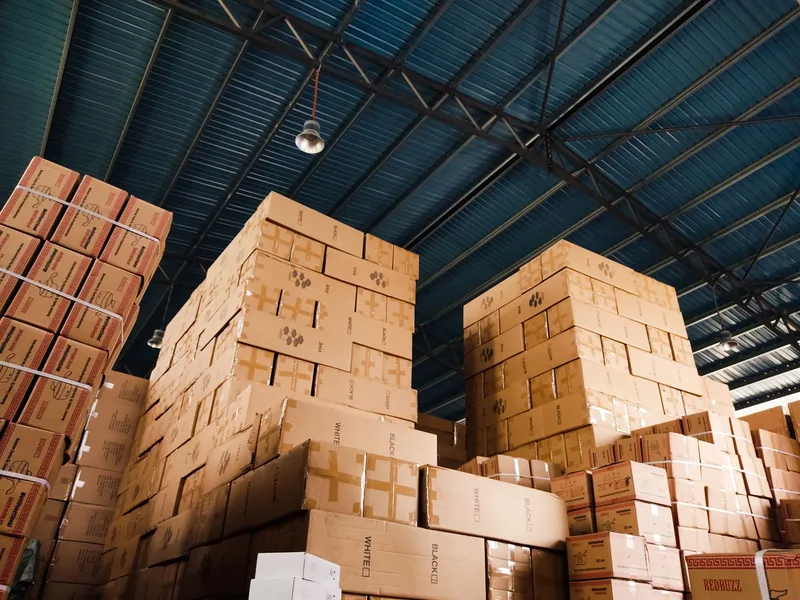
Cardboard at goods inwards
Deliveries come from nearby grocers and markets throughout the district, and cardboard arrives at the goods inwards door and moves straight to storage. Monitoring stations at the goods inwards point reveal whether suppliers are already introducing infestations.
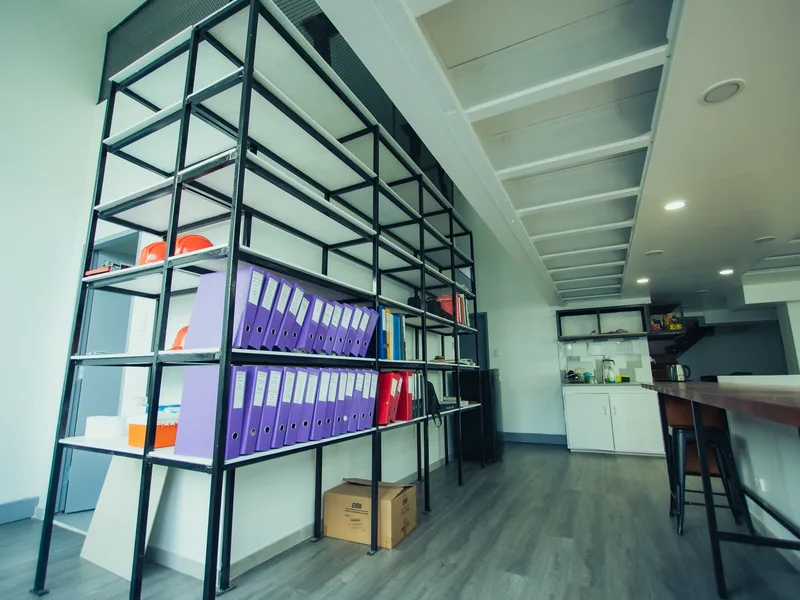
Dry store shelving
Dry storage in ground floor shops is often compact; shelving sits at safe height from floors and walls, and monitoring stations are placed beneath and behind shelves because insects hide in corners and under edges.
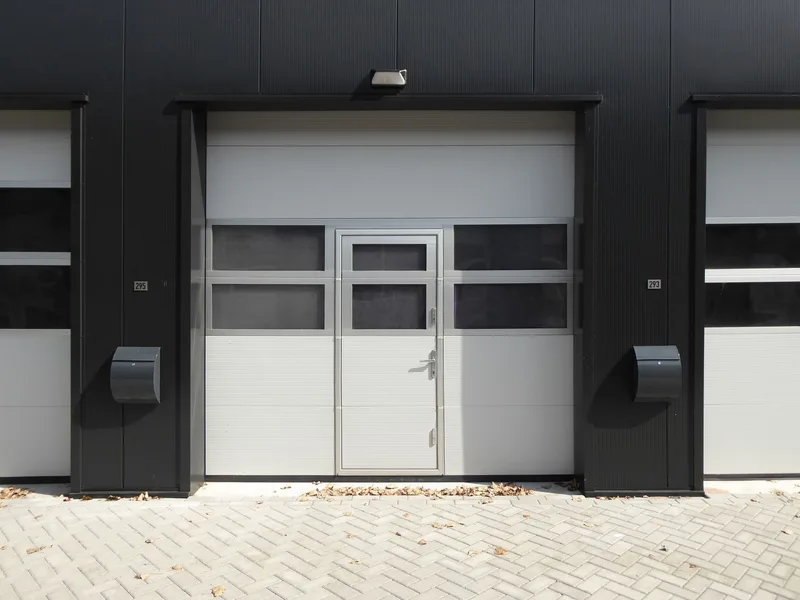
The back service door
The back service door opens onto a shared building courtyard used by multiple occupants. The door is inspected daily, seals are checked, and monitoring stations are placed at the threshold and in the nearby corridor.
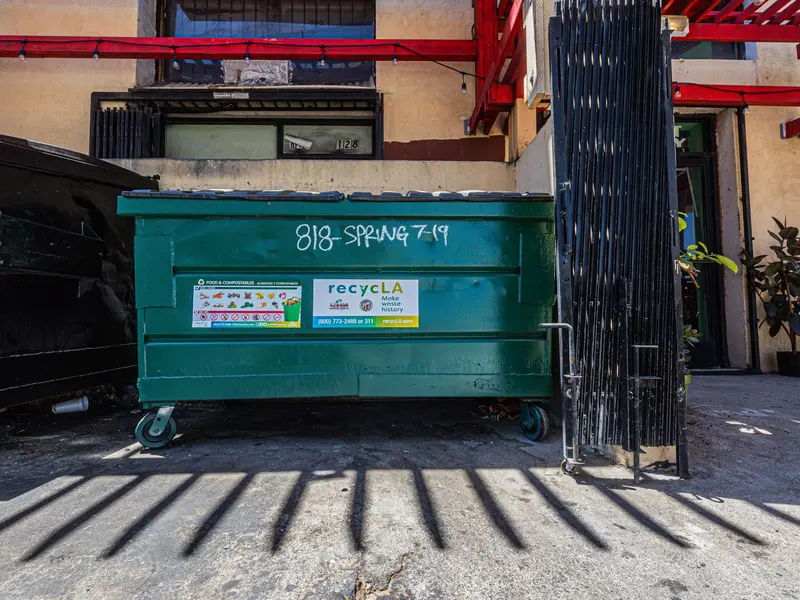
The bin area
The restaurant waste bins sit in the shared courtyard with bins from residential units above. Bins can attract pests from the whole building. Regular bin cleaning, punctual emptying and monitoring around the bin cluster all feed into the programme.
How we work
-
1
Survey and site plan
We follow the food route from delivery to waste, establish which species are present and where the moisture is, and mark the station positions on a plan of the kitchen and the store.
-
2
Install numbered monitoring points
Sealed, numbered stations in fixed positions, read in the same order every visit so the file shows a trend rather than an impression.
-
3
Treatment outside service hours
Gel bait into joints and voids, foam into the gullies and the grease trap, and nothing applied to preparation surfaces, with equipment covered and surfaces wiped down before service resumes.
-
4
Scheduled visits and the site file
Every visit reads the stations and records what was found, the corrective action needed, who owns it and by when, and the file stays on site to be shown at an inspection.
What a restaurant programme includes
-

Opening survey and site plan
Species, entry points and moisture sources, with a plan showing where every station sits.
-

Sealed, numbered stations
Bait held inside closed stations in food areas, never open product near preparation or storage.
-

Gully and grease trap treatment
Foam that contacts the pipe wall where small flies breed, which is the step most contracts skip.
-

Targeted application after closing
Into joints, voids and the store perimeter, at a time with no exposed food and no team in the kitchen.
-

Reopening instructions for the team
What to cover before, what to wipe after, and what not to wash so the treatment is not undone.
-

A visit report and a running log
Every station read, corrective actions with an owner and a date, and a continuous file to show at an inspection.
Landmarks of Al Zahra
Restaurants in Al Zahra scatter along King Abdulaziz Road and Hira Street, and locations near Al Zahra Hospital and the Saudi German Hospital are readily reached from main routes. We base the monitoring plan on kitchen layout and guest flow from the hospitals and nearby commercial centres.
- King Abdulaziz Road
- Hira Street
- Al Zahra Hospital
- Saudi German Hospital
- University of Business and Technology
- Zahra Mall
Questions about this district
Should we treat the flats above us separately from the restaurant?
Our programme focuses on the restaurant itself, but we place monitoring stations in the common corridors and lower floors because the flats above create ongoing pest pressure. Whether to treat the flats is a decision for the building owners, but our programme accounts for this shared environment.
The adjoining shop has an infestation. Can pests cross the shared wall?
Shared walls and adjoining gaps are active migration routes. We mark every boundary point and shared opening on the kitchen plan and position monitoring stations at these interfaces. Any sealing of gaps is done from inside the kitchen to protect food preparation.
How many monitoring points do we need in our Al Zahra restaurant?
This depends on kitchen size, number of doors, entry points, storage areas and the layout. We map the full kitchen first, then station monitors at the front and rear entries, along the cooking line, at the grease trap, in storage and goods inwards. A typical restaurant runs eight to twelve stations.
Do we need to treat the dining area or just the kitchen?
The kitchen is the source, but the dining area may need monitoring stations, especially at entry points and windows. Our programme concentrates on the kitchen and storage; the dining room relies on daily cleaning, good lighting and sealed entries.
Does the high humidity in Al Zahra weaken the treatment programme?
Higher humidity does increase insect activity in summer, but our programme is designed for this climate. We increase monitoring frequency in the hot months and focus on drying leak zones and maintaining good kitchen ventilation.
When should we start, and what is the best timing for the first visit?
You can begin at any time. The first treatment happens outside service hours at night, and we create a complete kitchen map with monitoring stations. The ongoing programme then follows a regular schedule matched to seasonal pest pressure in your sector.
How much does restaurants and cafes in Al Zahra cost?
It is set after the inspection, because the price follows the type of infestation, the size of the space, how far it has spread and the number of visits it needs. Send a photo and a description on WhatsApp and we will give you an estimate before we reach Al Zahra.
Nearby districts we cover
Other services in Al Zahra
Other services we provide to residents of Al Zahra.
-
 Commercial
Annual contracts
-
 Commercial
Hotels and apartments
-
 Commercial
Warehouses and factories
-
 Commercial
Schools and nurseries
Need restaurants and cafes in Al Zahra? Tell us what you saw and we will tell you what it needs
We reach Al Zahra at a time we agree, and you get the full cost before we start.