
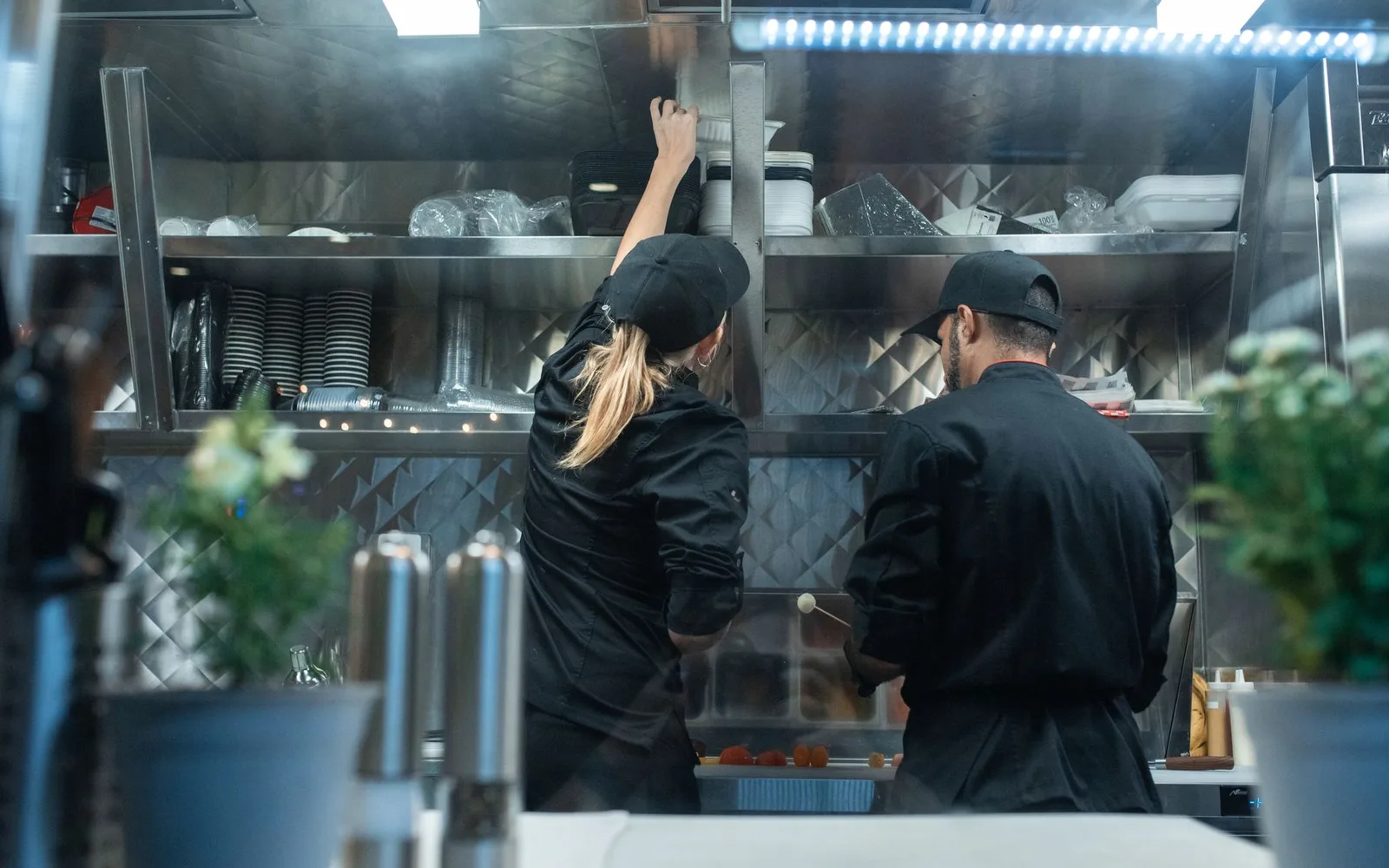
Restaurant pest control for kitchens and cafes
We walk the route from goods inwards to the waste area, set numbered monitoring points on a plan of the kitchen, then treat outside service hours and leave a report of what was found and what was done.
-
Targeted, not broadcast
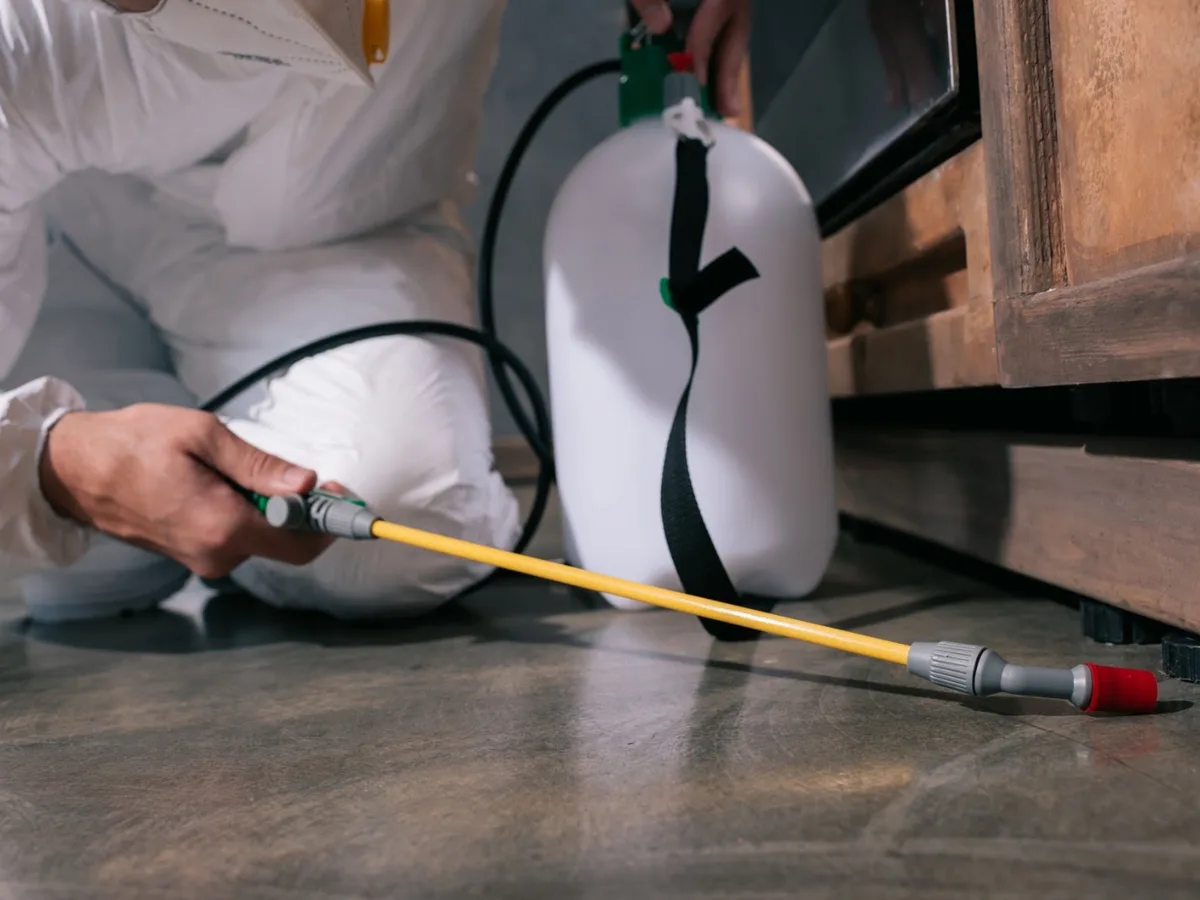
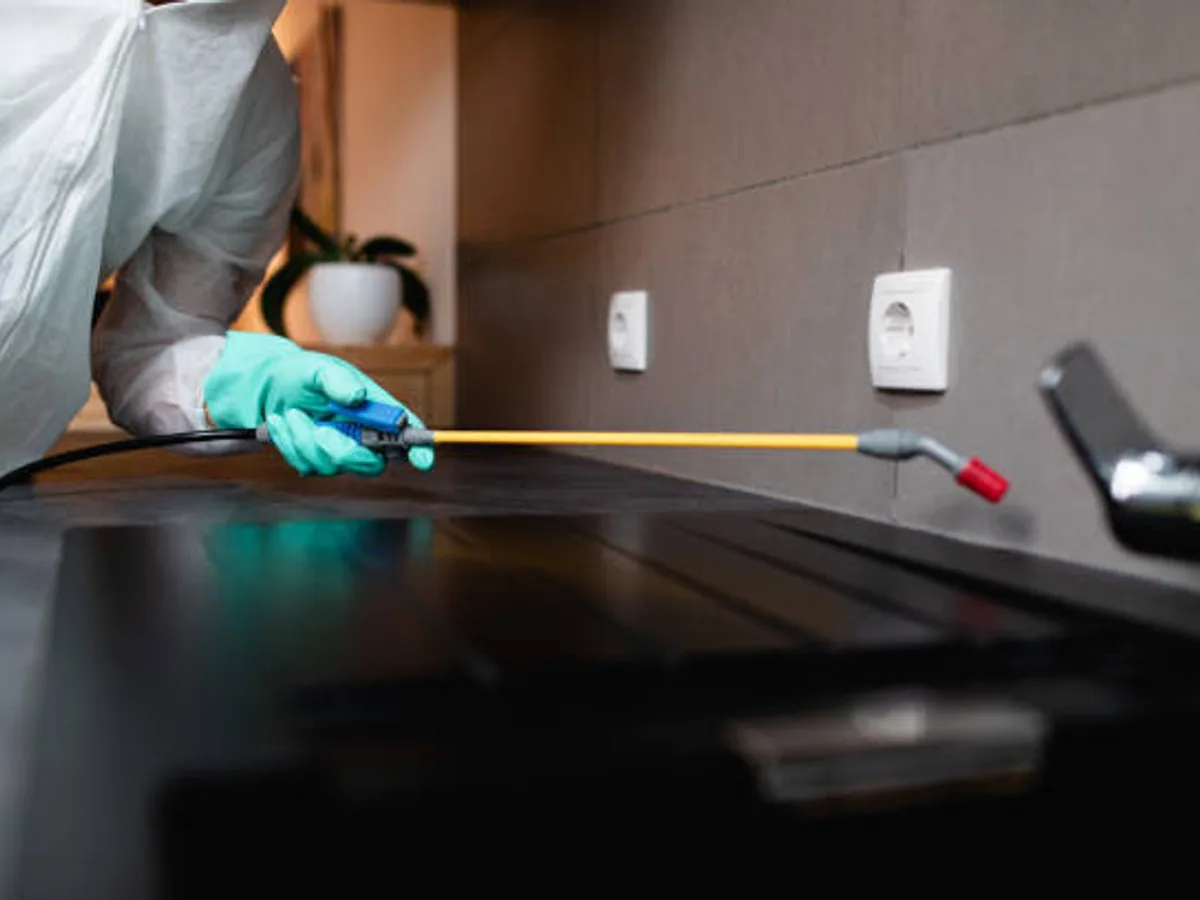
Product goes into cracks and runways, never sprayed across open surfaces.
-
Told before we start
What we will use, where it goes, and what to cover or move before we arrive.
-
A follow-up visit
We return after the first treatment, because what survives it does not show on the day.
-
Homes and businesses
Apartments and villas, and kitchens and stores that need a record of each visit.
Why a monthly spray contract is not a programme
Three reasons, and each one shows up at an inspection before it shows up in the kitchen.
A spray leaves nothing behind
An inspector asks what was found, where, when, and what was done about it. A visit with no report and no numbered points is a visit you cannot evidence.
The source is inside the drain
Small flies breed in the greasy film lining the gully and the trap. Fogging the room removes the adults for one night and leaves the brood untouched.
Deliveries restock the problem
The flutes of corrugated cardboard and the pallets bring eggs into the store the day after a treatment. Without a check at goods inwards, the pressure returns with each consignment.
The places that decide the programme
Six places we open on the first survey, and each one changes the number of stations and the visit interval.
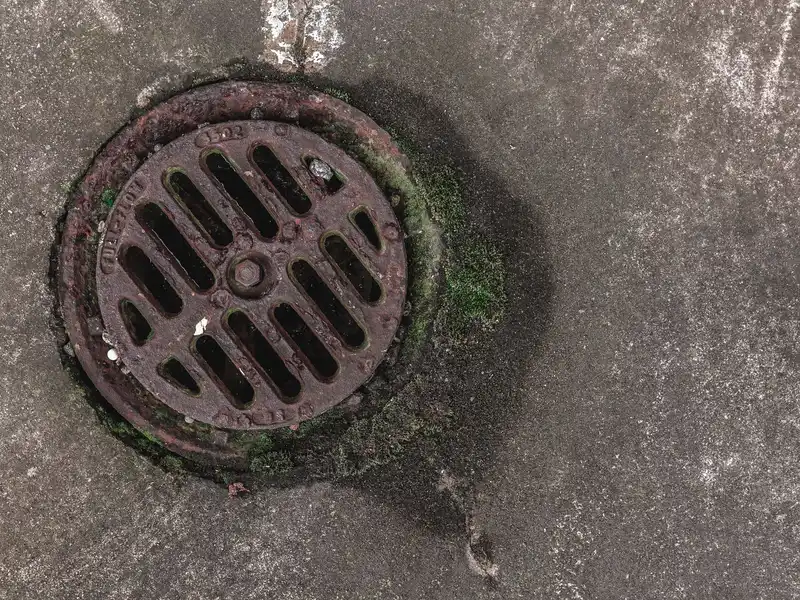
Gullies and the grease trap
The greasy film inside the pipe is where drain flies breed, so it takes an enzyme foam down the gully rather than anything applied to the floor.
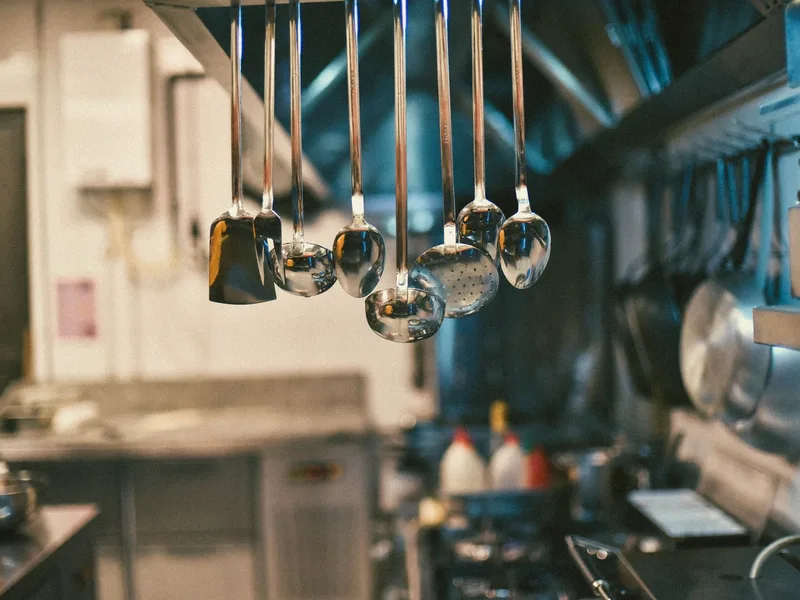
The cooking line and plinths
Constant heat and the grease under the plinths make permanent harbourage, and it cannot be treated until the unit is pulled off the wall.
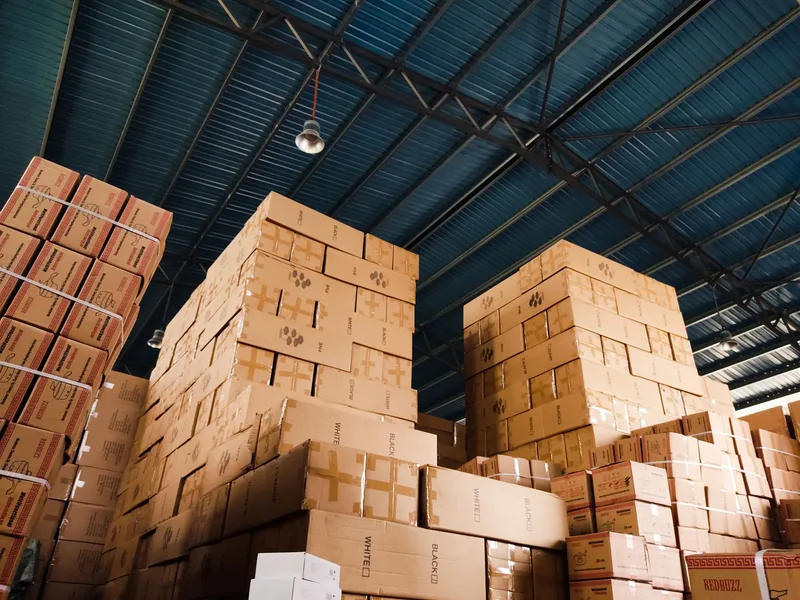
Cardboard at goods inwards
Corrugated cardboard carries egg cases in from the supplier, so control starts at the goods inwards door by decanting stock before it enters the store.
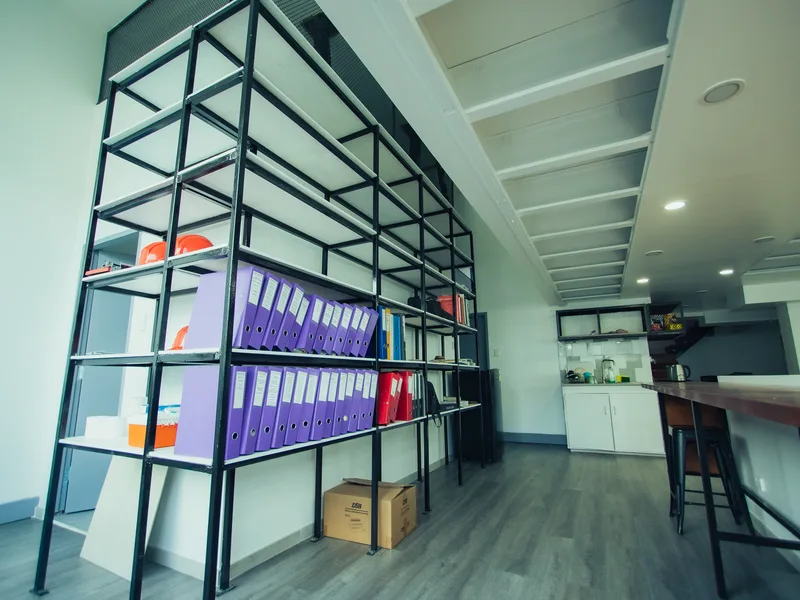
Dry store shelving
Shelving hard against the wall removes the inspection line and hides stored product pests, and the first correction is spacing rather than product.
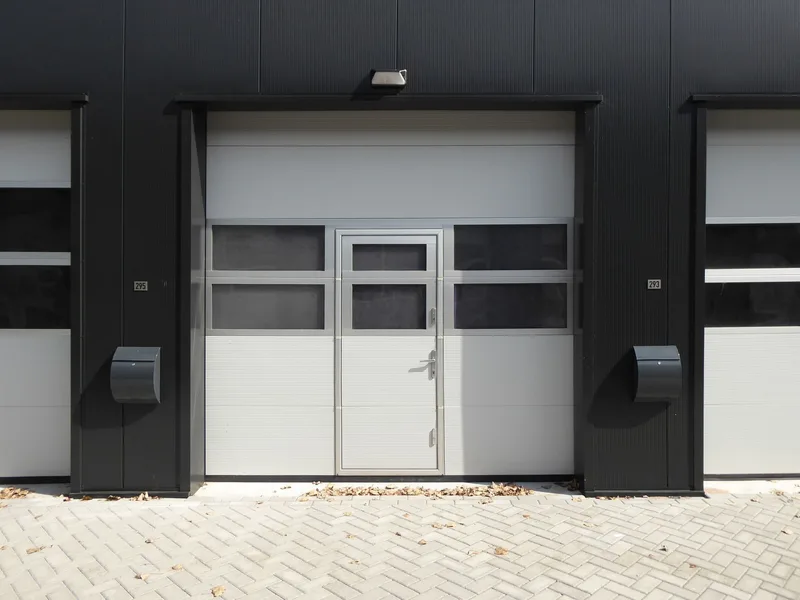
The back service door
A gap under the door the width of a coin is enough for a mouse, and a brush strip goes on before any bait is placed outside.
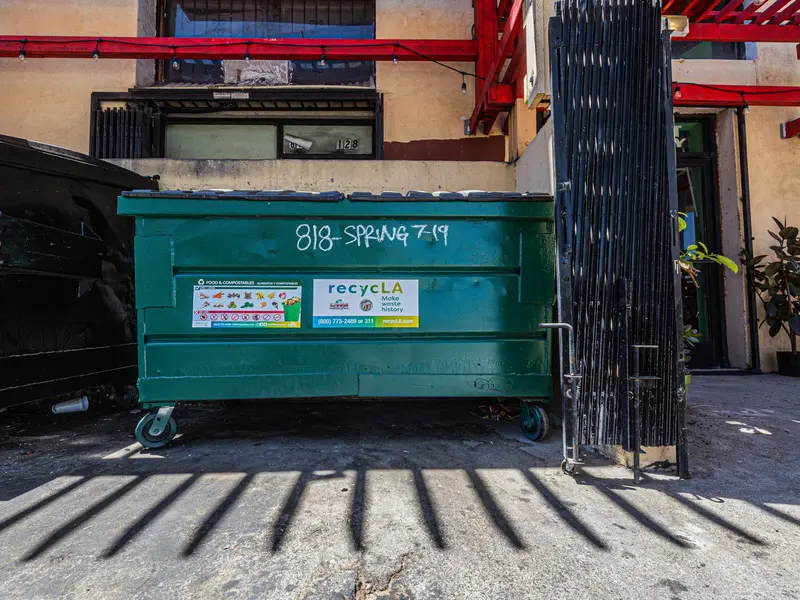
The bin area
The bins are where the outside pressure comes from, and their distance from the kitchen door and the collection interval set the visit frequency.
How the visit runs
Four steps. It starts with a site survey and ends with a file that stays on the premises.
-
1
Survey and site plan
We follow the food route from delivery to waste, establish which species are present and where the moisture is, and mark the station positions on a plan of the kitchen and the store.
-
2
Install numbered monitoring points
Sealed, numbered stations in fixed positions, read in the same order every visit so the file shows a trend rather than an impression.
-
3
Treatment outside service hours
Gel bait into joints and voids, foam into the gullies and the grease trap, and nothing applied to preparation surfaces, with equipment covered and surfaces wiped down before service resumes.
-
4
Scheduled visits and the site file
Every visit reads the stations and records what was found, the corrective action needed, who owns it and by when, and the file stays on site to be shown at an inspection.
What a restaurant programme includes
-

Opening survey and site plan
Species, entry points and moisture sources, with a plan showing where every station sits.
-

Sealed, numbered stations
Bait held inside closed stations in food areas, never open product near preparation or storage.
-

Gully and grease trap treatment
Foam that contacts the pipe wall where small flies breed, which is the step most contracts skip.
-

Targeted application after closing
Into joints, voids and the store perimeter, at a time with no exposed food and no team in the kitchen.
-

Reopening instructions for the team
What to cover before, what to wipe after, and what not to wash so the treatment is not undone.
-

A visit report and a running log
Every station read, corrective actions with an owner and a date, and a continuous file to show at an inspection.

Exactly where the product goes
-
1
Inside joints, not on surfaces
Bait goes into a cabinet joint or a gap behind an appliance, in dots the size of a match head, in places no hand reaches and nothing touches in ordinary use.
-
2
Away from where food is
Nothing is sprayed on preparation surfaces, inside food cupboards, or across open floor in living rooms and bedrooms.
-
3
A little preparation first
Cover dishes, move water bowls. We give you the ventilation time for your treatment on the call, rather than a general number printed on a page.
-
4
Tell us the exceptions
Asthma, an allergy or a pregnancy in the home changes the product choice and the order of the visit. It is a change we make often and it does not delay the appointment.
Our work
What customers say on Google
Excellent and courteous service, and the bed bugs were cleared from the house completely. I recommend them, God willing.
Translated from the Arabic original.
Excellent to deal with, very good service, and they explain. The staff explain how each product is used, completely honestly.
Translated from the Arabic original.
The termite problem disappeared after the treatment. Thank you.
Translated from the Arabic original.
We cover Jeddah and Makkah
Every district has its own page for this service. Tap yours.
Common questions
What does a restaurant programme cost?
It is set after the opening survey, because the figure follows the size of the kitchen and store, how many stations the site needs, the visit frequency, and whether there is an outside bin area that needs an external bait line. We survey, then send a written proposal that says what each line covers. If you run more than one branch, the arrangement that usually fits is Annual contracts.
Why did they come back when we already have monthly visits?
Three common reasons: the grease film inside the gully rebuilds quickly and the small flies return with it unless the gully itself is treated; consignments arrive carrying eggs in the cardboard the day after a visit; and a gap that was sealed gets reopened for a cable or a pipe. The numbered stations are what show which of the three is happening on your site instead of guessing. The biology of the cockroach itself is on Cockroach control.
Do we have to close, and when do you come?
We come after closing or before opening, because the work is placed into joints, voids and gullies rather than sprayed across an open room. The ventilation time before service resumes is something we tell you on the call, since it changes with the product used, the size of the space and how the kitchen extracts, and we do not print a fixed number here. The short preparation list is in pest control in restaurants.
What do we show at an inspection?
The site file: a plan with the stations numbered, a report per visit with its date and what each station read, a corrective action list with an owner and a closing date, and a statement of what was applied and where. The file runs in sequence, so an inspector sees the trend across visits rather than a single day.
How often will you visit?
It is decided after the survey. A high volume kitchen, a site with the bin area right at the back door, or a site just out of an active infestation starts on a tighter interval and moves out as the station readings settle. A quieter site with a well laid out store settles on a lighter schedule. The readings set the interval, not the contract.
Is anything sprayed near food and preparation surfaces?
No. In food areas the bait sits inside closed stations, the gel goes into joints that hands do not touch, and the gully is treated with foam inside the pipe. Preparation surfaces are kept out of the treatment entirely, equipment is covered before we start, and surfaces are wiped after we finish and before service begins.
We also have a separate store and a water tank. Are they covered?
A store attached to the restaurant is part of the same programme and gets its own stations. A standalone warehouse, with its floor area and its goods routes, is run as a site in its own right, and that is on Warehouses and factories. The tank is different work altogether: drain, remove sediment, wash, then sterilise, which is set out on Water tank cleaning.
Other services
Scroll to see the rest of what we do.
-
 Residential
Cockroach control
Residential
Cockroach control
-
 Residential
Bed bug control
Residential
Bed bug control
-
 Residential
Termite control
Residential
Termite control
-
 Residential
Rodents and mice
Residential
Rodents and mice
-
 Residential
Mosquito control
Residential
Mosquito control
-
 Residential
Fly control
Residential
Fly control
-
 Residential
Ant control
Residential
Ant control
-
 Residential
Gecko control
Residential
Gecko control
-
 Residential
Scorpion control
Residential
Scorpion control
-
 Residential
Snake control
Residential
Snake control
-
 Residential
Flea control
Residential
Flea control
-
 Residential
Bird and pigeon control
Residential
Bird and pigeon control
-
 Residential
Preventive treatment
Residential
Preventive treatment
-
 Residential
Disinfection
Residential
Disinfection
-
 Commercial
Annual contracts
Commercial
Annual contracts
-
 Commercial
Hotels and apartments
Commercial
Hotels and apartments
-
 Commercial
Warehouses and factories
Commercial
Warehouses and factories
-
 Commercial
Schools and nurseries
Commercial
Schools and nurseries
-
 Commercial
Retail and malls
Commercial
Retail and malls
-
 Commercial
Rest houses and farms
Commercial
Rest houses and farms
-
 Commercial
Fumigation
Commercial
Fumigation
-
 Water tanks
Water tank cleaning
Water tanks
Water tank cleaning
-
 Water tanks
Water tank sterilization
Water tanks
Water tank sterilization
-
 Water tanks
Water tank sealing
Water tanks
Water tank sealing
-
 Water tanks
Tank leak repair
Water tanks
Tank leak repair
Need pest control for restaurants and cafes? Describe what you saw and we will tell you what it needs
A short call is enough. We tell you what we can see and the full cost before we start, and you decide after that.