
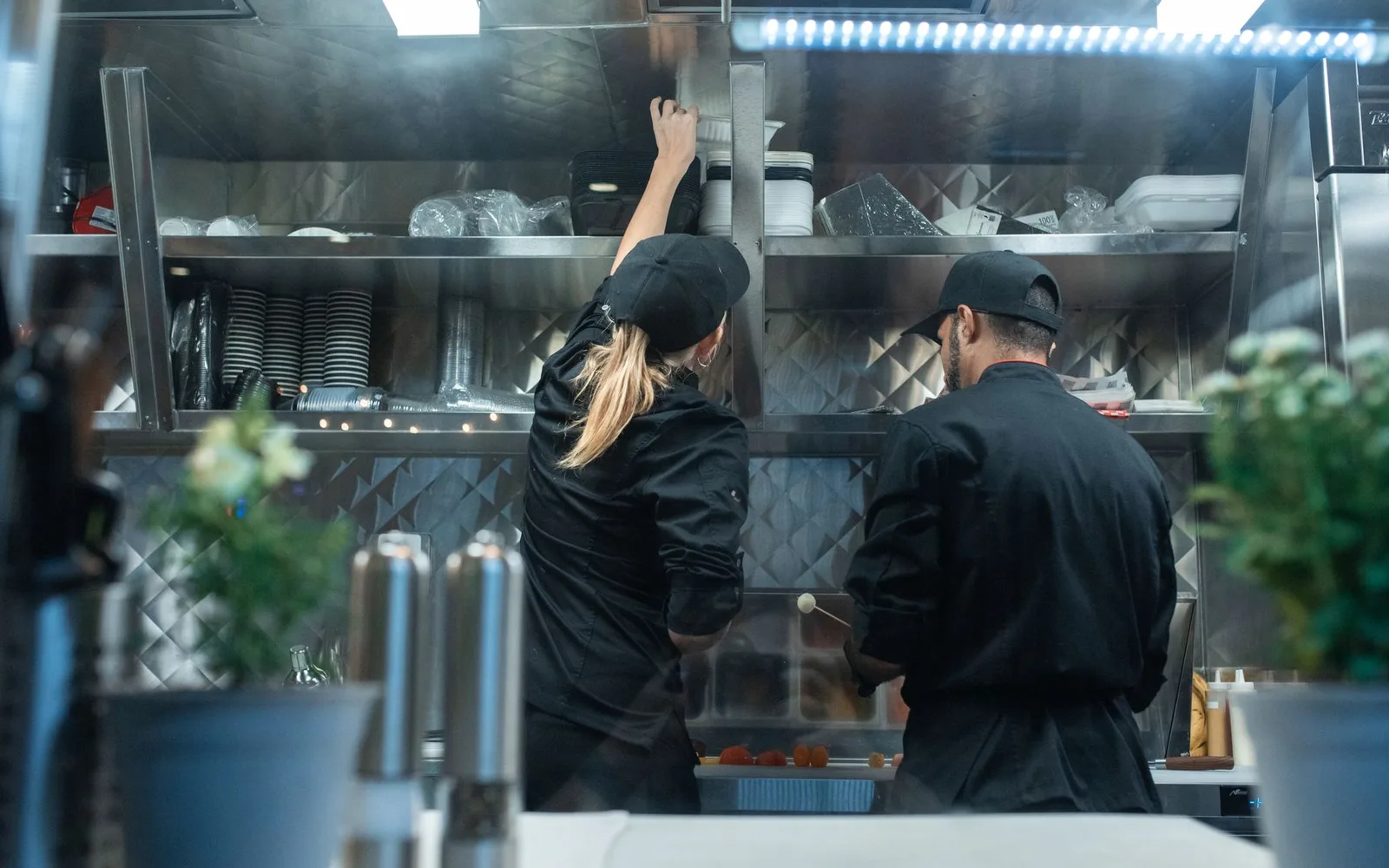
Restaurants and cafes in Al Safa Jeddah
Al Safa is an older mixed district in northern Jeddah, where restaurants and shops occupy ground floors with homes above them, and water and sewerage lines date back decades. This combination of age, density and worn infrastructure makes pest control fundamentally different from newer areas and requires a different strategy.
-
Targeted, not broadcast
Product goes into cracks and runways, never sprayed across open surfaces.
-
Told before we start
What we will use, where it goes, and what to cover or move before we arrive.
-
A follow-up visit
We return after the first treatment, because what survives it does not show on the day.
-
Homes and businesses
Apartments and villas, and kitchens and stores that need a record of each visit.
Why they keep coming back in Al Safa
Apartments and homes sitting directly above restaurants mean insects living in the flats today will be in your kitchen tomorrow, requiring coordination with neighbouring occupants. The method is set out in full on the full Restaurants and cafes page.
Aged infrastructure creates permanent wet conditions
Pipework here is decades old and fractures regularly, weeping water that creates points of dampness where cockroaches thrive. Local quick repairs mask the problem but do not solve it, and insects reappear as soon as another pipe leaks nearby.
High density means insects move freely between units
Old buildings have damp walls and gaps that let insects travel between flats and shops and restaurants. Treating one restaurant is ineffective if flats directly above are infested, since insects simply move down and re-establish themselves each week.
Traditional markets deliver contaminated supplies
Souq Al Murjan is nearby and deliveries come from traditional wholesale markets that may already carry insects. Goods inwards inspection is more critical here because the supply chain is less controlled than modern distribution.
The character of Al Safa
Mixed district: shops at street level with homes above them
Mixed occupancy means insects live not just in the restaurant but move freely between homes and shops. Effective treatment requires coordination with neighbouring units and commitment to regular visits because infestation sources remain constant throughout the shared building.
The places that decide the programme
Aged sewer and water networks leak constantly and harbour chronic blockages that provide a permanent breeding ground for crawling and flying insects from below the floor.
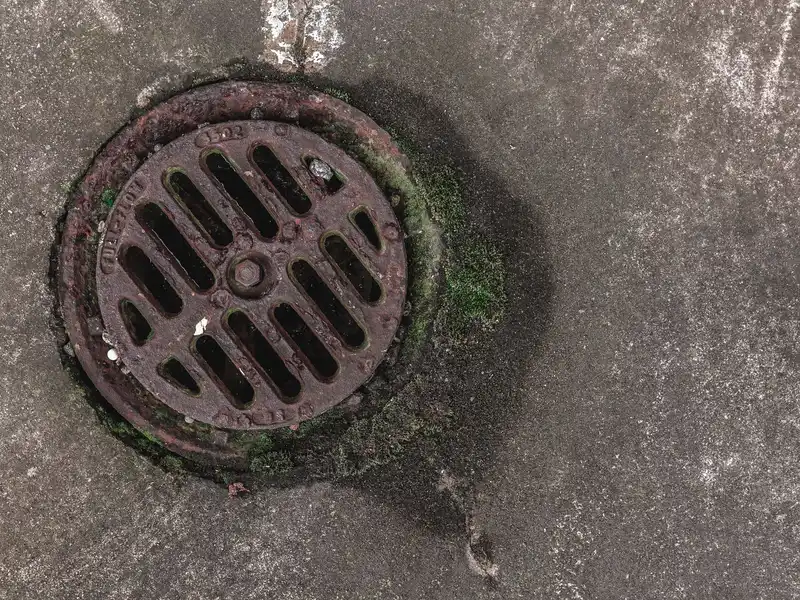
Gullies and the grease trap
Aged drains here are often blocked with accumulated fat and sediment and feature leaks that let insects enter from below. Regular professional cleaning before and after treatment is essential to maintain gully function.
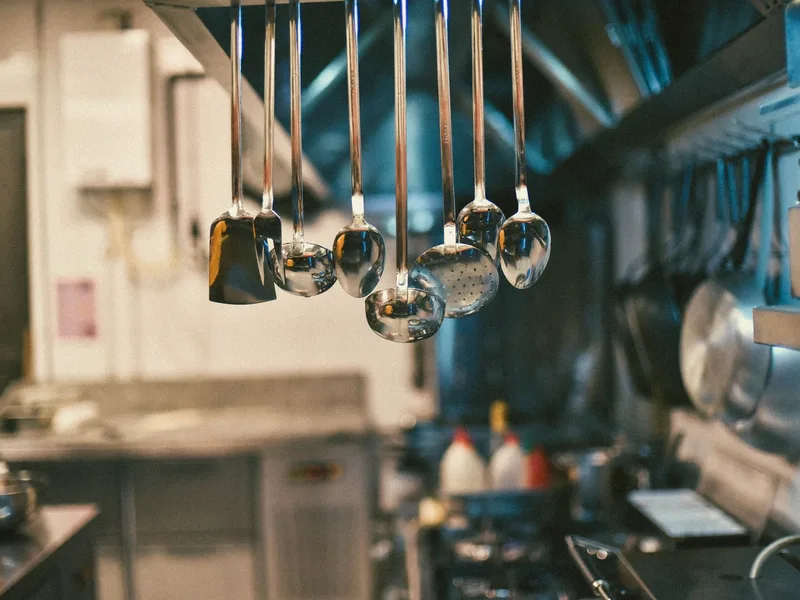
The cooking line and plinths
Kitchen equipment in old buildings often does not sit flush with the floor because of cracks and building settlement, leaving gaps around bases where cockroaches shelter and breed.
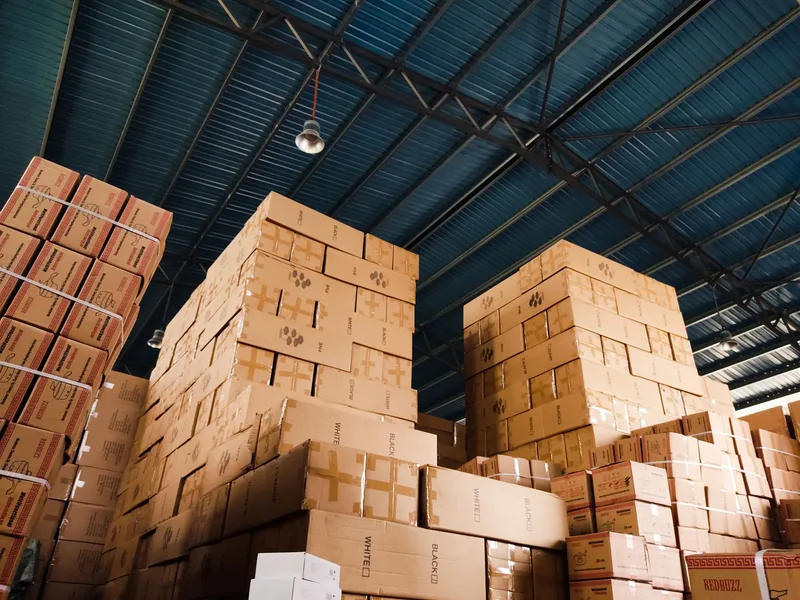
Cardboard at goods inwards
Deliveries from traditional markets arrive in bags and boxes that may already be insect-infested, so inspection and immediate removal of outer packaging at goods inwards is critical.
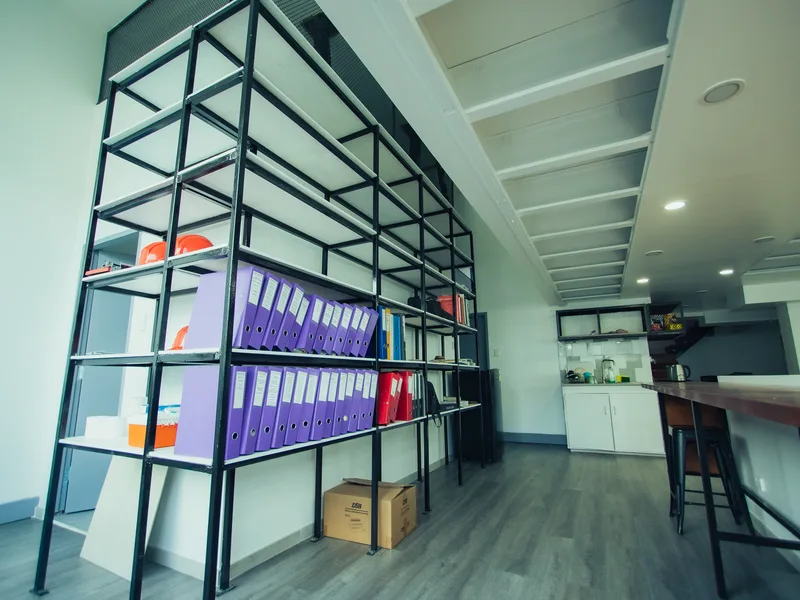
Dry store shelving
Dry store shelves in old buildings may sit close to damp walls or sewer lines, exposing stored goods to continuous moisture and insects entering from the pipework below.
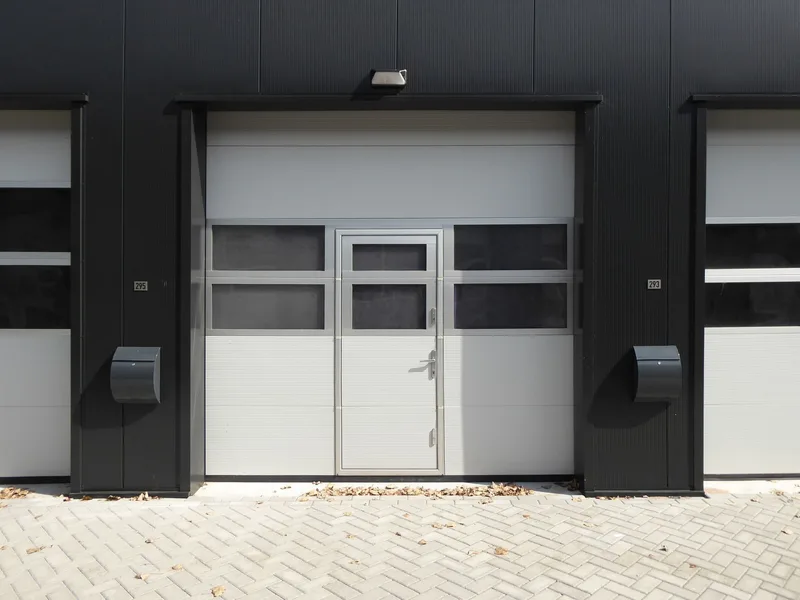
The back service door
The back service door in this older district may have a high or low threshold due to building settlement, leaving gaps around the frame when closed that provide entry routes for insects.
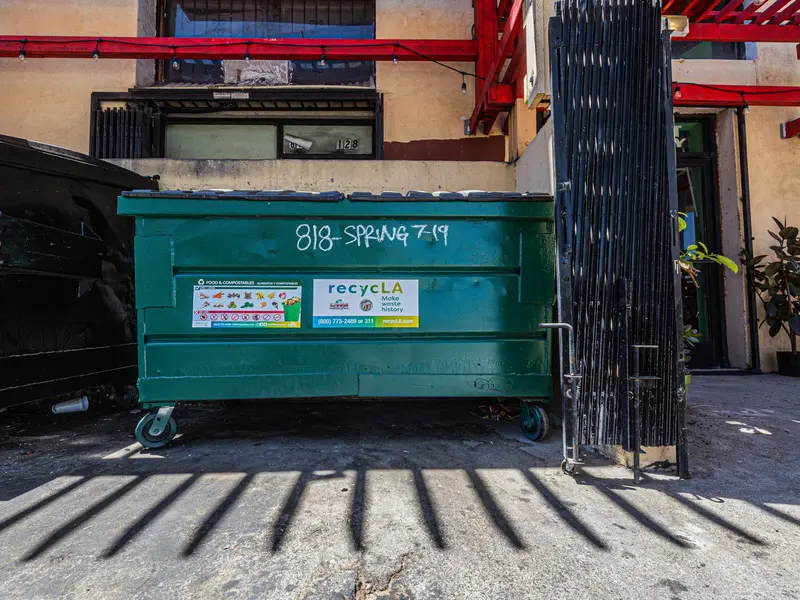
The bin area
Bin areas in crowded old districts are often cramped among buildings, reducing ventilation and increasing humidity, which attracts insects seeking damp shelter.
How we work
-
1
Survey and site plan
We follow the food route from delivery to waste, establish which species are present and where the moisture is, and mark the station positions on a plan of the kitchen and the store.
-
2
Install numbered monitoring points
Sealed, numbered stations in fixed positions, read in the same order every visit so the file shows a trend rather than an impression.
-
3
Treatment outside service hours
Gel bait into joints and voids, foam into the gullies and the grease trap, and nothing applied to preparation surfaces, with equipment covered and surfaces wiped down before service resumes.
-
4
Scheduled visits and the site file
Every visit reads the stations and records what was found, the corrective action needed, who owns it and by when, and the file stays on site to be shown at an inspection.
What a restaurant programme includes
-

Opening survey and site plan
Species, entry points and moisture sources, with a plan showing where every station sits.
-

Sealed, numbered stations
Bait held inside closed stations in food areas, never open product near preparation or storage.
-

Gully and grease trap treatment
Foam that contacts the pipe wall where small flies breed, which is the step most contracts skip.
-

Targeted application after closing
Into joints, voids and the store perimeter, at a time with no exposed food and no team in the kitchen.
-

Reopening instructions for the team
What to cover before, what to wipe after, and what not to wash so the treatment is not undone.
-

A visit report and a running log
Every station read, corrective actions with an owner and a date, and a continuous file to show at an inspection.
What is different about Airport Sub-Municipality
The Airport sub-municipality covers some of the oldest established districts of northern Jeddah, gathered around King Abdulaziz International Airport between Madinah Road, King Fahd Road and Prince Majid Road. The stock is villas, single family houses and apartment blocks built decades ago, many served by ageing water and sewer lines. Commercial streets such as Quraish, Sari and Sultan bin Salman are lined with restaurants, furnished flats and popular markets. Dense commercial kitchens, worn pipework and the gaps in older buildings give cockroaches and rodents steady food and shelter, and the high resident population keeps that pressure constant through the year.
Questions about this district
The flats above us are infested, can we just treat the restaurant?
We focus on your restaurant, but we recommend coordinating with the building owner to treat the flats too. Gaps between units allow insects to re-establish in your space very quickly once they breed upstairs again.
Water pipes leak constantly, is there something you can do?
We treat around damp points and clean drains regularly, but repair of leaking pipes by a licensed plumber is essential. Without drying out the damp, we cannot stop the insects being attracted to water sources underneath.
Deliveries from traditional markets may already be infested, how do we check?
Very possible. We inspect cardboard and bags at goods inwards and dispose of all outer wrapping immediately. Wash fresh produce if feasible, and keep delivery areas sealed when not in active unloading.
Cockroaches appear, then vanish, then return again, why?
Old buildings have thousands of cracks and crevices. Treatment kills visible insects but those sheltering in walls and gaps re-emerge and re-colonise as soon as treatment dries.
How often must we treat in an older district like this?
The aged environment requires more frequent visits than newer buildings because food sources and shelter points are more numerous and harder to access and eliminate.
Will treatment harm the residents in flats above?
We use safe products for occupied spaces. However we notify you of treatment dates so shared openings and gaps can be temporarily sealed to avoid drift upstairs.
How much does restaurants and cafes in Al Safa cost?
It is set after the inspection, because the price follows the type of infestation, the size of the space, how far it has spread and the number of visits it needs. Send a photo and a description on WhatsApp and we will give you an estimate before we reach Al Safa.
Nearby districts we cover
Other services in Al Safa
Other services we provide to residents of Al Safa.
-
 Residential
Cockroach control
Residential
Cockroach control
-
 Residential
Bed bug control
Residential
Bed bug control
-
 Residential
Termite control
Residential
Termite control
-
 Residential
Rodents and mice
Residential
Rodents and mice
-
 Residential
Mosquito control
Residential
Mosquito control
-
 Residential
Fly control
Residential
Fly control
-
 Residential
Ant control
Residential
Ant control
-
 Residential
Gecko control
Residential
Gecko control
-
 Residential
Scorpion control
Residential
Scorpion control
-
 Residential
Snake control
Residential
Snake control
-
 Residential
Flea control
Residential
Flea control
-
 Residential
Bird and pigeon control
Residential
Bird and pigeon control
-
 Residential
Preventive treatment
Residential
Preventive treatment
-
 Residential
Disinfection
Residential
Disinfection
-
 Commercial
Annual contracts
Commercial
Annual contracts
-
 Commercial
Hotels and apartments
Commercial
Hotels and apartments
-
 Commercial
Warehouses and factories
Commercial
Warehouses and factories
-
 Commercial
Schools and nurseries
Commercial
Schools and nurseries
-
 Commercial
Retail and malls
Commercial
Retail and malls
-
 Commercial
Rest houses and farms
Commercial
Rest houses and farms
-
 Commercial
Fumigation
Commercial
Fumigation
-
 Water tanks
Water tank cleaning
Water tanks
Water tank cleaning
-
 Water tanks
Water tank sterilization
Water tanks
Water tank sterilization
-
 Water tanks
Water tank sealing
Water tanks
Water tank sealing
-
 Water tanks
Tank leak repair
Water tanks
Tank leak repair
Need restaurants and cafes in Al Safa? Tell us what you saw and we will tell you what it needs
We reach Al Safa at a time we agree, and you get the full cost before we start.