

Annual contracts in Al Safa Jeddah
Al Safa is one of the oldest and largest districts of northern Jeddah, packed with villas, houses and apartments sitting above shops along Prince Majid Road. Its water and drainage lines are decades old, its restaurants and commerce are dense, and the whole pattern creates a year-round environment for insects. An annual contract here must tackle the complex mix of ageing structures and worn pipework.
-
Targeted, not broadcast
Product goes into cracks and runways, never sprayed across open surfaces.
-
Told before we start
What we will use, where it goes, and what to cover or move before we arrive.
-
A follow-up visit
We return after the first treatment, because what survives it does not show on the day.
-
Homes and businesses
Apartments and villas, and kitchens and stores that need a record of each visit.
Why they keep coming back in Al Safa
Water pipes throughout the district leak steadily, and gaps around the pipework act as direct highways for insects to travel from outside into buildings undetected. The method is set out in full on our Annual contracts service.
Ageing water and drainage infrastructure
Al Safa's water and sewer networks date back decades. Broken and leaking pipes provide permanent water sources for insects and rodents, while the concrete damage creates access routes. The contract focuses intensive monitoring on these zones and on entry points where pipes pass through walls and foundations.
Dense restaurants and shops crowd the main roads
Prince Majid Road and Tahliah Street are lined with restaurants, cafes and shops. That density supplies insects with continuous food, and waste and grease seep into streets and drains. Monitoring points are positioned to catch the movement of insects between neighbouring properties.
Older buildings with gaps and poor seals
Villas and apartment blocks built before modern standards. Gaps around windows, doors and old foundations create countless entry points for insects, especially in properties with limited upkeep. The contract includes close examination of every seal and the spaces underneath old render.
The character of Al Safa
Mixed district: shops at street level with homes above them
A mixed district means insects move easily between shops and flats through shared gaps and common pipework, so monitoring must cover the whole building, not a single zone.
What sets the shape of the contract
The district sprawls across a large grid between Prince Majid Road and King Fahd Road, with mixed residential and commercial buildings built many years ago over infrastructure that has not been comprehensively replaced.
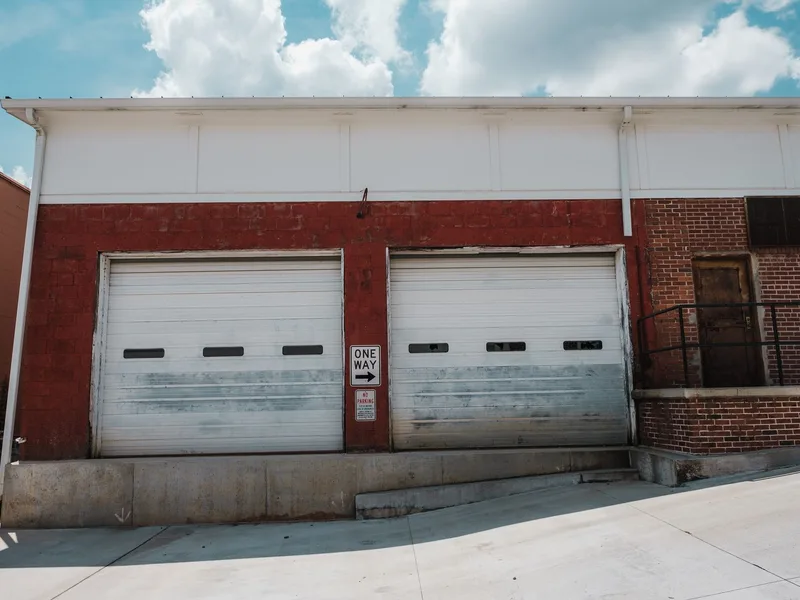
The goods-in door
The goods-in door to commercial units sees constant flow of staff and customers, which eases insects entering from the street and surrounding areas into the building.
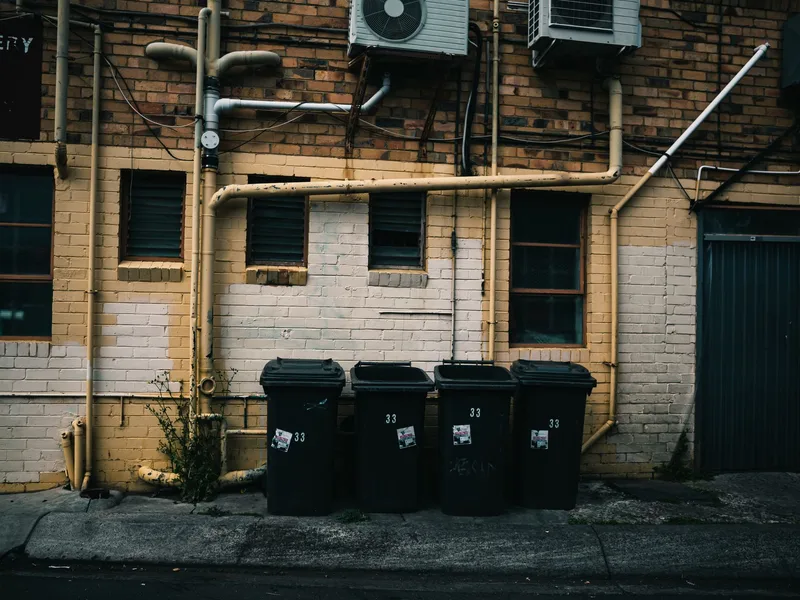
The waste area
The waste area behind shops and restaurants collects heavy food waste, and bin covers are rarely sealed tight, creating open feeding stations for insects and rodents.
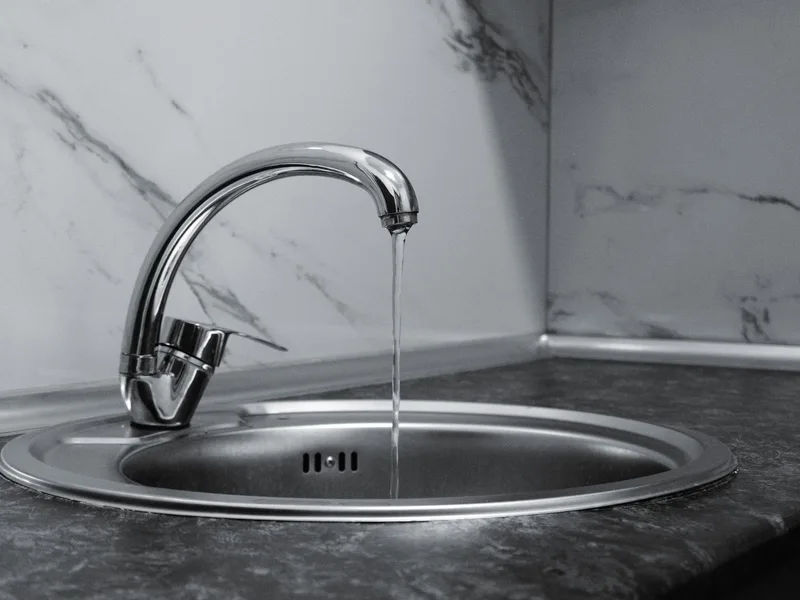
Drains and grease traps
Drains and grease traps from restaurants are ageing and often blocked or cracked, providing a direct pathway for insects and rodents to enter buildings from the sewer network.
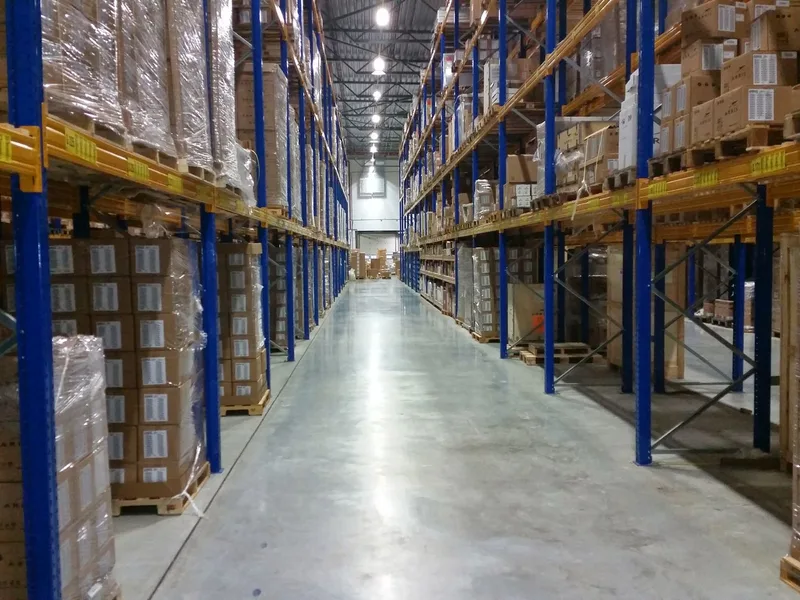
Dry store and pallets
Dry store and pallet areas in residential units may sit close to leaking water pipes, making persistent dampness a permanent problem requiring extra monitoring.
Fixed, numbered points
Fixed numbered points are sited at multiple levels within single buildings, from the foundation to upper floors, to track the vertical movement of insects between zones.

The file itself
The file keeps detailed records of observed leaks and gaps and cracks, with dates of required repairs and follow-up checks to verify sealing.
How we work
-
1
Survey and risk assessment
We walk the building from the goods-in door through preparation, stores and washrooms, and record the species pressure, the entry routes, the moisture and which areas carry which level of risk.
-
2
The plan, the map and the frequency
We number the monitoring positions on a plan of the site, agree the visit frequency from what each area handles and how open the building is, and agree who receives and signs the report.
-
3
The scheduled visits
Every visit reads the same route, point by point, records the reading even when it is nil, and treats the area the reading calls for rather than the whole building.
-
4
Review and reading the trend
We read the visits together rather than one at a time: where the readings climbed, which corrective actions are still open, and whether an area needs more points or closer visits.
What the annual contract includes
-

Opening survey and site plan
A walk that fixes the risk areas and the entry routes, and a plan with the monitoring positions numbered before anything is installed.
-

Numbered monitoring points
Fixed positions on a set route, opened, read and logged every visit, and replaced when damaged.
-

Targeted treatment when called for
On the cracks, junctions and service areas the reading points to, and outside operating hours where that is needed.
-

Drains and waste areas
Floor gullies, grease traps and the ground around the containers on every visit, because that is the source that renews itself.
-

Report and corrective actions
After every visit: what was found, what was applied and where, and what the site needs to fix, such as a door gap or a missing drain cover.
-

Scheduled visits and visits in between
A schedule agreed in the contract, plus a visit when activity appears between two dates, logged like any other.
What is different about Airport Sub-Municipality
The Airport sub-municipality covers some of the oldest established districts of northern Jeddah, gathered around King Abdulaziz International Airport between Madinah Road, King Fahd Road and Prince Majid Road. The stock is villas, single family houses and apartment blocks built decades ago, many served by ageing water and sewer lines. Commercial streets such as Quraish, Sari and Sultan bin Salman are lined with restaurants, furnished flats and popular markets. Dense commercial kitchens, worn pipework and the gaps in older buildings give cockroaches and rodents steady food and shelter, and the high resident population keeps that pressure constant through the year.
Questions about this district
Do leaks from old pipes bring insects to buildings continuously?
Constant seepage creates a permanent damp environment. The contract includes routine inspection of points around main pipes and under building foundations where moisture collects and draws insects.
How do we cover shops that open and close at different times?
Monitoring stations sit in permanent locations unaffected by shop hours. The report records the status at each visit regardless of whether the shop is open or closed, and notes any new entry or exit activity.
Is monitoring different for a shop and the flat above it in the same building?
Grease and damp from the shop migrate through gaps and cracks to upper floors and walls. Points are sited at multiple levels and the record includes observations from each zone of the building.
Do large gaps around old pipework need repairs from your company?
We record gaps and leaks in the report with closure recommendations. Repairs are the property owner's responsibility, but we check in the next visit whether the work was done.
What happens in shops and restaurants cleaned heavily every day?
Daily cleaning reduces food sources but does not eliminate insects already sheltering in the building. The contract targets the hidden spaces and cracks where insects hide, beyond reach of cleaning.
Do seasons affect insect activity in an old district like Al Safa?
Seasons do shift activity. Warm months increase breeding, cooler months slow it, but moisture from leaking pipes keeps conditions suitable for insects even through winter.
How much does annual contracts in Al Safa cost?
It is set after the inspection, because the price follows the type of infestation, the size of the space, how far it has spread and the number of visits it needs. Send a photo and a description on WhatsApp and we will give you an estimate before we reach Al Safa.
Nearby districts we cover
Other services in Al Safa
Other services we provide to residents of Al Safa.
-
 Residential
Cockroach control
Residential
Cockroach control
-
 Residential
Bed bug control
Residential
Bed bug control
-
 Residential
Termite control
Residential
Termite control
-
 Residential
Rodents and mice
Residential
Rodents and mice
-
 Residential
Mosquito control
Residential
Mosquito control
-
 Residential
Fly control
Residential
Fly control
-
 Residential
Ant control
Residential
Ant control
-
 Residential
Gecko control
Residential
Gecko control
-
 Residential
Scorpion control
Residential
Scorpion control
-
 Residential
Snake control
Residential
Snake control
-
 Residential
Flea control
Residential
Flea control
-
 Residential
Bird and pigeon control
Residential
Bird and pigeon control
-
 Residential
Preventive treatment
Residential
Preventive treatment
-
 Residential
Disinfection
Residential
Disinfection
-
 Commercial
Restaurants and cafes
Commercial
Restaurants and cafes
-
 Commercial
Hotels and apartments
Commercial
Hotels and apartments
-
 Commercial
Warehouses and factories
Commercial
Warehouses and factories
-
 Commercial
Schools and nurseries
Commercial
Schools and nurseries
-
 Commercial
Retail and malls
Commercial
Retail and malls
-
 Commercial
Rest houses and farms
Commercial
Rest houses and farms
-
 Commercial
Fumigation
Commercial
Fumigation
-
 Water tanks
Water tank cleaning
Water tanks
Water tank cleaning
-
 Water tanks
Water tank sterilization
Water tanks
Water tank sterilization
-
 Water tanks
Water tank sealing
Water tanks
Water tank sealing
-
 Water tanks
Tank leak repair
Water tanks
Tank leak repair
Need annual contracts in Al Safa? Tell us what you saw and we will tell you what it needs
We reach Al Safa at a time we agree, and you get the full cost before we start.