
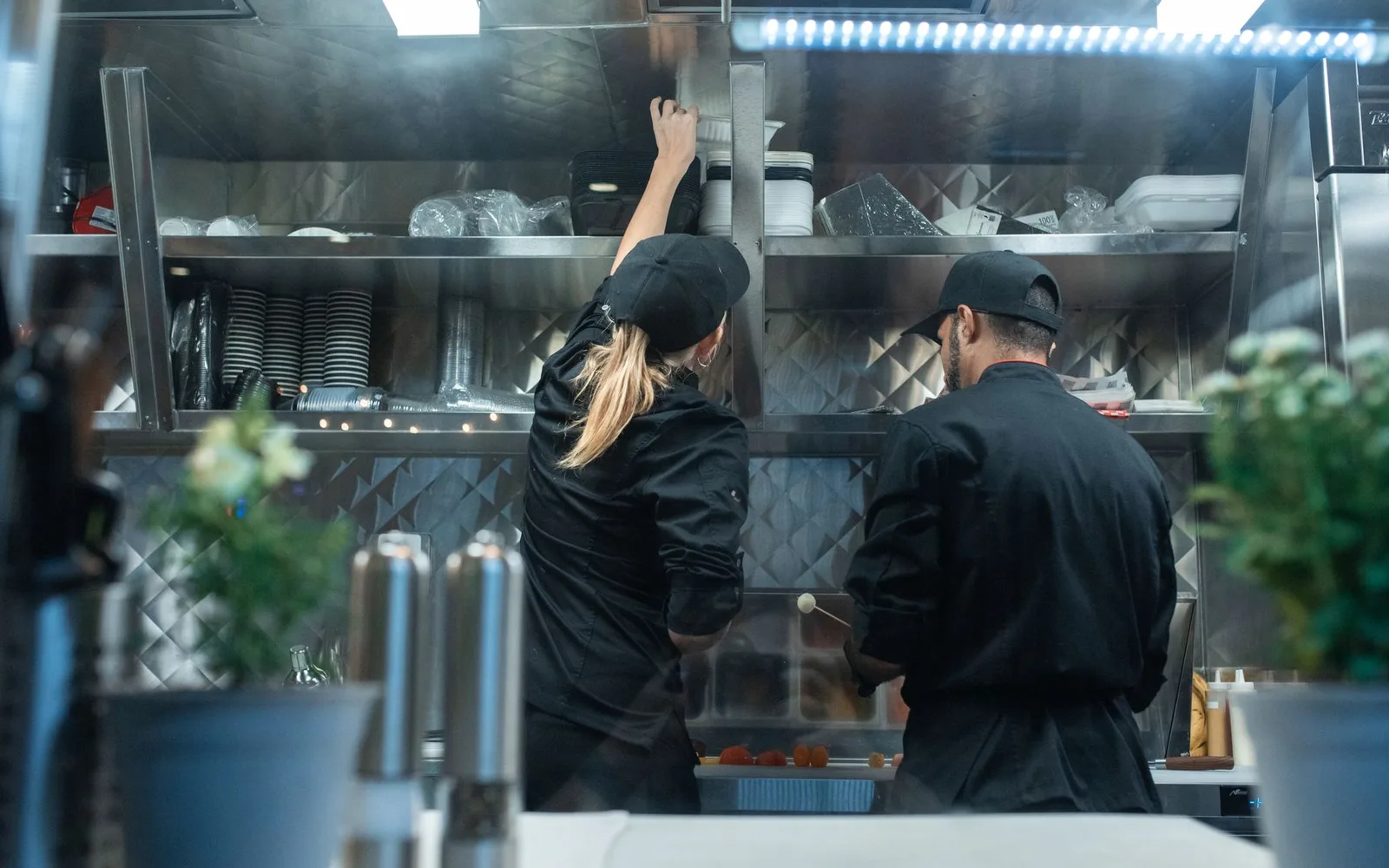
Restaurants and cafes in South Obhur Jeddah
South Obhur's restaurants face a pest challenge that standard programs miss. The waterfront sits in high humidity year-round, irrigated gardens and grass line every plot, and chalets scattered along the creek stand empty for months between seasons, making them safe houses for insects and rodents to settle and multiply without disturbance.
-
Targeted, not broadcast
Product goes into cracks and runways, never sprayed across open surfaces.
-
Told before we start
What we will use, where it goes, and what to cover or move before we arrive.
-
A follow-up visit
We return after the first treatment, because what survives it does not show on the day.
-
Homes and businesses
Apartments and villas, and kitchens and stores that need a record of each visit.
Why they keep coming back in South Obhur
Restaurants along the corniche report heavy mosquito and sand fly pressure during humid periods, and the seasonal closure of chalets often means an explosion of cockroaches when they reopen if the property has been unattended. The method is set out in full on Restaurants and cafes in detail.
High humidity accelerates insect breeding cycles
Waterfront humidity keeps pupae developing twice as fast as in drier districts. Standard monthly programmes cannot track populations that breed on this timeline. Monitoring stations and regular inspections with targeted treatment of damp zones keep numbers manageable where a generic schedule would fail.
Permanent water supply from garden irrigation
Every villa and resort plot has lawn and planted areas fed by underground or surface irrigation. Mosquito larvae develop in these pools and puddles within days. Treatment must extend to the irrigation system, guttering, and standing water, not just the kitchen and store.
Seasonal closure leaves chalets uninspected for months
Rest houses and chalets between visits mean no eyes on the property for long spells. Rodents colonise empty kitchens and cockroaches settle into walls. Pre-opening inspection and treatment before the season starts costs far less than dealing with a fully infested building when guests arrive.
Landmarks of South Obhur
Restaurants stretch along the South Obhur Corniche from Obhur Creek inland across villas and resorts to Madinah Road, each location requiring treatment adapted to salt air and the seasonal occupation patterns of the waterfront.
- Obhur Creek
- South Obhur Corniche
- King Abdulaziz Road
- Madinah Road
- Hibat Al Rahman Mosque
The places that decide the programme
Sea humidity and salt laden breezes keep timber, render and soil damp through most of the year, while standing water from irrigation pools and occasional drainage problems suit mosquitoes, ants and cockroaches equally well.
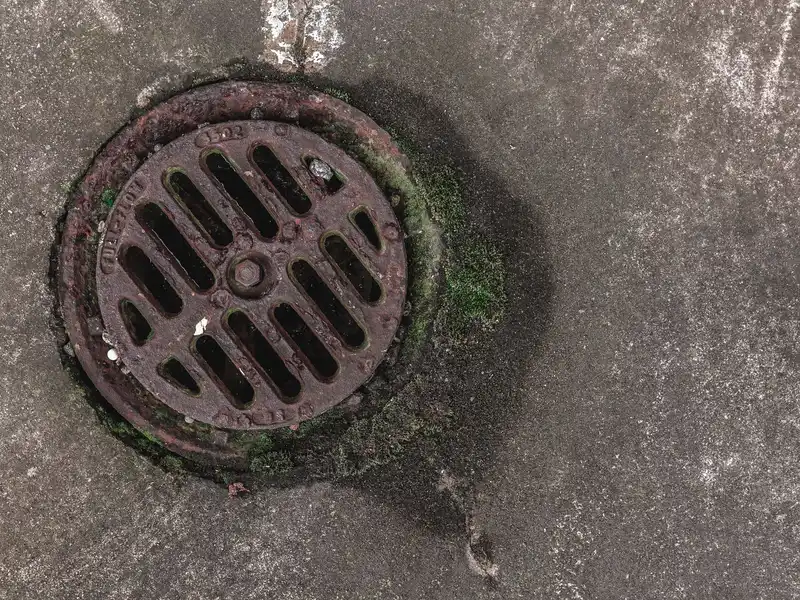
Gullies and the grease trap
Coastal gullies suffer from salt and mineral buildup that blocks flow and traps organic matter, creating perfect breeding sites. Regular clearing and inspection catch infestations early.
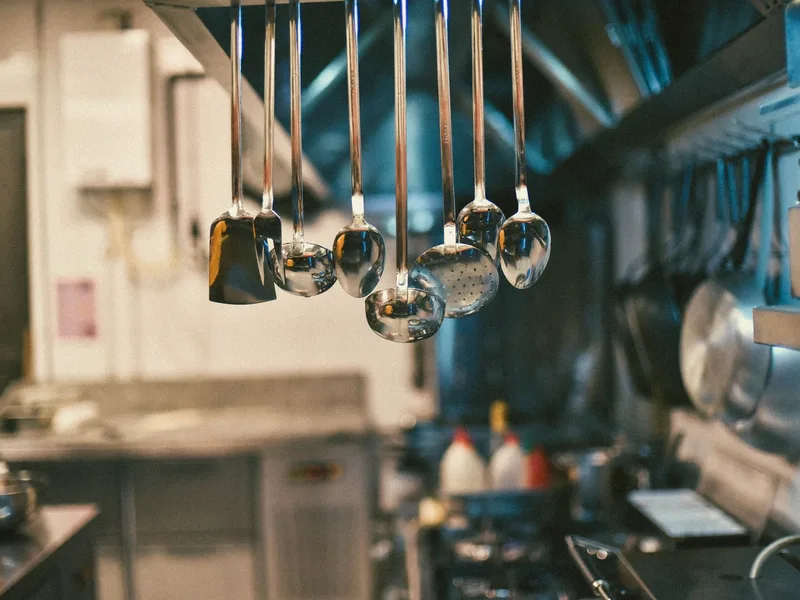
The cooking line and plinths
Cooking lines need tight sealing against external humidity, and plinths must be raised and sealed because the damp soil underneath becomes a highway for cockroaches and ants.
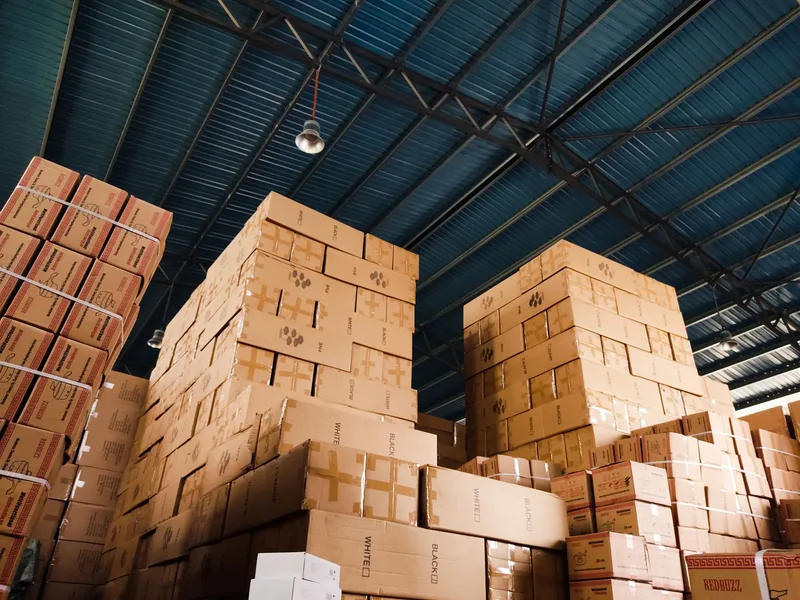
Cardboard at goods inwards
Cardboard deteriorates quickly in salt air and damp, so storage at receiving must be elevated and protected. Wet cardboard attracts cockroaches and harbours larvae within days.
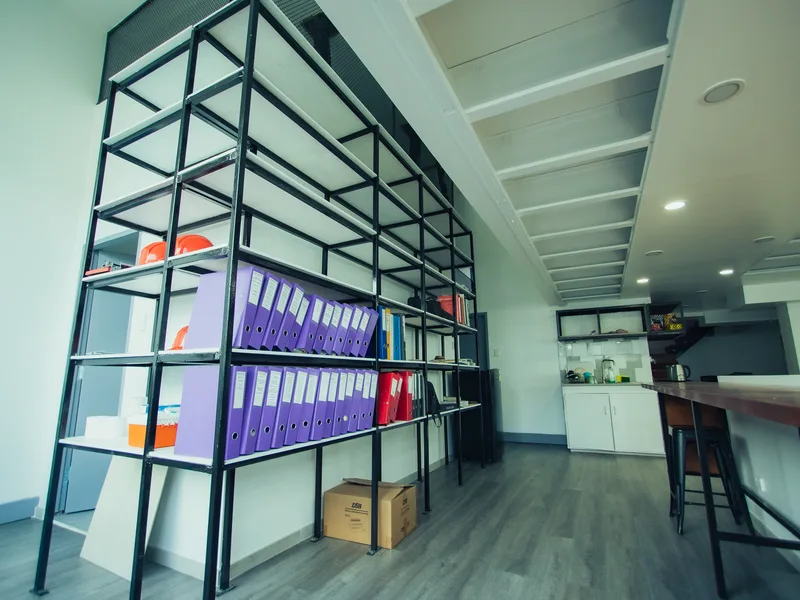
Dry store shelving
Dry store shelving needs good airflow to prevent humidity pooling and mould growth, both of which draw insects looking for damp refuges and food.
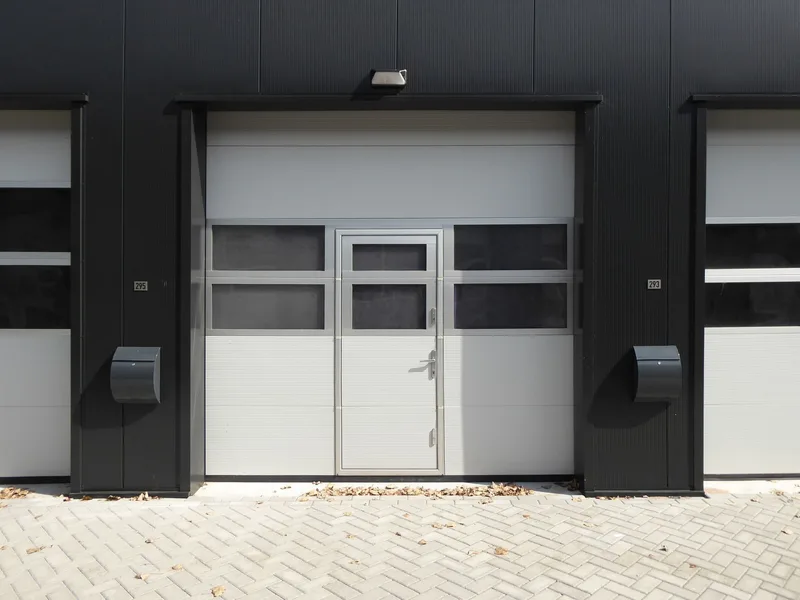
The back service door
The back door faces salt laden humid air, and gaps around the frame are entry points for mosquitoes and sand flies blowing in from the irrigated gardens.
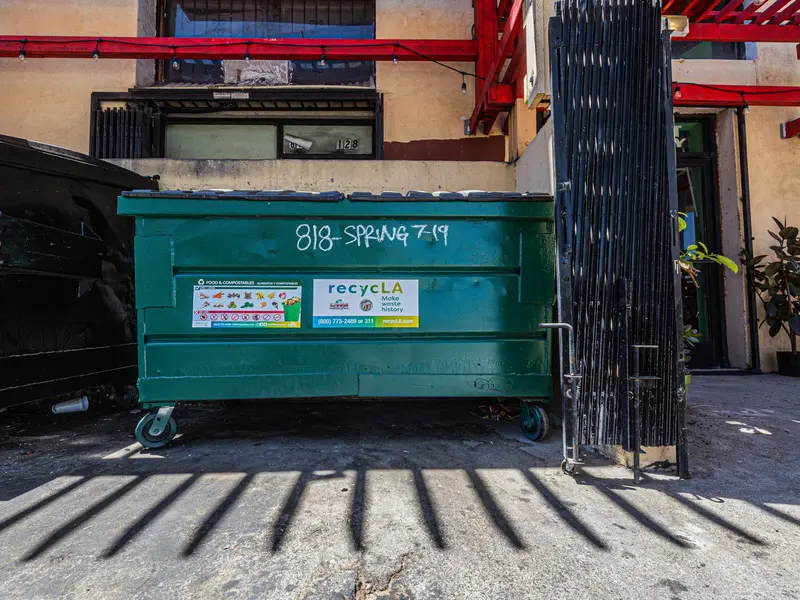
The bin area
Bin areas pooled with water from humidity and cleaning become insect collection points if not dried and emptied regularly, especially in the humid season.
How we work
-
1
Survey and site plan
We follow the food route from delivery to waste, establish which species are present and where the moisture is, and mark the station positions on a plan of the kitchen and the store.
-
2
Install numbered monitoring points
Sealed, numbered stations in fixed positions, read in the same order every visit so the file shows a trend rather than an impression.
-
3
Treatment outside service hours
Gel bait into joints and voids, foam into the gullies and the grease trap, and nothing applied to preparation surfaces, with equipment covered and surfaces wiped down before service resumes.
-
4
Scheduled visits and the site file
Every visit reads the stations and records what was found, the corrective action needed, who owns it and by when, and the file stays on site to be shown at an inspection.
What a restaurant programme includes
-

Opening survey and site plan
Species, entry points and moisture sources, with a plan showing where every station sits.
-

Sealed, numbered stations
Bait held inside closed stations in food areas, never open product near preparation or storage.
-

Gully and grease trap treatment
Foam that contacts the pipe wall where small flies breed, which is the step most contracts skip.
-

Targeted application after closing
Into joints, voids and the store perimeter, at a time with no exposed food and no team in the kitchen.
-

Reopening instructions for the team
What to cover before, what to wipe after, and what not to wash so the treatment is not undone.
-

A visit report and a running log
Every station read, corrective actions with an owner and a date, and a continuous file to show at an inspection.
What is different about Obhur Sub-Municipality
Obhur sub-municipality runs along Jeddah's northern shoreline from Al Shati up to Obhur Creek. It mixes large villas and gated compounds with busy commercial spines of restaurants, cafes, markets and hotels. Sea humidity is high for most of the year and salt laden breezes keep timber and render damp, while irrigated gardens and lawns surround the corniche and the villa plots. Standing irrigation water, dense planting and food waste from the hospitality strip suit cockroaches, mosquitoes and ants, and the chalets and rest houses scattered along the creek stand empty for long spells, which lets insects and rodents settle undisturbed.
Questions about this district
Will treatment harm the gardens and plant beds around my resort?
Products used on planted areas are formulated for irrigation zones and soil contact. We target entry points, gullies and the water system itself rather than spraying foliage, so the landscape stays healthy and the pest population stays down.
My chalet is closed for four months in summer. Do I need treatment before we open?
Yes. A pre-season treatment is essential. Months of closure in high humidity mean cockroaches and rodents have colonised walls and kitchens. Early treatment prevents an explosion once guests and food arrive.
Humidity spikes after rain and the spray seems less effective. Why is that?
High humidity carries the active ingredient away from target surfaces faster and dilutes contact. We shift to monitoring stations and traps during wet spells, which work better than sprays in damp conditions.
My restaurant is on the corniche. Does the mosquito problem come from the sea itself?
Mosquitoes breed in standing water on land, not salt water. Drainage problems, pooled irrigation water and damp soil around the property harbour far more than the shore does. Fixing drainage and clearing vegetation cuts numbers sharply.
Is the ant problem worse here than in other parts of Jeddah?
Yes. The combination of irrigation water and high humidity creates ideal conditions for ant colonies to expand and spread underground. Regular monitoring of the perimeter and the kitchen is essential to catch infestations early.
Can you treat the shoreline and the beach area where my cafe sits?
We focus on the property boundary, fences and elevated zones around the building. Sand, driftwood and actual shoreline are outside the scope of safe treatment protocols.
How much does restaurants and cafes in South Obhur cost?
It is set after the inspection, because the price follows the type of infestation, the size of the space, how far it has spread and the number of visits it needs. Send a photo and a description on WhatsApp and we will give you an estimate before we reach South Obhur.
Nearby districts we cover
Other services in South Obhur
Other services we provide to residents of South Obhur.
-
 Residential
Cockroach control
Residential
Cockroach control
-
 Residential
Bed bug control
Residential
Bed bug control
-
 Residential
Termite control
Residential
Termite control
-
 Residential
Rodents and mice
Residential
Rodents and mice
-
 Residential
Mosquito control
Residential
Mosquito control
-
 Residential
Fly control
Residential
Fly control
-
 Residential
Ant control
Residential
Ant control
-
 Residential
Gecko control
Residential
Gecko control
-
 Residential
Scorpion control
Residential
Scorpion control
-
 Residential
Snake control
Residential
Snake control
-
 Residential
Flea control
Residential
Flea control
-
 Residential
Bird and pigeon control
Residential
Bird and pigeon control
-
 Residential
Preventive treatment
Residential
Preventive treatment
-
 Residential
Disinfection
Residential
Disinfection
-
 Commercial
Annual contracts
Commercial
Annual contracts
-
 Commercial
Hotels and apartments
Commercial
Hotels and apartments
-
 Commercial
Warehouses and factories
Commercial
Warehouses and factories
-
 Commercial
Schools and nurseries
Commercial
Schools and nurseries
-
 Commercial
Retail and malls
Commercial
Retail and malls
-
 Commercial
Rest houses and farms
Commercial
Rest houses and farms
-
 Commercial
Fumigation
Commercial
Fumigation
-
 Water tanks
Water tank cleaning
Water tanks
Water tank cleaning
-
 Water tanks
Water tank sterilization
Water tanks
Water tank sterilization
-
 Water tanks
Water tank sealing
Water tanks
Water tank sealing
-
 Water tanks
Tank leak repair
Water tanks
Tank leak repair
Need restaurants and cafes in South Obhur? Tell us what you saw and we will tell you what it needs
We reach South Obhur at a time we agree, and you get the full cost before we start.