

Warehouses and factories in South Obhur Jeddah
South Obhur stretches along Obhur Creek with villas, chalets and rest houses for resorts, and storage for seasonal goods. Sea humidity stays high all year and salt wind keeps timber and walls perpetually damp. Chalets stand empty for months and become ideal shelter for insects and rodents. We focus on scheduled reading and inspection before each season opens.
-
Targeted, not broadcast
Product goes into cracks and runways, never sprayed across open surfaces.
-
Told before we start
What we will use, where it goes, and what to cover or move before we arrive.
-
A follow-up visit
We return after the first treatment, because what survives it does not show on the day.
-
Homes and businesses
Apartments and villas, and kitchens and stores that need a record of each visit.
Why they keep coming back in South Obhur
Chalets along Obhur Creek stay closed for long periods after summer, and rodents and cockroaches colonise them easily if they are not inspected and cleaned before reopening. The method is set out in full on our Warehouses and factories service.
High sea humidity and constant wood dampness
Obhur Creek keeps the air salty and damp for most of the year, and timber in chalets and villas absorbs moisture and never fully dries. Cockroaches, ants and mosquitoes thrive in damp and breed fast, so we focus on reducing moisture and use traps that resist salt and wet conditions.
Seasonal chalets closed for months without ventilation
Chalets and rest houses close after summer for weeks or months without air movement or inspection. The dark, closed, damp environment is ideal for insects and rats, and they enter easily through soil under the foundations or through gaps around pipes.
Irrigated lawns and standing water around villas
Irrigated gardens and green areas around villas draw mosquitoes and ants constantly. Food waste from barbecues and events sits in gardens and attracts insects toward the chalet; standing water in neglected pool drains and pipes spawns mosquito generations.
Landmarks of South Obhur
We reach chalets and villas in South Obhur via South Obhur Corniche and Madinah Road, and we coordinate with owners to plan inspections around the seasonal opening and closing cycles.
- Obhur Creek
- South Obhur Corniche
- King Abdulaziz Road
- Madinah Road
- Hibat Al Rahman Mosque
What the first walk through the building reads
South Obhur Corniche and the irrigated gardens around the villas hold standing water and dense planting; chalets close for months at a time and become safe refuges where pests settle without disturbance.

The shutter line
Chalet doors open onto open gardens, and wind and air currents carry insects in; ventilation openings are large and do not exclude mosquitoes and flies from entering.
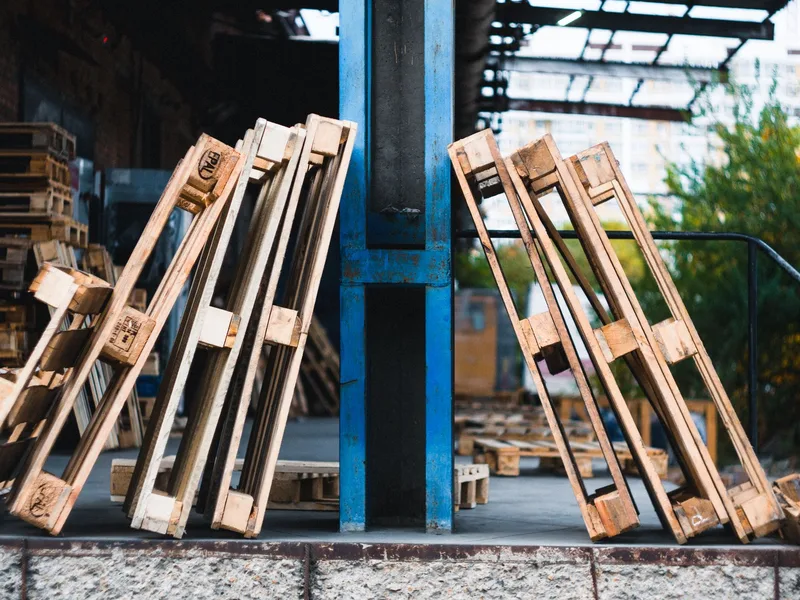
What comes in on the pallet
Furnishings and goods are brought in when the season opens and some may already carry pests; if they arrive into damp conditions pests will multiply very rapidly.
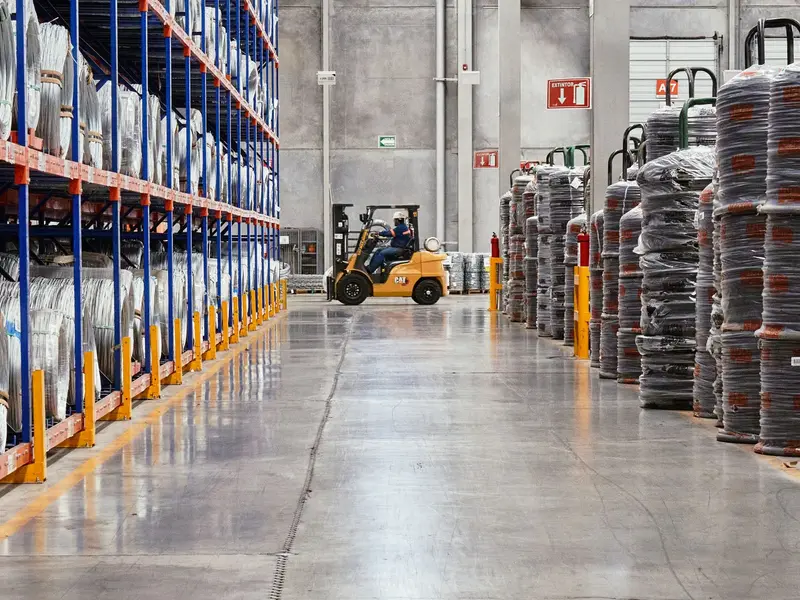
The strip along the wall
Shelves and cupboards sit close to damp walls, and traps are placed there and around pipes and voids; we clean moisture from every corner and ensure air circulation inside storage spaces.
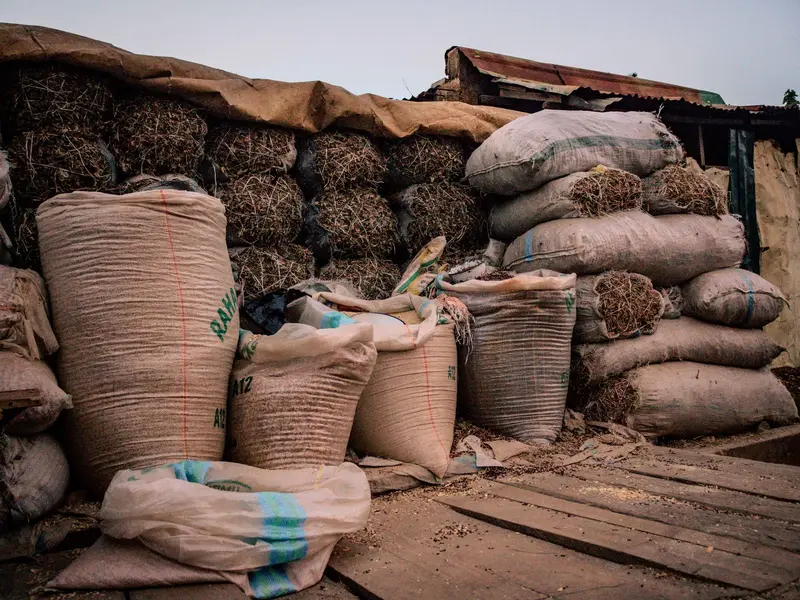
Spillage under the racking
Wooden floors absorb moisture and salt water, and spillage under furniture attracts insects, so we clean those areas thoroughly and dry them to stop mould and the odours that draw pests in.
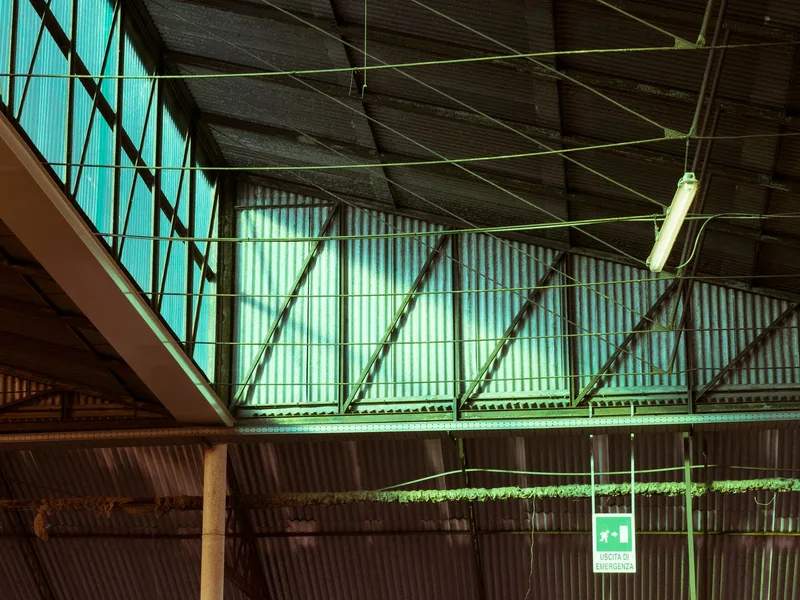
The roof and the openings above
Ceilings and upper openings show cracks from salt air exposure and seasonal movement; rats may nest in them, so we inspect every roof vent and gap with care throughout the season.
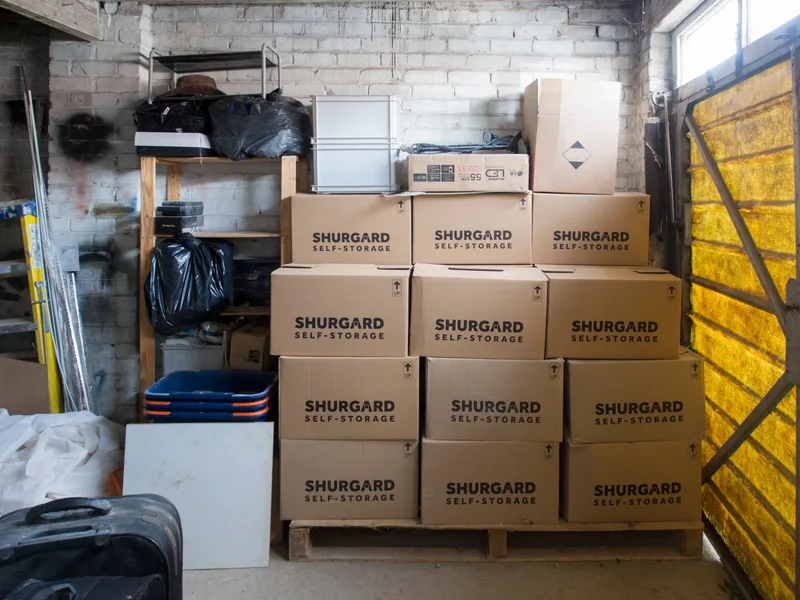
Stock that does not move
Furnishings and seasonal stock are stored when the season ends; if left in damp chalets they become pest shelter, so we advise storing them in dry facilities or treating them before storage.
How we work
-
1
Survey the building and locate the source
We walk from the goods-in door through the racking, the production areas and the outside wall line, and establish whether the pressure is stored product pests inside the goods, rodents from the perimeter or flying insects from waste and doorways, because each of those is a different programme.
-
2
Pheromone traps and numbered points
Species-specific pheromone traps through the storage areas, and monitoring points on the external ring and along the internal walls, numbered on the racking plan. A trap treats nothing, it tells us which aisle the numbers are climbing in.
-
3
Targeted treatment and isolating the consignment
Spillage is lifted first, then empty racking, wall and floor junctions and voids are treated, and nothing is placed over open stock or a running line. A consignment showing activity is isolated where it stands rather than carried through the building.
-
4
Sealing, then the scheduled visits
We close door gaps, openings and pipe entries, then come back on an agreed schedule: the same traps and points are read each time, and a report goes over what was found, what was treated and what the building still needs closed.
What warehouse pest control includes
-

Site survey and racking plan
A walk from the goods-in door to the last aisle, and a plan with every monitoring position numbered before anything is installed.
-

Pheromone traps and numbered points
Species-specific traps through the storage areas and points along the perimeter line, read and logged on every visit.
-

Targeted treatment of racking and junctions
On empty racking, wall and floor junctions and voids, never over open stock or a running line.
-

Drains, waste and the perimeter
Floor gullies, the container area and the outside wall line, because that is the source which renews itself.
-

Proofing and building findings
Shutter gaps, brush seals and mesh over openings, with a list of what the site needs to repair.
-

Scheduled visits and a report each time
Agreed dates set by the pressure on the site, the same traps read again, and a report that records every visit.
What is different about Obhur Sub-Municipality
Obhur sub-municipality runs along Jeddah's northern shoreline from Al Shati up to Obhur Creek. It mixes large villas and gated compounds with busy commercial spines of restaurants, cafes, markets and hotels. Sea humidity is high for most of the year and salt laden breezes keep timber and render damp, while irrigated gardens and lawns surround the corniche and the villa plots. Standing irrigation water, dense planting and food waste from the hospitality strip suit cockroaches, mosquitoes and ants, and the chalets and rest houses scattered along the creek stand empty for long spells, which lets insects and rodents settle undisturbed.
Questions about this district
A chalet closes for three months. How do we inspect it when it opens?
We inspect the entire chalet a week before the season opens, focusing on corners, cupboards and dark areas. We place traps just before opening and read them after the first week of occupation.
Mosquitoes are heavy around the chalet in summer. Where do they breed?
Irrigated gardens, pools and drainage sumps around villas are perfect mosquito nurseries. We focus on eliminating standing water, checking pool filters, and ensuring drainage sumps are covered or treated.
Exterior walls are damp and the paint flakes. Do cracks let insects in?
Yes. Damp and peeling paint create cracks where insects and rodents enter. We advise repainting and sealing, and we coordinate treatment of the building perimeter.
Does salt air reduce the effectiveness of traps and sprays?
Yes. Salt corrodes some trap designs and weakens adhesives. We choose traps rated for salt and humidity in coastal zones, and we service them more often.
A basement store under the chalet is damp and cold. How do we treat it?
Basements under chalets may let rodents in from the surrounding soil through foundation gaps. We focus on careful inspection, traps and ventilation, and we advise sealing cracks in the concrete.
A chalet sits right on South Obhur Corniche. Is it harder to protect?
Yes. Chalets on the corniche face higher humidity and more salt. We increase inspection frequency and focus on ventilation and sealing of gaps to reduce moisture ingress.
How much does warehouses and factories in South Obhur cost?
It is set after the inspection, because the price follows the type of infestation, the size of the space, how far it has spread and the number of visits it needs. Send a photo and a description on WhatsApp and we will give you an estimate before we reach South Obhur.
Nearby districts we cover
Other services in South Obhur
Other services we provide to residents of South Obhur.
-
 Residential
Cockroach control
Residential
Cockroach control
-
 Residential
Bed bug control
Residential
Bed bug control
-
 Residential
Termite control
Residential
Termite control
-
 Residential
Rodents and mice
Residential
Rodents and mice
-
 Residential
Mosquito control
Residential
Mosquito control
-
 Residential
Fly control
Residential
Fly control
-
 Residential
Ant control
Residential
Ant control
-
 Residential
Gecko control
Residential
Gecko control
-
 Residential
Scorpion control
Residential
Scorpion control
-
 Residential
Snake control
Residential
Snake control
-
 Residential
Flea control
Residential
Flea control
-
 Residential
Bird and pigeon control
Residential
Bird and pigeon control
-
 Residential
Preventive treatment
Residential
Preventive treatment
-
 Residential
Disinfection
Residential
Disinfection
-
 Commercial
Annual contracts
Commercial
Annual contracts
-
 Commercial
Restaurants and cafes
Commercial
Restaurants and cafes
-
 Commercial
Hotels and apartments
Commercial
Hotels and apartments
-
 Commercial
Schools and nurseries
Commercial
Schools and nurseries
-
 Commercial
Retail and malls
Commercial
Retail and malls
-
 Commercial
Rest houses and farms
Commercial
Rest houses and farms
-
 Commercial
Fumigation
Commercial
Fumigation
-
 Water tanks
Water tank cleaning
Water tanks
Water tank cleaning
-
 Water tanks
Water tank sterilization
Water tanks
Water tank sterilization
-
 Water tanks
Water tank sealing
Water tanks
Water tank sealing
-
 Water tanks
Tank leak repair
Water tanks
Tank leak repair
Need warehouses and factories in South Obhur? Tell us what you saw and we will tell you what it needs
We reach South Obhur at a time we agree, and you get the full cost before we start.