

Retail and malls in Al Naseem Jeddah
Al Naseem is a dense central mixed district stretching between King Abdullah Road and Prince Majid Road, where apartment blocks sit directly over commercial shops on busy commercial streets. Proximity to King Abdulaziz University increases foot traffic, and shops face pressure from residential flats above, adjoining restaurants and medical complexes nearby. The crowded streets and constant deliveries mean the door is perpetually open to insects.
-
Targeted, not broadcast
Product goes into cracks and runways, never sprayed across open surfaces.
-
Told before we start
What we will use, where it goes, and what to cover or move before we arrive.
-
A follow-up visit
We return after the first treatment, because what survives it does not show on the day.
-
Homes and businesses
Apartments and villas, and kitchens and stores that need a record of each visit.
Why they keep coming back in Al Naseem
Shops here face sustained high insect pressure due to population density, residential flats stacked directly overhead, and restaurants operating alongside medical facilities. The method is set out in full on the full Retail and malls page.
Dense apartment blocks deliver insects from flats directly above
Tightly packed flats above the shop mean crumbs and water fall daily between wires and pipes. Cockroaches and ants inhabit shared voids in ceilings and walls. Treating the shop alone does not work because the source is overhead.
Medical complexes and adjacent restaurants transmit insects
A health centre, medical complexes with small restaurants inside mean moisture, food and daily deliveries. These units control their own pests, but waste and humidity migrate into adjoining shops through shared corridors.
Crowded streets and constant deliveries mean open doors
King Abdullah Road and surrounding streets choke with cars, motorcycles and delivery traffic. Doors open constantly and insects enter with every shipment and customer. The shop needs robust boundary defence.
The character of Al Naseem
Mixed district: shops at street level with homes above them
A dense mixed district means insects arrive from multiple sources: residential flats above the shop, restaurants and medical units alongside. We treat shared boundaries with the same care as the interior, and focus on shared corridors and voids during every visit.
What decides the treatment in a shop
The district extends between King Abdullah Road to the south and Bani Malik Street to the north, with dense residential blocks standing over retail units and streets busy with commercial and foot traffic.
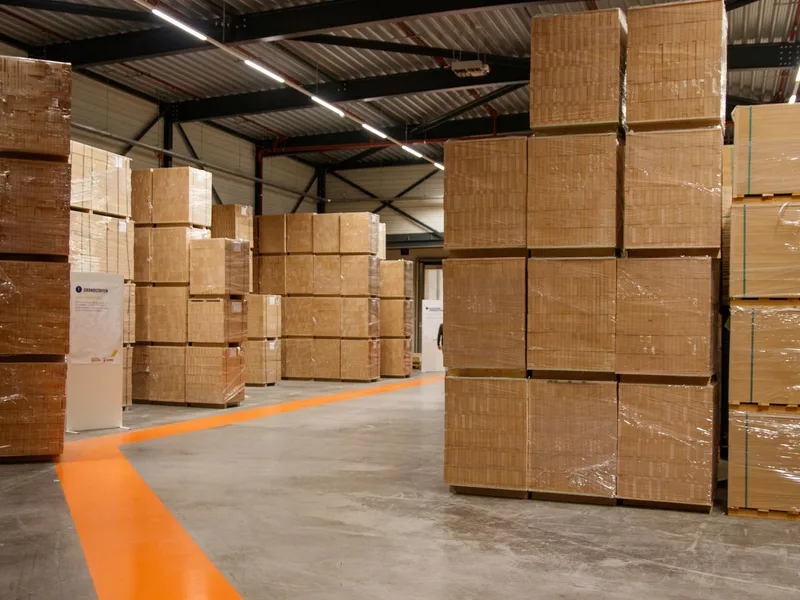
Cardboard in the stockroom
Cardboard in the stockroom dampens from water seeping from residential flats above and the medical complex, mould grows and insects find ideal habitat within it.
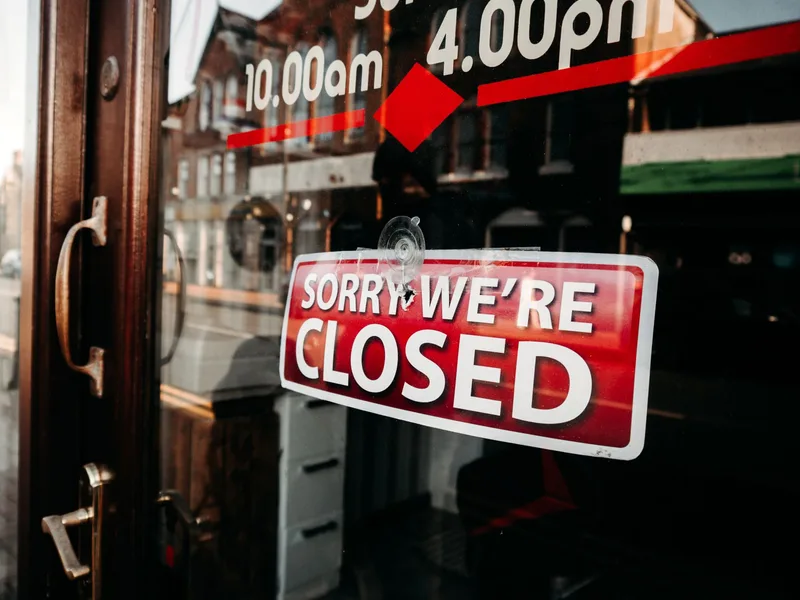
The frontage and the sliding door
The street frontage and sliding door on a congested street open constantly, and gaps admit insects with customers and the uninterrupted stream of deliveries.
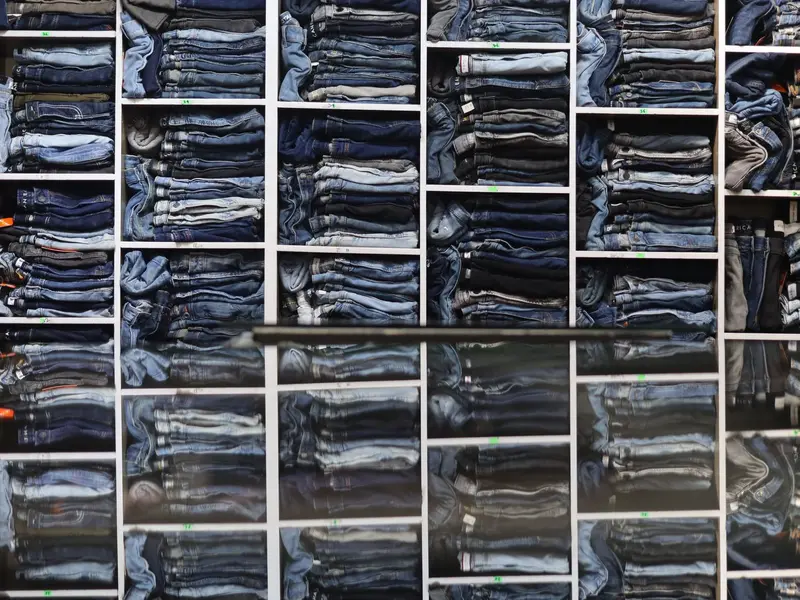
What the shop sells
Retail units here sell everything from groceries to services; shipments come from many warehouses and storage space is limited.
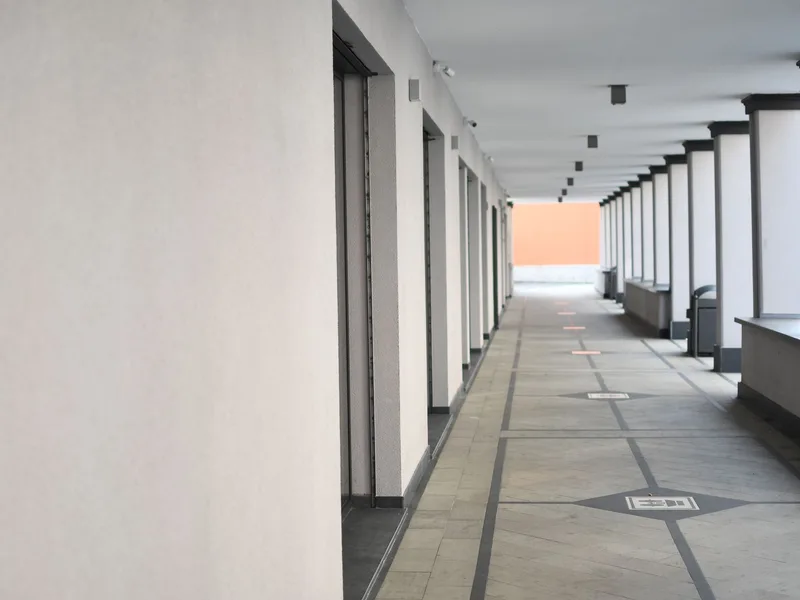
The shared back corridor
The shared rear corridor is used by restaurants, medical units and residential entries, waste from every type accumulates, and moisture from each unit seeps in.
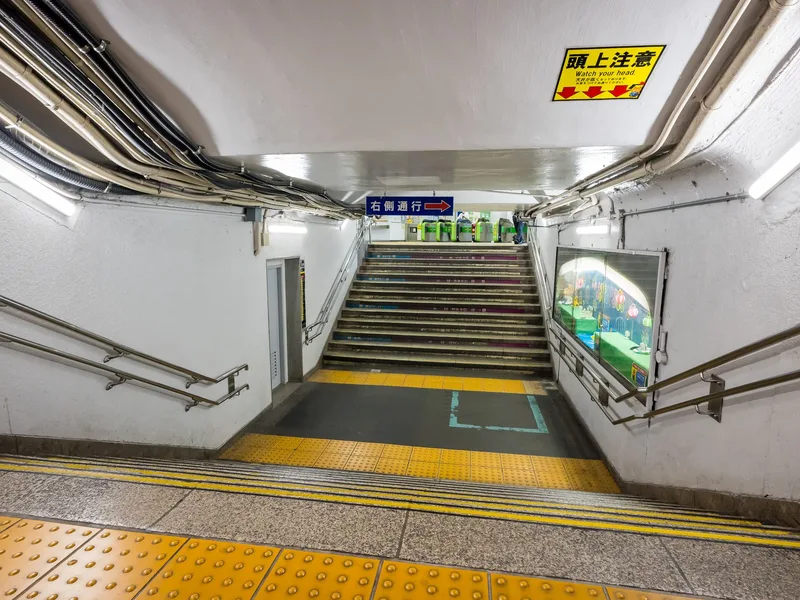
The ceiling void and the services
False ceilings, pipes and wires provide routes for insects descending from flats above and migrating from the medical complex, and ventilation may be inadequate.
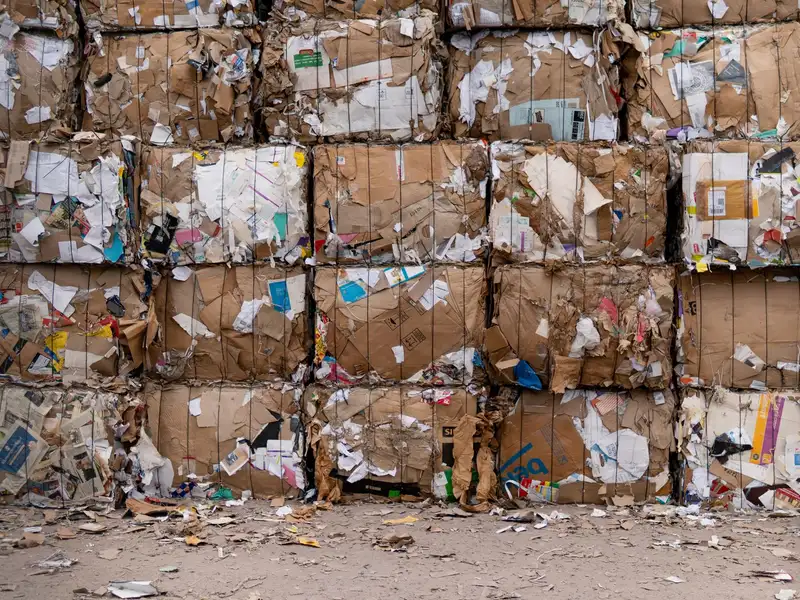
Waste and board behind the shop
Waste and cardboard behind the shop mix with restaurant and medical waste, and sustained moisture makes it ideal habitat for insects.
How we work
-
1
An out-of-hours walk
We walk the floor, the stockroom, the fitting area, the back corridor and the waste route, and record what the shop sells, the delivery cycle and the boundary points with the neighbouring units before anything is applied.
-
2
Treat the stockroom and the goods route
Placed bait into racking uprights, junctions and cracks, dust into the dry voids, and nothing on merchandise or display faces.
-
3
Close the boundary of the unit
A sweep under the stockroom door, mesh on the vents and sealing at the service penetrations on the party wall, because exclusion does more to stop a return than repeating the spray.
-
4
Numbered points and a report each visit
Fixed positions on one route, read every visit and logged even when the reading is nil, with a report of what was found, what was treated and what the building needs closed, plus a copy for centre management when they ask for it.
What retail pest control includes
-

An out-of-hours inspection
A walk covering the floor, the stockroom, the back corridor and the delivery route, ending with the pest list this particular shop actually carries.
-

Bait and points on the goods route
In the stockroom, behind racking and along the goods-in route, out of any customer's reach and away from anything on sale.
-

Targeted crack and crevice work
On junctions, racking feet and the unit perimeter, never on stock, display surfaces or the open sales floor.
-

Drains and the waste area
The floor gullies in the back corridor, the ground around the containers and where the board is collected, because that is the source that renews daily.
-

Getting the shop back to trading
What gets covered before we start, what is wiped afterwards, and the ventilation time we set with you on the call, because it changes with the product and the space.
-

A follow-up visit and a written record
A set date after the first treatment, and a record carrying the date of each visit, the readings, and what was applied and where.
What is different about Al Sharafiyah Sub-Municipality
The Al Sharafiyah sub municipality runs across central Jeddah from Al Ruwais near the Corniche eastwards through Al Sharafiyah, Al Wurud and Bani Malik to Al Naseem at the Haramain Road. It was among the first areas to grow beyond the old wall, and it is dominated by dense apartment blocks over shops along King Fahd Road and Palestine Street, with old popular quarters, the Bani Malik market, car workshops and storerooms. Ageing buildings, worn drainage and the refuse of restaurants and markets make cockroaches and rodents the most persistent pests, and humidity rises towards the sea.
Questions about this district
A medical complex adjoins my shop with a small restaurant inside creating dampness. Does this change treatment?
Yes, the moisture from the restaurant and medical waste create a different environment. We treat the boundaries between your unit and the complex first, then monitor shared routes during every visit.
The flat above is residential and a restaurant is next door. Which neighbours are responsible for insects crossing between us?
Each unit is responsible for its own treatment, but shared boundaries, corridors and voids are shared responsibility. We advise coordinating with the flat above and the restaurant to improve results for everyone.
Deliveries arrive every hour. Do we need stronger treatment because the door is constantly open?
Not necessarily stronger, but more frequent. An open door means strong boundary barriers and monitoring at specific points. We leave numbered monitoring stations in receiving areas.
The district is close to King Abdulaziz University. Do students and staff increase the insect problem?
High foot traffic means doors opening without pause and rubbish bins overflowing. Waste outside the shop attracts insects. A shop near campus needs robust perimeter protection.
The rear corridor is shared with a restaurant and a medical unit. How do we handle the waste from each?
The shared corridor needs coordinated treatment with centre management. Medical waste may differ from food waste; we advise separate waste storage areas.
Does a dense district require more frequent treatment visits than a less densely built neighbourhood?
Usually yes. Density means multiple sources and sustained pressure. Treatment visit intervals are typically longer in dense districts like this one.
How much does retail and malls in Al Naseem cost?
It is set after the inspection, because the price follows the type of infestation, the size of the space, how far it has spread and the number of visits it needs. Send a photo and a description on WhatsApp and we will give you an estimate before we reach Al Naseem.
Nearby districts we cover
Other services in Al Naseem
Other services we provide to residents of Al Naseem.
-
 Residential
Cockroach control
Residential
Cockroach control
-
 Residential
Bed bug control
Residential
Bed bug control
-
 Residential
Termite control
Residential
Termite control
-
 Residential
Rodents and mice
Residential
Rodents and mice
-
 Residential
Mosquito control
Residential
Mosquito control
-
 Residential
Fly control
Residential
Fly control
-
 Residential
Ant control
Residential
Ant control
-
 Residential
Gecko control
Residential
Gecko control
-
 Residential
Scorpion control
Residential
Scorpion control
-
 Residential
Snake control
Residential
Snake control
-
 Residential
Flea control
Residential
Flea control
-
 Residential
Bird and pigeon control
Residential
Bird and pigeon control
-
 Residential
Preventive treatment
Residential
Preventive treatment
-
 Residential
Disinfection
Residential
Disinfection
-
 Commercial
Annual contracts
Commercial
Annual contracts
-
 Commercial
Restaurants and cafes
Commercial
Restaurants and cafes
-
 Commercial
Hotels and apartments
Commercial
Hotels and apartments
-
 Commercial
Warehouses and factories
Commercial
Warehouses and factories
-
 Commercial
Schools and nurseries
Commercial
Schools and nurseries
-
 Commercial
Rest houses and farms
Commercial
Rest houses and farms
-
 Commercial
Fumigation
Commercial
Fumigation
-
 Water tanks
Water tank cleaning
Water tanks
Water tank cleaning
-
 Water tanks
Water tank sterilization
Water tanks
Water tank sterilization
-
 Water tanks
Water tank sealing
Water tanks
Water tank sealing
-
 Water tanks
Tank leak repair
Water tanks
Tank leak repair
Need retail and malls in Al Naseem? Tell us what you saw and we will tell you what it needs
We reach Al Naseem at a time we agree, and you get the full cost before we start.