

Retail pest control for shops and shopping centres
We start with an out-of-hours walk that reads the stockroom, the delivery route and the back corridor before the sales floor, treat the source, close the boundary of the unit, and leave numbered points that are read every visit alongside a report of what was found and what was treated.
-
Targeted, not broadcast
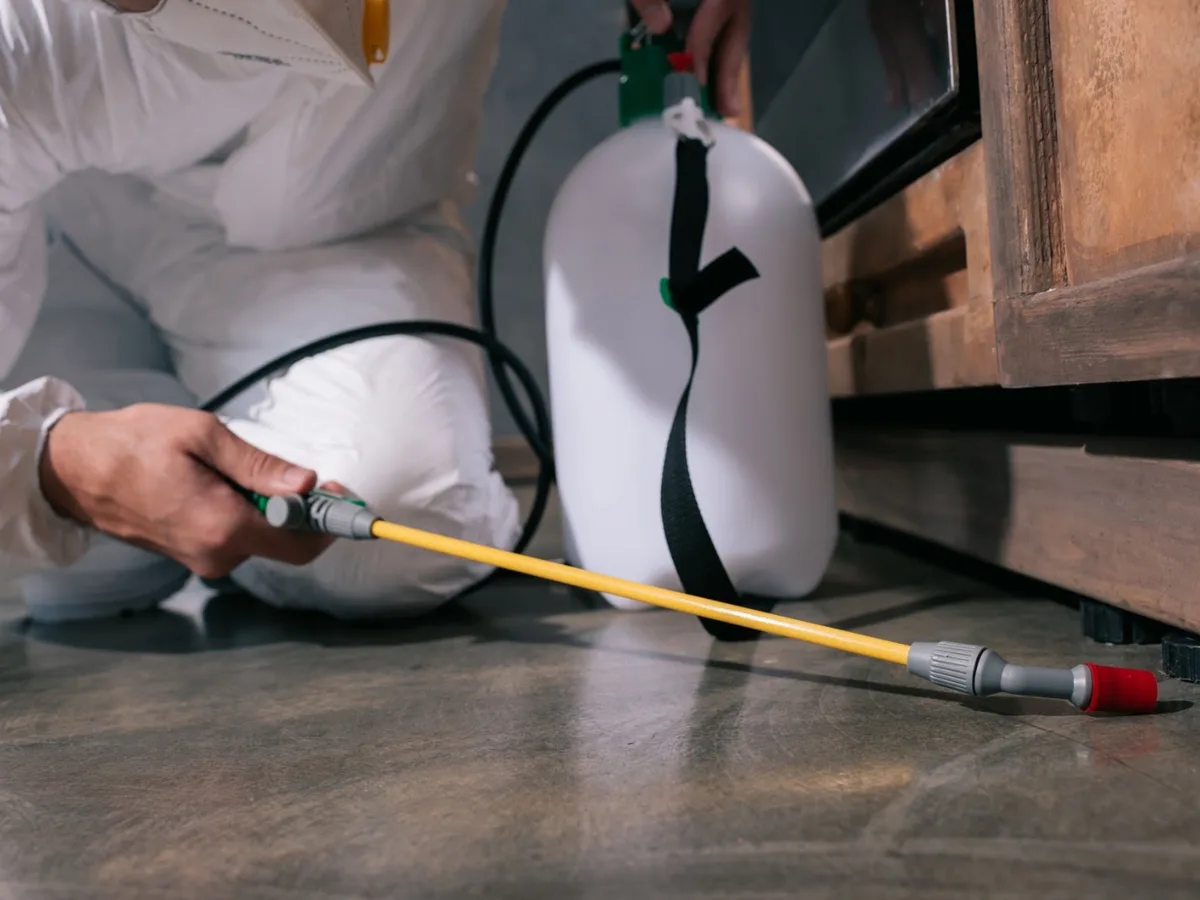
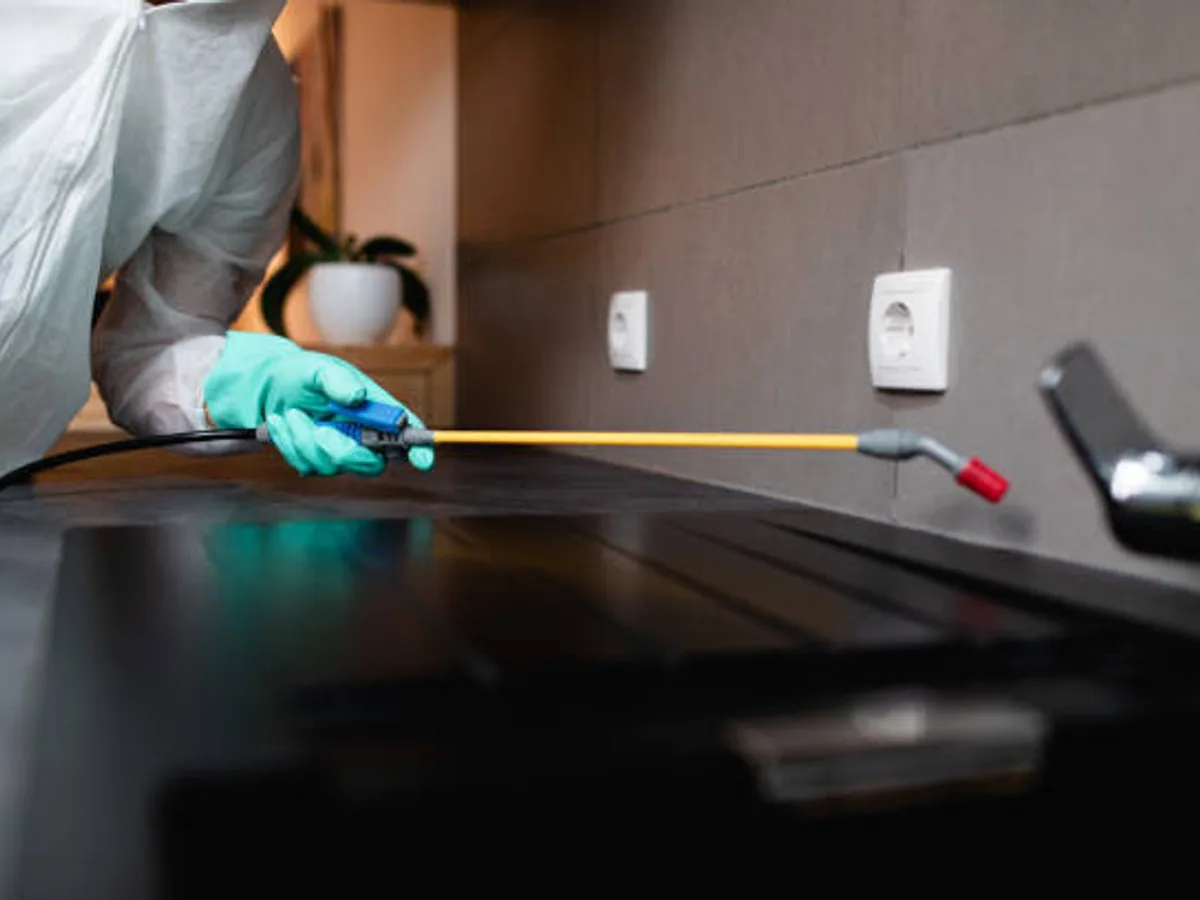
Product goes into cracks and runways, never sprayed across open surfaces.
-
Told before we start
What we will use, where it goes, and what to cover or move before we arrive.
-
A follow-up visit
We return after the first treatment, because what survives it does not show on the day.
-
Homes and businesses
Apartments and villas, and kitchens and stores that need a record of each visit.
Why treating the sales floor is not enough
Three reasons, and all three sit behind the stockroom door rather than in front of it.
What a shopper sees is the last stage
By the time something walks onto the sales floor it has been established in the stockroom or the back corridor. That is why we read behind the door first: the evidence there comes weeks before the sighting in front of a shelf.
It arrives with the stock, not through the walls
Corrugated cartons and wooden pallets carry eggs and live insects from a distribution store straight onto the shelf. Treat the floor without reading the goods-in route and the next delivery starts it over.
The unit is not sealed from its neighbours
In most centres the ceiling void, the service penetrations and the waste route are shared between units. A unit treated on its own is re-entered across the party wall within weeks.
What decides the treatment in a shop
What we walk in the first out-of-hours visit, and why each one changes where the treatment goes and how often we come.
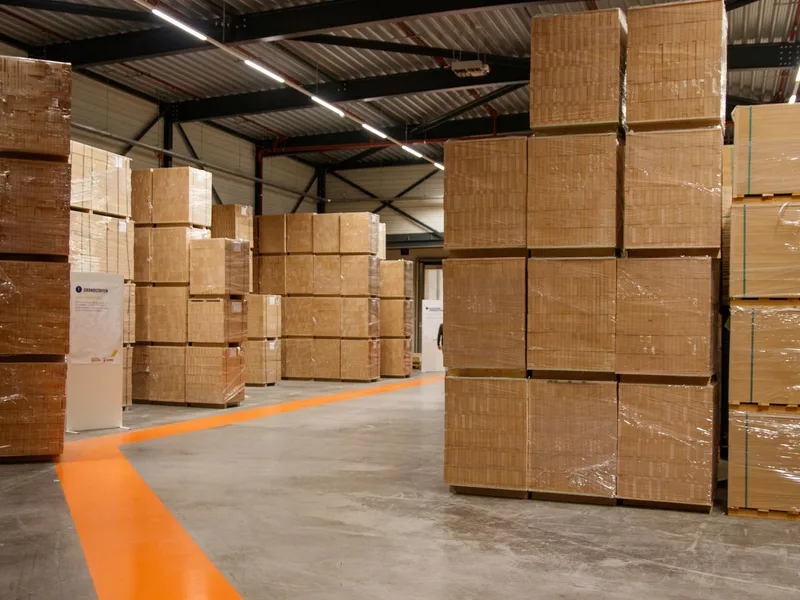
Cardboard in the stockroom
The flute inside corrugated board is warm, closed and a usable egg site, so we read the stacking layers and how fast board leaves the room before we look at the floor.
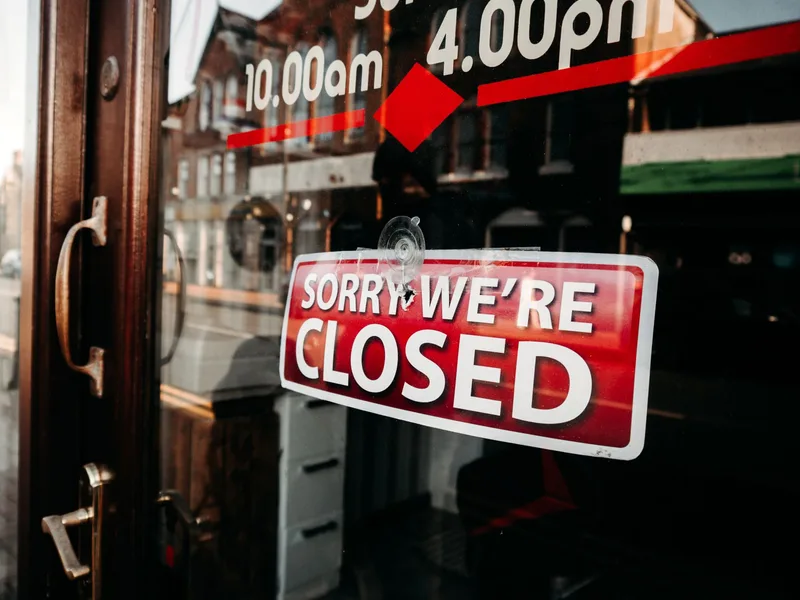
The frontage and the sliding door
A door standing open through the trading day makes the frontage a permanent entry point, which moves the work to the perimeter and the thresholds rather than more spray inside.

What the shop sells
Textiles and wool draw a different list from packaged dry goods or paper, so the pests we expect are read off the shelves themselves.
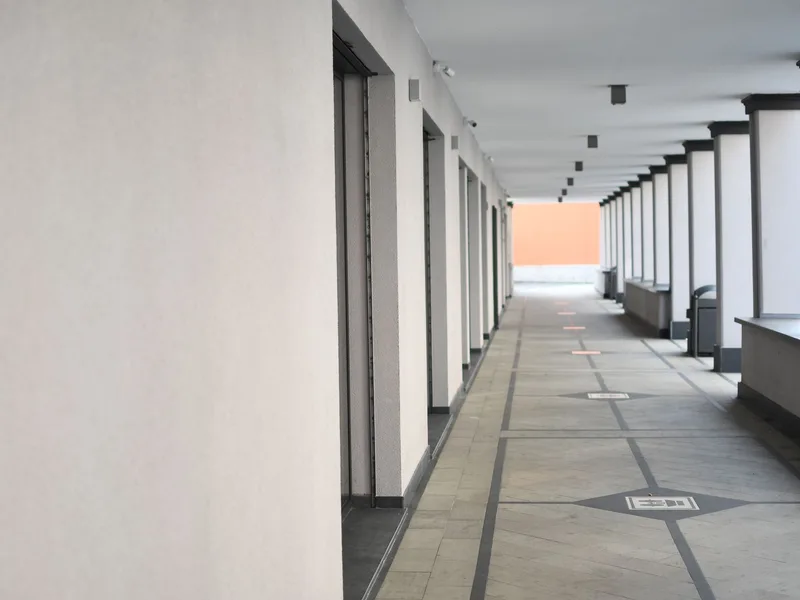
The shared back corridor
The corridor the units share is the road an infestation travels between shops, which is why treatment starts at the boundary of the unit rather than in the middle of it.
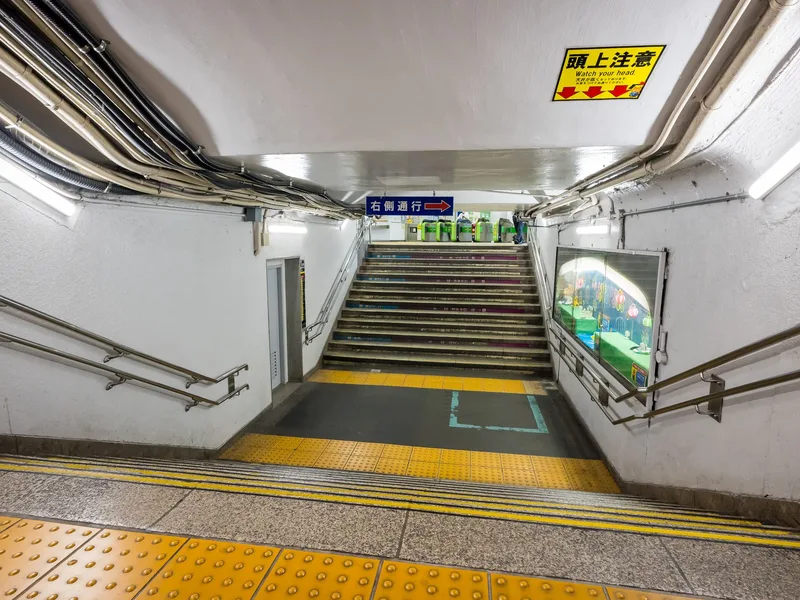
The ceiling void and the services
Rodents run above the tiles along the cable trays and drop in at a service penetration, and sealing the penetration itself does what no bait on the floor can.

Waste and board behind the shop
Board waiting for the baler and waste from neighbouring food units make a source that renews daily, and that sets where the external ring sits and how often it is read.
How the visit runs
Four steps. It starts with a walk outside trading hours and does not end at the first treatment.
-
1
An out-of-hours walk
We walk the floor, the stockroom, the fitting area, the back corridor and the waste route, and record what the shop sells, the delivery cycle and the boundary points with the neighbouring units before anything is applied.
-
2
Treat the stockroom and the goods route
Placed bait into racking uprights, junctions and cracks, dust into the dry voids, and nothing on merchandise or display faces.
-
3
Close the boundary of the unit
A sweep under the stockroom door, mesh on the vents and sealing at the service penetrations on the party wall, because exclusion does more to stop a return than repeating the spray.
-
4
Numbered points and a report each visit
Fixed positions on one route, read every visit and logged even when the reading is nil, with a report of what was found, what was treated and what the building needs closed, plus a copy for centre management when they ask for it.
What retail pest control includes
-

An out-of-hours inspection
A walk covering the floor, the stockroom, the back corridor and the delivery route, ending with the pest list this particular shop actually carries.
-

Bait and points on the goods route
In the stockroom, behind racking and along the goods-in route, out of any customer's reach and away from anything on sale.
-

Targeted crack and crevice work
On junctions, racking feet and the unit perimeter, never on stock, display surfaces or the open sales floor.
-

Drains and the waste area
The floor gullies in the back corridor, the ground around the containers and where the board is collected, because that is the source that renews daily.
-

Getting the shop back to trading
What gets covered before we start, what is wiped afterwards, and the ventilation time we set with you on the call, because it changes with the product and the space.
-

A follow-up visit and a written record
A set date after the first treatment, and a record carrying the date of each visit, the readings, and what was applied and where.

Exactly where the product goes
-
1
Inside joints, not on surfaces
Bait goes into a cabinet joint or a gap behind an appliance, in dots the size of a match head, in places no hand reaches and nothing touches in ordinary use.
-
2
Away from where food is
Nothing is sprayed on preparation surfaces, inside food cupboards, or across open floor in living rooms and bedrooms.
-
3
A little preparation first
Cover dishes, move water bowls. We give you the ventilation time for your treatment on the call, rather than a general number printed on a page.
-
4
Tell us the exceptions
Asthma, an allergy or a pregnancy in the home changes the product choice and the order of the visit. It is a change we make often and it does not delay the appointment.
Our work
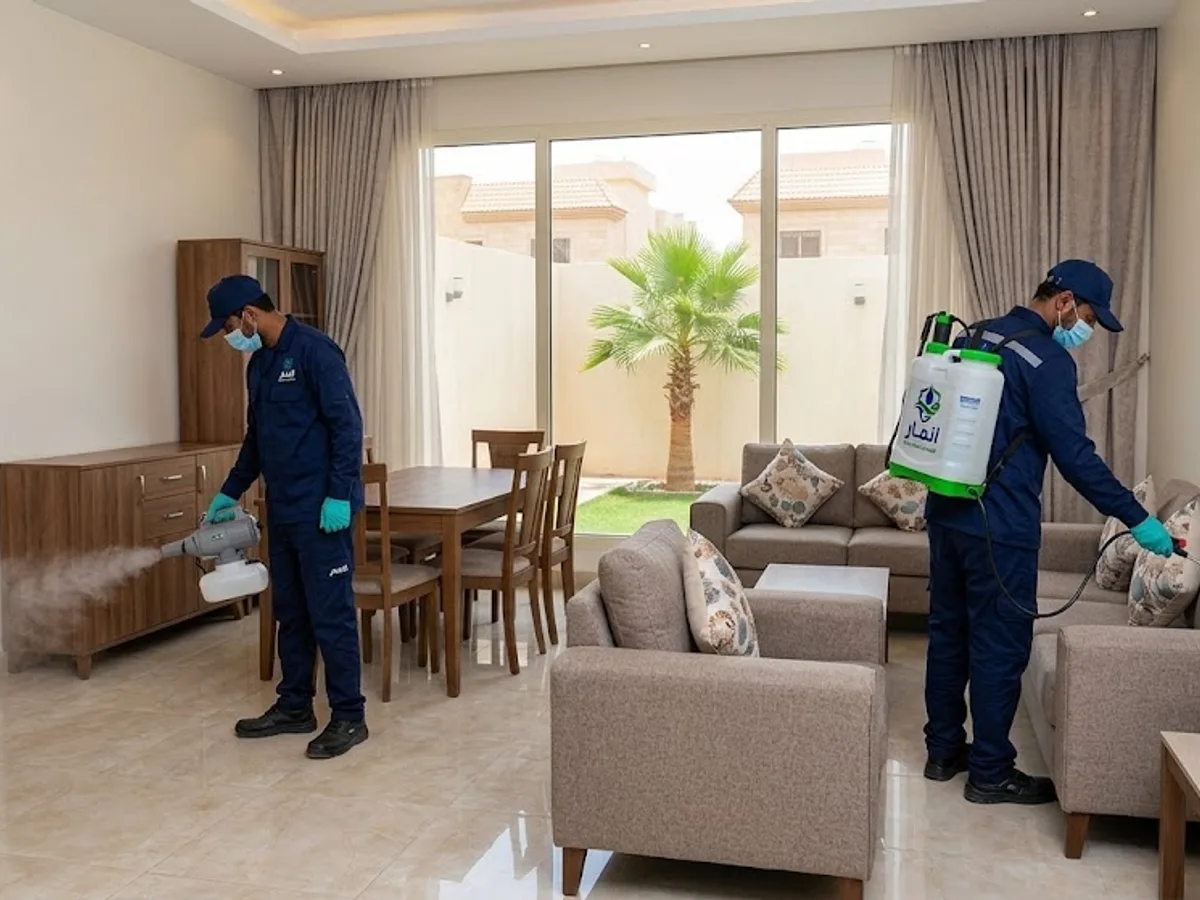
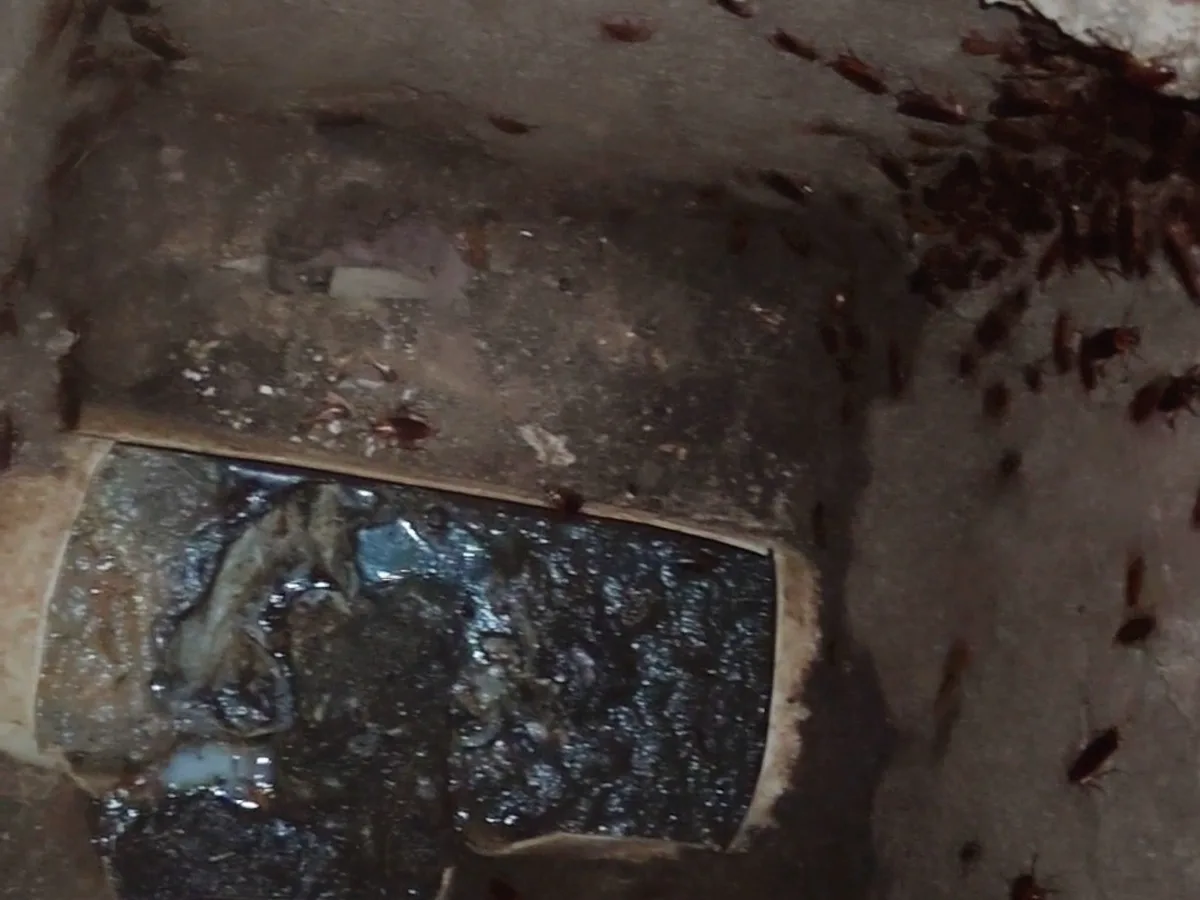
What customers say on Google
Excellent and courteous service, and the bed bugs were cleared from the house completely. I recommend them, God willing.
Translated from the Arabic original.
Excellent to deal with, very good service, and they explain. The staff explain how each product is used, completely honestly.
Translated from the Arabic original.
The termite problem disappeared after the treatment. Thank you.
Translated from the Arabic original.
We cover Jeddah and Makkah
Every district has its own page for this service. Tap yours.
Common questions
Can you work before opening or after closing?
Yes, and in retail that is the normal arrangement. We agree the slot and who lets us in, and we start in the stockroom and the back corridor because most of the work belongs there anyway, so the floor is back to normal before the first customer. What we ask to be covered or moved is set out in pest control in restaurants.
Does anything go onto the merchandise?
No. Nothing is applied to stock, to display surfaces, or anywhere a customer reaches. The treatment goes into cracks, junctions and the voids behind and beneath racking, and bait is placed in closed positions. We ask for anything that meets skin or food to be covered or moved before we start, and we set the ventilation time on the call because it changes with the product and the space.
We treated the shop before and it came back. Why?
Usually one of two things, and neither is about how the shop is kept. Either the work stopped at the edge of the sales floor while the source sat in the stockroom or the shared corridor, so it came back from the side nothing reached. Or a delivery brought it back, because one carton or pallet carrying eggs is enough to restart an immaculate shop. That is why we read the goods-in route on every visit and work the unit from its boundary inwards. Movement above the ceiling tiles is a different job, in Rodents and mice.
The problem arrived inside a consignment. What now?
We separate the consignment from the rest of the stock first, then establish whether the pest is on the outside of the carton or inside the packaging, because that difference decides everything else. What sits on the surface is treated where it stands. What is living inside packaged dry goods becomes a stock decision rather than a spray. Sealed consignments and larger holdings run on their own route, in Fumigation.
Centre management wants a contractor record. What do we hand over?
A file carrying the scope, a plan with the monitoring positions numbered, the date and readings of every visit, what was applied and where, and the findings and corrective actions with the state of each, such as a gap under a door or a missing drain cover. It is a record of what was done and when, and we do not sign anything on anyone's behalf. Shops on a scheduled visit pattern usually sit inside Annual contracts.
We sell food and sit beside restaurant units. Does that change things?
Yes, both in what is used and in how often we come. Areas that meet food lean on placed bait and exclusion rather than spray, and they are visited more closely, because the pressure arrives from next door rather than from you: grease traps and a waste route shared with food units. The other side of that wall has its own page, Restaurants and cafes.
What does pest control for a shop cost?
It is set after the walk, because the figure follows the size of the unit and its stockroom, what it sells, whether the back corridor and the waste area are shared with other units, how many monitoring points the layout demands, how often we come, and whether the work happens inside or outside trading hours. We walk the shop first, then send a written proposal with the scope and the schedule before anything is committed.
Other services
Scroll to see the rest of what we do.
-
 Residential
Cockroach control
Residential
Cockroach control
-
 Residential
Bed bug control
Residential
Bed bug control
-
 Residential
Termite control
Residential
Termite control
-
 Residential
Rodents and mice
Residential
Rodents and mice
-
 Residential
Mosquito control
Residential
Mosquito control
-
 Residential
Fly control
Residential
Fly control
-
 Residential
Ant control
Residential
Ant control
-
 Residential
Gecko control
Residential
Gecko control
-
 Residential
Scorpion control
Residential
Scorpion control
-
 Residential
Snake control
Residential
Snake control
-
 Residential
Flea control
Residential
Flea control
-
 Residential
Bird and pigeon control
Residential
Bird and pigeon control
-
 Residential
Preventive treatment
Residential
Preventive treatment
-
 Residential
Disinfection
Residential
Disinfection
-
 Commercial
Annual contracts
Commercial
Annual contracts
-
 Commercial
Restaurants and cafes
Commercial
Restaurants and cafes
-
 Commercial
Hotels and apartments
Commercial
Hotels and apartments
-
 Commercial
Warehouses and factories
Commercial
Warehouses and factories
-
 Commercial
Schools and nurseries
Commercial
Schools and nurseries
-
 Commercial
Rest houses and farms
Commercial
Rest houses and farms
-
 Commercial
Fumigation
Commercial
Fumigation
-
 Water tanks
Water tank cleaning
Water tanks
Water tank cleaning
-
 Water tanks
Water tank sterilization
Water tanks
Water tank sterilization
-
 Water tanks
Water tank sealing
Water tanks
Water tank sealing
-
 Water tanks
Tank leak repair
Water tanks
Tank leak repair
Need pest control for retail shops and malls? Describe what you saw and we will tell you what it needs
A short call is enough. We tell you what we can see and the full cost before we start, and you decide after that.