

Retail and malls in Al Sharafiyah Jeddah
Al Sharafiyah is a packed commercial district running along King Fahd Road, where apartment blocks sit directly above tightly packed shops, offices and car showrooms. A shop here does not end at its door: its walls, corridors and ducts are shared with its neighbours above and beside. Pest control starts in the basement stockroom and climbs through the back corridors before it reaches the sales floor, because insects move through what you cannot see.
-
Targeted, not broadcast
Product goes into cracks and runways, never sprayed across open surfaces.
-
Told before we start
What we will use, where it goes, and what to cover or move before we arrive.
-
A follow-up visit
We return after the first treatment, because what survives it does not show on the day.
-
Homes and businesses
Apartments and villas, and kitchens and stores that need a record of each visit.
Why they keep coming back in Al Sharafiyah
Stockrooms in Al Sharafiyah shops are typically cramped, stacked with cardboard boxes and metal shelving, with old goods left in corners and deep cracks between flooring and wall plaster. The method is set out in full on the full Retail and malls page.
Unsealed boundaries between neighbouring units
A shop is not a sealed box. Electrical services and water pipes link it to the shop next door, and the suspended ceiling carries insects from unit to unit through the void above, with no real partition between them. Treating one shop without sealing these boundaries means infestation returns from your neighbours within weeks.
Continuous stock arrivals with insects hidden inside
Shops on King Fahd Road receive deliveries every day. Cardboard arrives, is opened, and boxes are broken down and thrown into the back corridor before they reach a shelf or go to sale. Insects come with the stock from distant warehouses, then shelter in the old cardboard and standing water in the back passage.
Damp voids behind the false ceiling and over it
Every shop in Al Sharafiyah has a suspended ceiling, and the void above it collects dust, dead insects and seeping moisture from the roof or from the flat above. Cockroaches use this void as a highway and nest, and the cable runs do not seal the boundary where your unit meets the neighbour's.
The character of Al Sharafiyah
Commercial area: offices, showrooms and small stores
A commercial area means that residents in the flats above are also troubled by insects, and the shop receives stock from other warehouses that may already be infested.
What decides the treatment in a shop
Merchants here receive deliveries throughout the week. Shops share drainage pipes and electrical runs inside the walls, suspended ceilings connect each unit to its neighbours without any real barrier between them.
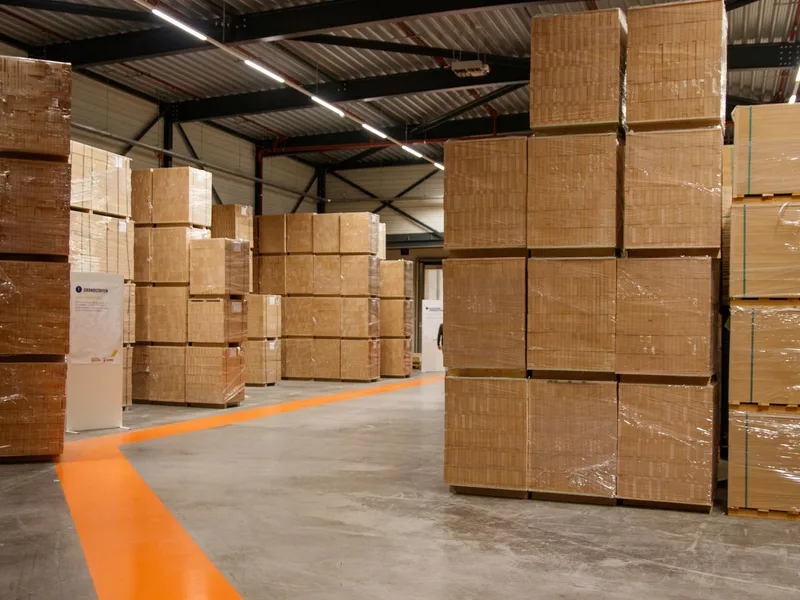
Cardboard in the stockroom
Cardboard is broken and thrown into the back corridor first before disposal, and sits there for hours gathering insects from stock or moisture seeping up from the basement floor.
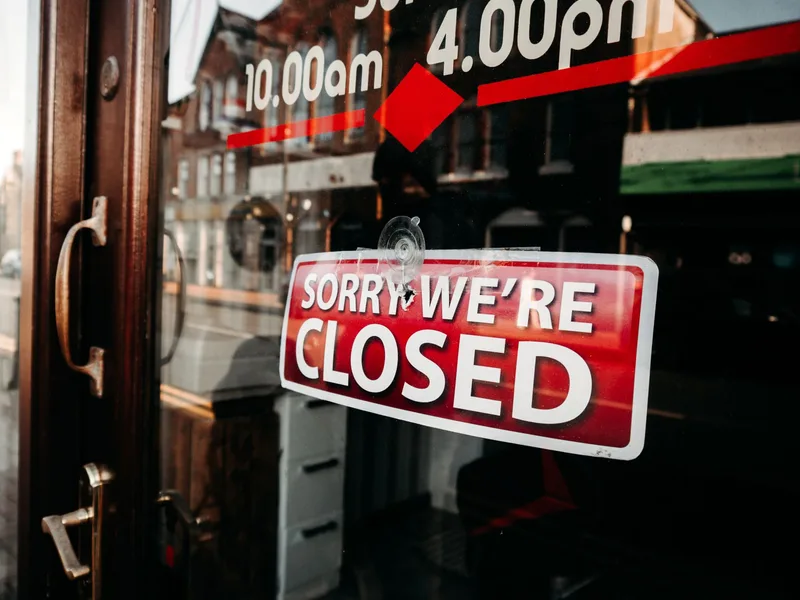
The frontage and the sliding door
The sliding door in Al Sharafiyah is typically narrow with a variable gap beneath it, and opens onto King Fahd Road which is busy with foot traffic, bicycles and cars, all stirring dust and debris that can carry insects.
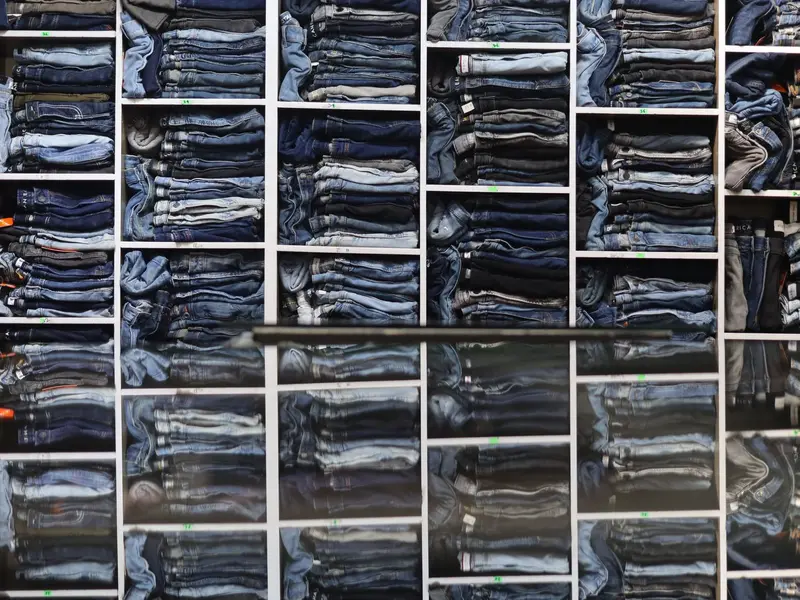
What the shop sells
Retail shops here vary widely: car showrooms, property offices, furniture dealers and contractors, each receiving stock and visitors on different schedules, each with its own standard of housekeeping.
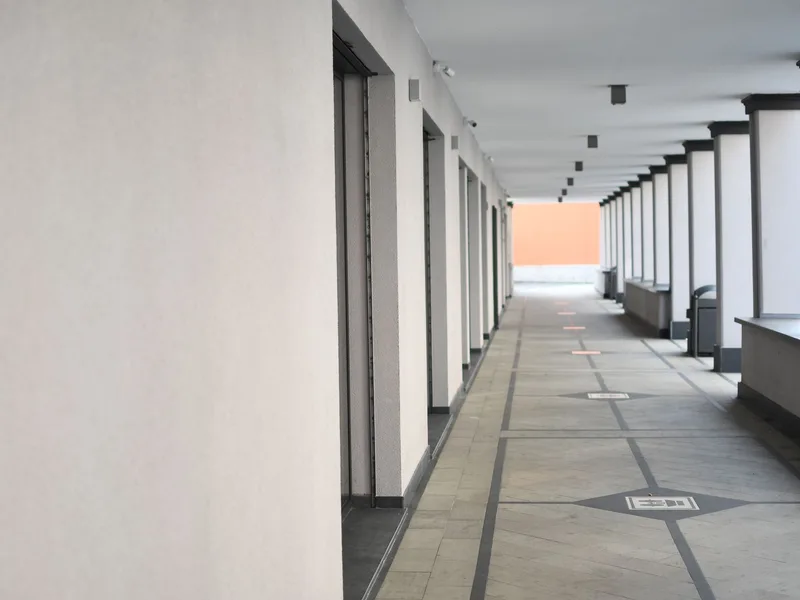
The shared back corridor
The shared back corridor is cleaned unevenly across the row and may sit beside a stairwell or lift shaft that draws up damp air, or be blocked at one end and open at the other.
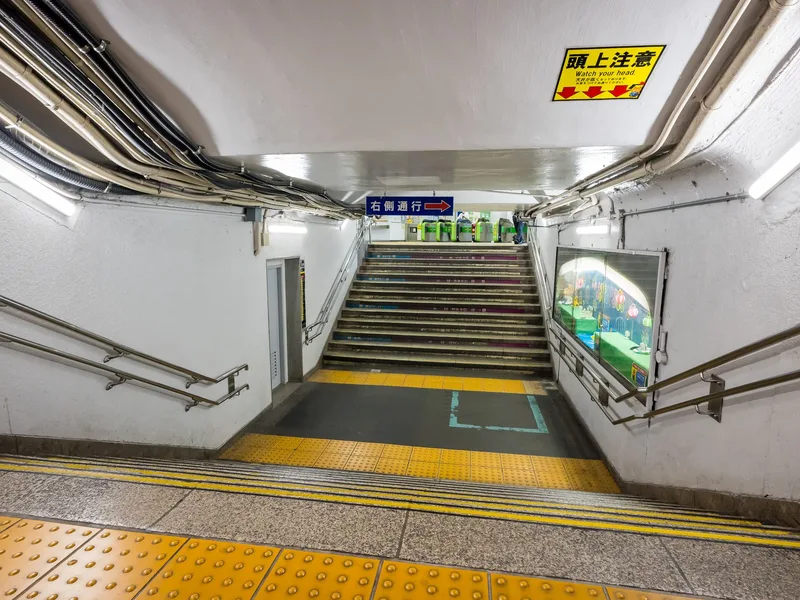
The ceiling void and the services
The suspended ceiling hides everything above it: all the services, dead insects, dust accumulation, and seepage from the roof above or from air conditioning units in the flat above yours.
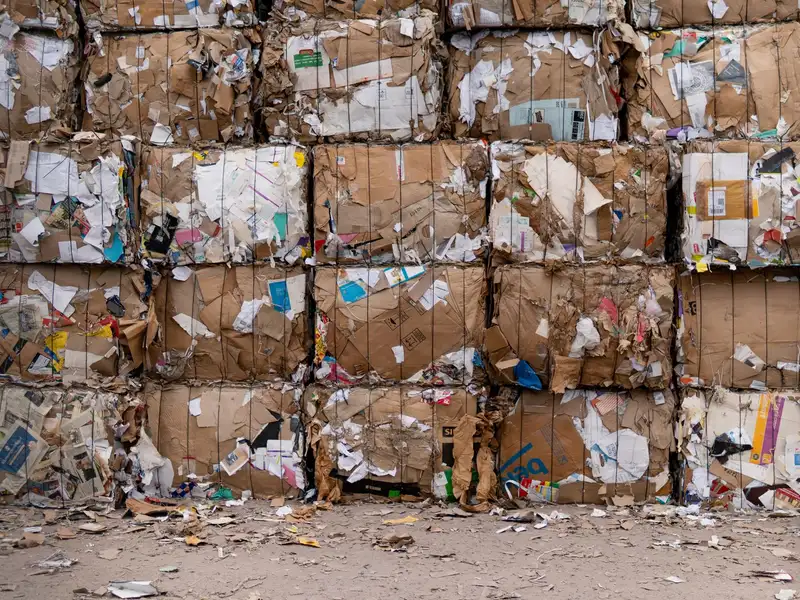
Waste and board behind the shop
Cardboard and waste behind the shop stack up and may not be cleared until end of week, gathering moisture, insects and smell in the meantime.
How we work
-
1
An out-of-hours walk
We walk the floor, the stockroom, the fitting area, the back corridor and the waste route, and record what the shop sells, the delivery cycle and the boundary points with the neighbouring units before anything is applied.
-
2
Treat the stockroom and the goods route
Placed bait into racking uprights, junctions and cracks, dust into the dry voids, and nothing on merchandise or display faces.
-
3
Close the boundary of the unit
A sweep under the stockroom door, mesh on the vents and sealing at the service penetrations on the party wall, because exclusion does more to stop a return than repeating the spray.
-
4
Numbered points and a report each visit
Fixed positions on one route, read every visit and logged even when the reading is nil, with a report of what was found, what was treated and what the building needs closed, plus a copy for centre management when they ask for it.
What retail pest control includes
-

An out-of-hours inspection
A walk covering the floor, the stockroom, the back corridor and the delivery route, ending with the pest list this particular shop actually carries.
-

Bait and points on the goods route
In the stockroom, behind racking and along the goods-in route, out of any customer's reach and away from anything on sale.
-

Targeted crack and crevice work
On junctions, racking feet and the unit perimeter, never on stock, display surfaces or the open sales floor.
-

Drains and the waste area
The floor gullies in the back corridor, the ground around the containers and where the board is collected, because that is the source that renews daily.
-

Getting the shop back to trading
What gets covered before we start, what is wiped afterwards, and the ventilation time we set with you on the call, because it changes with the product and the space.
-

A follow-up visit and a written record
A set date after the first treatment, and a record carrying the date of each visit, the readings, and what was applied and where.
Landmarks of Al Sharafiyah
Work in Al Sharafiyah is organised by where your shop sits relative to King Fahd Road itself and to the larger shopping complexes and transport hubs nearby. Access is usually from King Fahd Road or the inner service road, and visit scheduling takes account of Dr Bakhsh Hospital and the other centres close by.
- King Fahd Road
- King Saud Mosque
- Dr Bakhsh Hospital
- Khalid ibn Al Walid Street
- Othman ibn Affan Street
- University of Jeddah (Al Sharafiyah campus)
Questions about this district
Our sliding door has a gap beneath it, do insects come through there?
Sliding doors are standard in Al Sharafiyah shops and the gap changes with floor settling. Insects need very little space and will enter through that gap if your back corridor is damp or you sit next to a restaurant or cafe. We check that seal every visit and record it in the report.
Does treatment cover the shared back corridor with other shops?
Yes, but only its effect on your unit and how it connects to your space. We control your borders and boundaries, but we cannot manage the corridor's cleanliness unless the centre manager approves. We record what we find in it and watch it in every return visit.
Stock arrived with cockroaches already in it from the warehouse, does treatment cover that?
We do not spray merchandise or shelved stock. We treat your shop, stockroom, corridors and hidden spaces so insects cannot settle. We log infested arrivals in the report so you can raise it with your supplier.
Our shop is next to a restaurant, does that mean endless infestation?
Proximity to food service increases pressure, but does not mean endless infestation. We tighten boundaries between you and them, increase visit frequency, and work with centre management to monitor entry points and shared infrastructure.
Does the spray leave a smell or mark on the displayed merchandise?
No. We focus on the stockroom, back corridors, ceiling voids and hidden corners. The sales floor is the last stage of treatment and only sees inspection. Shelves and displayed stock do not receive spray.
When should we call you if we spot an insect right after treatment finishes?
Call at any time. We return and read the site to check whether the infestation came from shared infrastructure, from new stock, from the neighbour, or whether it is a trapped insect expelled at the end of its lifecycle. We check the entry route and update the treatment plan.
How much does retail and malls in Al Sharafiyah cost?
It is set after the inspection, because the price follows the type of infestation, the size of the space, how far it has spread and the number of visits it needs. Send a photo and a description on WhatsApp and we will give you an estimate before we reach Al Sharafiyah.
Other services in Al Sharafiyah
Other services we provide to residents of Al Sharafiyah.
-
 Residential
Cockroach control
Residential
Cockroach control
-
 Residential
Bed bug control
Residential
Bed bug control
-
 Residential
Termite control
Residential
Termite control
-
 Residential
Rodents and mice
Residential
Rodents and mice
-
 Residential
Mosquito control
Residential
Mosquito control
-
 Residential
Fly control
Residential
Fly control
-
 Residential
Ant control
Residential
Ant control
-
 Residential
Gecko control
Residential
Gecko control
-
 Residential
Scorpion control
Residential
Scorpion control
-
 Residential
Snake control
Residential
Snake control
-
 Residential
Flea control
Residential
Flea control
-
 Residential
Bird and pigeon control
Residential
Bird and pigeon control
-
 Residential
Preventive treatment
Residential
Preventive treatment
-
 Residential
Disinfection
Residential
Disinfection
-
 Commercial
Annual contracts
Commercial
Annual contracts
-
 Commercial
Restaurants and cafes
Commercial
Restaurants and cafes
-
 Commercial
Hotels and apartments
Commercial
Hotels and apartments
-
 Commercial
Warehouses and factories
Commercial
Warehouses and factories
-
 Commercial
Schools and nurseries
Commercial
Schools and nurseries
-
 Commercial
Rest houses and farms
Commercial
Rest houses and farms
-
 Commercial
Fumigation
Commercial
Fumigation
-
 Water tanks
Water tank cleaning
Water tanks
Water tank cleaning
-
 Water tanks
Water tank sterilization
Water tanks
Water tank sterilization
-
 Water tanks
Water tank sealing
Water tanks
Water tank sealing
-
 Water tanks
Tank leak repair
Water tanks
Tank leak repair
Need retail and malls in Al Sharafiyah? Tell us what you saw and we will tell you what it needs
We reach Al Sharafiyah at a time we agree, and you get the full cost before we start.