

Retail and malls in Al Sulaymaniyah Jeddah
Al Sulaymaniyah is an eastern district of Jeddah where shops at street level sit directly beneath residential flats. Insects enter from the flats above and travel through shared corridors between units, so treatment must trace the entry route from upper floors downward and seal the boundary between each shop and its neighbours.
-
Targeted, not broadcast
Product goes into cracks and runways, never sprayed across open surfaces.
-
Told before we start
What we will use, where it goes, and what to cover or move before we arrive.
-
A follow-up visit
We return after the first treatment, because what survives it does not show on the day.
-
Homes and businesses
Apartments and villas, and kitchens and stores that need a record of each visit.
Why they keep coming back in Al Sulaymaniyah
The older flats above the shops drain poorly on upper floors, sending insects downward into the shops. Waste accumulates quickly in shared back corridors where each shop opens onto the same narrow passage. The method is set out in full on Retail and malls in detail.
Insects descend from flats above the shops
The residential flat above the shop contains an older kitchen and bathroom drainage system. Insects travel downward through shared vertical pipework or cracks in suspended ceilings. Treatment reaches the ceiling void and traces the vertical drainage lines that cross the shop boundary, sealing them at the point of entry.
Shared back corridors concentrate inbound stock
Adjacent shops open onto a single back corridor where delivery vehicles bring contaminated stock and waste bags are left for hours. Each box entering carries insects, and the dark damp corridor becomes a permanent shelter unless its boundary is sealed. The corridor becomes the weak point that undermines treatment of the shop itself.
Low-lying ground and winter water pooling
Al Sulaymaniyah sits on flat, low-lying land. Rainwater pools in narrow streets and back passages. Standing water attracts moisture-loving insects and ants, so treatment must target water run-off routes and areas that remain damp for days after rain, because they become breeding grounds if untreated.
Al Sulaymaniyah on the map
Al Sulaymaniyah sits about 3.5 km from Al Jamiah and about 3.5 km from Al Fayha.
Open in Google MapsWhat decides the treatment in a shop
A district laid out along King Abdullah Road with villas, modern apartment blocks and planned residential compounds, home to the high-speed railway station, metro stops, and several shopping centres.
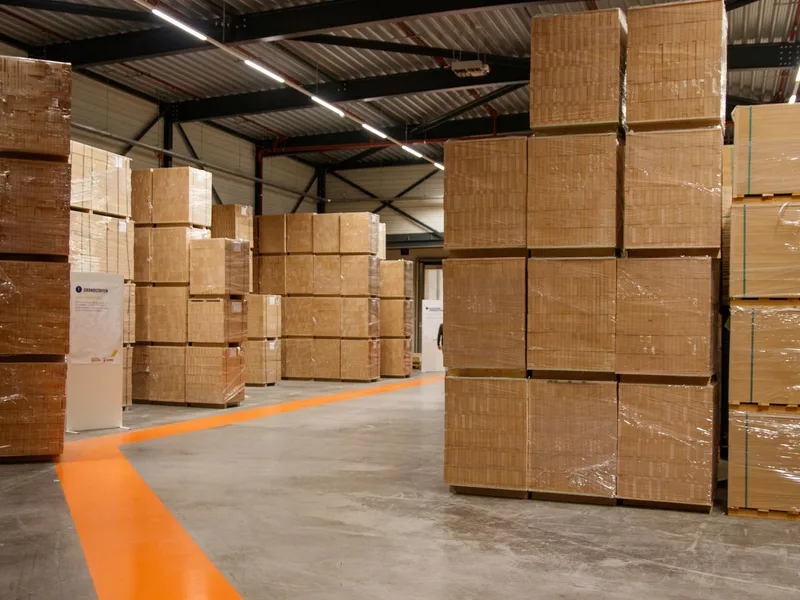
Cardboard in the stockroom
Cardboard storage in Al Sulaymaniyah is cramped due to tight floor space, so old board stacks quickly and becomes insect shelter almost immediately after receipt.
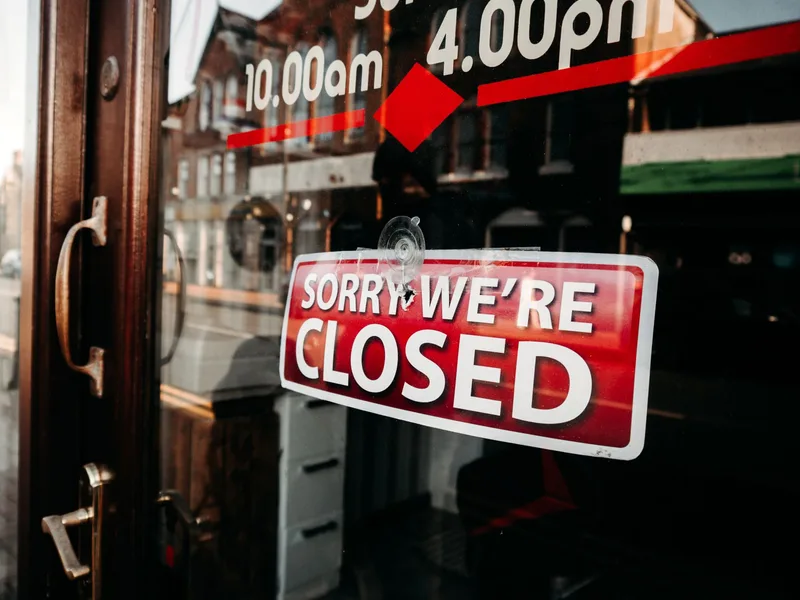
The frontage and the sliding door
The shop frontage is modern glazed but the sliding door has a gap beneath it, and the flat above is occupied and generates damp and odours that attract insects downward.
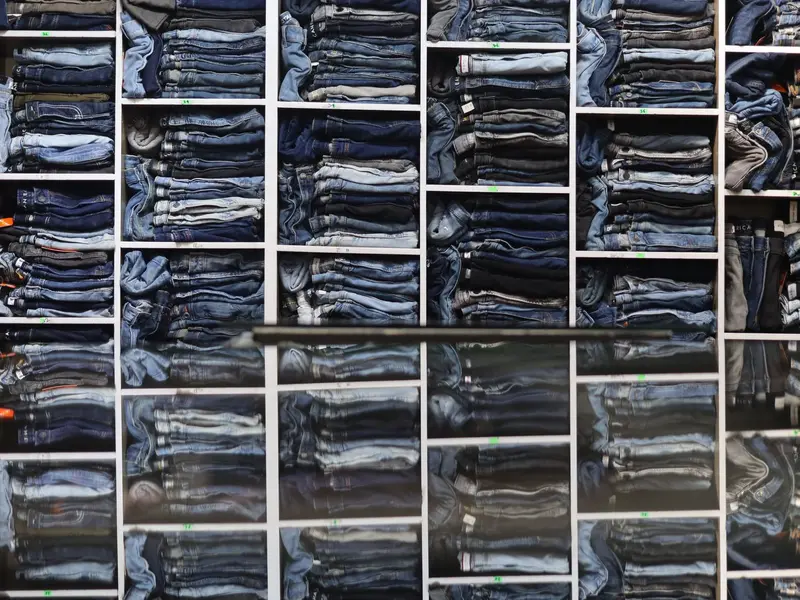
What the shop sells
Shops here sell clothing, accessories and shoes, so damp seeping from the flat above marks the stock and damp merchandise attracts insects rapidly.
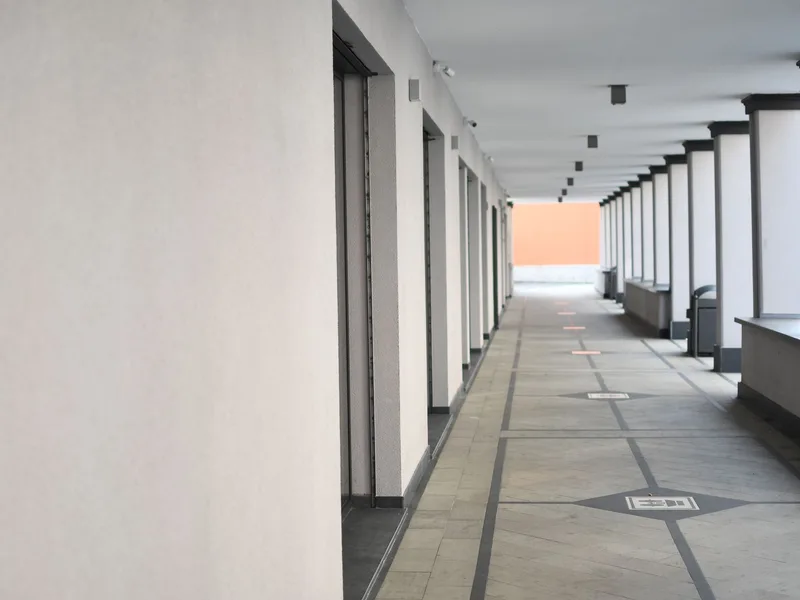
The shared back corridor
The back corridor is narrow and waste bags from all shops accumulate there, rainwater pools after heavy rain, and odours attract moisture insects and ants.
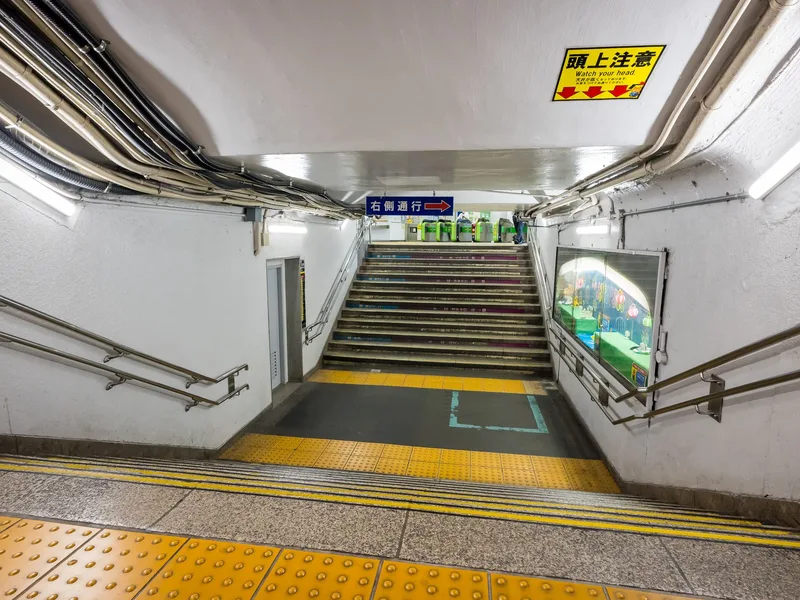
The ceiling void and the services
The suspended ceiling has a large void with ductwork running down from the floor above, and insects use this void to move between the shop and the flat, unseen.
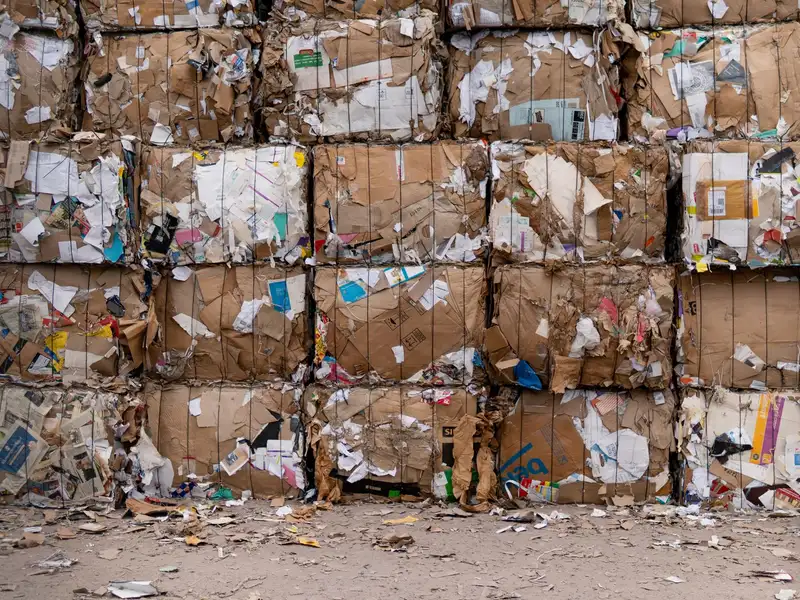
Waste and board behind the shop
Waste sits in bags in the back corridor for days, old cardboard becomes perfect insect shelter, and the damp that pools in the corridor after rain compounds the problem.
How we work
-
1
An out-of-hours walk
We walk the floor, the stockroom, the fitting area, the back corridor and the waste route, and record what the shop sells, the delivery cycle and the boundary points with the neighbouring units before anything is applied.
-
2
Treat the stockroom and the goods route
Placed bait into racking uprights, junctions and cracks, dust into the dry voids, and nothing on merchandise or display faces.
-
3
Close the boundary of the unit
A sweep under the stockroom door, mesh on the vents and sealing at the service penetrations on the party wall, because exclusion does more to stop a return than repeating the spray.
-
4
Numbered points and a report each visit
Fixed positions on one route, read every visit and logged even when the reading is nil, with a report of what was found, what was treated and what the building needs closed, plus a copy for centre management when they ask for it.
What retail pest control includes
-

An out-of-hours inspection
A walk covering the floor, the stockroom, the back corridor and the delivery route, ending with the pest list this particular shop actually carries.
-

Bait and points on the goods route
In the stockroom, behind racking and along the goods-in route, out of any customer's reach and away from anything on sale.
-

Targeted crack and crevice work
On junctions, racking feet and the unit perimeter, never on stock, display surfaces or the open sales floor.
-

Drains and the waste area
The floor gullies in the back corridor, the ground around the containers and where the board is collected, because that is the source that renews daily.
-

Getting the shop back to trading
What gets covered before we start, what is wiped afterwards, and the ventilation time we set with you on the call, because it changes with the product and the space.
-

A follow-up visit and a written record
A set date after the first treatment, and a record carrying the date of each visit, the readings, and what was applied and where.
What is different about Al Jamiah Sub-Municipality
Al Jamiah sub municipality spans the older south of Jeddah. Planned districts such as Al Fayha, Al Thaghr and Madain Al Fahd sit beside crowded popular quarters like the Nazlahs and Al Quraiyat, and beside cleared or clearing land in Ghulail, Petromin and Al Thaalibah awaiting redevelopment. Apartment buildings stand close together above dense runs of shops and restaurants along Old Makkah Road and Prince Majid Road. Drainage in the popular quarters is ageing, humid air drifts in from the port and refinery side to the west, and the flat low lying ground holds rainwater in narrow streets.
Questions about this district
The flat above the shop has old drainage. Do insects come down through it?
Yes. Old drainage in the flat above sends insects downward through shared vertical pipework. We treat the ceiling void and seal every point where pipes cross the shop boundary to stop the downward route.
The shared back corridor has other shops opening onto it. Do we treat it?
Yes, if the corridor is the source. All shops that open onto it must agree to coordinated treatment. We liaise with centre management to ensure each unit properly seals its own boundary.
Stock arrives from distant warehouses that may be infested. What do we check?
We inspect stock on arrival before it enters the shop and treat boxes if needed. The shop itself is treated separately from contamination routes coming from outside.
The shop closes some days each week and damp builds up. Do we increase visits?
Intermittent closure increases stale humid air, which insects favour. We place numbered monitoring points in areas where damp accumulates and increase reading frequency on closed days.
The shop entrance sits beside the flat entrance upstairs. How do we seal the boundary?
We seal gaps around both doors and fit a brush strip under the sliding door. We check this point every visit because the shared doorway allows insects to enter from the common passage.
The suspended ceiling has a void with pipework running down from the flat above. Is that a problem?
Yes. The space above the suspended ceiling becomes an insect highway and rodent route. We inspect all pipework, seal cracks, and place monitoring points above the ceiling that we read at every visit.
How much does retail and malls in Al Sulaymaniyah cost?
It is set after the inspection, because the price follows the type of infestation, the size of the space, how far it has spread and the number of visits it needs. Send a photo and a description on WhatsApp and we will give you an estimate before we reach Al Sulaymaniyah.
Nearby districts we cover
Other services in Al Sulaymaniyah
Other services we provide to residents of Al Sulaymaniyah.
-
 Residential
Cockroach control
Residential
Cockroach control
-
 Residential
Bed bug control
Residential
Bed bug control
-
 Residential
Termite control
Residential
Termite control
-
 Residential
Rodents and mice
Residential
Rodents and mice
-
 Residential
Mosquito control
Residential
Mosquito control
-
 Residential
Fly control
Residential
Fly control
-
 Residential
Ant control
Residential
Ant control
-
 Residential
Gecko control
Residential
Gecko control
-
 Residential
Scorpion control
Residential
Scorpion control
-
 Residential
Snake control
Residential
Snake control
-
 Residential
Flea control
Residential
Flea control
-
 Residential
Bird and pigeon control
Residential
Bird and pigeon control
-
 Residential
Preventive treatment
Residential
Preventive treatment
-
 Residential
Disinfection
Residential
Disinfection
-
 Commercial
Annual contracts
Commercial
Annual contracts
-
 Commercial
Restaurants and cafes
Commercial
Restaurants and cafes
-
 Commercial
Hotels and apartments
Commercial
Hotels and apartments
-
 Commercial
Warehouses and factories
Commercial
Warehouses and factories
-
 Commercial
Schools and nurseries
Commercial
Schools and nurseries
-
 Commercial
Rest houses and farms
Commercial
Rest houses and farms
-
 Commercial
Fumigation
Commercial
Fumigation
-
 Water tanks
Water tank cleaning
Water tanks
Water tank cleaning
-
 Water tanks
Water tank sterilization
Water tanks
Water tank sterilization
-
 Water tanks
Water tank sealing
Water tanks
Water tank sealing
-
 Water tanks
Tank leak repair
Water tanks
Tank leak repair
Need retail and malls in Al Sulaymaniyah? Tell us what you saw and we will tell you what it needs
We reach Al Sulaymaniyah at a time we agree, and you get the full cost before we start.