

Retail and malls in Mushrifah Jeddah
Mushrifah is a district of closely packed apartment blocks crossed by major roads, with shops distributed along Makarona Road, Palestine Street and Tahliah Street. Flats stack above the shop, restaurants sit beside it, hospitals and medical complexes nearby, all creating sustained pressure from multiple sources at once.
-
Targeted, not broadcast
Product goes into cracks and runways, never sprayed across open surfaces.
-
Told before we start
What we will use, where it goes, and what to cover or move before we arrive.
-
A follow-up visit
We return after the first treatment, because what survives it does not show on the day.
-
Homes and businesses
Apartments and villas, and kitchens and stores that need a record of each visit.
Why they keep coming back in Mushrifah
In Mushrifah we find that most shops have residential flats directly above and restaurants or medical centres beside them, which makes treatment more complex as pressure arrives from several directions simultaneously. The method is set out in full on the full Retail and malls page.
Restaurants and clinics beside the shop provide constant pressure
Makarona Road is packed with restaurants, cafes and medical clinics, each with a kitchen, food prep area or waste management system. Cockroaches move easily between adjacent shops, and a new or clean shop can receive pests from careless neighbours. We must seal the boundary hard.
Famous Makarona Road food density attracts insects from the street
Makarona Road is known for restaurant density, street food and cafes, and waste bins and food scraps draw insects constantly. Insects congregate in the street and spread into every surrounding shop, whether selling clothes, furniture or electronics.
Dense residential flats mean shared pipes and poor ventilation
The apartment blocks in Mushrifah are older, with very high unit density, and shared pipework and poor ventilation create damp conditions. Moisture and standing water in shared pipes and dark zones create permanent insect shelters.
The character of Mushrifah
Apartment district: residential blocks, repeated floors and shared entrances
In an apartment district like Mushrifah, the shop exists in a complex environment where flats press down from above, restaurants press in from the side, and medical facilities loom near. Pressure arrives from multiple sources at once, and treatment demands a comprehensive strategy that addresses every one of these connections.
What decides the treatment in a shop
An inland district of crossed main roads, with rental apartments and shops in dense arrangement. Makarona Road is its main spine, lined heavily with restaurants, cafes and medical clinics.
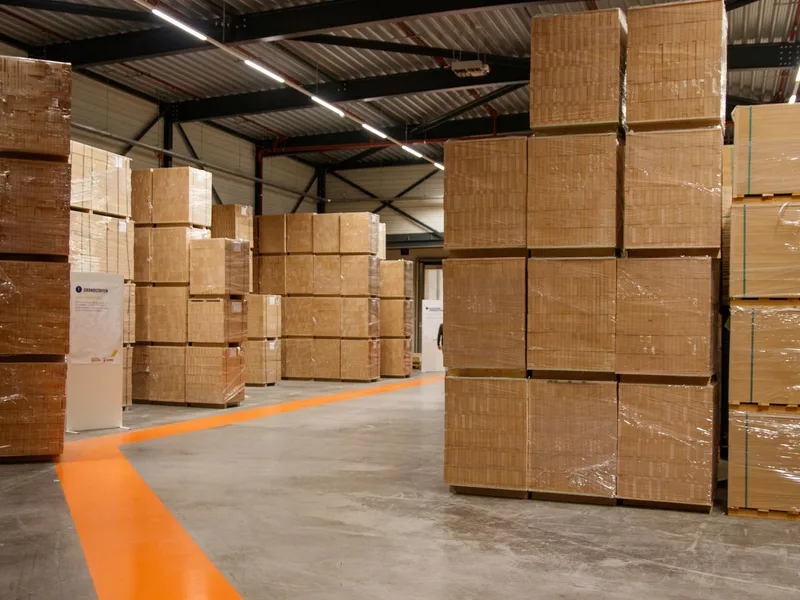
Cardboard in the stockroom
Cardboard in the stockroom dampens quickly from general street humidity and flats above, and insects colonise it because it provides food and moisture together.
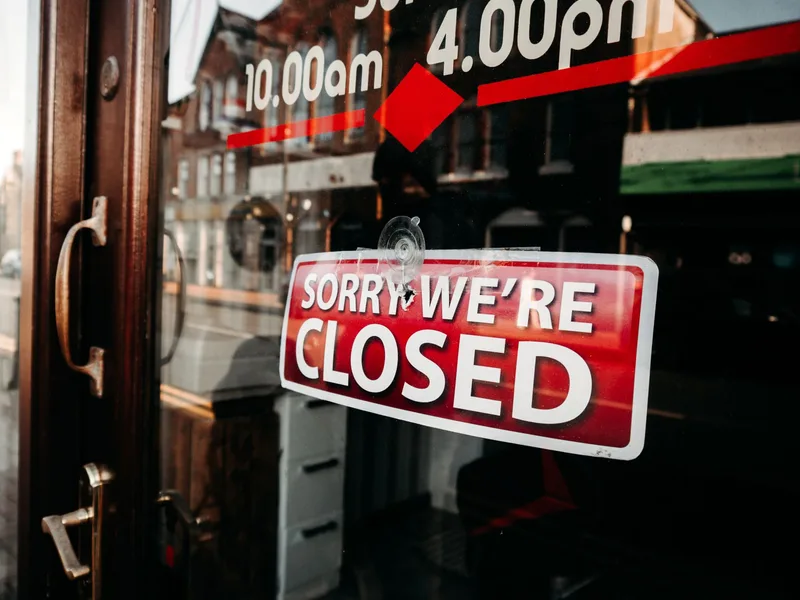
The frontage and the sliding door
The sliding door faces busy Makarona Road, and insect pressure in the street pushes them inward constantly.
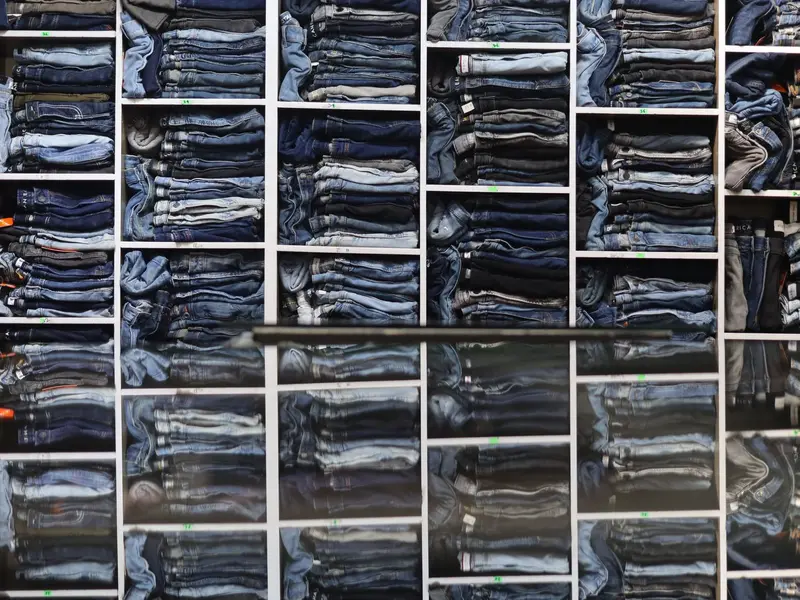
What the shop sells
The shop may sell clothes or furniture or electronics but sits surrounded by food shops and restaurants, with insects moving through walls and gaps between units.
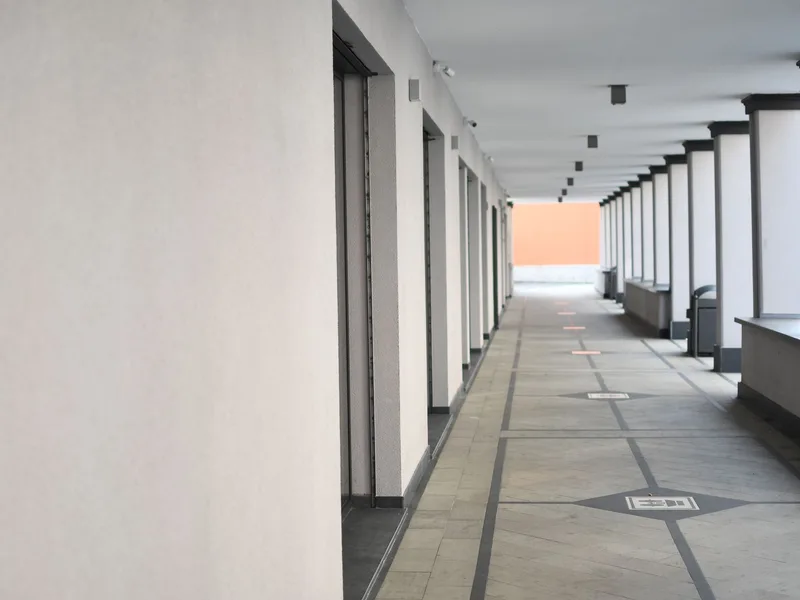
The shared back corridor
The shared back corridor is packed with waste bins from every shop and restaurant, and food smell attracts insects from the whole surrounding area.
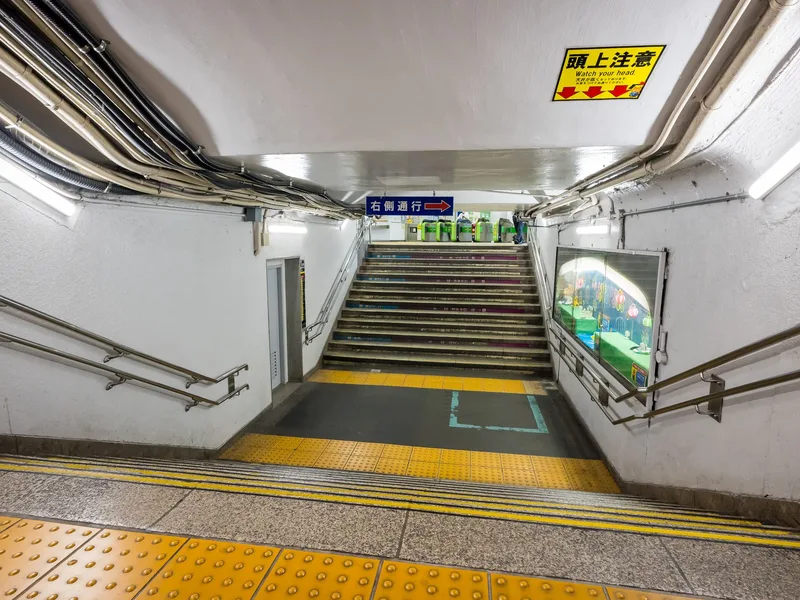
The ceiling void and the services
The suspended ceiling is old with tangled services, and moisture from flats and restaurants seeps into the void and dark service zones.
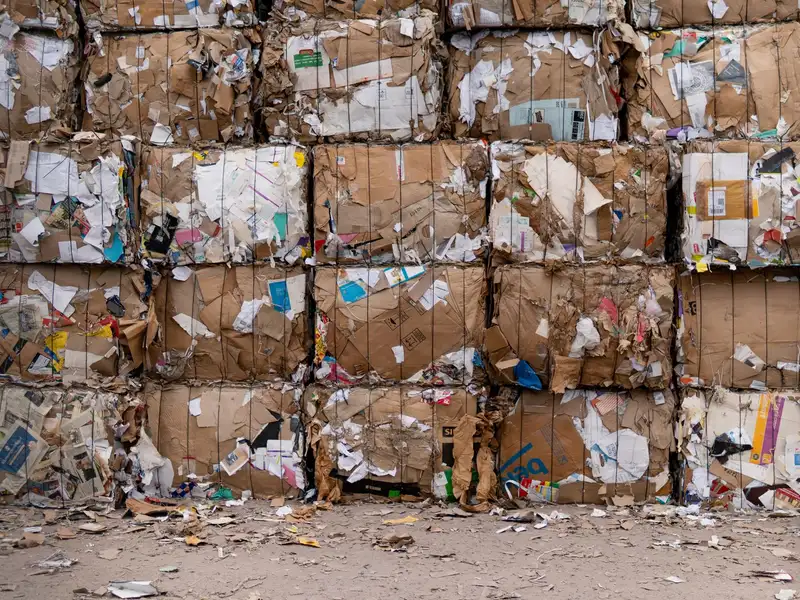
Waste and board behind the shop
Cardboard and waste behind the shop mixes with restaurant waste and shared bins, which draws swarms of insects and rodents.
How we work
-
1
An out-of-hours walk
We walk the floor, the stockroom, the fitting area, the back corridor and the waste route, and record what the shop sells, the delivery cycle and the boundary points with the neighbouring units before anything is applied.
-
2
Treat the stockroom and the goods route
Placed bait into racking uprights, junctions and cracks, dust into the dry voids, and nothing on merchandise or display faces.
-
3
Close the boundary of the unit
A sweep under the stockroom door, mesh on the vents and sealing at the service penetrations on the party wall, because exclusion does more to stop a return than repeating the spray.
-
4
Numbered points and a report each visit
Fixed positions on one route, read every visit and logged even when the reading is nil, with a report of what was found, what was treated and what the building needs closed, plus a copy for centre management when they ask for it.
What retail pest control includes
-

An out-of-hours inspection
A walk covering the floor, the stockroom, the back corridor and the delivery route, ending with the pest list this particular shop actually carries.
-

Bait and points on the goods route
In the stockroom, behind racking and along the goods-in route, out of any customer's reach and away from anything on sale.
-

Targeted crack and crevice work
On junctions, racking feet and the unit perimeter, never on stock, display surfaces or the open sales floor.
-

Drains and the waste area
The floor gullies in the back corridor, the ground around the containers and where the board is collected, because that is the source that renews daily.
-

Getting the shop back to trading
What gets covered before we start, what is wiped afterwards, and the ventilation time we set with you on the call, because it changes with the product and the space.
-

A follow-up visit and a written record
A set date after the first treatment, and a record carrying the date of each visit, the readings, and what was applied and where.
What is different about Al Aziziyah Sub-Municipality
The Al Aziziyah sub municipality takes in the established heart of northern Jeddah, from the Al Hamra corniche on the Red Sea to Al Rehab east of King Abdullah Road. Its buildings date back decades, mostly mid rise apartment blocks over shops and closely packed restaurants along Makarona Road, Tahliah Street and Palestine Street, alongside villas and hotel towers near the shore. Sea humidity is high in the western districts, plumbing and drainage in the older blocks are ageing, and food outlets, hospitals and irrigated gardens are everywhere, conditions that favour cockroaches, ants, mosquitoes and rodents throughout the year.
Questions about this district
The restaurant beside us is crawling with insects. Does it affect our shop?
Absolutely. Restaurants are massive food sources for insects, especially cockroaches, which migrate seeking better feeding. If a restaurant sits beside you insects will come constantly unless the boundary between you is sealed tight.
Many flats are stacked above us. Water and crumbs come down from every one?
In densely packed blocks this is very common. Water from pipe leaks and crumbs and waste fall from the flats above, all of which attract insects. We focus on sealing every opening from above and the ceiling void.
Underground pipes in the street leak. Do insects come from them?
Yes. Broken pipes are permanent sources of insects and rodents, especially under a heavy street like Makarona. Standing water and gaps underground create ideal rodent and cockroach homes.
One neighbour sells traditional clothes, another runs a medical clinic. Are they different?
Restaurants are our first priority as a food source, but medical clinics have high moisture and water use and may harbour insects too. Every shop beside you affects the shape of your treatment.
The flat above us is neglected with very high humidity. Do insects come down?
A neglected flat above a shop is a critical weak point. Darkness, moisture and neglect make it perfect insect habitat. We strongly recommend treating the flat or at minimum sealing every opening between it and the shop.
Shops round the hospital near the park. Does the hospital itself affect insects?
Hospitals have high moisture, water infrastructure and different hygiene standards, which attract certain pests. Shared moisture, ventilation and pipework are the baseline.
How much does retail and malls in Mushrifah cost?
It is set after the inspection, because the price follows the type of infestation, the size of the space, how far it has spread and the number of visits it needs. Send a photo and a description on WhatsApp and we will give you an estimate before we reach Mushrifah.
Nearby districts we cover
Other services in Mushrifah
Other services we provide to residents of Mushrifah.
-
 Residential
Cockroach control
Residential
Cockroach control
-
 Residential
Bed bug control
Residential
Bed bug control
-
 Residential
Termite control
Residential
Termite control
-
 Residential
Rodents and mice
Residential
Rodents and mice
-
 Residential
Mosquito control
Residential
Mosquito control
-
 Residential
Fly control
Residential
Fly control
-
 Residential
Ant control
Residential
Ant control
-
 Residential
Gecko control
Residential
Gecko control
-
 Residential
Scorpion control
Residential
Scorpion control
-
 Residential
Snake control
Residential
Snake control
-
 Residential
Flea control
Residential
Flea control
-
 Residential
Bird and pigeon control
Residential
Bird and pigeon control
-
 Residential
Preventive treatment
Residential
Preventive treatment
-
 Residential
Disinfection
Residential
Disinfection
-
 Commercial
Annual contracts
Commercial
Annual contracts
-
 Commercial
Restaurants and cafes
Commercial
Restaurants and cafes
-
 Commercial
Hotels and apartments
Commercial
Hotels and apartments
-
 Commercial
Warehouses and factories
Commercial
Warehouses and factories
-
 Commercial
Schools and nurseries
Commercial
Schools and nurseries
-
 Commercial
Rest houses and farms
Commercial
Rest houses and farms
-
 Commercial
Fumigation
Commercial
Fumigation
-
 Water tanks
Water tank cleaning
Water tanks
Water tank cleaning
-
 Water tanks
Water tank sterilization
Water tanks
Water tank sterilization
-
 Water tanks
Water tank sealing
Water tanks
Water tank sealing
-
 Water tanks
Tank leak repair
Water tanks
Tank leak repair
Need retail and malls in Mushrifah? Tell us what you saw and we will tell you what it needs
We reach Mushrifah at a time we agree, and you get the full cost before we start.