
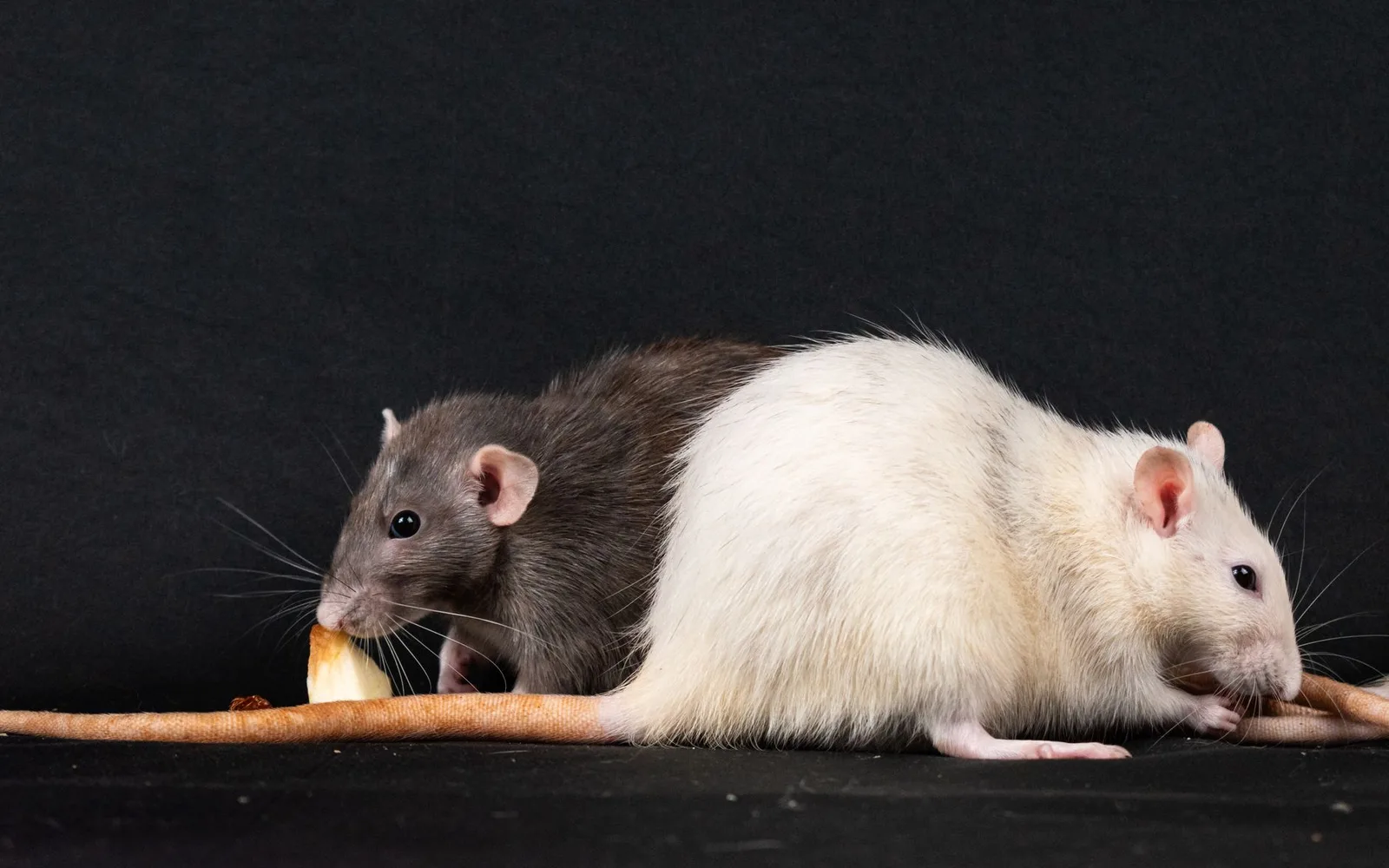
Rodents and mice in Al Balad Jeddah
Al Balad is Jeddah's historic commercial heart, a fabric of old coral limestone tower houses with wooden rawashin screens lining lanes so narrow that the buildings lean toward each other. The souqs and shops cluster around Bab Makkah and Bab Sharif, and this extreme density combined with ageing masonry creates wide gaps between the walls and foundations where rodents find easy passage.
-
Targeted, not broadcast
Product goes into cracks and runways, never sprayed across open surfaces.
-
Told before we start
What we will use, where it goes, and what to cover or move before we arrive.
-
A follow-up visit
We return after the first treatment, because what survives it does not show on the day.
-
Homes and businesses
Apartments and villas, and kitchens and stores that need a record of each visit.
Why they keep coming back in Al Balad
The traders in the old souqs report rodents more often than most, because the narrow lanes provide protection from light and fast movement, making it safe for rodents to forage throughout the day. The method is set out in full on how we approach Rodents and mice.
Ancient foundations and their wide gaps
The coral stone houses and historic buildings have eroded foundations with large gaps between the stones and aged mortar, which the rodent can traverse as ready-made passages without gnawing or digging, because the gaps are already there from centuries past.
Narrow lanes and permanent shadow
The lanes are so cramped and the buildings so close that daylight never reaches the ground, creating perfect shelter where rodents move safely all day hunting for food, unseen by pedestrians and protected from the weather above.
Dense souqs and accumulated food
Souq Al Alawi, Souq Al Badu and the markets around Bab Makkah pile up food scraps from traders and visitors daily, offering rodents abundant food that draws them into the area, where they then breed in the gaps beneath the shops and nearby houses.
Al Balad on the map
Al Balad sits about 1 km from Al Sahifah and about 1 km from Al Ammariyah.
Open in Google MapsWhat we read in the building before any bait goes down
Old coral stone buildings pressed so tightly together that foundations are not properly sealed, ancient sewers beneath narrow lanes, and dense commercial markets leaving daily food scraps exposed.
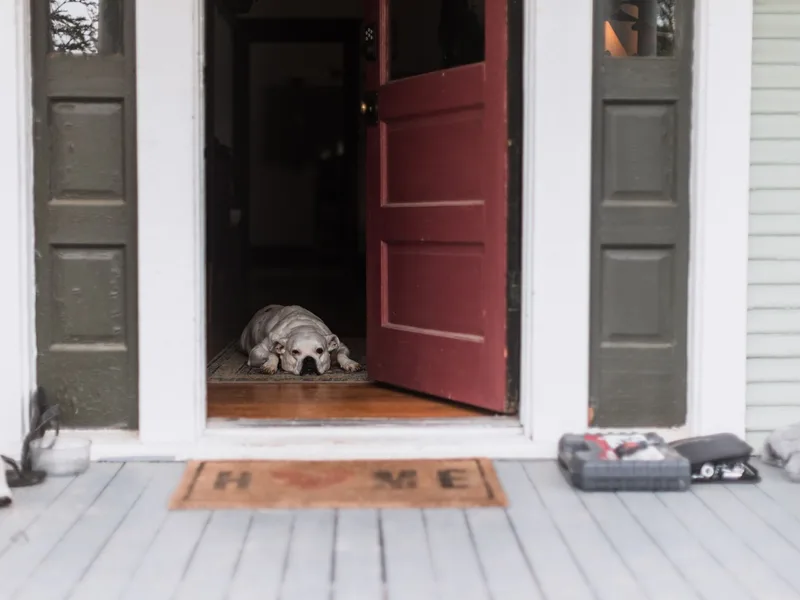
The gap under the door
The gap under a shop or house door in Al Balad is often large because old doors sit slightly raised above uneven floors, making it easy for rodents to crawl beneath even without damaging it further.
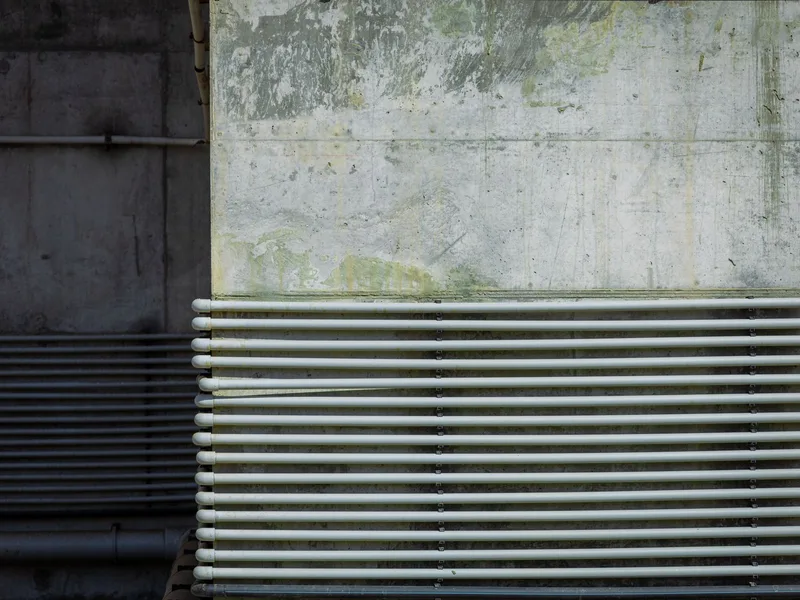
Pipe and conduit openings
Gaps around pipes and air conditioning work in old walls are surrounded by cracks, because the ancient mortar was never compacted and has crumbled over time into loose material.
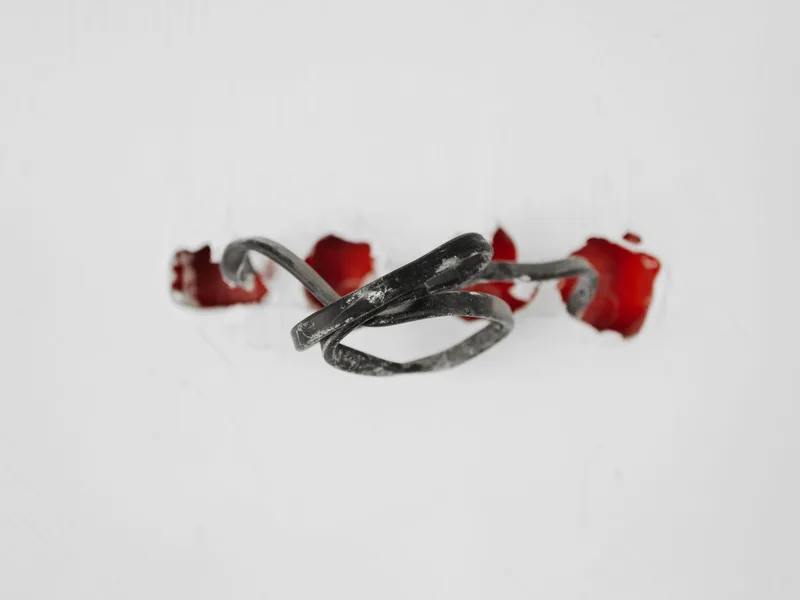
Gnaw marks
Gnaw marks appear on damp rotting timber and mouldy supports on the wooden floors and joists beneath shops, evidence of rodent activity in the ideal breeding spaces below.
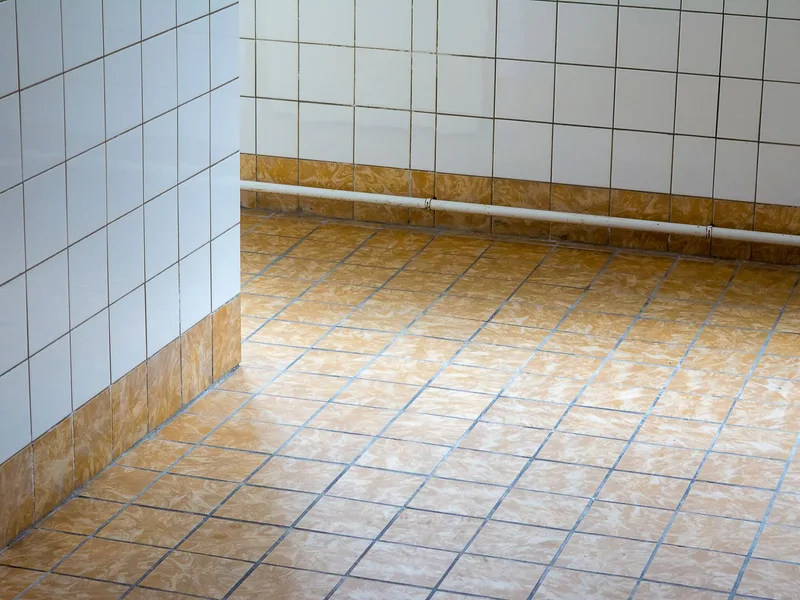
The run along the wall
The run along the walls shows constant rodent movement along shop and house walls, leaving obvious greasy marks on the old stone and mortar where their bodies contact it repeatedly.
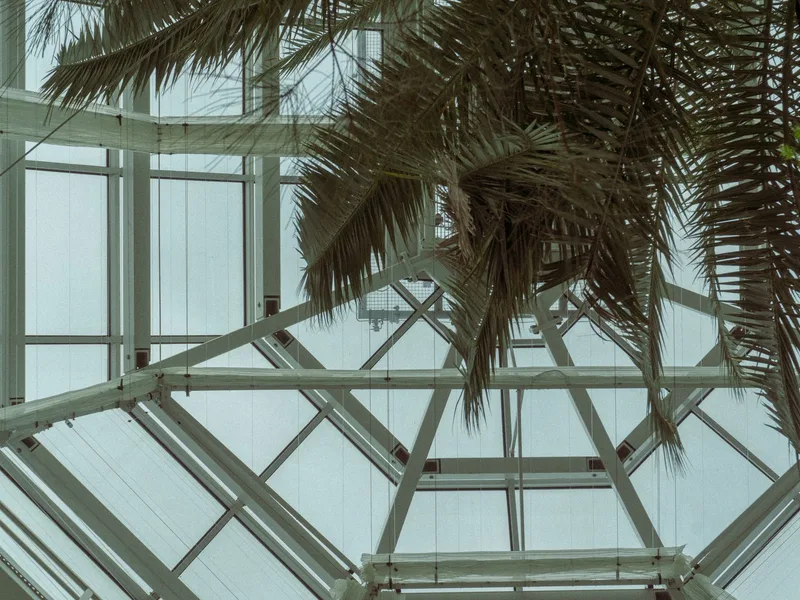
The route from above
The route from above through the old wooden ceilings and floors is the main corridor for rodents between storeys and shops, where they move safely in darkness beneath the busy street-level traffic.
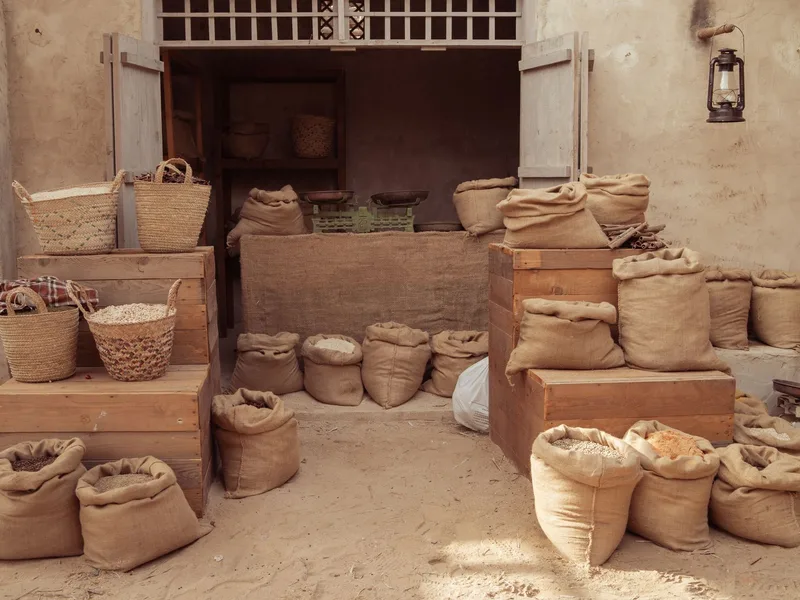
The water and the food on offer
Water and food are readily available from market scraps and busy commercial activity every day, and moisture from the old sewers keeps the environment rich in resources for the rodents.
How we work
-
1
Inspect and trace the runs
We work the perimeter, the kitchen, the store and the false ceiling, establish the species, the entry points and the water source, and mark the station positions before anything is carried in.
-
2
Close the openings
Metal mesh, mortar and base strips at the gaps, around pipe sleeves and at vents, because foam and silicone are gnawed through within days.
-
3
Secured bait and traps
Closed stations fixed on the runs outside the building, and traps rather than loose bait indoors, so that anything that dies stays somewhere we can reach.
-
4
The follow-up visit
We read the take at each station, replenish what has gone, remove anything found, and close any opening that showed itself once the movement settled.
What rodent control includes
-

Inspection and a station map
Entry points, runs and station positions recorded, so the same points are checked on every visit.
-

Sealing pipes and drains
Floor traps, pipe sleeves, vents and the air conditioning drain line, the routes that arrive from outside the unit.
-

Secured bait stations
Closed and fixed on the outside runs, out of reach of children and animals, while indoors we work with traps.
-

Treating the nest site
A rodent leaves parasites and nesting material behind, so the nest is removed and the void it sat in is treated.
-

Aftercare instructions
Stock lifted off the floor, droppings cleaned damp with disinfectant instead of swept dry, and pet bowls emptied at night.
-

A scheduled follow-up
A set date after the first visit: read the take, replenish the bait, remove anything found and close what is still open.
Landmarks of Al Balad
Technicians reach the shops and houses of Al Balad through the narrow lanes around Bab Makkah and Bab Sharif, where the busy souqs concentrate the highest activity. Access to beneath-floor voids and wall cavities is gained through the shop interior or from beneath adjacent shops in the same building, where treatment extends along shared foundations.
- Nassif House
- Al Shafi'i Mosque
- Souq Al Alawi
- Souq Al Badu
- Bab Makkah
- Bab Sharif
Questions about this district
Are gaps around old drainage pipes a main weakness in Al Balad?
Yes, old and eroded pipes have wide gaps around them, and rodents use them as direct routes in from beneath the street into the shops and houses above, without needing to climb or squeeze.
Why do rodents move so easily between shops in the old souqs?
Adjacent shops share walls with old cracks and gaps, and rodents move between them through these weak points without gnawing, especially beneath the old wooden floors where gaps are even wider.
Is coral stone and old mortar easier to gnaw than modern concrete?
The stone itself is hard, but the mortar and clay between the blocks has become brittle over centuries and damp, making it easy for a rodent to chew a path through without much effort.
Is treating one shop in the souq enough to stop rodents in neighbouring shops?
No, because rodents move easily between adjacent shops through shared walls, cracks and old wooden floors. Several neighbouring shops must be treated at the same time to cut off the rodent routes.
Does darkness and dampness under old wooden floors attract rodents more?
Yes, the gaps beneath old wooden floors provide darkness, damp shelter and protection from movement above, making them ideal environments for rodents to hide and breed.
How often should shops and houses in Al Balad need regular checking each year?
Commercial shops need frequent checks because food scraps build up daily and rodents find abundant food, while houses need seasonal checks particularly before and after periods of heavy trading and visitor footfall.
How much does rodents and mice in Al Balad cost?
It is set after the inspection, because the price follows the type of infestation, the size of the space, how far it has spread and the number of visits it needs. Send a photo and a description on WhatsApp and we will give you an estimate before we reach Al Balad.
Nearby districts we cover
Other services in Al Balad
Other services we provide to residents of Al Balad.
-
 Residential
Cockroach control
Residential
Cockroach control
-
 Residential
Bed bug control
Residential
Bed bug control
-
 Residential
Termite control
Residential
Termite control
-
 Residential
Mosquito control
Residential
Mosquito control
-
 Residential
Fly control
Residential
Fly control
-
 Residential
Ant control
Residential
Ant control
-
 Residential
Gecko control
Residential
Gecko control
-
 Residential
Scorpion control
Residential
Scorpion control
-
 Residential
Snake control
Residential
Snake control
-
 Residential
Flea control
Residential
Flea control
-
 Residential
Bird and pigeon control
Residential
Bird and pigeon control
-
 Residential
Preventive treatment
Residential
Preventive treatment
-
 Residential
Disinfection
Residential
Disinfection
-
 Commercial
Annual contracts
Commercial
Annual contracts
-
 Commercial
Restaurants and cafes
Commercial
Restaurants and cafes
-
 Commercial
Hotels and apartments
Commercial
Hotels and apartments
-
 Commercial
Warehouses and factories
Commercial
Warehouses and factories
-
 Commercial
Schools and nurseries
Commercial
Schools and nurseries
-
 Commercial
Retail and malls
Commercial
Retail and malls
-
 Commercial
Rest houses and farms
Commercial
Rest houses and farms
-
 Commercial
Fumigation
Commercial
Fumigation
-
 Water tanks
Water tank cleaning
Water tanks
Water tank cleaning
-
 Water tanks
Water tank sterilization
Water tanks
Water tank sterilization
-
 Water tanks
Water tank sealing
Water tanks
Water tank sealing
-
 Water tanks
Tank leak repair
Water tanks
Tank leak repair
Need rodents and mice in Al Balad? Tell us what you saw and we will tell you what it needs
We reach Al Balad at a time we agree, and you get the full cost before we start.