
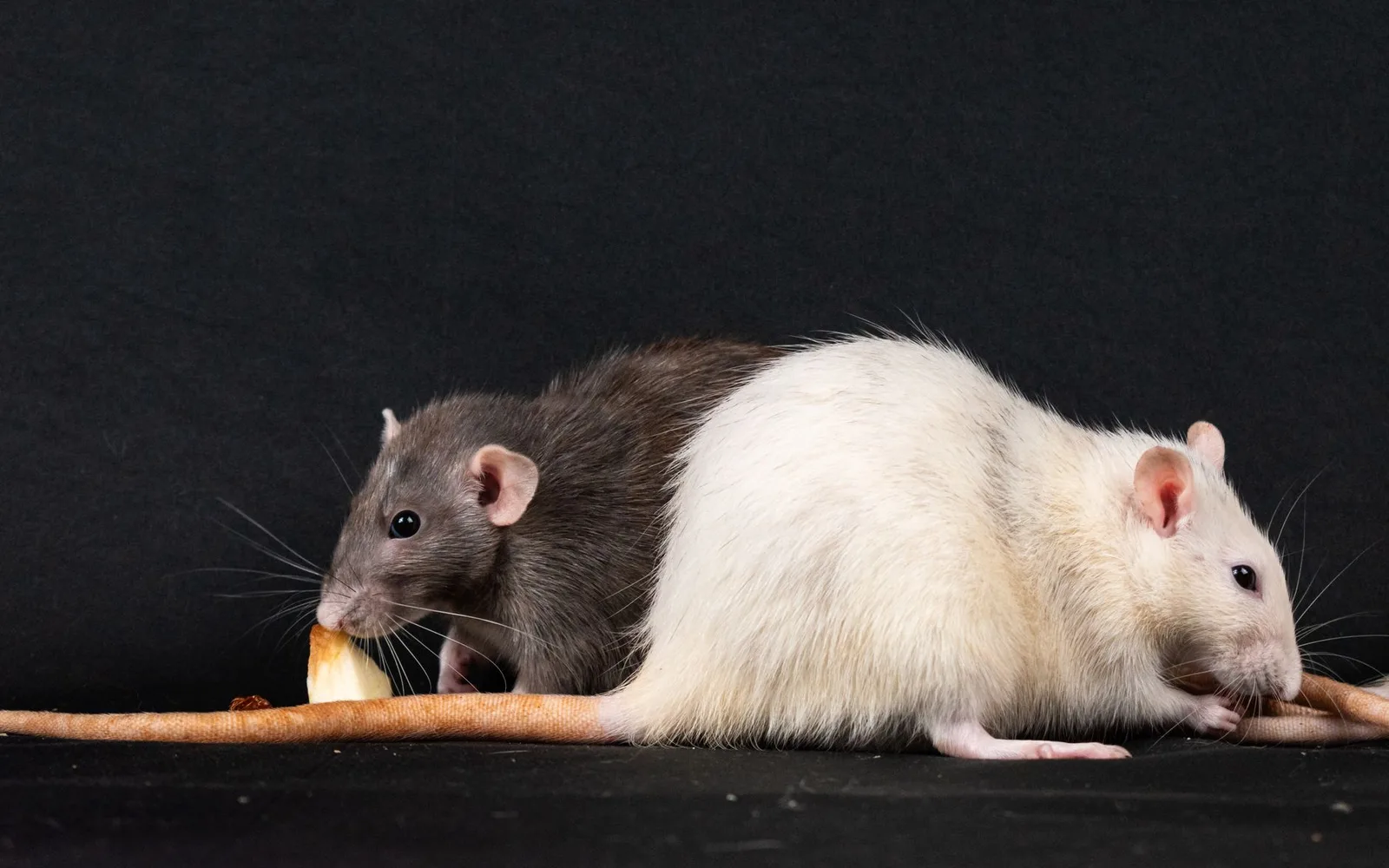
Rodents and mice in Al Judairiyah Al Jadid Makkah
Al Judairiyah Al Jadid is a new district south of Makkah, one of the Crown Prince schemes sited beside Al Ukayshiyah on Al Laith Road. Villas stand new among open plots and building sites, Wadi Uranah runs through the district and dries to damp silt, Jabal Al Raqid rises within it, and the southern Haram boundary marker stands at its edge. Rodents and reptiles shelter abundantly in stacked building materials and open foundation pits before construction finishes.
-
Targeted, not broadcast
Product goes into cracks and runways, never sprayed across open surfaces.
-
Told before we start
What we will use, where it goes, and what to cover or move before we arrive.
-
A follow-up visit
We return after the first treatment, because what survives it does not show on the day.
-
Homes and businesses
Apartments and villas, and kitchens and stores that need a record of each visit.
Why they keep coming back in Al Judairiyah Al Jadid
New villas on spacious vacant plots surrounded by open building sites mean rodents travel freely from the wadi beds and surrounding ground without natural barriers to slow their approach. The method is set out in full on how we approach Rodents and mice.
Wadi Uranah carries rodents and reptiles after heavy rain
Heavy rain brings flash floods from upstream in the mountains, carrying rodents and snakes down the wadi channel. As the ground dries, rodents disperse searching for new shelter and find new villas, open stores and uncapped water tanks. Treatment immediately after heavy rain is essential to reduce the incoming rodent population.
Jabal Al Raqid and the Haram marker offer no barrier to rodents
Natural hills and boundary markers do not block rodents. Rodents climb Jabal Al Raqid easily and approach from the south, and a boundary line means nothing to an animal. Treatment must focus on protecting villas and buildings, not on defending geographical lines.
Open foundations and rough floors offer temporary rodent shelter
The new villa has an exposed foundation, damp slab and incomplete walls. Beneath the slab and in gaps between stacked materials, rodents and scorpions shelter safely. Once the villa is finished, these shelters disappear, but before completion, protecting the site is very difficult.
The character of Al Judairiyah Al Jadid
New development: ongoing construction and vacant plots between the homes
A new development means that villas and buildings still have exposed floors and open foundations, so entry points are visible and easy to seal now before final finishes are in place, and this differs completely from finished neighbourhoods where openings are hidden behind walls and floors.
What we read in the building before any bait goes down
A new Crown Prince scheme on the Al Laith road south of Makkah beside Al Ukayshiyah, crossed by Wadi Uranah and its tributaries, ringed by hills such as Jabal Libna and the Kassab ridge.
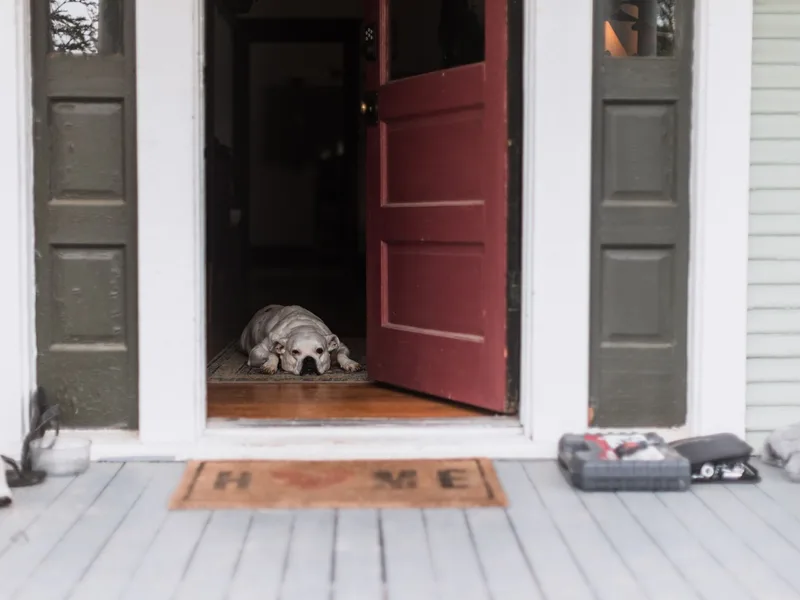
The gap under the door
The gap under new villa doors may be large because the foundation is unfinished and the door frame has not been set into a final level floor.
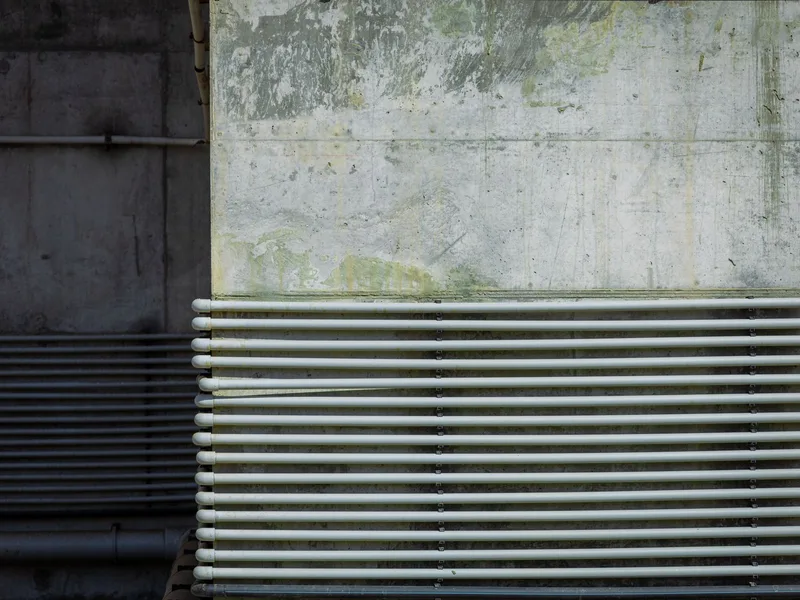
Pipe and conduit openings
Water, drainage and air conditioning pipes enter the villa from outside via wide unsealed gaps in the foundation slab.
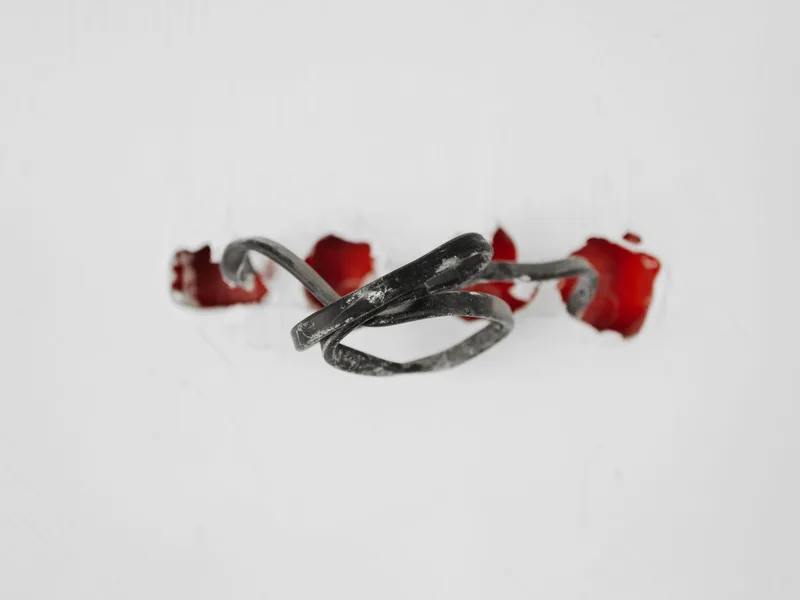
Gnaw marks
Gnaw marks on exposed electrical wires and stacked timber around the foundation show that rodents and reptiles have already scouted the site.
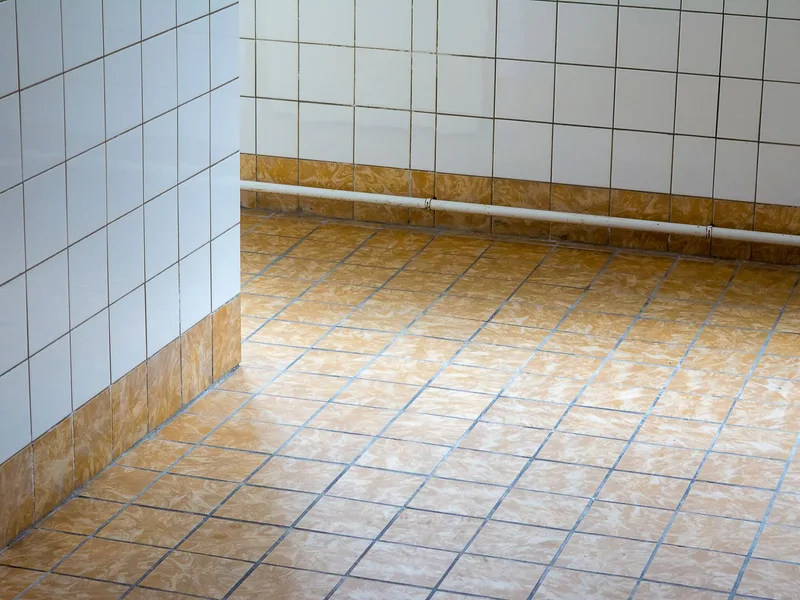
The run along the wall
The run along the wall starts from the large foundation gaps and extends across the rough concrete slab toward storage areas.
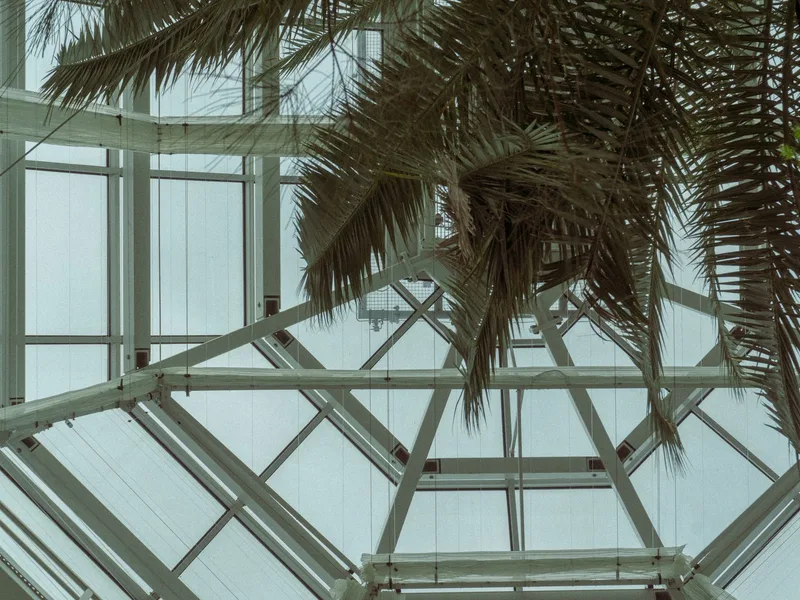
The route from above
The route from above uses uncapped pipe openings and exposed ducting before the ceiling and insulation are finished.
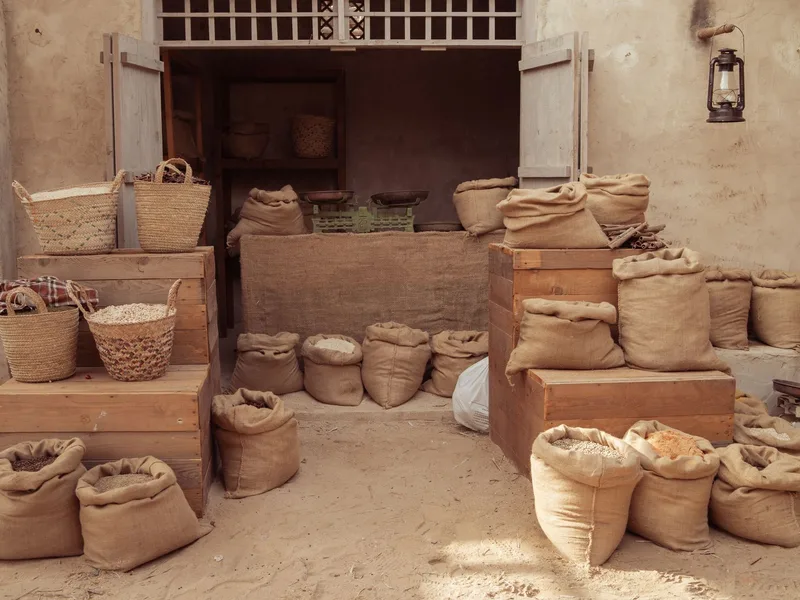
The water and the food on offer
Water is abundant from new pipes, small seepage and foundation dampness, and food is found in temporary storage and building debris.
How we work
-
1
Inspect and trace the runs
We work the perimeter, the kitchen, the store and the false ceiling, establish the species, the entry points and the water source, and mark the station positions before anything is carried in.
-
2
Close the openings
Metal mesh, mortar and base strips at the gaps, around pipe sleeves and at vents, because foam and silicone are gnawed through within days.
-
3
Secured bait and traps
Closed stations fixed on the runs outside the building, and traps rather than loose bait indoors, so that anything that dies stays somewhere we can reach.
-
4
The follow-up visit
We read the take at each station, replenish what has gone, remove anything found, and close any opening that showed itself once the movement settled.
What rodent control includes
-

Inspection and a station map
Entry points, runs and station positions recorded, so the same points are checked on every visit.
-

Sealing pipes and drains
Floor traps, pipe sleeves, vents and the air conditioning drain line, the routes that arrive from outside the unit.
-

Secured bait stations
Closed and fixed on the outside runs, out of reach of children and animals, while indoors we work with traps.
-

Treating the nest site
A rodent leaves parasites and nesting material behind, so the nest is removed and the void it sat in is treated.
-

Aftercare instructions
Stock lifted off the floor, droppings cleaned damp with disinfectant instead of swept dry, and pet bowls emptied at night.
-

A scheduled follow-up
A set date after the first visit: read the take, replenish the bait, remove anything found and close what is still open.
What is different about South Makkah Sub-Municipality
South Makkah sub municipality is the belt of Crown Prince schemes south of Al Ukayshiyah, along the Al Laith road and the extension of Ibrahim Al Khalil Road to the Fifth Ring Road and the Non Muslims bypass. Most of it is still bare: granted plots awaiting houses, new villas standing alone, open building sites and unfinished paving and drainage. Wadi Uranah and its tributaries cross the low ground and hold water after rain, hills close it in, and rodents, reptiles and scorpions shelter in stacked materials and foundation pits before the neighbourhoods fill up.
Questions about this district
Is treating one villa sufficient or must the entire district be treated at once?
Treating one villa and sealing its foundation stops rodents entering from outside, but vacant land around the district holds many rodents. Co ordinated treatment of the whole district is better, but during current construction, priority is protecting occupied villas.
Are the vast vacant plots the main source of rodents for the entire district?
Yes, vacant ground and open building sites provide shelter and food for many rodents. But the new villas themselves attract rodents because open foundations and gaps offer better shelter than bare ground.
Does ongoing construction ease or worsen the treatment difficulty?
Construction makes entry points and gaps visible, which helps, but stacked materials offer countless shelter pockets. Treating a single villa is possible, but treating the whole district amid active building is very difficult.
Does rodent entry increase sharply after heavy rainfall?
Yes, very much. Heavy rain carries rodents downstream from hills and upstream wadi beds, and as the ground dries they disperse searching for new shelter. Treatment immediately after heavy rain is very important.
Could a barrier built along the southern Haram boundary stop all rodents?
An effective barrier would be difficult to build and maintain across open hilly terrain like this. Focusing on protecting villas and buildings by completely sealing them is more practical than attempting to build and maintain a perimeter barrier.
Do Al Judairiyah Al Jadid Street and Wadi Uranah pose equal risk to the villas?
The street is a major entry point from the settled city nearby, and the wadi is the natural rodent source from hills and fields. Villas close to the wadi may need more frequent treatment, especially after rain.
How much does rodents and mice in Al Judairiyah Al Jadid cost?
It is set after the inspection, because the price follows the type of infestation, the size of the space, how far it has spread and the number of visits it needs. Send a photo and a description on WhatsApp and we will give you an estimate before we reach Al Judairiyah Al Jadid.
Nearby districts we cover
Other services in Al Judairiyah Al Jadid
Other services we provide to residents of Al Judairiyah Al Jadid.
-
 Residential
Cockroach control
Residential
Cockroach control
-
 Residential
Bed bug control
Residential
Bed bug control
-
 Residential
Termite control
Residential
Termite control
-
 Residential
Mosquito control
Residential
Mosquito control
-
 Residential
Fly control
Residential
Fly control
-
 Residential
Ant control
Residential
Ant control
-
 Residential
Gecko control
Residential
Gecko control
-
 Residential
Scorpion control
Residential
Scorpion control
-
 Residential
Snake control
Residential
Snake control
-
 Residential
Flea control
Residential
Flea control
-
 Residential
Bird and pigeon control
Residential
Bird and pigeon control
-
 Residential
Preventive treatment
Residential
Preventive treatment
-
 Residential
Disinfection
Residential
Disinfection
-
 Commercial
Annual contracts
Commercial
Annual contracts
-
 Commercial
Restaurants and cafes
Commercial
Restaurants and cafes
-
 Commercial
Hotels and apartments
Commercial
Hotels and apartments
-
 Commercial
Warehouses and factories
Commercial
Warehouses and factories
-
 Commercial
Schools and nurseries
Commercial
Schools and nurseries
-
 Commercial
Retail and malls
Commercial
Retail and malls
-
 Commercial
Rest houses and farms
Commercial
Rest houses and farms
-
 Commercial
Fumigation
Commercial
Fumigation
-
 Water tanks
Water tank cleaning
Water tanks
Water tank cleaning
-
 Water tanks
Water tank sterilization
Water tanks
Water tank sterilization
-
 Water tanks
Water tank sealing
Water tanks
Water tank sealing
-
 Water tanks
Tank leak repair
Water tanks
Tank leak repair
Need rodents and mice in Al Judairiyah Al Jadid? Tell us what you saw and we will tell you what it needs
We reach Al Judairiyah Al Jadid at a time we agree, and you get the full cost before we start.