
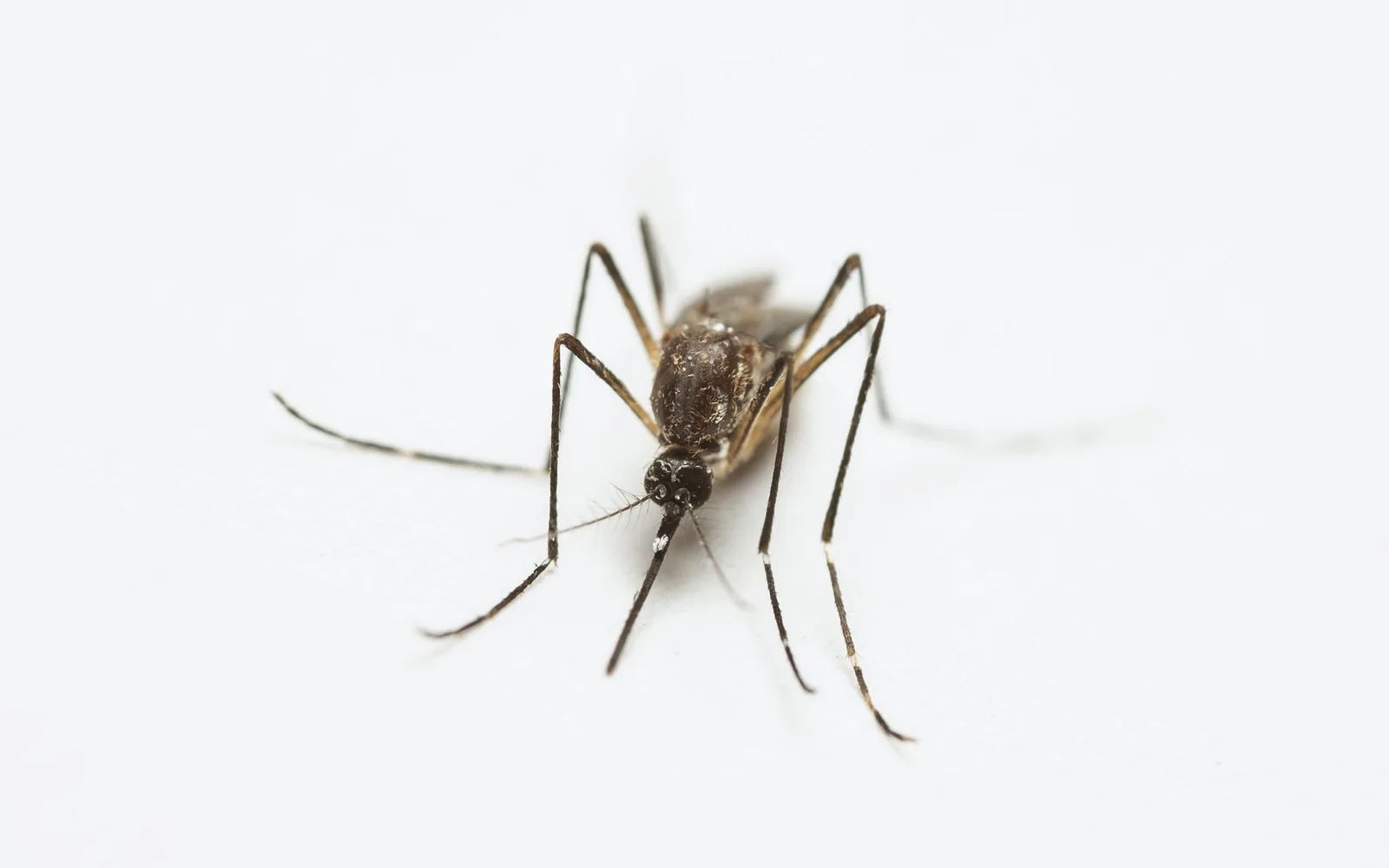
Mosquito control in Al Judairiyah Al Jadid Makkah
Al Judairiyah Al Jadid is one of the Crown Prince schemes in south Makkah beside Al Ukayshiyah, with new villas and residential plots strung along Al Judairiyah Al Jadid Street and vacant land scattered throughout. Wadi Uranah cuts through the scheme leaving standing water after rain, and ongoing construction, excavations and stacked materials create conditions entirely unlike completed neighbourhoods. Treatment targets temporary water sources and exposed ground.
-
Targeted, not broadcast
Product goes into cracks and runways, never sprayed across open surfaces.
-
Told before we start
What we will use, where it goes, and what to cover or move before we arrive.
-
A follow-up visit
We return after the first treatment, because what survives it does not show on the day.
-
Homes and businesses
Apartments and villas, and kitchens and stores that need a record of each visit.
Why they keep coming back in Al Judairiyah Al Jadid
Emerging mosquitoes here differ from old Makkah quarters: open terrain, bare ground and construction pits produce rapid-cycle temporary species before infrastructure completes and the district fills. The method is set out in full on our Mosquito control service.
Wadi Uranah and tributaries supply seasonal water in volume
The wadi and small tributary channels collect water after every rain, and hollows and old excavations round the wadi hold water for weeks. This seasonal abundance produces thousands of mosquitoes before it dries.
Bare ground and excavations are quick temporary sources
Building pits and road trenches and foundation excavations become water reservoirs with ease, and mosquitoes complete their cycle in a week or two before pits are filled or dry out.
Stacked materials and raised earth
Building materials, raised soil and stacked gravel at every site trap water in their voids, becoming permanent incubation zones throughout construction phases until materials are removed.
The character of Al Judairiyah Al Jadid
New development: ongoing construction and vacant plots between the homes
A new scheme means mosquito sources are unstable and change rapidly, but they are entirely unlike completed neighbourhoods. Treatment focuses on individual building sites and temporary excavations rather than finished villas alone.
Standing water and shade decide the method
Wadi Uranah and its channels cross the scheme, Jabal Al Raqid rises within it, the southern Haram boundary marker sits at the edge, and exposed ground and excavations hold standing water.
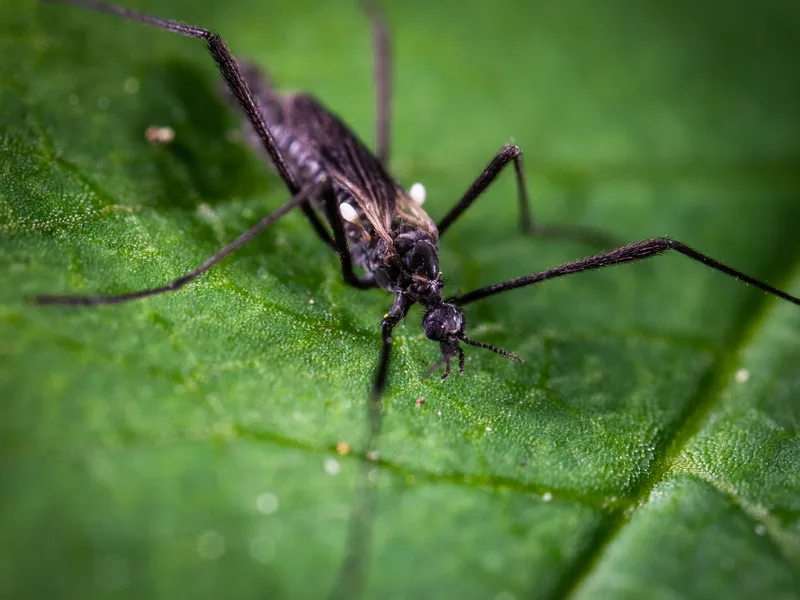
The daytime biter
Daytime mosquitoes in Al Judairiyah Al Jadid shelter in young grass and wild plants on exposed ground, and night dew and shade from this vegetation provide refuge.
The one that comes out after sunset
Night-active mosquitoes emerge from excavations, underground gaps and dry wadi channels, becoming active at dusk in open areas where moisture runs high.
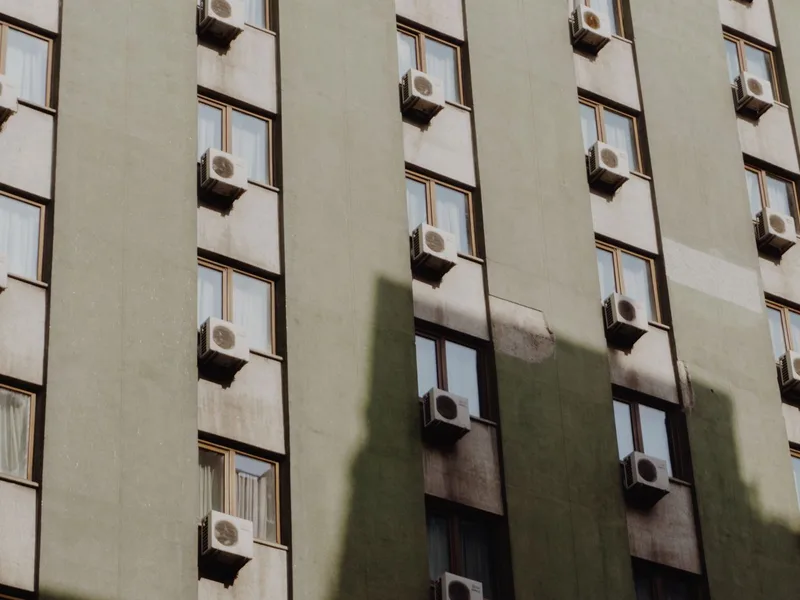
Air-conditioning condensate
New villa air conditioning discharges water onto bare soil and young gardens, and this clean supply pools in small depressions in ground that has not yet stabilised.
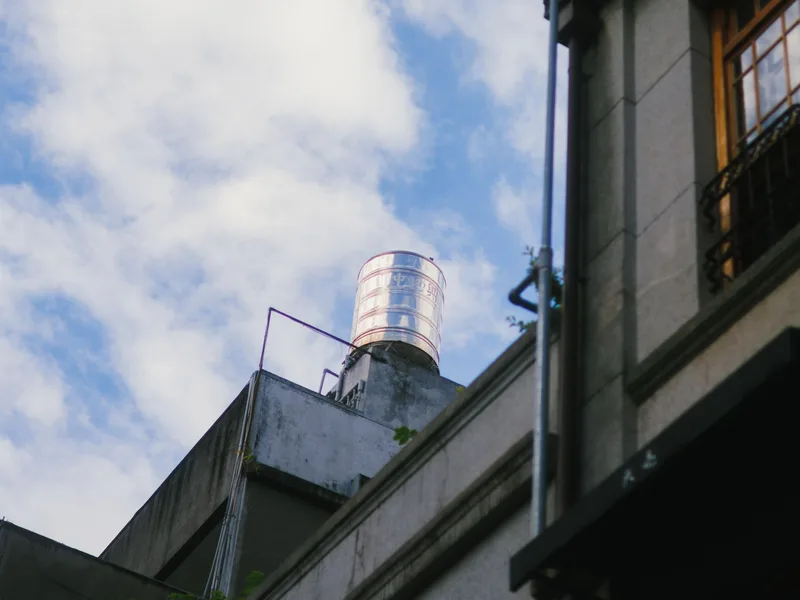
The tank and its openings
Water tanks may sit exposed during ongoing construction, and gaps and passages round the cover allow easy entry before final installation and sealing.
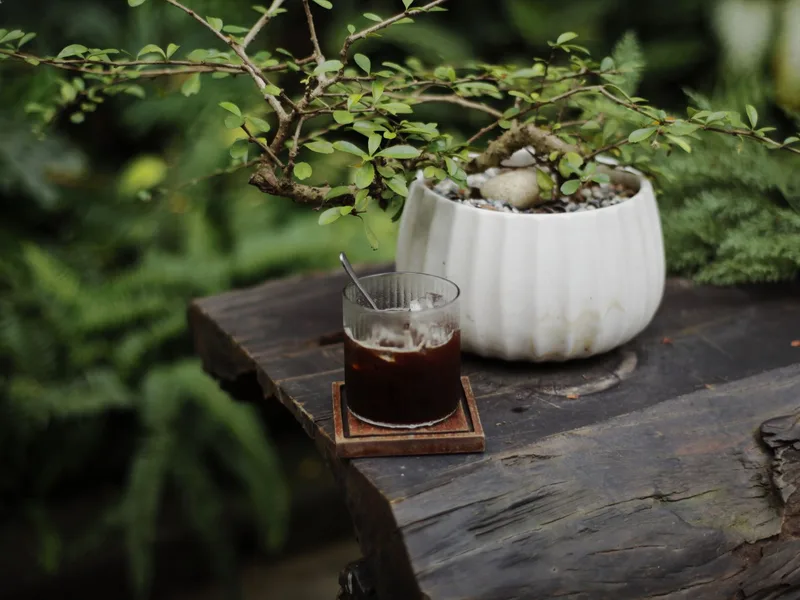
Garden containers and irrigation
Temporary irrigation and taps on new ground collect water readily, and persistent moisture in fresh soil and young plants provides standing water everywhere.
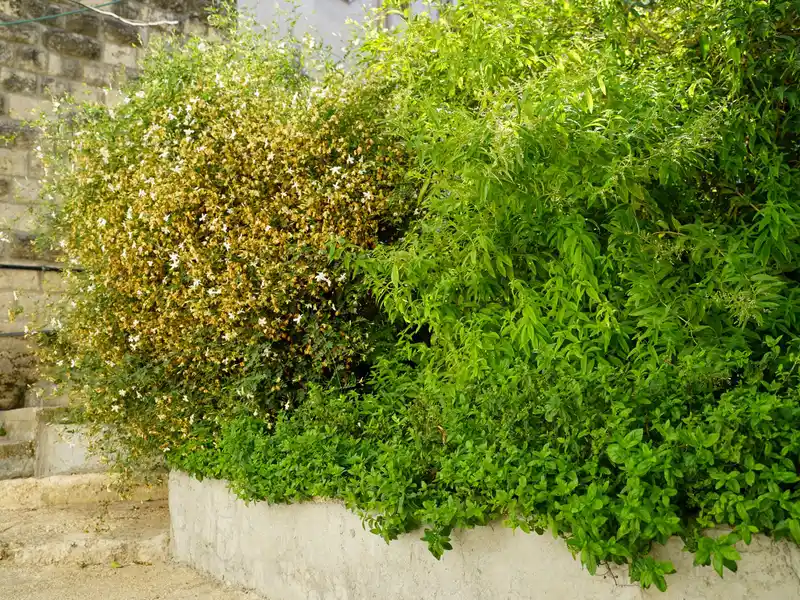
The shade it rests in
Shade under wild plants and in open excavations provides mosquito day refuge, and moisture in new soil keeps them alive throughout daylight without rapid drying.
How we work
-
1
Inspect and map the water
We walk the perimeter, the roof, the garden, the meter chambers and the condensate runs, record everything that holds water, and read the species from the breeding site and the time of biting.
-
2
Remove the water that can go
Empty, invert, cover: saucers, containers, old tyres and roof gullies. Every point that disappears is a treatment that never needs repeating.
-
3
Larval treatment, then the resting surfaces
Water that cannot be drained is treated so the larva never completes, then a residual goes under planting, beneath outdoor furniture and along low shaded walls.
-
4
The follow-up visit
We come back once the generation that was in the water on the first visit has completed, review every point we recorded and re-treat where needed.
What mosquito control includes
-

A recorded water survey
Roof, perimeter, garden, meter chambers and condensate lines, written down before anything is applied.
-

Draining and covering the sources
Emptying what can be emptied, draining what can be drained, and covering what has to stay full.
-

Larval treatment for the water that stays
For ground tanks, inspection chambers, water features and any permanent water that has to remain.
-

A residual on the resting places
Under trees and shrubs, beneath outdoor furniture and on shaded walls, where the adult sits out the day.
-

Aftercare instructions
What stays inverted, what gets covered, which openings need mesh, and when watering goes back to normal.
-

A scheduled follow-up
A set date after the first treatment, with every recorded water point reviewed and re-treated if the water came back.
What is different about South Makkah Sub-Municipality
South Makkah sub municipality is the belt of Crown Prince schemes south of Al Ukayshiyah, along the Al Laith road and the extension of Ibrahim Al Khalil Road to the Fifth Ring Road and the Non Muslims bypass. Most of it is still bare: granted plots awaiting houses, new villas standing alone, open building sites and unfinished paving and drainage. Wadi Uranah and its tributaries cross the low ground and hold water after rain, hills close it in, and rodents, reptiles and scorpions shelter in stacked materials and foundation pits before the neighbourhoods fill up.
Questions about this district
Is Wadi Uranah a major mosquito source for Al Judairiyah Al Jadid?
Yes, the wadi and tributary channels supply abundant water after rain, and hollows round it hold water for weeks. Mosquitoes breed rapidly in this seasonal abundance.
Do excavations and open ground create special mosquito conditions?
Yes, pits provide water, shade and wind protection, and mosquitoes complete their cycle quickly before pits are filled or dry. Each construction site needs separate treatment.
When is mosquito activity at its peak in Al Judairiyah Al Jadid?
Immediately after rain when the wadi and pits fill, and breeding accelerates rapidly during this window. Activity may persist for weeks after each rain event.
Do I need special treatment before moving into the new villa?
Yes, we recommend strong initial treatment of the entire building site and surroundings a month before you move in, then periodic treatment until infrastructure is complete.
Is vacant land round the villa a real mosquito problem?
Yes, unbuild plots provide water and vegetation, and mosquitoes move easily from surrounding land into the villa. Complete surroundings treatment is needed for effective protection.
Are the southern Haram markers close to the scheme?
Yes, the southern Haram boundary marker stands at the scheme edge, and this region may be an additional mosquito source from uninhabited external areas.
How much does mosquito control in Al Judairiyah Al Jadid cost?
It is set after the inspection, because the price follows the type of infestation, the size of the space, how far it has spread and the number of visits it needs. Send a photo and a description on WhatsApp and we will give you an estimate before we reach Al Judairiyah Al Jadid.
Nearby districts we cover
Other services in Al Judairiyah Al Jadid
Other services we provide to residents of Al Judairiyah Al Jadid.
-
 Residential
Cockroach control
Residential
Cockroach control
-
 Residential
Bed bug control
Residential
Bed bug control
-
 Residential
Termite control
Residential
Termite control
-
 Residential
Rodents and mice
Residential
Rodents and mice
-
 Residential
Fly control
Residential
Fly control
-
 Residential
Ant control
Residential
Ant control
-
 Residential
Gecko control
Residential
Gecko control
-
 Residential
Scorpion control
Residential
Scorpion control
-
 Residential
Snake control
Residential
Snake control
-
 Residential
Flea control
Residential
Flea control
-
 Residential
Bird and pigeon control
Residential
Bird and pigeon control
-
 Residential
Preventive treatment
Residential
Preventive treatment
-
 Residential
Disinfection
Residential
Disinfection
-
 Commercial
Annual contracts
Commercial
Annual contracts
-
 Commercial
Restaurants and cafes
Commercial
Restaurants and cafes
-
 Commercial
Hotels and apartments
Commercial
Hotels and apartments
-
 Commercial
Warehouses and factories
Commercial
Warehouses and factories
-
 Commercial
Schools and nurseries
Commercial
Schools and nurseries
-
 Commercial
Retail and malls
Commercial
Retail and malls
-
 Commercial
Rest houses and farms
Commercial
Rest houses and farms
-
 Commercial
Fumigation
Commercial
Fumigation
-
 Water tanks
Water tank cleaning
Water tanks
Water tank cleaning
-
 Water tanks
Water tank sterilization
Water tanks
Water tank sterilization
-
 Water tanks
Water tank sealing
Water tanks
Water tank sealing
-
 Water tanks
Tank leak repair
Water tanks
Tank leak repair
Need mosquito control in Al Judairiyah Al Jadid? Tell us what you saw and we will tell you what it needs
We reach Al Judairiyah Al Jadid at a time we agree, and you get the full cost before we start.