
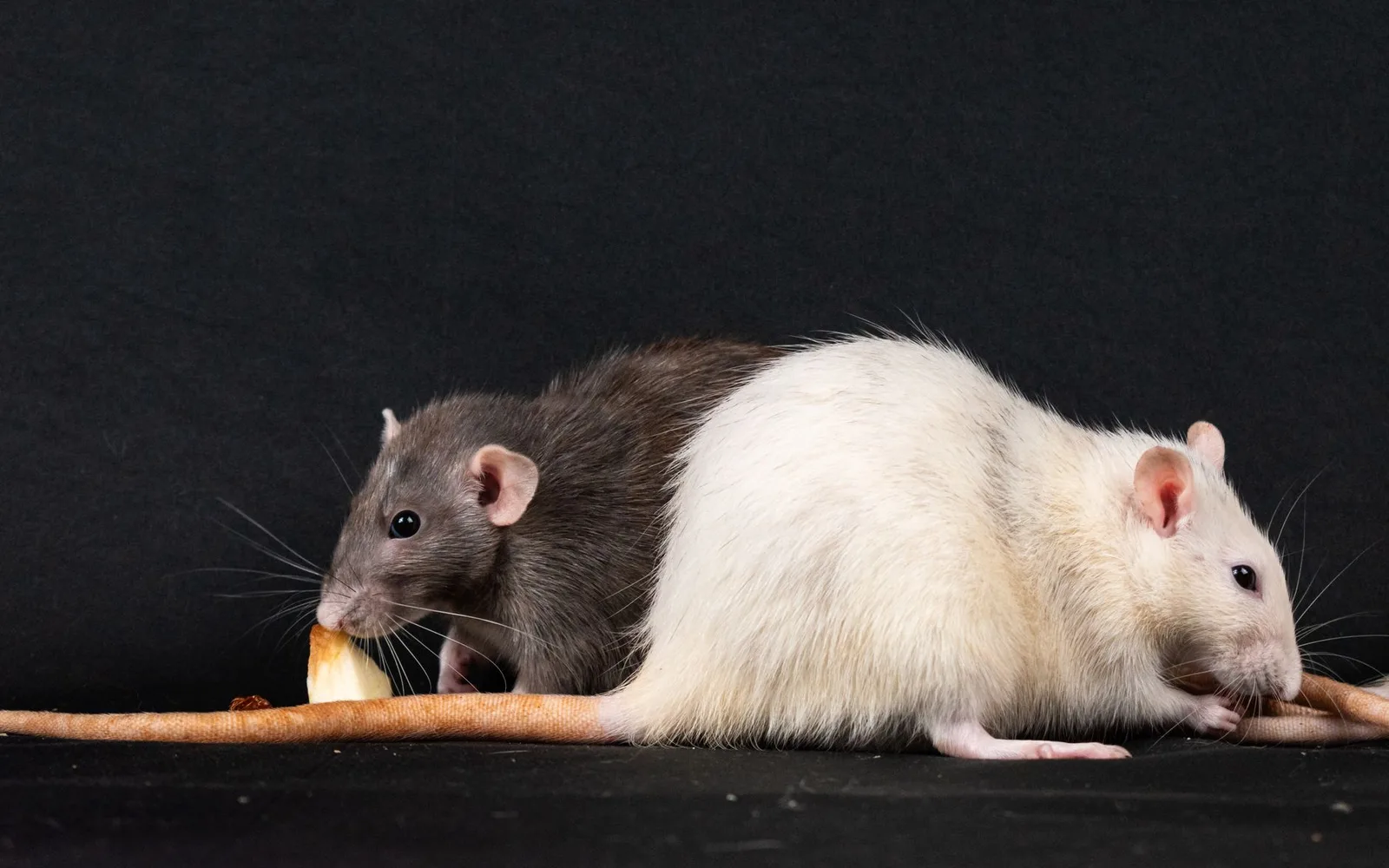
Rodents and mice in Al Jumayzah Makkah
Al Jumayzah is a compact district near the Grand Mosque built around apartment blocks and small hotels that house constant Umrah visitor flows, set on slightly higher ground overlooking Al Mualla cemetery. The density of occupancy and rapid tenant turnover mean rodents here move between flats far faster than in stable residential districts elsewhere.
-
Targeted, not broadcast
Product goes into cracks and runways, never sprayed across open surfaces.
-
Told before we start
What we will use, where it goes, and what to cover or move before we arrive.
-
A follow-up visit
We return after the first treatment, because what survives it does not show on the day.
-
Homes and businesses
Apartments and villas, and kitchens and stores that need a record of each visit.
Why they keep coming back in Al Jumayzah
Rapid turnover of residents and changing household contents and standards between flats mean rodents reassess their environment nearly every occupancy cycle, making behaviour patterns unpredictable. The method is set out in full on how we approach Rodents and mice.
Shared entrance halls and internal corridors
Residential blocks with communal stairways and hallways offer linear pathways that rodents traverse between multiple flats. Detached houses have limited entry routes, but in blocks like these rodents use internal stairs and passages rather than exiting and re-entering from outside.
Small hotels with fluctuating guest stores
Small Umrah hotels maintain larger food stocks than standard residential flats, and guests change weekly or fortnightly. Rodent activity patterns and evidence shift rapidly, making inspection findings obsolete quickly.
Proximity to Al Mualla cemetery on ancient ground
The district sits at slightly higher elevation above Al Mualla cemetery on very old soil, which means the ground around foundations contains ancient established burrows and passages created over centuries, offering natural stable corridors for rodents.
Al Jumayzah on the map
Al Jumayzah sits about 1.5 km from Al Maabdah and about 1.5 km from Rai Adhakhir.
Open in Google MapsWhat we read in the building before any bait goes down
Tightly packed residential buildings with shared stairways and corridors provide single-route pathways that rodents exploit between units, while the rotating guest population brings varied food sources with each seasonal change.
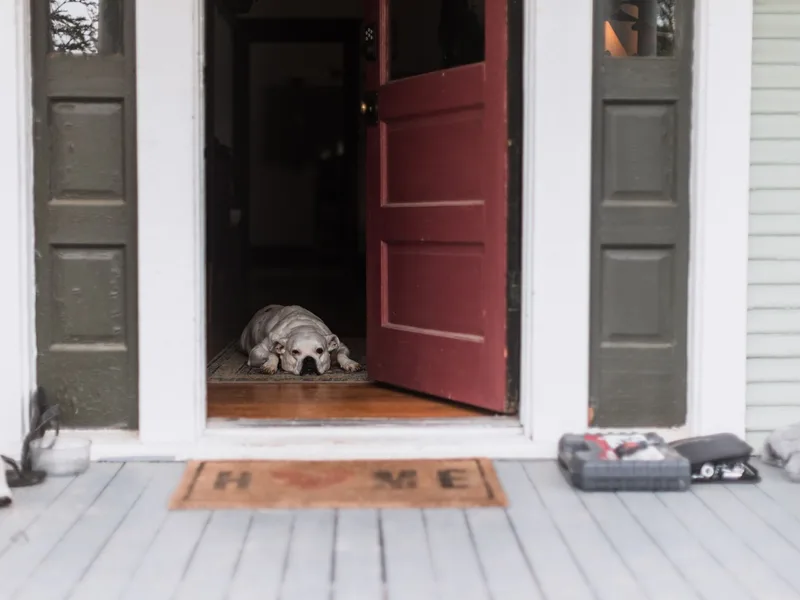
The gap under the door
Gaps under doors in small hotels widen from repeated door use and humidity from shared bathrooms, making seals difficult.
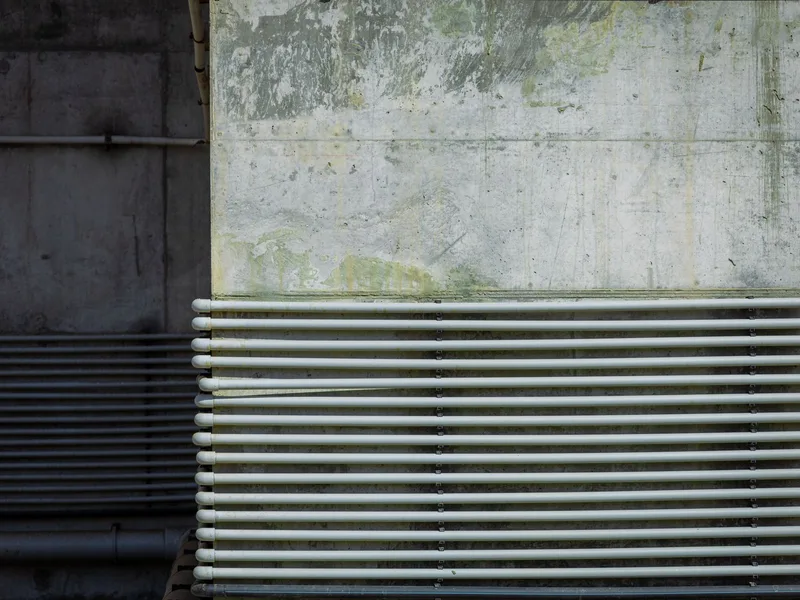
Pipe and conduit openings
Pipe and conduit openings between neighbouring flats provide direct passages, and hurried installation leaves large gaps.
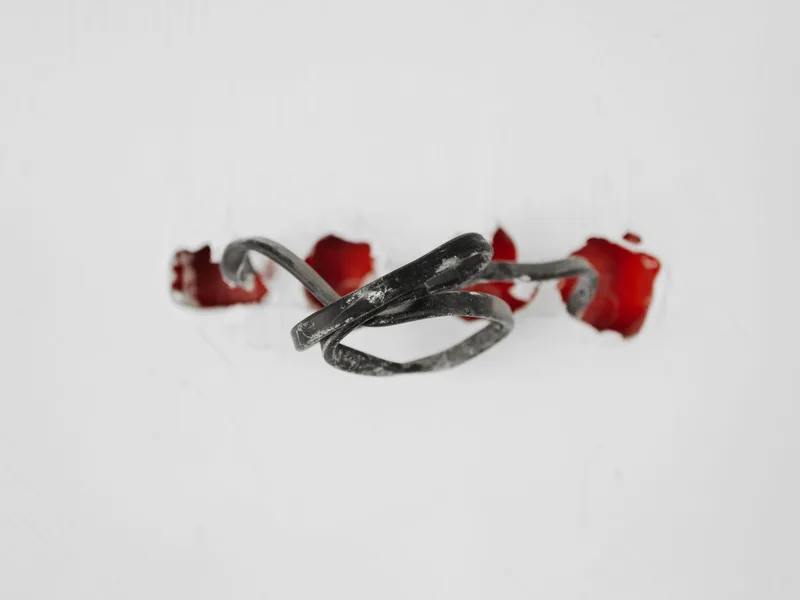
Gnaw marks
Gnaw marks on rented furniture and cardboard boxes appear quickly but may be removed before inspection reveals them.
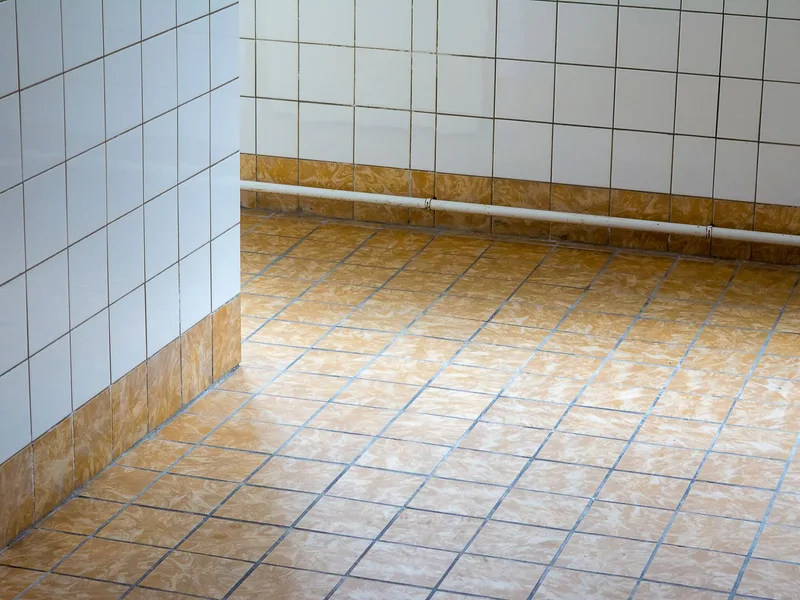
The run along the wall
The run along shared walls follows passages between flats, and rodents exploit damp spots from leaking shared pipework.
The route from above
Routes overhead through shared ceiling voids, drains and ancient communal sewerage provide highly secure passages.
The water and the food on offer
Water and food are continuously available from permanent guests, shared kitchens and waste accumulated in communal bins.
How we work
-
1
Inspect and trace the runs
We work the perimeter, the kitchen, the store and the false ceiling, establish the species, the entry points and the water source, and mark the station positions before anything is carried in.
-
2
Close the openings
Metal mesh, mortar and base strips at the gaps, around pipe sleeves and at vents, because foam and silicone are gnawed through within days.
-
3
Secured bait and traps
Closed stations fixed on the runs outside the building, and traps rather than loose bait indoors, so that anything that dies stays somewhere we can reach.
-
4
The follow-up visit
We read the take at each station, replenish what has gone, remove anything found, and close any opening that showed itself once the movement settled.
What rodent control includes
-

Inspection and a station map
Entry points, runs and station positions recorded, so the same points are checked on every visit.
-

Sealing pipes and drains
Floor traps, pipe sleeves, vents and the air conditioning drain line, the routes that arrive from outside the unit.
-

Secured bait stations
Closed and fixed on the outside runs, out of reach of children and animals, while indoors we work with traps.
-

Treating the nest site
A rodent leaves parasites and nesting material behind, so the nest is removed and the void it sat in is treated.
-

Aftercare instructions
Stock lifted off the floor, droppings cleaned damp with disinfectant instead of swept dry, and pet bowls emptied at night.
-

A scheduled follow-up
A set date after the first visit: read the take, replenish the bait, remove anything found and close what is still open.
The character of Al Jumayzah
Apartment district: residential blocks, repeated floors and shared entrances
In an apartment district with small hotels, rodents do not stay confined to one flat but migrate between multiple units and hotels in the same building. Treatment targets the shared corridors and inter-unit passages, not each flat in isolation.
Questions about this district
Is it safe to place bait in a room occupied by Umrah guests?
Yes, the bait used in small hotels is safe around occupants, but we place it in locked stations away from sleeping areas and food preparation. Guests must be informed about the stations before arrival.
Is treating one flat sufficient or must every flat in the block be treated?
Treating a single flat is incomplete in attached blocks. Rodents move through shared corridors and wall cavities between units. We coordinate treatment of all affected flats simultaneously to prevent escape to untreated neighbours.
How do we treat rodents without disrupting current guests?
We emphasise external barriers and outdoor traps first, and only place internal bait in locked stations during light occupancy periods. We schedule treatment around guest changeover days.
Why do rodent numbers peak just before the Umrah season?
Anticipation of new guests with their food stores and household goods attracts rodents from surrounding areas. We begin treatment several weeks before peak seasons.
Do wall cavities between adjacent flats provide safe rodent corridors?
Yes, gaps between adjoining walls and around shared pipes are the main pathways. We focus on sealing these points both externally and internally to block migration.
Can a single rodent visit multiple flats in one night?
An active rodent may traverse three or four flats in a single night. This underlines why the entire building must be treated as one unit rather than flat by flat.
How much does rodents and mice in Al Jumayzah cost?
It is set after the inspection, because the price follows the type of infestation, the size of the space, how far it has spread and the number of visits it needs. Send a photo and a description on WhatsApp and we will give you an estimate before we reach Al Jumayzah.
Nearby districts we cover
Other services in Al Jumayzah
Other services we provide to residents of Al Jumayzah.
-
 Residential
Cockroach control
Residential
Cockroach control
-
 Residential
Bed bug control
Residential
Bed bug control
-
 Residential
Termite control
Residential
Termite control
-
 Residential
Mosquito control
Residential
Mosquito control
-
 Residential
Fly control
Residential
Fly control
-
 Residential
Ant control
Residential
Ant control
-
 Residential
Gecko control
Residential
Gecko control
-
 Residential
Scorpion control
Residential
Scorpion control
-
 Residential
Snake control
Residential
Snake control
-
 Residential
Flea control
Residential
Flea control
-
 Residential
Bird and pigeon control
Residential
Bird and pigeon control
-
 Residential
Preventive treatment
Residential
Preventive treatment
-
 Residential
Disinfection
Residential
Disinfection
-
 Commercial
Annual contracts
Commercial
Annual contracts
-
 Commercial
Restaurants and cafes
Commercial
Restaurants and cafes
-
 Commercial
Hotels and apartments
Commercial
Hotels and apartments
-
 Commercial
Warehouses and factories
Commercial
Warehouses and factories
-
 Commercial
Schools and nurseries
Commercial
Schools and nurseries
-
 Commercial
Retail and malls
Commercial
Retail and malls
-
 Commercial
Rest houses and farms
Commercial
Rest houses and farms
-
 Commercial
Fumigation
Commercial
Fumigation
-
 Water tanks
Water tank cleaning
Water tanks
Water tank cleaning
-
 Water tanks
Water tank sterilization
Water tanks
Water tank sterilization
-
 Water tanks
Water tank sealing
Water tanks
Water tank sealing
-
 Water tanks
Tank leak repair
Water tanks
Tank leak repair
Need rodents and mice in Al Jumayzah? Tell us what you saw and we will tell you what it needs
We reach Al Jumayzah at a time we agree, and you get the full cost before we start.