
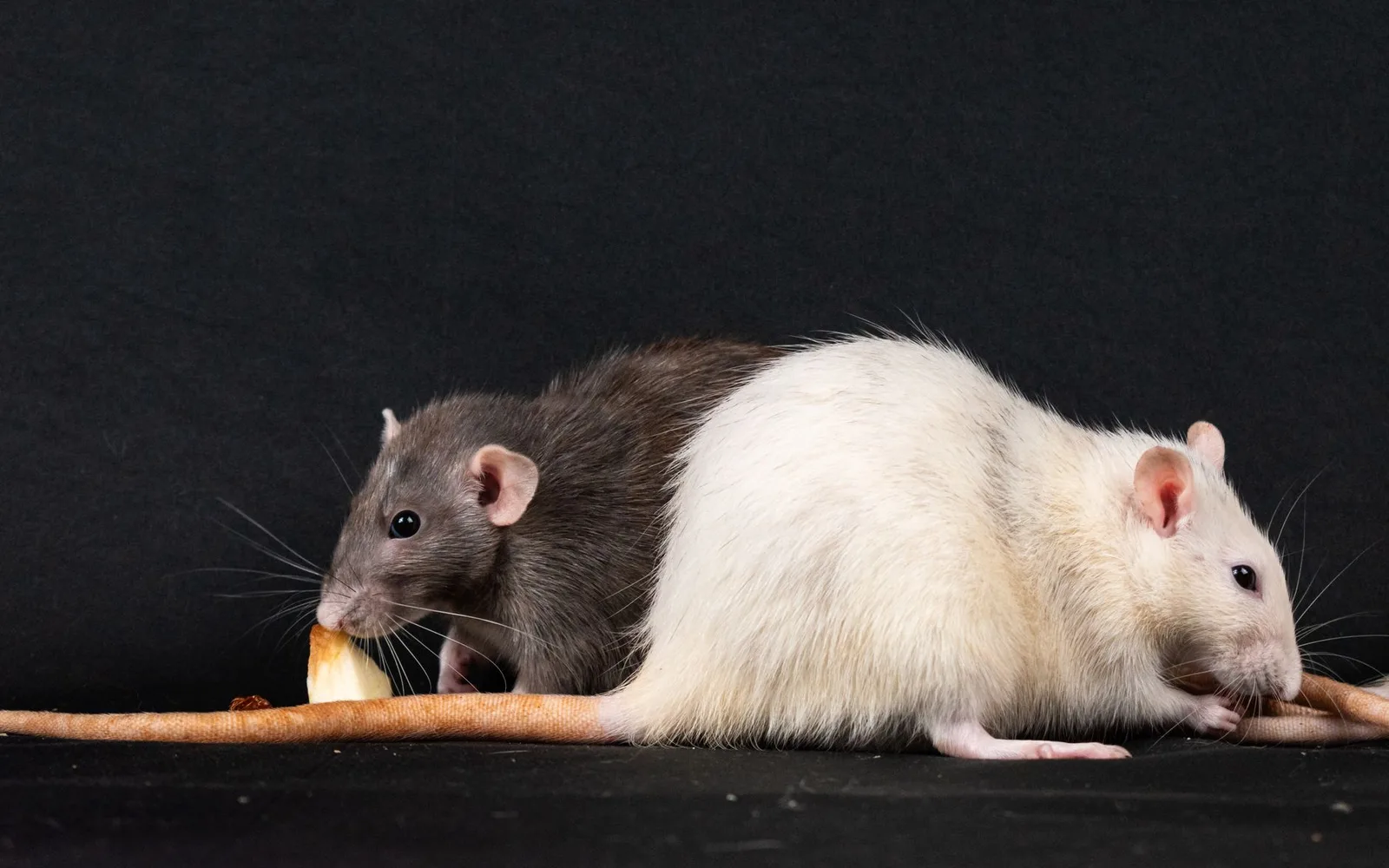
Rodents and mice in Al Khalidiyah Makkah
Al Khalidiyah is a south western district between Al Hindawiyah and Al Shawqiyah, with land grant plots and traditional houses scattered among unplanned vacant land. Small public gardens and quiet residential streets offer space and calm away from central crowds. Mixed shops and flats mean rodents move easily between commerce and home. Wide unplanned land provides shelter for rodents before they enter buildings. The Third Ring Road is close, bringing commercial traffic and waste. Small public gardens supply water and natural food within walking distance of homes.
-
Targeted, not broadcast
Product goes into cracks and runways, never sprayed across open surfaces.
-
Told before we start
What we will use, where it goes, and what to cover or move before we arrive.
-
A follow-up visit
We return after the first treatment, because what survives it does not show on the day.
-
Homes and businesses
Apartments and villas, and kitchens and stores that need a record of each visit.
Why they keep coming back in Al Khalidiyah
Wide vacant land provides natural nesting sites for rodents away from predators. Public gardens raise humidity around neighbouring buildings by regular watering and landscape irrigation. The method is set out in full on Rodents and mice in detail.
Unplanned vacant land shelters large populations
Wide stretches of unbuilt land provide safe nesting far from predators. Rodents build burrows here and search buildings nearby for better food when hungry. The open space is their reservoir and base.
Public gardens supply water and food year round
Small parks have automated or manual irrigation. Plants provide seeds and natural growth. Rodents settle beside gardens and enter nearby homes at night seeking better food than landscaping alone offers.
Scattered flats and villas between the open spaces
Buildings are spread out because of the vacant land. Rodents find it easy to move in and out. Treating one house alone may not stop rodents arriving from the building next door.
Landmarks of Al Khalidiyah
The district sits between the Third and Second Ring Roads, bounded by Ibrahim Al Khalil Street and Prince Mansour Street. Work here requires understanding how vacant land and parks create safe corridors for rodents from open terrain into the scattered homes along these streets.
- Third Ring Road
- Second Ring Road
- Ibrahim Al Khalil Street
- Prince Mansour Street
What we read in the building before any bait goes down
Scattered land grant plots and traditional houses on partly unplanned land, with a handful of small public gardens and quiet lanes between. The vacant unplanned zones provide natural shelter before rodents move to buildings.
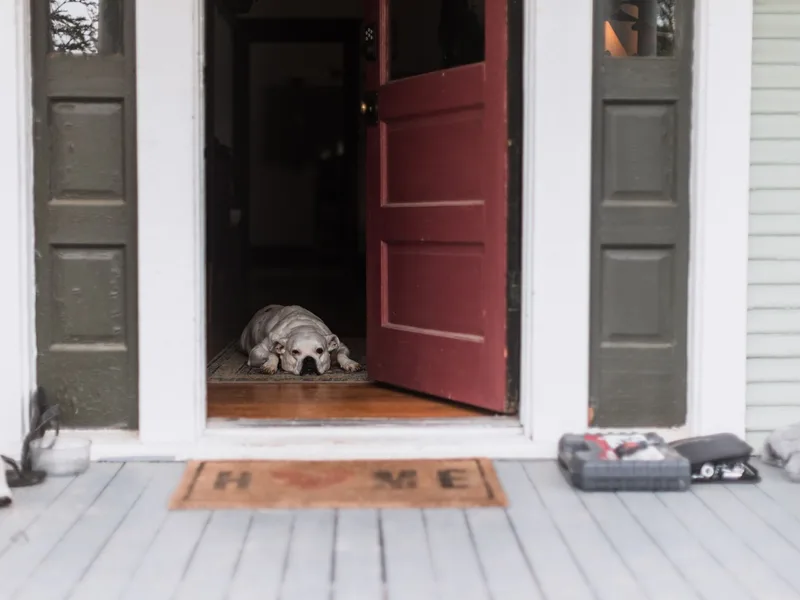
The gap under the door
Rodents enter through gaps under doors and cracks in the base where soft vacant soil makes digging easy.
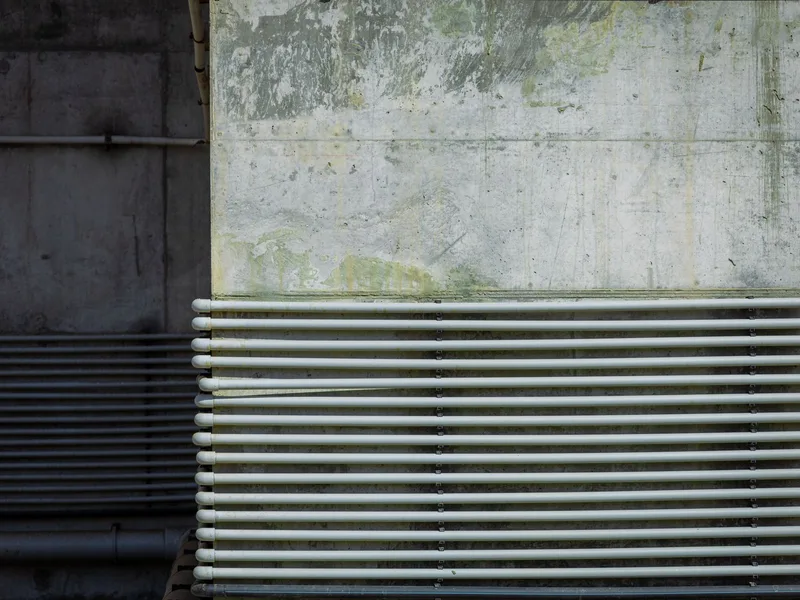
Pipe and conduit openings
Pipe openings in walls and foundations are oversized because building is gradual and incomplete, with work spreading across the unplanned area.
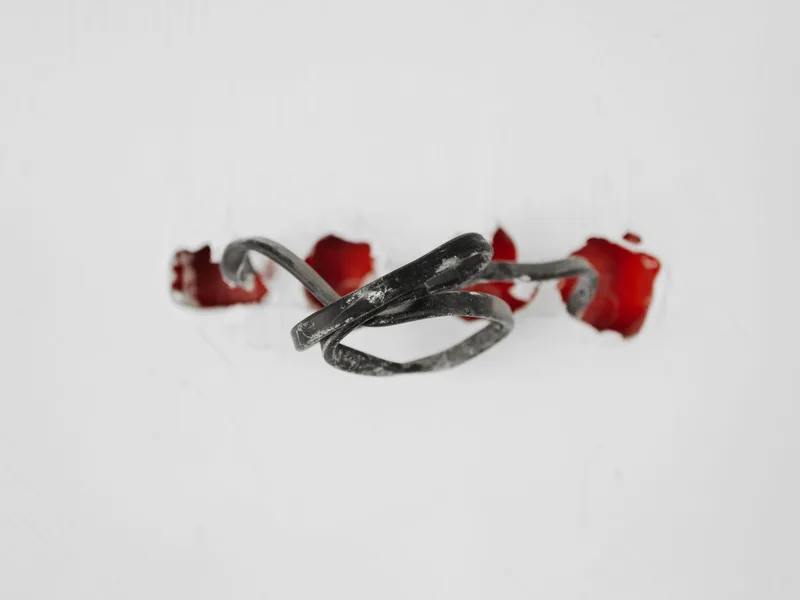
Gnaw marks
Evidence appears as gnawed food, seeds and grain in stores. Rodents dig beneath the foundation and leave droppings near entry gaps.
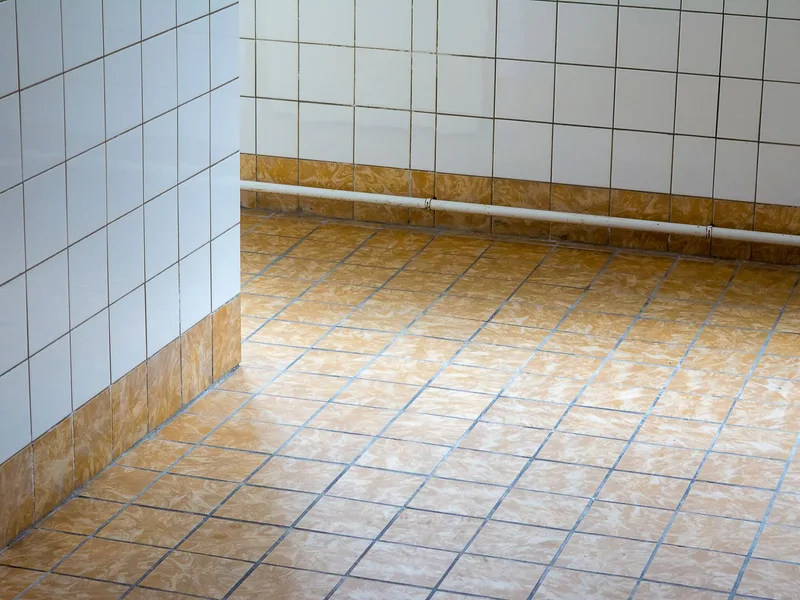
The run along the wall
Runs from the vacant land towards building gaps are visible as worn tracks on soft ground leading to foundation cracks.
The route from above
Pipes through floors and walls provide safe passage. Rodents enter via ventilation and drain openings shared between neighbouring houses.
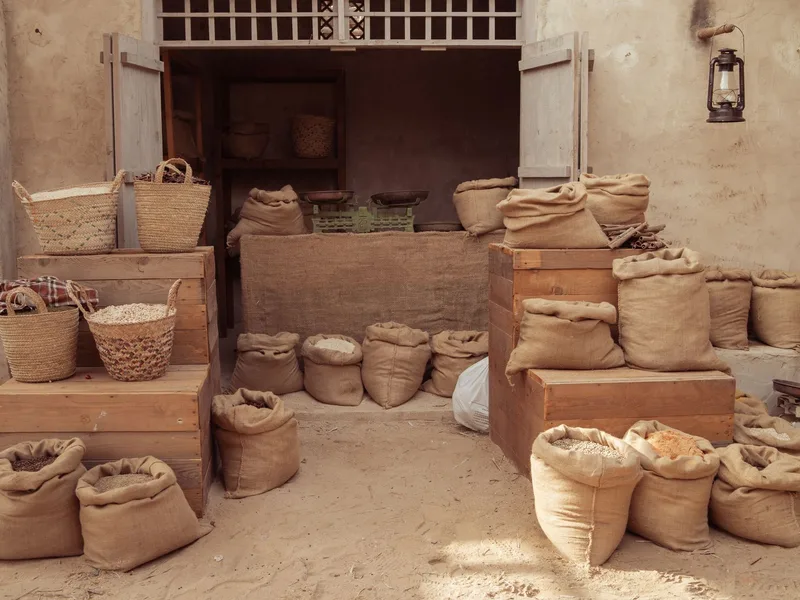
The water and the food on offer
Water from garden irrigation and nearby spray provides drinking water year round. Rodents drink from water pooling at foundation edges.
How we work
-
1
Inspect and trace the runs
We work the perimeter, the kitchen, the store and the false ceiling, establish the species, the entry points and the water source, and mark the station positions before anything is carried in.
-
2
Close the openings
Metal mesh, mortar and base strips at the gaps, around pipe sleeves and at vents, because foam and silicone are gnawed through within days.
-
3
Secured bait and traps
Closed stations fixed on the runs outside the building, and traps rather than loose bait indoors, so that anything that dies stays somewhere we can reach.
-
4
The follow-up visit
We read the take at each station, replenish what has gone, remove anything found, and close any opening that showed itself once the movement settled.
What rodent control includes
-

Inspection and a station map
Entry points, runs and station positions recorded, so the same points are checked on every visit.
-

Sealing pipes and drains
Floor traps, pipe sleeves, vents and the air conditioning drain line, the routes that arrive from outside the unit.
-

Secured bait stations
Closed and fixed on the outside runs, out of reach of children and animals, while indoors we work with traps.
-

Treating the nest site
A rodent leaves parasites and nesting material behind, so the nest is removed and the void it sat in is treated.
-

Aftercare instructions
Stock lifted off the floor, droppings cleaned damp with disinfectant instead of swept dry, and pet bowls emptied at night.
-

A scheduled follow-up
A set date after the first visit: read the take, replenish the bait, remove anything found and close what is still open.
What is different about Al Misfalah Sub-Municipality
Al Misfalah sub municipality runs downhill from the south of the Grand Mosque through Al Misfalah, Kudai and Al Rawabi to Al Taqwa, Al Hindawiyah, Al Khalidiyah and Al Rusayfah at the third ring road. The northern end is old apartment blocks and pilgrim hotels with restaurants along Ibrahim Al Khalil Street and the huge coach parks at Kudai. The south and west are dense popular districts with countless small shops and unplanned hillside housing, some of it already cleared for redevelopment, giving way to orderly land grant schemes in Al Rusayfah beside the railway station.
Questions about this district
Is the vast vacant land the main source of rodents for the whole district?
Partly. The vacant land provides safe shelter and rodents breed here in large numbers. But food from homes and gardens is what brings them close. Vacant land alone without nearby food would not support large populations.
Are the small public parks responsible for rodents, or just a shelter?
Parks provide water, natural food and shelter. Rodents settle beside them because of these benefits. Reducing garden watering and tending vegetation reduces rodents in nearby homes.
Is treating one home enough, or must the vacant land and parks be treated too?
Treating one house may quiet activity temporarily. But rodents from the vacant land will return because shelter and water remain. Coordination with neighbouring homes and nearby gardens is necessary.
Does the park irrigation system provide year round water for rodents to drink?
Yes. Daily watering provides fresh water constantly. Rodents need no other water source if they find water, shelter and food in one area.
Does scattered building between vacant land make district treatment complicated?
Yes. Vacant land between buildings means rodents find multiple entry and exit routes. Single treatment may not suffice, and coordination between neighbouring homes is necessary.
Does the Third Ring Road nearby bring rodents from other neighbourhoods?
The road increases traffic and waste, but rodents do not travel far for food. Rodents local to gardens, vacant land and buildings here are the main problem.
How much does rodents and mice in Al Khalidiyah cost?
It is set after the inspection, because the price follows the type of infestation, the size of the space, how far it has spread and the number of visits it needs. Send a photo and a description on WhatsApp and we will give you an estimate before we reach Al Khalidiyah.
Nearby districts we cover
Other services in Al Khalidiyah
Other services we provide to residents of Al Khalidiyah.
-
 Residential
Cockroach control
Residential
Cockroach control
-
 Residential
Bed bug control
Residential
Bed bug control
-
 Residential
Termite control
Residential
Termite control
-
 Residential
Mosquito control
Residential
Mosquito control
-
 Residential
Fly control
Residential
Fly control
-
 Residential
Ant control
Residential
Ant control
-
 Residential
Gecko control
Residential
Gecko control
-
 Residential
Scorpion control
Residential
Scorpion control
-
 Residential
Snake control
Residential
Snake control
-
 Residential
Flea control
Residential
Flea control
-
 Residential
Bird and pigeon control
Residential
Bird and pigeon control
-
 Residential
Preventive treatment
Residential
Preventive treatment
-
 Residential
Disinfection
Residential
Disinfection
-
 Commercial
Annual contracts
Commercial
Annual contracts
-
 Commercial
Restaurants and cafes
Commercial
Restaurants and cafes
-
 Commercial
Hotels and apartments
Commercial
Hotels and apartments
-
 Commercial
Warehouses and factories
Commercial
Warehouses and factories
-
 Commercial
Schools and nurseries
Commercial
Schools and nurseries
-
 Commercial
Retail and malls
Commercial
Retail and malls
-
 Commercial
Rest houses and farms
Commercial
Rest houses and farms
-
 Commercial
Fumigation
Commercial
Fumigation
-
 Water tanks
Water tank cleaning
Water tanks
Water tank cleaning
-
 Water tanks
Water tank sterilization
Water tanks
Water tank sterilization
-
 Water tanks
Water tank sealing
Water tanks
Water tank sealing
-
 Water tanks
Tank leak repair
Water tanks
Tank leak repair
Need rodents and mice in Al Khalidiyah? Tell us what you saw and we will tell you what it needs
We reach Al Khalidiyah at a time we agree, and you get the full cost before we start.