
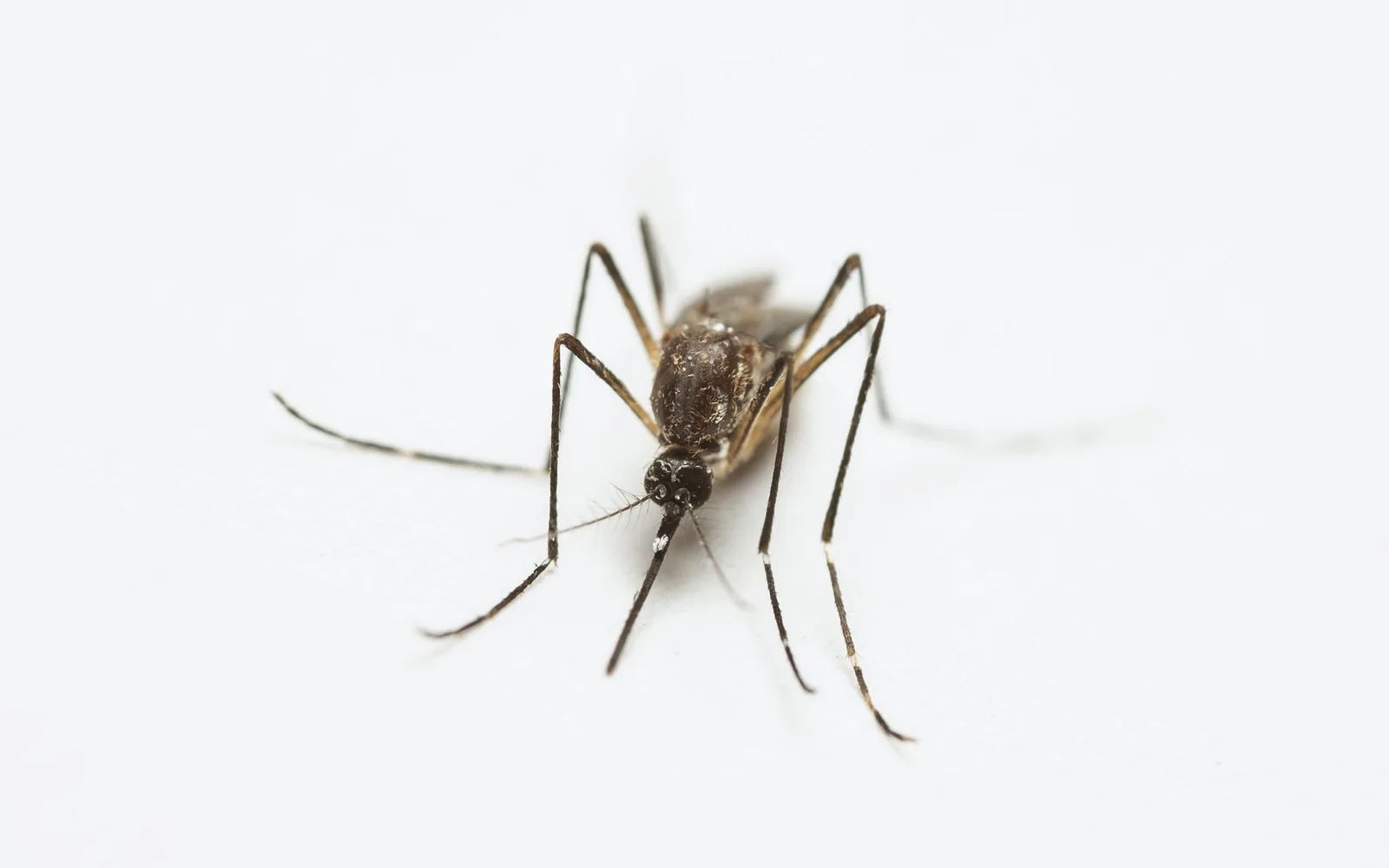
Mosquito control in Al Khalidiyah Makkah
Al Khalidiyah is a south western district between Al Hindawiyah and Al Shawqiyah with granted plots, small public gardens and quiet streets away from central crowds. Unplanned areas on hillsides surround it, and continuous irrigation and garden watering provide year round humidity around the district.
-
Targeted, not broadcast
Product goes into cracks and runways, never sprayed across open surfaces.
-
Told before we start
What we will use, where it goes, and what to cover or move before we arrive.
-
A follow-up visit
We return after the first treatment, because what survives it does not show on the day.
-
Homes and businesses
Apartments and villas, and kitchens and stores that need a record of each visit.
Why they keep coming back in Al Khalidiyah
Small public gardens and continuous irrigation supply high moisture around the district even in the driest months, supporting breeding that would normally slow. The method is set out in full on our Mosquito control service.
Small public gardens and irrigation systems
Al Khalidiyah contains several small public parks requiring regular watering. Temporary irrigation systems and storage tanks may not be fully protected, creating permanent mosquito sources around trees and shrubs. Irrigation seepage wets surrounding ground continuously, maintaining damp soil that supports breeding.
Unplanned areas and vacant land
Unplanned hillside areas around Al Khalidiyah supply numerous vacant plots. This land collects water from rain and from irrigation seeping downslope. Unregulated construction means poor drainage and permanently damp ground, creating strong seasonal mosquito pressure when rain falls.
Quiet streets and low density
Quiet streets and low population density provide better conditions than dense districts, but also mean wet ground and irrigation support mosquito populations easily. Mosquitoes do not require dense human settlement to breed, only water and shade, which the gardens and irrigation provide abundantly.
Landmarks of Al Khalidiyah
Treatment in Al Khalidiyah follows the Second and Third Ring Roads, with special attention to the small public gardens and irrigation systems around them, and the unplanned neighbouring areas that require coordination with local authorities.
- Third Ring Road
- Second Ring Road
- Ibrahim Al Khalil Street
- Prince Mansour Street
Standing water and shade decide the method
The district sits on the Second and Third Ring Roads, comprising a mix of granted residential plots, small public parks and quiet streets removed from the bustle.
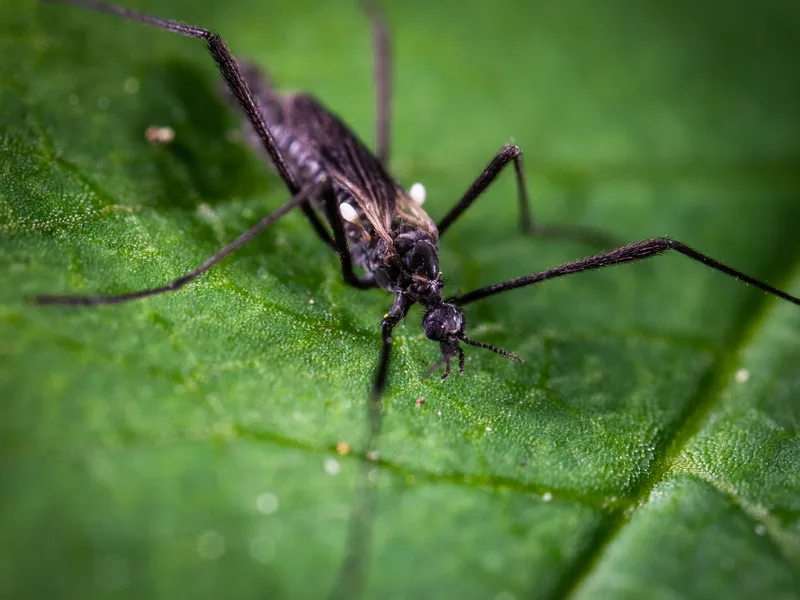
The daytime biter
The daytime biter in Al Khalidiyah favours public gardens and irrigated spaces where natural shade and high humidity sustain it through daylight.
The one that comes out after sunset
The one that comes out after sunset rests on trees and shrubs in gardens and around irrigation systems, where temperature is lower and disturbance minimal.
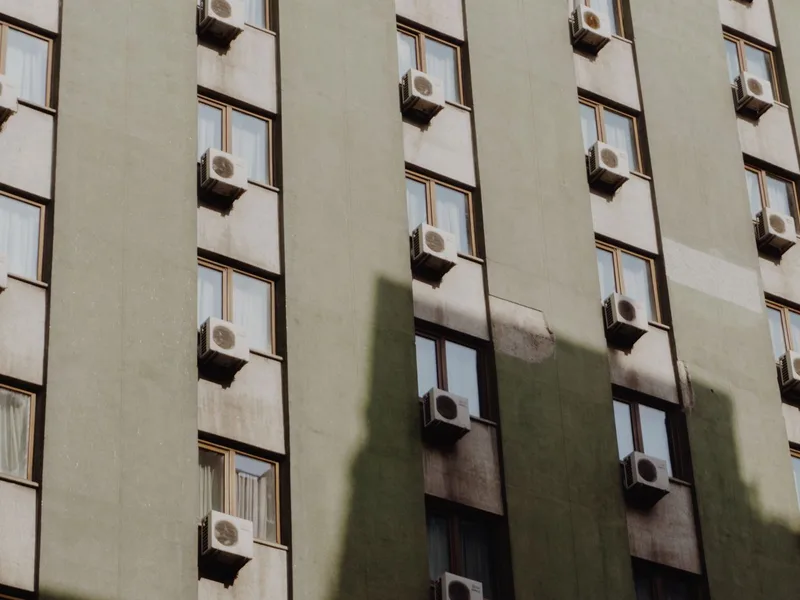
Air-conditioning condensate
Air-conditioning condensate from flats flows into gardens or pools in low ground of the district, extending the wet season artificially.
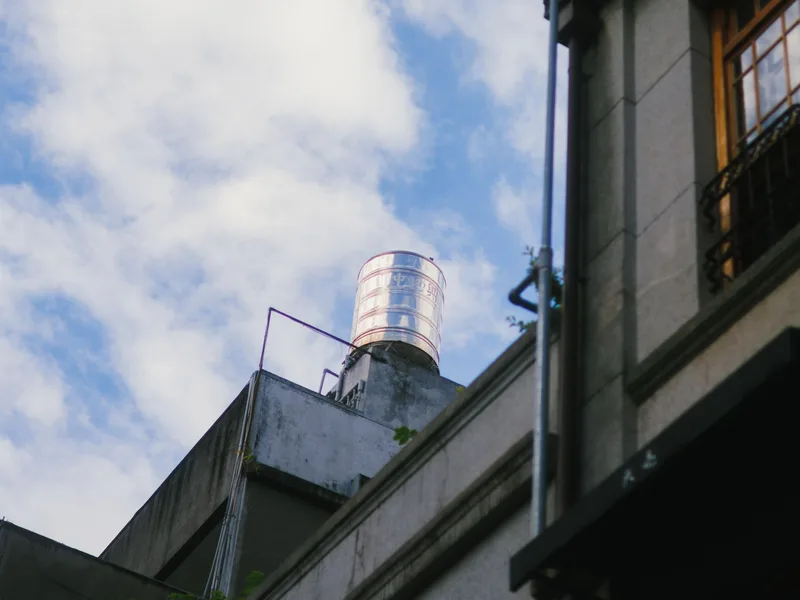
The tank and its openings
The tank and its openings in gardens may sit exposed and uncleaned, making them persistent unmonitored breeding sites.
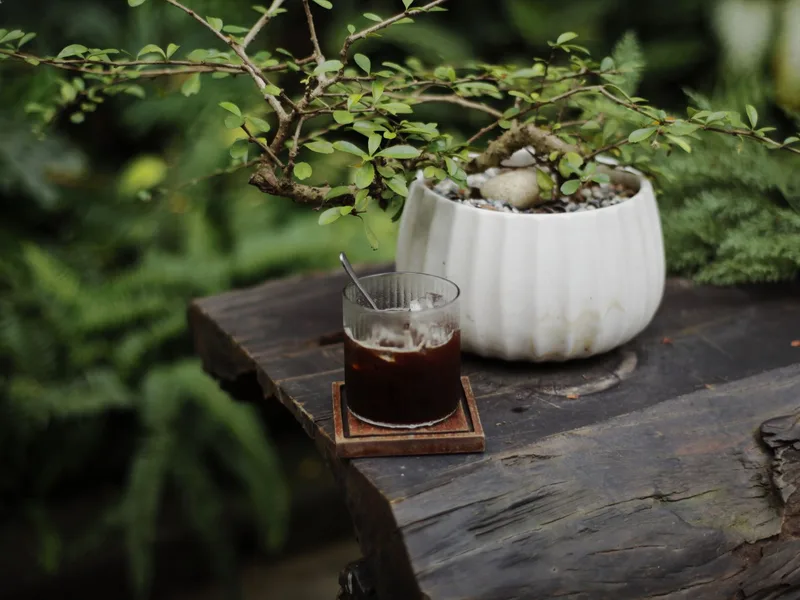
Garden containers and irrigation
Garden containers and irrigation are extensive because public parks and all plots require regular watering, creating dozens of potential sources.
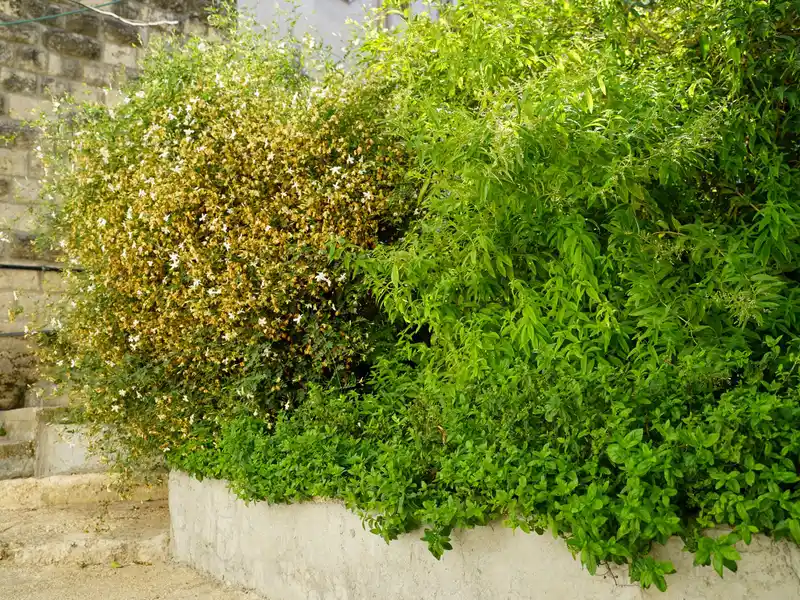
The shade it rests in
The shade it rests in is abundant from trees and shrubs in gardens and irrigated zones around plots, providing continuous cool shelter.
How we work
-
1
Inspect and map the water
We walk the perimeter, the roof, the garden, the meter chambers and the condensate runs, record everything that holds water, and read the species from the breeding site and the time of biting.
-
2
Remove the water that can go
Empty, invert, cover: saucers, containers, old tyres and roof gullies. Every point that disappears is a treatment that never needs repeating.
-
3
Larval treatment, then the resting surfaces
Water that cannot be drained is treated so the larva never completes, then a residual goes under planting, beneath outdoor furniture and along low shaded walls.
-
4
The follow-up visit
We come back once the generation that was in the water on the first visit has completed, review every point we recorded and re-treat where needed.
What mosquito control includes
-

A recorded water survey
Roof, perimeter, garden, meter chambers and condensate lines, written down before anything is applied.
-

Draining and covering the sources
Emptying what can be emptied, draining what can be drained, and covering what has to stay full.
-

Larval treatment for the water that stays
For ground tanks, inspection chambers, water features and any permanent water that has to remain.
-

A residual on the resting places
Under trees and shrubs, beneath outdoor furniture and on shaded walls, where the adult sits out the day.
-

Aftercare instructions
What stays inverted, what gets covered, which openings need mesh, and when watering goes back to normal.
-

A scheduled follow-up
A set date after the first treatment, with every recorded water point reviewed and re-treated if the water came back.
What is different about Al Misfalah Sub-Municipality
Al Misfalah sub municipality runs downhill from the south of the Grand Mosque through Al Misfalah, Kudai and Al Rawabi to Al Taqwa, Al Hindawiyah, Al Khalidiyah and Al Rusayfah at the third ring road. The northern end is old apartment blocks and pilgrim hotels with restaurants along Ibrahim Al Khalil Street and the huge coach parks at Kudai. The south and west are dense popular districts with countless small shops and unplanned hillside housing, some of it already cleared for redevelopment, giving way to orderly land grant schemes in Al Rusayfah beside the railway station.
Questions about this district
Are the small public gardens a primary mosquito source here?
Yes, because regular watering supplies very high humidity. Gardens provide shade, moisture and standing water in multiple locations. Garden treatment is separate from home treatment because garden mosquitoes differ from residential ones.
Do the unplanned neighbouring areas supply additional mosquitoes?
Yes. Unplanned areas have poor drainage and permanently damp ground. Mosquitoes disperse easily between planned and unplanned areas, especially after rain when connectivity is greatest.
Does new building in the granted plots affect the problem?
New construction may reduce or increase the problem depending on its drainage. New building with good drainage reduces pooling. New building without complete drainage systems will temporarily worsen the problem.
Is agricultural irrigation in the district a direct mosquito source?
Agricultural irrigation in neighbouring areas may add water via surface runoff. But public gardens and routine irrigation of plots are the primary sources within Al Khalidiyah itself.
Does the ring road itself bring mosquitoes from outside?
The ring road may carry adult mosquitoes from other districts, but not as a direct vector. The primary problem is local water sources: gardens, irrigation and vacant land.
Do we need more treatment here than in other denser districts?
Less treatment than dense districts but more precision. Low density means fewer breeding sites per building, but gardens and irrigation provide a continuous environment, so regular periodic treatment is still necessary.
How much does mosquito control in Al Khalidiyah cost?
It is set after the inspection, because the price follows the type of infestation, the size of the space, how far it has spread and the number of visits it needs. Send a photo and a description on WhatsApp and we will give you an estimate before we reach Al Khalidiyah.
Nearby districts we cover
Other services in Al Khalidiyah
Other services we provide to residents of Al Khalidiyah.
-
 Residential
Cockroach control
Residential
Cockroach control
-
 Residential
Bed bug control
Residential
Bed bug control
-
 Residential
Termite control
Residential
Termite control
-
 Residential
Rodents and mice
Residential
Rodents and mice
-
 Residential
Fly control
Residential
Fly control
-
 Residential
Ant control
Residential
Ant control
-
 Residential
Gecko control
Residential
Gecko control
-
 Residential
Scorpion control
Residential
Scorpion control
-
 Residential
Snake control
Residential
Snake control
-
 Residential
Flea control
Residential
Flea control
-
 Residential
Bird and pigeon control
Residential
Bird and pigeon control
-
 Residential
Preventive treatment
Residential
Preventive treatment
-
 Residential
Disinfection
Residential
Disinfection
-
 Commercial
Annual contracts
Commercial
Annual contracts
-
 Commercial
Restaurants and cafes
Commercial
Restaurants and cafes
-
 Commercial
Hotels and apartments
Commercial
Hotels and apartments
-
 Commercial
Warehouses and factories
Commercial
Warehouses and factories
-
 Commercial
Schools and nurseries
Commercial
Schools and nurseries
-
 Commercial
Retail and malls
Commercial
Retail and malls
-
 Commercial
Rest houses and farms
Commercial
Rest houses and farms
-
 Commercial
Fumigation
Commercial
Fumigation
-
 Water tanks
Water tank cleaning
Water tanks
Water tank cleaning
-
 Water tanks
Water tank sterilization
Water tanks
Water tank sterilization
-
 Water tanks
Water tank sealing
Water tanks
Water tank sealing
-
 Water tanks
Tank leak repair
Water tanks
Tank leak repair
Need mosquito control in Al Khalidiyah? Tell us what you saw and we will tell you what it needs
We reach Al Khalidiyah at a time we agree, and you get the full cost before we start.