
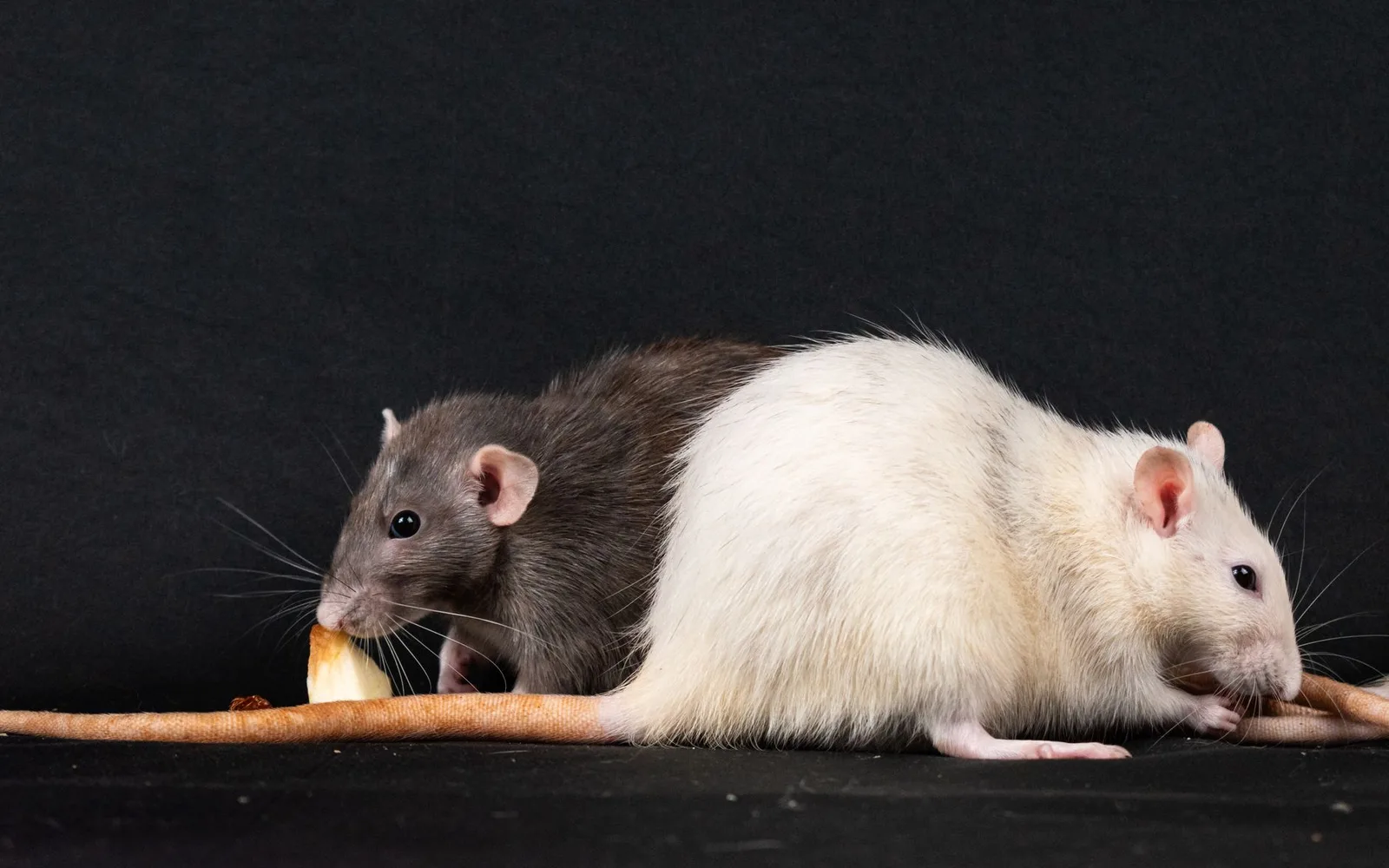
Rodents and mice in Al Mursalat Makkah
Al Mursalat is an east-facing residential quarter between King Khalid Road and Al Masjid Al Haram Road, close to Mina, where apartment blocks and pilgrim hotels stand above banks, restaurants and shops. Rodents exploit the food abundance in ground-floor kitchens and dining areas, then climb to upper flats through gaps behind furniture and along pipe runs, moving between the layers with each shift of occupancy.
-
Targeted, not broadcast
Product goes into cracks and runways, never sprayed across open surfaces.
-
Told before we start
What we will use, where it goes, and what to cover or move before we arrive.
-
A follow-up visit
We return after the first treatment, because what survives it does not show on the day.
-
Homes and businesses
Apartments and villas, and kitchens and stores that need a record of each visit.
Why they keep coming back in Al Mursalat
Rodents in this quarter typically originate in ground-floor restaurants and shops, then climb to upper floors as night falls, leaving droppings and marks along common stairs and passages that residents notice weeks later. The method is set out in full on what Rodents and mice involves.
Open restaurants and shops at street level
Ground-floor kitchens and food courts are rodent strongholds, offering safe shelter especially after dark. Fats and oils coat the walls and floors, providing high-calorie forage that draws and sustains them. From here they climb easily to upper occupied flats.
Proximity to Wadi Uranah and seasonal water drainage
Lower ground near the ring road means rainwater and wastewater collect beneath the district. This provides constant water supply for rodents and supports diverse species, so multiple types coexist and breed in the same area.
Transient occupation: pilgrims, staff and visitors in constant flux
The zone sees continuous movement of pilgrims, visitors and hotel and restaurant workers, with cleaning standards shifting rapidly and waste varied and plentiful. Rodents thrive in this disorder and find food easily wherever people leave it.
Al Mursalat on the map
Al Mursalat sits about 1 km from Al Jamiah and about 2.5 km from Al Sanabel.
Open in Google MapsWhat we read in the building before any bait goes down
The district stands near the Fourth Ring Road and Mina, with the Saudi National Hospital, East Aziziyah Health Centre and Souq Al Aziziyah serving the population of apartment buildings and pilgrim hotels, with shops and restaurants along Al Masjid Al Haram Road.
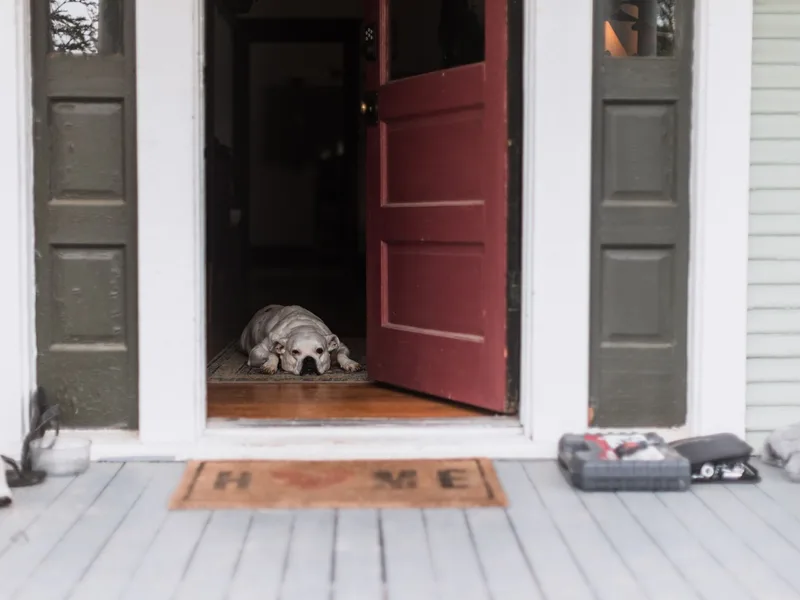
The gap under the door
Gaps beneath restaurant and shop doors are wide, kept open by equipment and tray movement, and may stay open through the night in busy kitchens.
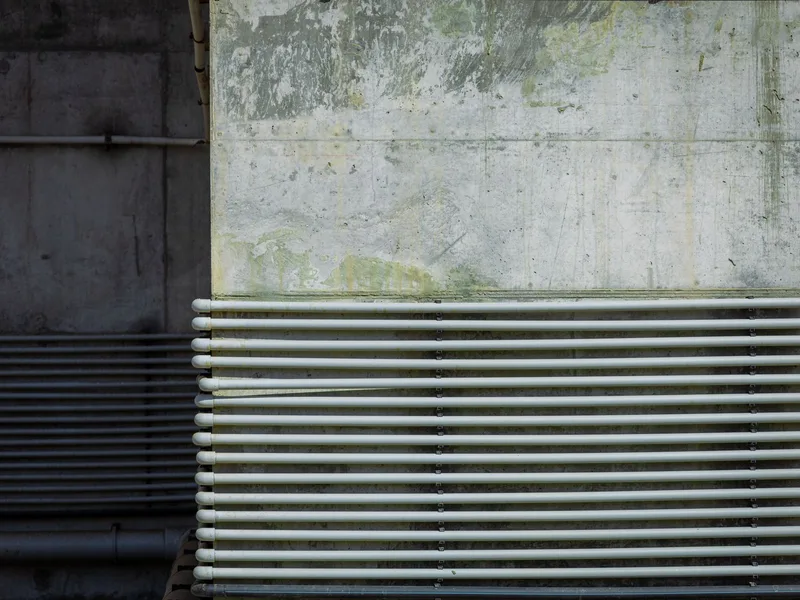
Pipe and conduit openings
Air intakes and ventilation fans in kitchens are often unscreened, especially the outlets that pull smoke and odour, allowing direct rodent access.
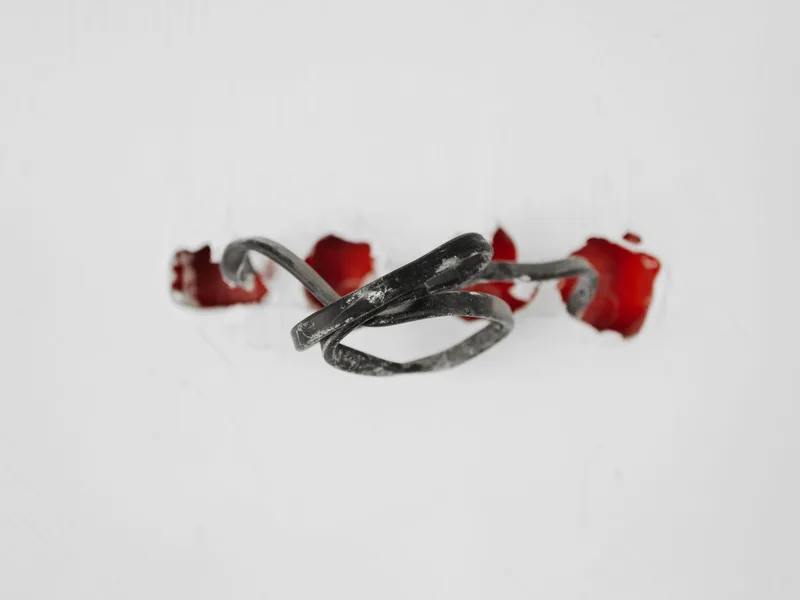
Gnaw marks
Gnaw marks on cartons and sacks behind restaurants are routine and appear on discarded boxes at ground level before they reach waste collection points.
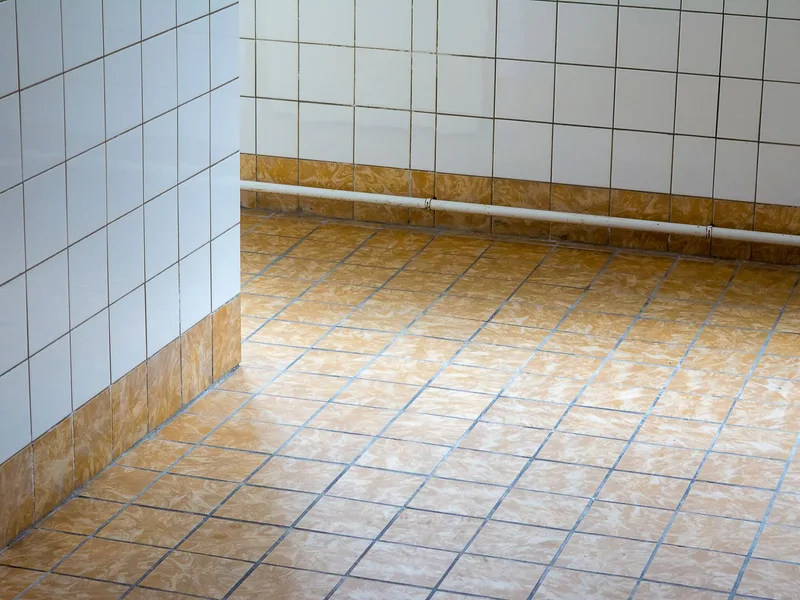
The run along the wall
The run along walls in restaurants and shops follows pipes and electrical runs, typically starting in back passages and store rooms then climbing toward upper floors.
The route from above
The route from above in hotels and blocks descends through pipe shafts and service cavities, with rodents climbing posts and breather pipes hunting food bags and bins.
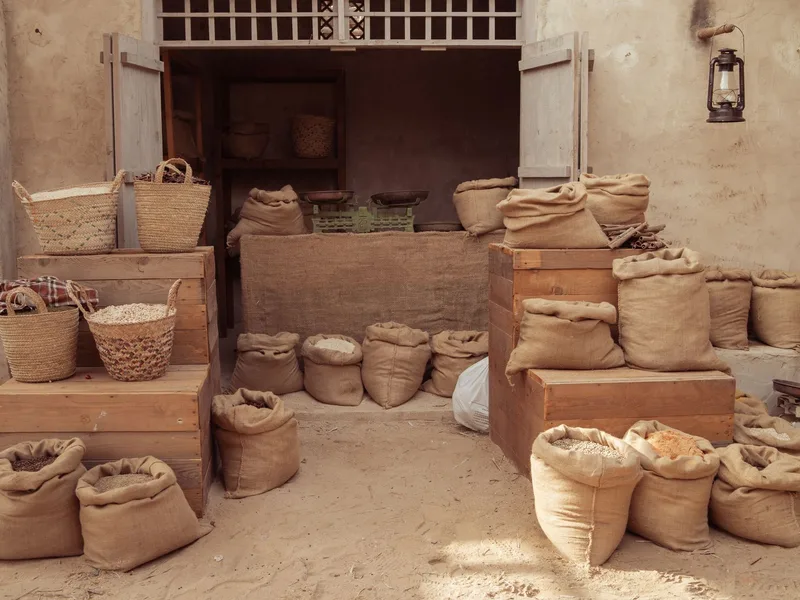
The water and the food on offer
Food and water on offer throughout the district is abundant: restaurant waste, pilgrim litter in hotels, and leaking water from pipes and shared infrastructure.
How we work
-
1
Inspect and trace the runs
We work the perimeter, the kitchen, the store and the false ceiling, establish the species, the entry points and the water source, and mark the station positions before anything is carried in.
-
2
Close the openings
Metal mesh, mortar and base strips at the gaps, around pipe sleeves and at vents, because foam and silicone are gnawed through within days.
-
3
Secured bait and traps
Closed stations fixed on the runs outside the building, and traps rather than loose bait indoors, so that anything that dies stays somewhere we can reach.
-
4
The follow-up visit
We read the take at each station, replenish what has gone, remove anything found, and close any opening that showed itself once the movement settled.
What rodent control includes
-

Inspection and a station map
Entry points, runs and station positions recorded, so the same points are checked on every visit.
-

Sealing pipes and drains
Floor traps, pipe sleeves, vents and the air conditioning drain line, the routes that arrive from outside the unit.
-

Secured bait stations
Closed and fixed on the outside runs, out of reach of children and animals, while indoors we work with traps.
-

Treating the nest site
A rodent leaves parasites and nesting material behind, so the nest is removed and the void it sat in is treated.
-

Aftercare instructions
Stock lifted off the floor, droppings cleaned damp with disinfectant instead of swept dry, and pet bowls emptied at night.
-

A scheduled follow-up
A set date after the first visit: read the take, replenish the bait, remove anything found and close what is still open.
What is different about Al Aziziyah (Makkah) Sub-Municipality
Al Aziziyah sub municipality runs from the Bin Dawood markets to the Al Hada road and carries pilgrim traffic to Mina. Hotel towers and furnished apartment blocks fill and empty with the Hajj and Ramadan seasons, and the kitchens, restaurants and markets along Al Masjid Al Haram Road and King Abdulaziz Road leave food waste at every peak. Southwards the fabric loosens into villas and planned streets in An Naseem and Al Awali, then Al Abidiyah's campus and the old farms of Al Husayniyah, where Wadi Uranah holds water after rain and farm enclosures shelter rodents and reptiles.
Questions about this district
Why do rats in hotels concentrate on upper floors rather than ground level?
Rodents seek quiet places away from daytime traffic, so they climb to upper rooms and flats where guests sleep. Upper floors offer shelter and varied food sources in refuse bins and pantries.
Does the presence of a hospital in the district affect rodent type or numbers?
Yes. The hospital provides a distinct food source: full refrigerators of supplies and safe water. This attracts species that prefer warmth and humidity, often bolder than typical urban rodents.
How can we prevent rats climbing from ground level to upper floors?
All gaps around pipes and cables between floors must be sealed, especially behind furniture and curtains. Rodents climb walls and pipes, so every connection point between floors must be inspected and blocked.
Does the type of furniture in hotels affect rodent presence?
Yes. Old or second-hand furniture may already contain rodents. New furniture must be inspected before delivery, and imported used items need preventive treatment before installation.
Do water leaks from the hospital and shared plumbing attract more rats?
Heavily. Rodents need daily water, and hospitals and kitchens provide continuous drips and leaks. This makes the zone a natural magnet for rodents from surrounding areas.
Does the annual pilgrim season cause the same infestation cycle each year?
Yes. Numbers rise in weeks before the season as rats seek stored food, peak during occupation, then decline after departure but remain as a small resident colony waiting for the next peak.
How much does rodents and mice in Al Mursalat cost?
It is set after the inspection, because the price follows the type of infestation, the size of the space, how far it has spread and the number of visits it needs. Send a photo and a description on WhatsApp and we will give you an estimate before we reach Al Mursalat.
Nearby districts we cover
Other services in Al Mursalat
Other services we provide to residents of Al Mursalat.
-
 Residential
Cockroach control
Residential
Cockroach control
-
 Residential
Bed bug control
Residential
Bed bug control
-
 Residential
Termite control
Residential
Termite control
-
 Residential
Mosquito control
Residential
Mosquito control
-
 Residential
Fly control
Residential
Fly control
-
 Residential
Ant control
Residential
Ant control
-
 Residential
Gecko control
Residential
Gecko control
-
 Residential
Scorpion control
Residential
Scorpion control
-
 Residential
Snake control
Residential
Snake control
-
 Residential
Flea control
Residential
Flea control
-
 Residential
Bird and pigeon control
Residential
Bird and pigeon control
-
 Residential
Preventive treatment
Residential
Preventive treatment
-
 Residential
Disinfection
Residential
Disinfection
-
 Commercial
Annual contracts
Commercial
Annual contracts
-
 Commercial
Restaurants and cafes
Commercial
Restaurants and cafes
-
 Commercial
Hotels and apartments
Commercial
Hotels and apartments
-
 Commercial
Warehouses and factories
Commercial
Warehouses and factories
-
 Commercial
Schools and nurseries
Commercial
Schools and nurseries
-
 Commercial
Retail and malls
Commercial
Retail and malls
-
 Commercial
Rest houses and farms
Commercial
Rest houses and farms
-
 Commercial
Fumigation
Commercial
Fumigation
-
 Water tanks
Water tank cleaning
Water tanks
Water tank cleaning
-
 Water tanks
Water tank sterilization
Water tanks
Water tank sterilization
-
 Water tanks
Water tank sealing
Water tanks
Water tank sealing
-
 Water tanks
Tank leak repair
Water tanks
Tank leak repair
Need rodents and mice in Al Mursalat? Tell us what you saw and we will tell you what it needs
We reach Al Mursalat at a time we agree, and you get the full cost before we start.