
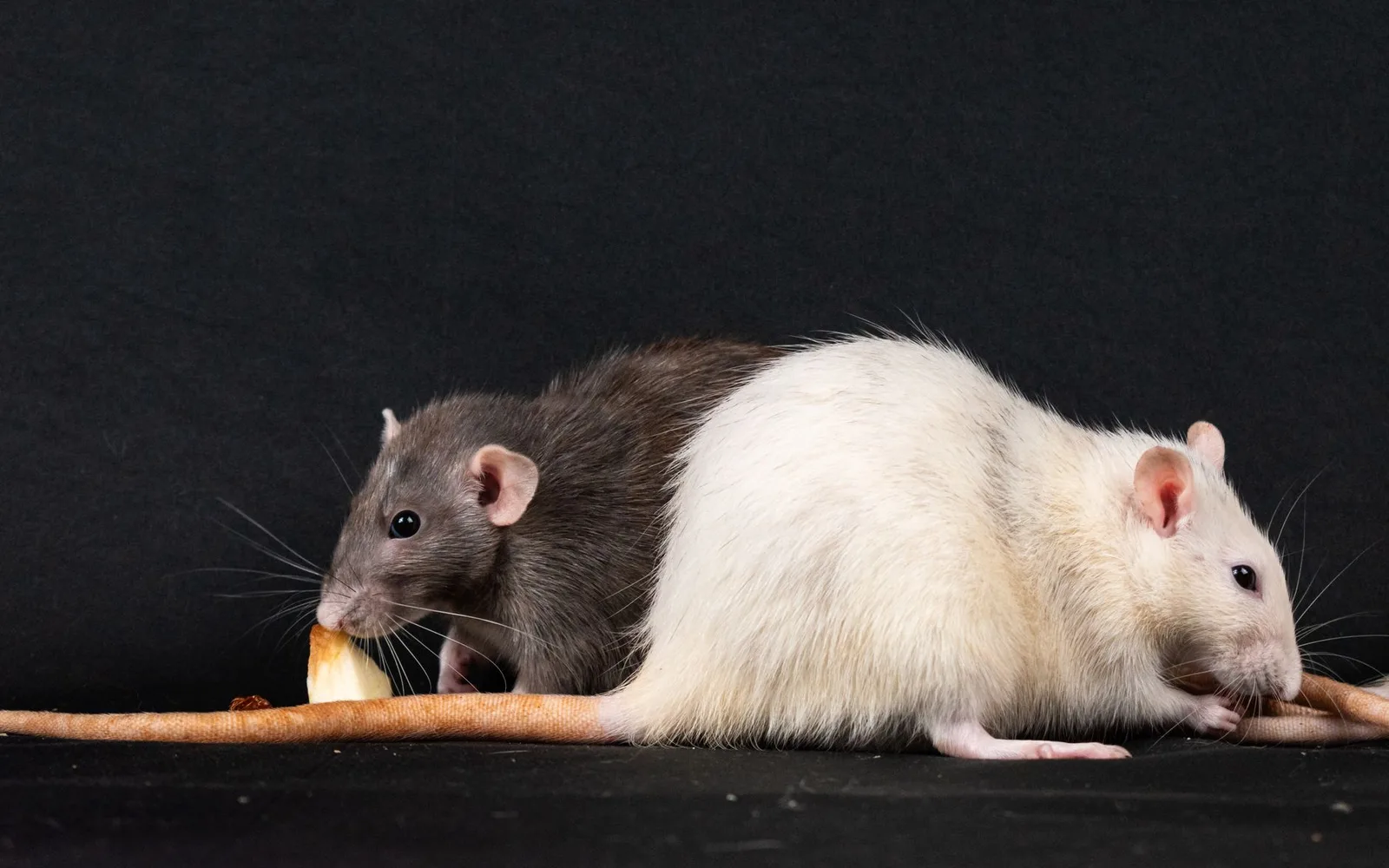
Rodents and mice in Al Aziziyah Makkah
Al Aziziyah is a commercial district six kilometres from the Haram on the pilgrims' route to Mina, with hotel towers, shops, warehouses and the massive Mahbas Al Jinn coach station serving continuous flows of Hajj and Umrah visitors. The intense seasonal surges of pilgrims and the constant movement of goods and passengers mean new rodent infestations arrive from multiple entry points with every coach and with every visitor wave.
-
Targeted, not broadcast
Product goes into cracks and runways, never sprayed across open surfaces.
-
Told before we start
What we will use, where it goes, and what to cover or move before we arrive.
-
A follow-up visit
We return after the first treatment, because what survives it does not show on the day.
-
Homes and businesses
Apartments and villas, and kitchens and stores that need a record of each visit.
Why they keep coming back in Al Aziziyah
The seasonal swing between Hajj and Umrah seasons shifts rodent patterns dramatically, with peak density coinciding exactly with visitor peaks rather than building gradually. The method is set out in full on how we approach Rodents and mice.
Large hotels with massive food stockpiles
Towering hotels with hundreds of rooms maintain enormous food stores and multiple kitchens. This differs entirely from residential housing with small household stocks, and rodent activity concentrates around stores and kitchen facilities rather than dispersing throughout the building.
Mahbas Al Jinn coach station and continuous flow
The sprawling bus station provides permanent food waste sources, and arriving coaches bring rodents from distant stations. Each new coach entering may carry fresh rodents from elsewhere, resetting the treatment clock.
Continuous construction and development sites
The commercial area undergoes ongoing building and development projects, and open construction sites offer easy entry and excavated ground that pools water and dampness attractive to rodents.
Al Aziziyah on the map
Al Aziziyah sits about 2.5 km from Al Sanabel and about 3 km from Al Mursalat.
Open in Google MapsWhat we read in the building before any bait goes down
The commercial zone is crossed by major roads and bounded by open construction sites and exposed warehouses, whilst the permanent transport of goods and passengers creates new rodent pathways continuously.
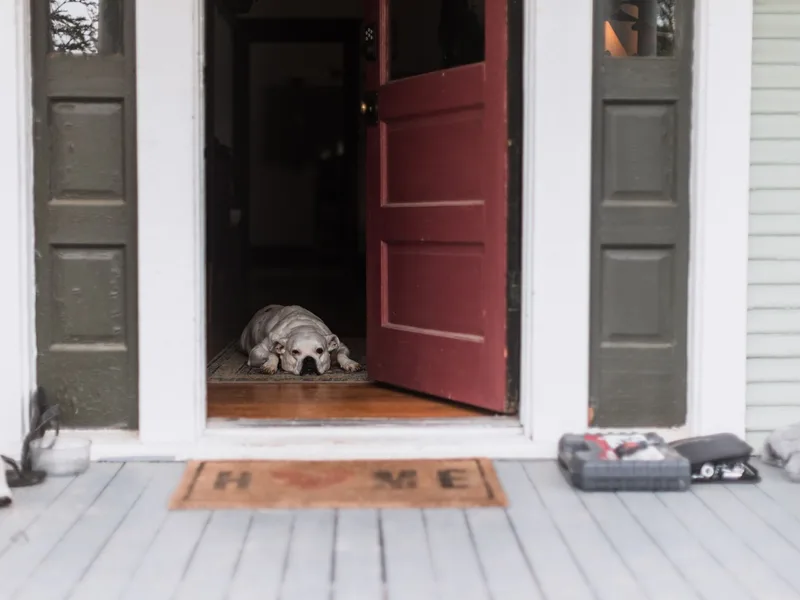
The gap under the door
Gaps under hotel doors widen from constant movement and heavy equipment traffic, making repairs difficult whilst operations continue.
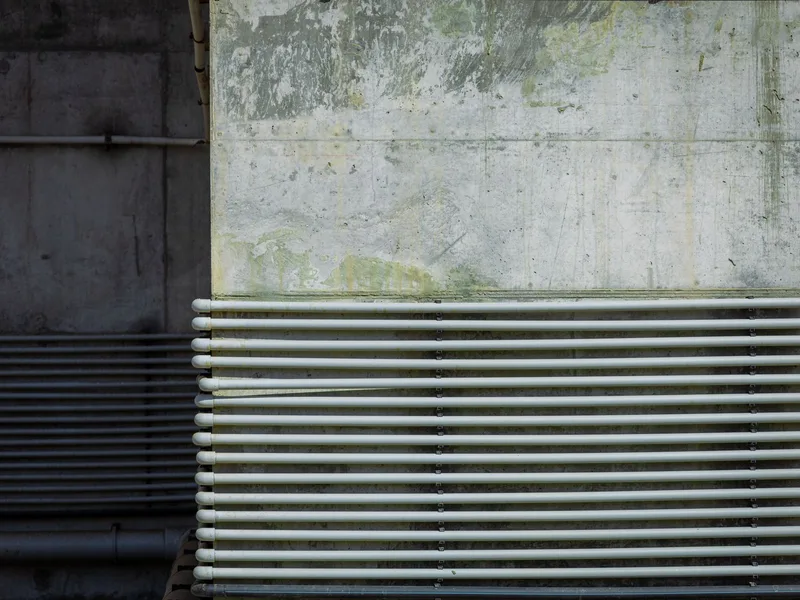
Pipe and conduit openings
Pipe and conduit openings in tall hotels are numerous and scattered across many floors, requiring careful coordination to seal completely.
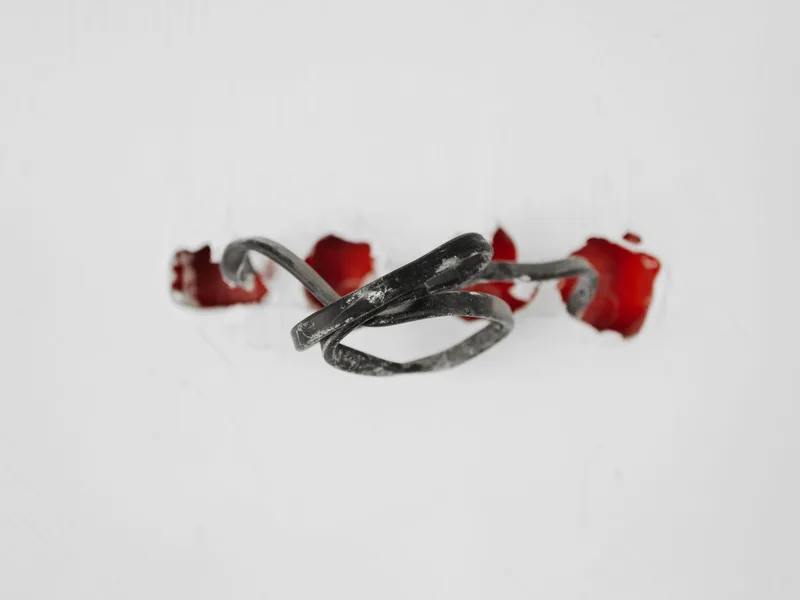
Gnaw marks
Gnaw marks on air conditioning wires and insulation appear at multiple heights, with rodents reaching very high floors.
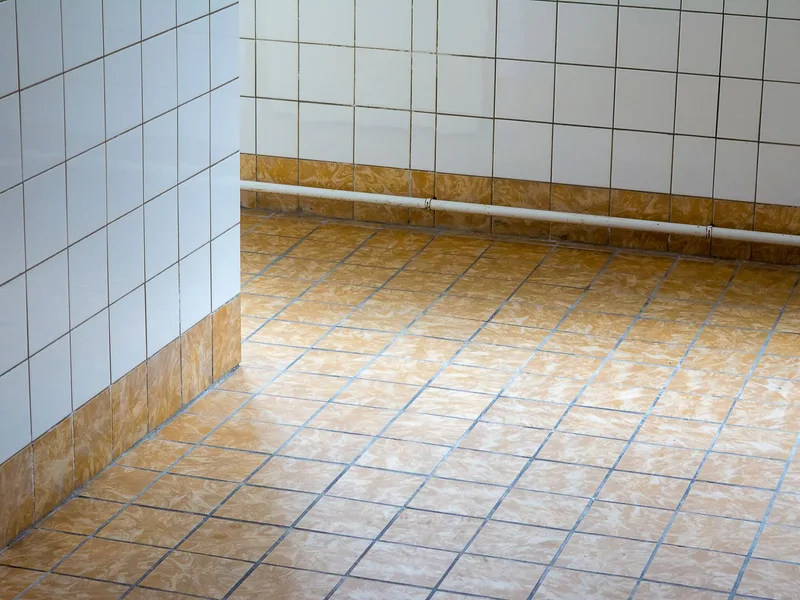
The run along the wall
The run along walls follows vertical air conditioning ducts and main risers, which rodents use to climb rapidly.
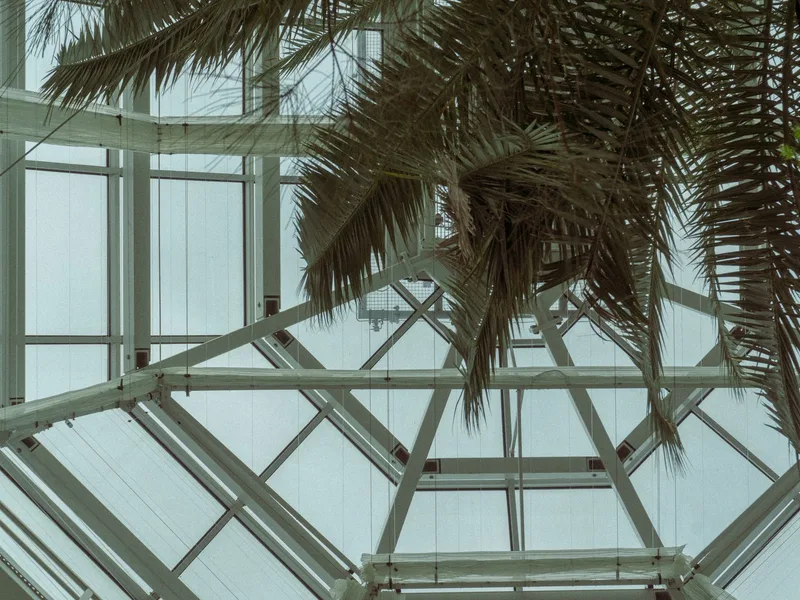
The route from above
Routes overhead through roof voids and inter-floor cavities provide secure passages for horizontal spread.
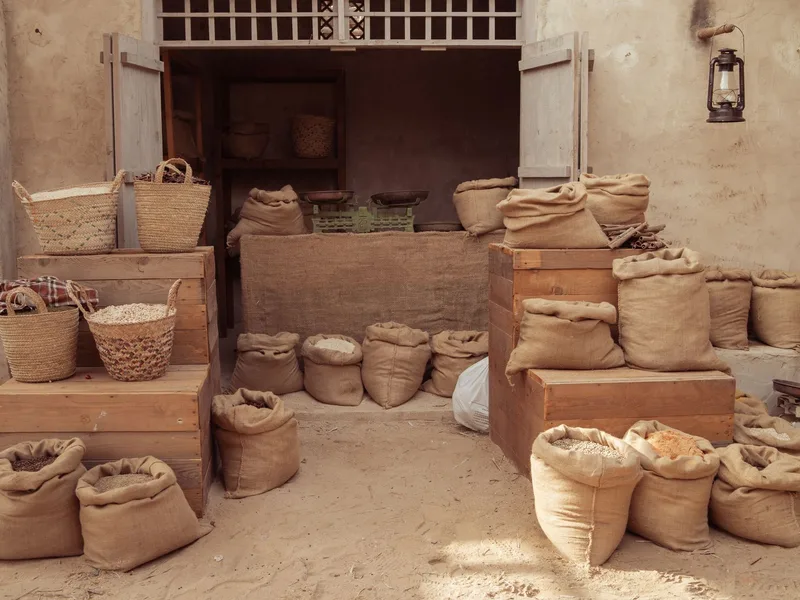
The water and the food on offer
Water and food are abundant from kitchens, stores, restaurants, shops, coaches and accumulated waste throughout the site.
How we work
-
1
Inspect and trace the runs
We work the perimeter, the kitchen, the store and the false ceiling, establish the species, the entry points and the water source, and mark the station positions before anything is carried in.
-
2
Close the openings
Metal mesh, mortar and base strips at the gaps, around pipe sleeves and at vents, because foam and silicone are gnawed through within days.
-
3
Secured bait and traps
Closed stations fixed on the runs outside the building, and traps rather than loose bait indoors, so that anything that dies stays somewhere we can reach.
-
4
The follow-up visit
We read the take at each station, replenish what has gone, remove anything found, and close any opening that showed itself once the movement settled.
What rodent control includes
-

Inspection and a station map
Entry points, runs and station positions recorded, so the same points are checked on every visit.
-

Sealing pipes and drains
Floor traps, pipe sleeves, vents and the air conditioning drain line, the routes that arrive from outside the unit.
-

Secured bait stations
Closed and fixed on the outside runs, out of reach of children and animals, while indoors we work with traps.
-

Treating the nest site
A rodent leaves parasites and nesting material behind, so the nest is removed and the void it sat in is treated.
-

Aftercare instructions
Stock lifted off the floor, droppings cleaned damp with disinfectant instead of swept dry, and pet bowls emptied at night.
-

A scheduled follow-up
A set date after the first visit: read the take, replenish the bait, remove anything found and close what is still open.
The character of Al Aziziyah
Commercial area: offices, showrooms and small stores
In a commercial zone around a major hotel and coach station, rodents are continuous new arrivals with each season and each coach. Treatment emphasises regular inspection, external barriers and secure bait stations at main entry points, rather than permanent elimination.
Questions about this district
How do we prevent rodents entering from new arriving coaches at the station?
Rodents arrive with coaches from distant stations. We focus on regular coach inspection and sealing, daily station cleaning and recommend traps around passenger loading and discharge areas.
Does hotel size make treatment easier or more complex?
Large hotels require comprehensive simultaneous treatment because rodents move rapidly between floors and sections. Treating single areas is insufficient.
Why do rodents concentrate around kitchens and stores rather than spreading throughout?
Kitchen and store odours and food attract rodents to these focal points. Most rodent activity concentrates here, so treatment intensity centres on these zones.
Are rodent numbers higher in Hajj season than during Umrah?
Yes, Hajj season brings far greater congestion and larger food stocks. Rodent density roughly doubles compared to regular Umrah periods.
Are the restaurants and shops in the area a rodent source?
Yes, they provide permanent food and shelter. These commercial outlets must be treated in parallel with hotel treatment.
Can barriers alone prevent rodents entering hotels from outside?
Barriers alone are insufficient because rodents arrive from multiple directions and by multiple means. We combine external barriers, outdoor trapping and internal treatment.
How much does rodents and mice in Al Aziziyah cost?
It is set after the inspection, because the price follows the type of infestation, the size of the space, how far it has spread and the number of visits it needs. Send a photo and a description on WhatsApp and we will give you an estimate before we reach Al Aziziyah.
Nearby districts we cover
Other services in Al Aziziyah
Other services we provide to residents of Al Aziziyah.
-
 Residential
Cockroach control
Residential
Cockroach control
-
 Residential
Bed bug control
Residential
Bed bug control
-
 Residential
Termite control
Residential
Termite control
-
 Residential
Mosquito control
Residential
Mosquito control
-
 Residential
Fly control
Residential
Fly control
-
 Residential
Ant control
Residential
Ant control
-
 Residential
Gecko control
Residential
Gecko control
-
 Residential
Scorpion control
Residential
Scorpion control
-
 Residential
Snake control
Residential
Snake control
-
 Residential
Flea control
Residential
Flea control
-
 Residential
Bird and pigeon control
Residential
Bird and pigeon control
-
 Residential
Preventive treatment
Residential
Preventive treatment
-
 Residential
Disinfection
Residential
Disinfection
-
 Commercial
Annual contracts
Commercial
Annual contracts
-
 Commercial
Restaurants and cafes
Commercial
Restaurants and cafes
-
 Commercial
Hotels and apartments
Commercial
Hotels and apartments
-
 Commercial
Warehouses and factories
Commercial
Warehouses and factories
-
 Commercial
Schools and nurseries
Commercial
Schools and nurseries
-
 Commercial
Retail and malls
Commercial
Retail and malls
-
 Commercial
Rest houses and farms
Commercial
Rest houses and farms
-
 Commercial
Fumigation
Commercial
Fumigation
-
 Water tanks
Water tank cleaning
Water tanks
Water tank cleaning
-
 Water tanks
Water tank sterilization
Water tanks
Water tank sterilization
-
 Water tanks
Water tank sealing
Water tanks
Water tank sealing
-
 Water tanks
Tank leak repair
Water tanks
Tank leak repair
Need rodents and mice in Al Aziziyah? Tell us what you saw and we will tell you what it needs
We reach Al Aziziyah at a time we agree, and you get the full cost before we start.