
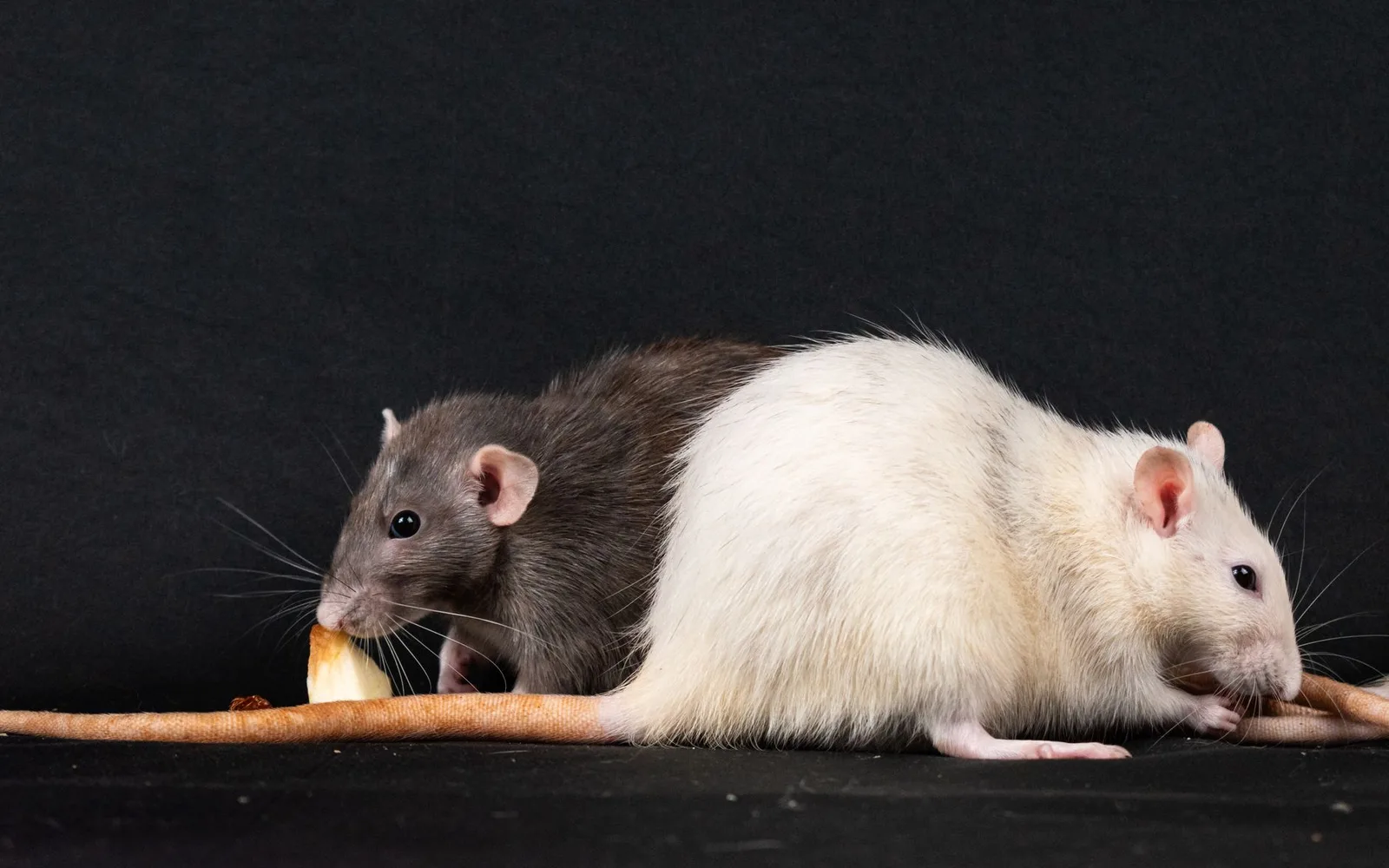
Rodents and mice in Harat Al Bab Wa Al Shamiyah Makkah
Harat Al Bab Wa Al Shamiyah is a new development quarter directly north of the Grand Mosque. Old Al Shamiyah was cleared for the northern expansion and its courtyards, and new construction is ongoing across vacant plots between hotels and new residential blocks. Rodents exploit the ongoing building work, weak footings and numerous gaps around construction sites.
-
Targeted, not broadcast
Product goes into cracks and runways, never sprayed across open surfaces.
-
Told before we start
What we will use, where it goes, and what to cover or move before we arrive.
-
A follow-up visit
We return after the first treatment, because what survives it does not show on the day.
-
Homes and businesses
Apartments and villas, and kitchens and stores that need a record of each visit.
Why they keep coming back in Harat Al Bab Wa Al Shamiyah
Active building sites provide complex voids and weak footings that rodents exploit easily. The method is set out in full on what Rodents and mice involves.
Construction foundations are unsecured and gaps around them are very wide
New footings are not yet complete, and gaps around pipes and excavations are very large. Rats burrow under footings easily and enter through unfilled voids. Underground services are temporary and loose.
Active construction leaves clear passages for rats without obstacles
Building sites have numerous gaps and openings, and internal walls may be incomplete. Rats move with complete freedom across different sections and hide in empty spaces.
Vacant plots and construction waste provide constant shelter and food
Vacant land between projects provides nesting sites and building waste supplies forage. Rats live in the waste ground and enter new buildings hunting for more food.
The character of Harat Al Bab Wa Al Shamiyah
New development: ongoing construction and vacant plots between the homes
In a new development under construction, rodents exploit weak footings, numerous voids and construction waste constantly. Treatment requires flexibility and continuous adjustment as building progresses and voids are sealed.
What we read in the building before any bait goes down
Ongoing construction and vacant plots between projects mean unsecured foundations and incomplete utilities. Roads are unfinished and sub floor drainage networks are still under completion.
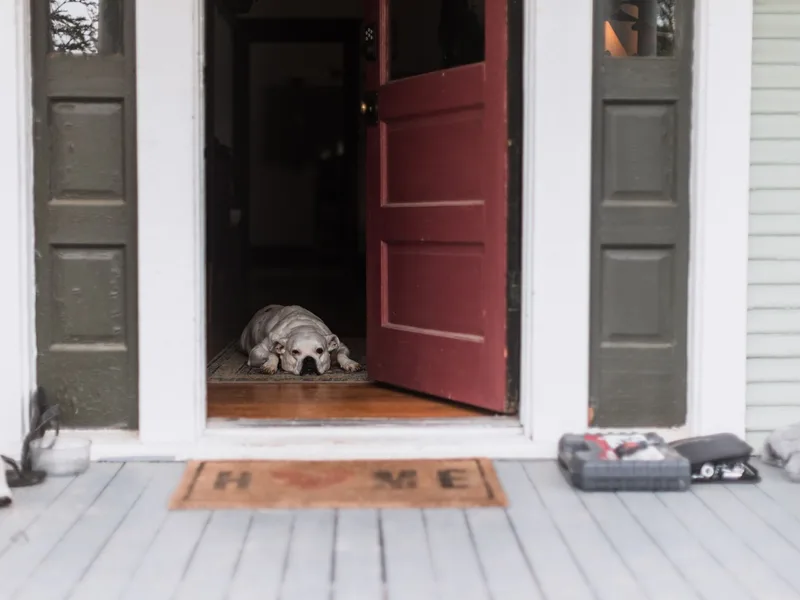
The gap under the door
Gaps beneath doors and unfilled openings around pipes and excavations provide very easy entry for rodents.
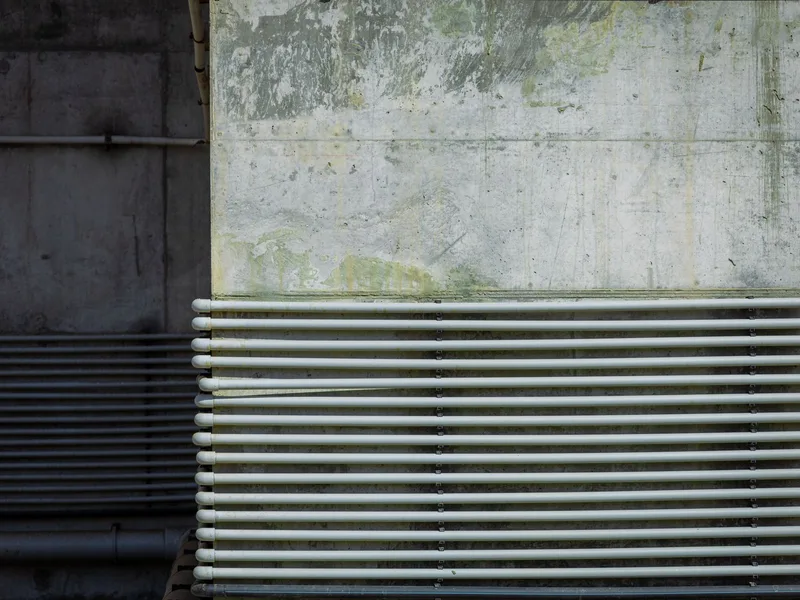
Pipe and conduit openings
Drainage and water pipes on building sites remain open and unsealed. Rats enter through them easily.
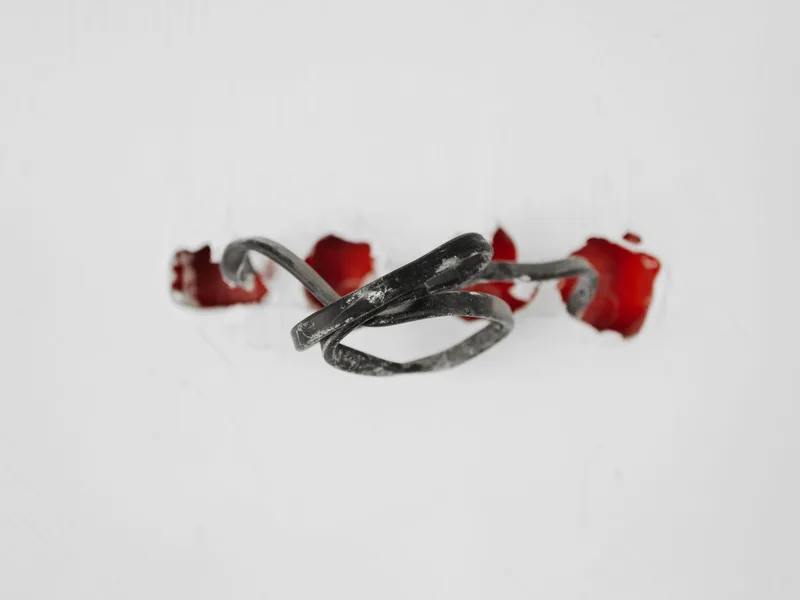
Gnaw marks
Gnaw marks on window frames and wiring in new buildings under construction are obvious.
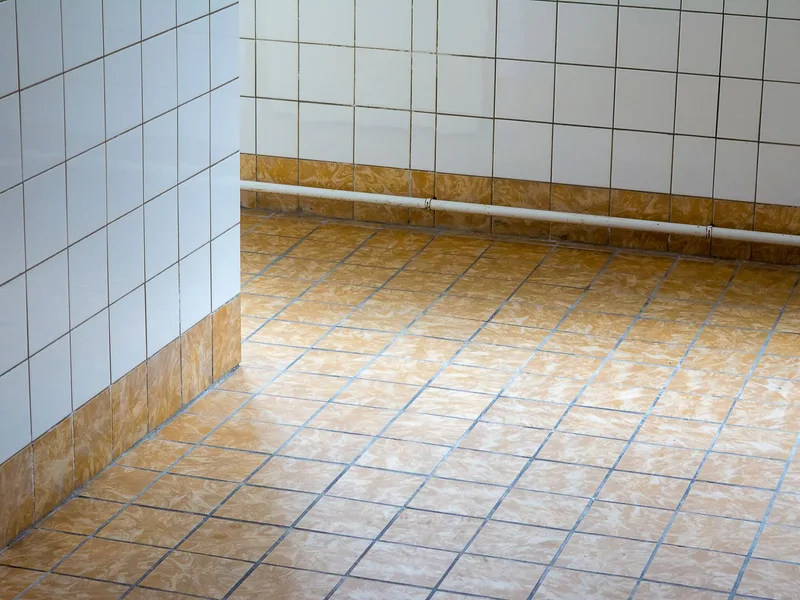
The run along the wall
Rodents run along footings and the numerous voids on sites, leaving clear dirt trails.
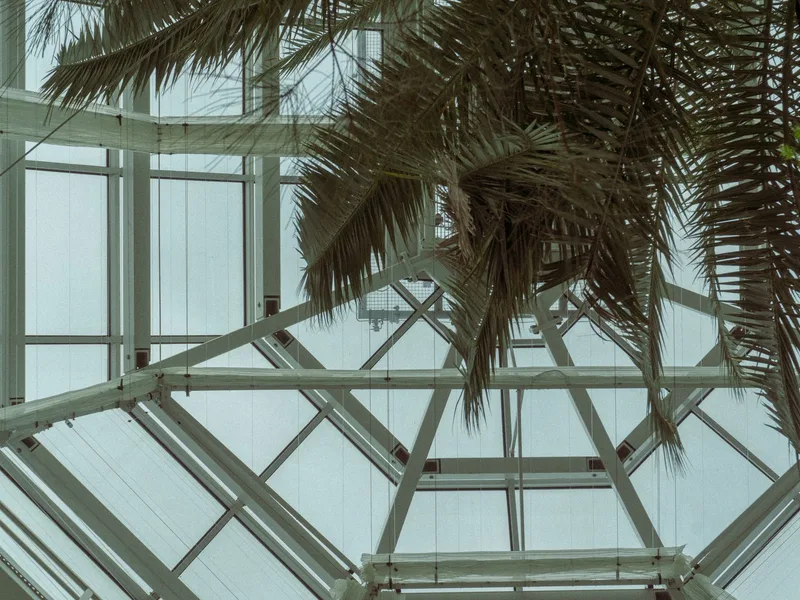
The route from above
Entry from above comes through gaps and openings in temporary ceilings. Main entry is from footings and gaps around utility pipes.
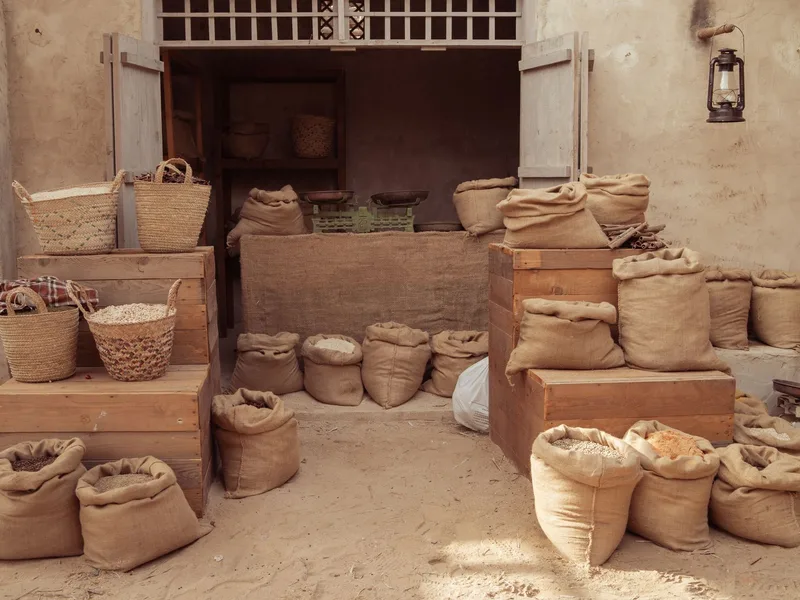
The water and the food on offer
Water sits in open pipes and excavation trenches. Food comes from construction waste and worker scraps. Control requires temporary sealing during active building phases.
How we work
-
1
Inspect and trace the runs
We work the perimeter, the kitchen, the store and the false ceiling, establish the species, the entry points and the water source, and mark the station positions before anything is carried in.
-
2
Close the openings
Metal mesh, mortar and base strips at the gaps, around pipe sleeves and at vents, because foam and silicone are gnawed through within days.
-
3
Secured bait and traps
Closed stations fixed on the runs outside the building, and traps rather than loose bait indoors, so that anything that dies stays somewhere we can reach.
-
4
The follow-up visit
We read the take at each station, replenish what has gone, remove anything found, and close any opening that showed itself once the movement settled.
What rodent control includes
-

Inspection and a station map
Entry points, runs and station positions recorded, so the same points are checked on every visit.
-

Sealing pipes and drains
Floor traps, pipe sleeves, vents and the air conditioning drain line, the routes that arrive from outside the unit.
-

Secured bait stations
Closed and fixed on the outside runs, out of reach of children and animals, while indoors we work with traps.
-

Treating the nest site
A rodent leaves parasites and nesting material behind, so the nest is removed and the void it sat in is treated.
-

Aftercare instructions
Stock lifted off the floor, droppings cleaned damp with disinfectant instead of swept dry, and pet bowls emptied at night.
-

A scheduled follow-up
A set date after the first visit: read the take, replenish the bait, remove anything found and close what is still open.
Landmarks of Harat Al Bab Wa Al Shamiyah
The Grand Mosque dominates to the south and south east, and the Northern Expansion courtyards stretch under construction across a vast area. Jabal Hindi rises beneath the project where the Rua Al Haram scheme is being rebuilt, and the Khalid ibn Al Walid Mosque stands as a marker at the old western entrance.
- The Grand Mosque
- Northern expansion courtyards
- Jabal Hindi
- Rua Al Haram project
- Khalid ibn Al Walid Mosque
Questions about this district
Does ongoing construction mean worse rodent problems?
Yes. Unsecured foundations and wide gaps offer very easy entry. Rats exploit the chaos and numerous voids on construction sites.
Does construction waste provide food for rodents?
Yes. Food scraps from worker sites and construction debris supply forage. Gaps beneath sites offer safe shelter.
Are newly built buildings in the project less vulnerable to rats?
No. Buildings under construction are not yet sealed. Gaps around pipes and unfilled openings provide easy entry.
Are vacant plots between projects the source of rodents?
Yes. Vacant land provides shelter and abundant waste around sites provides food. Rats move easily from waste ground into buildings.
Does treatment differ from completed neighbourhoods?
Yes. Buildings under construction may not allow permanent station installation. We focus on temporary sealing and monitoring during construction phases.
Does the Rua Al Haram project scale make the problem worse?
Large construction projects mean complex voids and difficult coordination. Rodents exploit the chaos, multiple foundations and numerous gaps.
How much does rodents and mice in Harat Al Bab Wa Al Shamiyah cost?
It is set after the inspection, because the price follows the type of infestation, the size of the space, how far it has spread and the number of visits it needs. Send a photo and a description on WhatsApp and we will give you an estimate before we reach Harat Al Bab Wa Al Shamiyah.
Nearby districts we cover
Other services in Harat Al Bab Wa Al Shamiyah
Other services we provide to residents of Harat Al Bab Wa Al Shamiyah.
-
 Residential
Cockroach control
Residential
Cockroach control
-
 Residential
Bed bug control
Residential
Bed bug control
-
 Residential
Termite control
Residential
Termite control
-
 Residential
Mosquito control
Residential
Mosquito control
-
 Residential
Fly control
Residential
Fly control
-
 Residential
Ant control
Residential
Ant control
-
 Residential
Gecko control
Residential
Gecko control
-
 Residential
Scorpion control
Residential
Scorpion control
-
 Residential
Snake control
Residential
Snake control
-
 Residential
Flea control
Residential
Flea control
-
 Residential
Bird and pigeon control
Residential
Bird and pigeon control
-
 Residential
Preventive treatment
Residential
Preventive treatment
-
 Residential
Disinfection
Residential
Disinfection
-
 Commercial
Annual contracts
Commercial
Annual contracts
-
 Commercial
Restaurants and cafes
Commercial
Restaurants and cafes
-
 Commercial
Hotels and apartments
Commercial
Hotels and apartments
-
 Commercial
Warehouses and factories
Commercial
Warehouses and factories
-
 Commercial
Schools and nurseries
Commercial
Schools and nurseries
-
 Commercial
Retail and malls
Commercial
Retail and malls
-
 Commercial
Rest houses and farms
Commercial
Rest houses and farms
-
 Commercial
Fumigation
Commercial
Fumigation
-
 Water tanks
Water tank cleaning
Water tanks
Water tank cleaning
-
 Water tanks
Water tank sterilization
Water tanks
Water tank sterilization
-
 Water tanks
Water tank sealing
Water tanks
Water tank sealing
-
 Water tanks
Tank leak repair
Water tanks
Tank leak repair
Need rodents and mice in Harat Al Bab Wa Al Shamiyah? Tell us what you saw and we will tell you what it needs
We reach Harat Al Bab Wa Al Shamiyah at a time we agree, and you get the full cost before we start.