
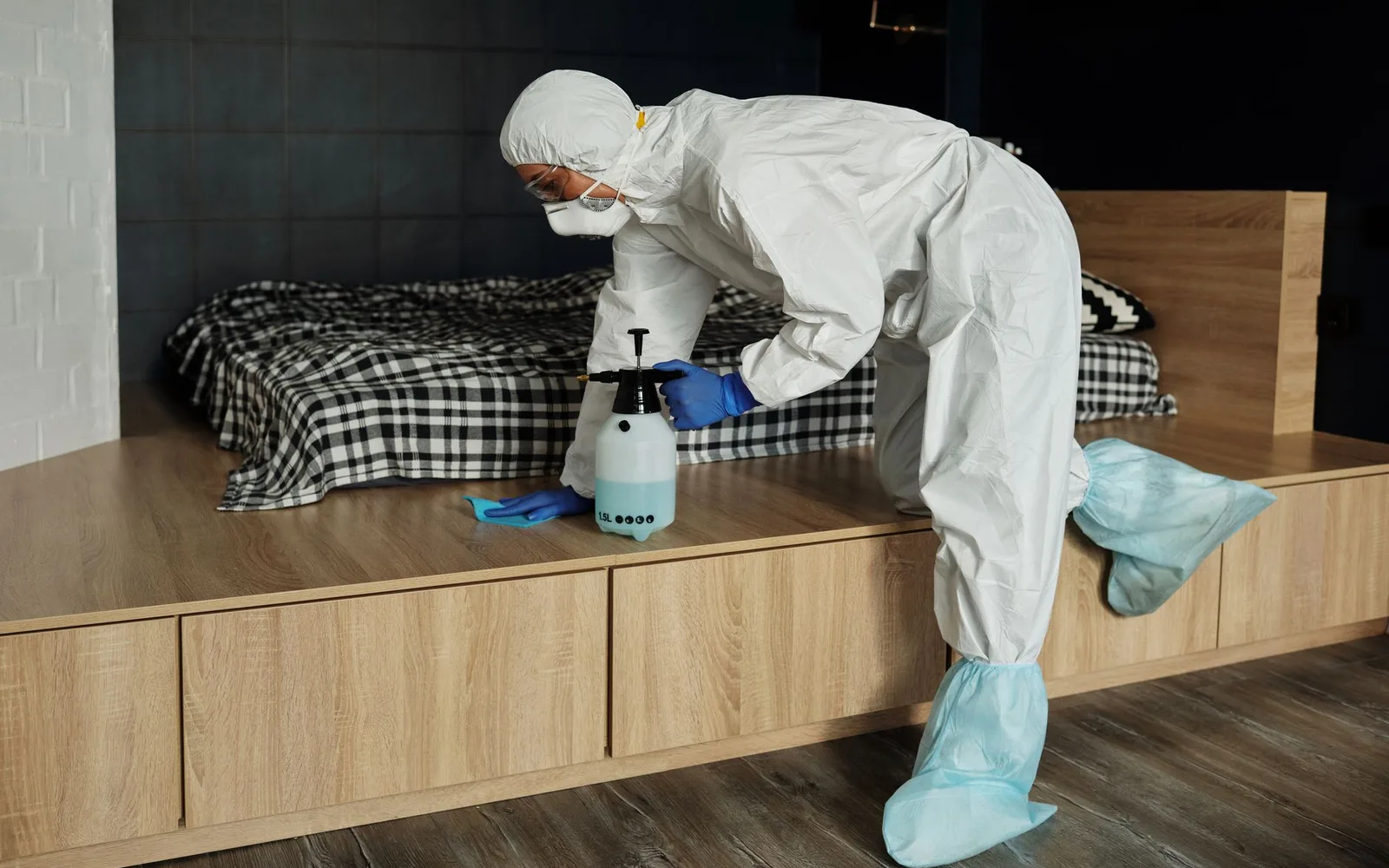
Bed bug control in Harat Al Bab Wa Al Shamiyah Makkah
Harat Al Bab Wa Al Shamiyah occupies the strip immediately north of the Grand Mosque, in an area of active redevelopment and reconstruction. Old Al Shamiyah was cleared and rebuilt; the land now holds excavations and open building sites beside older blocks that have been converted to dense seasonal pilgrim housing. Vacant ground and active construction introduce insects from exposed soil, whilst the mix of new and old buildings creates multiple infection pathways.
-
Targeted, not broadcast
Product goes into cracks and runways, never sprayed across open surfaces.
-
Told before we start
What we will use, where it goes, and what to cover or move before we arrive.
-
A follow-up visit
We return after the first treatment, because what survives it does not show on the day.
-
Homes and businesses
Apartments and villas, and kitchens and stores that need a record of each visit.
Why they keep coming back in Harat Al Bab Wa Al Shamiyah
On the building sites and vacant ground here, insects migrate from exposed soil through newly laid pipes and conduits into the older buildings nearby. Constant excavation and development means the old housing stock is exposed to novel pest pressure from the ground itself. The method is set out in full on our Bed bug control service.
Active construction sites and open ground
Open building land and excavations in Harat Al Bab Wa Al Shamiyah create damp habitat full of insects. Newly laid pipes and conduits installed for the development provide direct pathways for insects to travel from soil into the adjacent older buildings. Every phase of construction disturbs the ground and releases pests into the area.
Old buildings converted to dense pilgrim housing
Buildings that survived redevelopment have been converted to seasonal accommodation for Umrah visitors, with rapid guest turnover. The constant churn of tenants and the unstable occupancy pattern make the buildings permeable to bed bugs. A new guest can introduce the insect within hours of arrival.
Immediate proximity to the Grand Mosque and courtyards
Harat Al Bab Wa Al Shamiyah sits directly beside the mosque courtyards, creating constant foot traffic from pilgrims arriving from many countries and many hotels. Visitors bearing bed bugs from distant cities move through the quarter daily. The quarter is porous to outside infection because of this constant throughput.
The character of Harat Al Bab Wa Al Shamiyah
New development: ongoing construction and vacant plots between the homes
A new development area with ongoing construction means novel infection sources emerge continuously as excavation and building proceed. Treatment here is not a conclusion but part of an ongoing programme to manage recurring pest pressure from building sites and exposed ground.
The places that decide the treatment
Harat Al Bab Wa Al Shamiyah lies in a zone of ongoing expansion below Jabal Hindi, where the northern expansion of the Grand Mosque and the Rua Al Haram scheme are under construction. Excavated ground and open building sites sit adjacent to ageing buildings, with old flood paths still running through the area.

The mattress seam
Mattress seams in buildings converted to seasonal housing here are often soiled and exposed to moisture from nearby excavations, requiring deep cleaning before treatment.
Frame joints and screw holes
Frame joints and screw holes may lie close to new pipes installed for the development, which can provide routes for insects to reach the bed from within the wall cavity.
The headboard and the wall behind it
The headboard and its wall may sit near building site openings or cracks in the structure caused by excavation and ground movement.
What the bedding shows
Bedding in these buildings often shows signs of infestation quickly because guests are transient and new arrivals carry the insect from multiple sources, yet no one resident notices the problem in time.
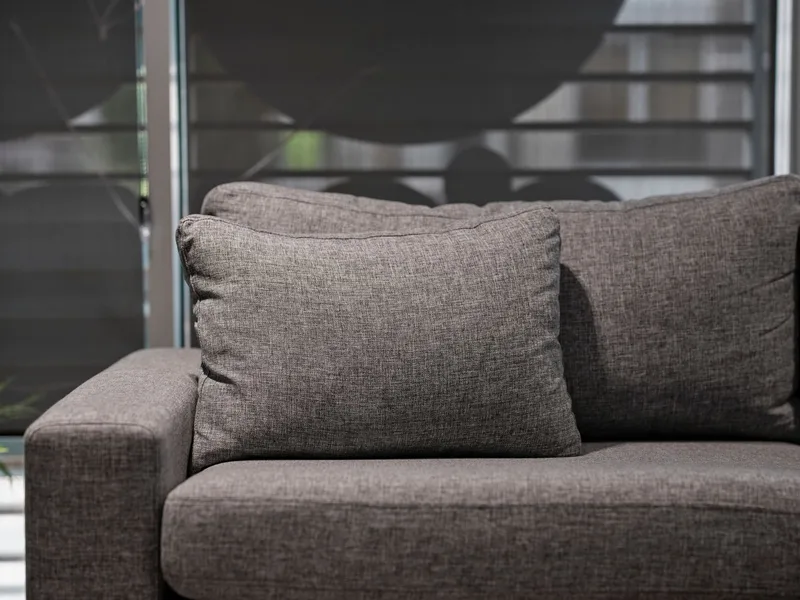
Sofas and armchairs
Sofas and chairs in reception areas and corridors are often the first harborage when an infested guest's luggage enters the building.

Luggage and second hand furniture
Second hand furniture and luggage arriving from hotels and other locations provides a repeated infection vector in an area focused on pilgrim accommodation.
How we work
-
1
Inspect and map the spread
We strip the bed and work through the mattress and base seams, the frame joints, the headboard and the skirting, then check the upholstered furniture and the neighbouring rooms to see how far it has gone.
-
2
Laundry, heat and steam
Bedding is bagged and sealed inside the room, then washed and dried hot. Steam runs along the seams and edges, because heat reaches the cemented eggs that a liquid never will.
-
3
Targeted, non-repellent application
A non-repellent product goes onto the harbourage itself, with a dust into voids and screw holes. We do not use a repellent aerosol, because it drives the insect deeper into the wall and into the next room.
-
4
Monitoring and the follow-up visit
A sealed encasement goes onto the mattress and the base, with monitors under the bed legs, then we return once the remaining eggs have hatched and re-treat anything still active.
What bed bug control includes
-

A recorded inspection
Mattress and base seams, frame joints, the headboard, the skirting and every upholstered piece in the room.
-

Steam and targeted application
Steam along the seams and edges, and a non-repellent product on the harbourage itself, not on the surfaces you sleep on.
-

Voids and pipe entries
Behind the skirting, around pipe entries and under socket plates, which is the route from one unit to the next.
-

Monitors under the bed legs
Checked at every visit, they show remaining activity before the bites do.
-

Laundry, encasement and aftercare
The hot wash and dryer routine, a sealed encasement on the mattress and base, and what must not be carried out of the room.
-

A follow-up timed to the hatch
A date set on the hatch, and re-treatment of anything still active.
Landmarks of Harat Al Bab Wa Al Shamiyah
Treatment of Harat Al Bab Wa Al Shamiyah is coordinated with pilgrim movement around the Grand Mosque and the northern expansion courtyards. Work focuses on the interface between the Rua Al Haram project and the older residential blocks, extending to the Khalid ibn Al Walid Mosque that marks the western edge of the quarter.
- The Grand Mosque
- Northern expansion courtyards
- Jabal Hindi
- Rua Al Haram project
- Khalid ibn Al Walid Mosque
Questions about this district
Do excavations and vacant plots bring bed bugs up from the soil?
Open ground creates habitat for many insects, but bed bugs do not live in soil. However, the dampness and presence of other pests may indicate conditions that support bed bug survival. Newly laid pipes from building sites may carry other insects into the buildings.
Does new construction beside old buildings increase bed bug risk?
Yes, movement and materials from the building site introduce insects to the old buildings. Moisture from excavations increases humidity in adjacent structures, which may favour bed bug persistence.
Do temporary residents and pilgrims continuously reintroduce bed bugs?
Yes, Umrah visitors arriving from hotels and homes worldwide unknowingly carry bed bugs. The constant flow of people between distant locations ensures repeated introduction of the insect to the quarter.
Is treating one building sufficient in an area of active redevelopment?
Coordinate treatment with adjoining buildings and vacant plots. A quarter undergoing continuous change may require seasonal or regular treatment, because new infection sources appear as development proceeds.
Are areas of active building more exposed to bed bugs than stable districts?
Yes, movement and development bring insects from multiple sources. Open ground and building sites create ideal breeding habitat for diverse pests and stable populations of bed bugs.
Should the building site itself be treated before the residential buildings?
Treating the site itself may not be practical, but focusing on the contact points between the site and buildings is essential. Barriers and regular cleaning may reduce insect transfer from open ground into housing.
How much does bed bug control in Harat Al Bab Wa Al Shamiyah cost?
It is set after the inspection, because the price follows the type of infestation, the size of the space, how far it has spread and the number of visits it needs. Send a photo and a description on WhatsApp and we will give you an estimate before we reach Harat Al Bab Wa Al Shamiyah.
Nearby districts we cover
Other services in Harat Al Bab Wa Al Shamiyah
Other services we provide to residents of Harat Al Bab Wa Al Shamiyah.
-
 Residential
Cockroach control
Residential
Cockroach control
-
 Residential
Termite control
Residential
Termite control
-
 Residential
Rodents and mice
Residential
Rodents and mice
-
 Residential
Mosquito control
Residential
Mosquito control
-
 Residential
Fly control
Residential
Fly control
-
 Residential
Ant control
Residential
Ant control
-
 Residential
Gecko control
Residential
Gecko control
-
 Residential
Scorpion control
Residential
Scorpion control
-
 Residential
Snake control
Residential
Snake control
-
 Residential
Flea control
Residential
Flea control
-
 Residential
Bird and pigeon control
Residential
Bird and pigeon control
-
 Residential
Preventive treatment
Residential
Preventive treatment
-
 Residential
Disinfection
Residential
Disinfection
-
 Commercial
Annual contracts
Commercial
Annual contracts
-
 Commercial
Restaurants and cafes
Commercial
Restaurants and cafes
-
 Commercial
Hotels and apartments
Commercial
Hotels and apartments
-
 Commercial
Warehouses and factories
Commercial
Warehouses and factories
-
 Commercial
Schools and nurseries
Commercial
Schools and nurseries
-
 Commercial
Retail and malls
Commercial
Retail and malls
-
 Commercial
Rest houses and farms
Commercial
Rest houses and farms
-
 Commercial
Fumigation
Commercial
Fumigation
-
 Water tanks
Water tank cleaning
Water tanks
Water tank cleaning
-
 Water tanks
Water tank sterilization
Water tanks
Water tank sterilization
-
 Water tanks
Water tank sealing
Water tanks
Water tank sealing
-
 Water tanks
Tank leak repair
Water tanks
Tank leak repair
Need bed bug control in Harat Al Bab Wa Al Shamiyah? Tell us what you saw and we will tell you what it needs
We reach Harat Al Bab Wa Al Shamiyah at a time we agree, and you get the full cost before we start.