
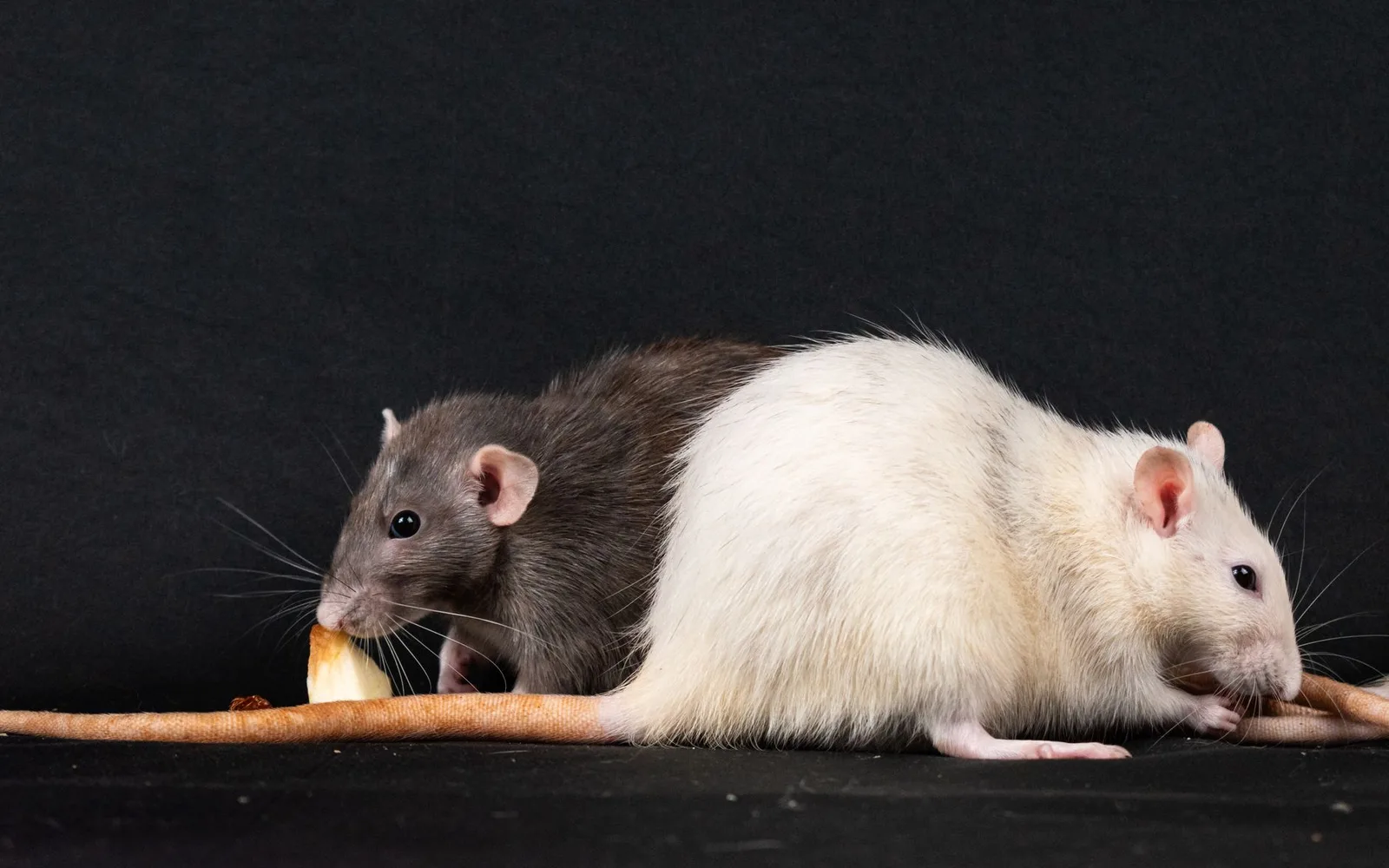
Rodents and mice in Al Haram Makkah
Al Haram's commercial zone surrounds the Grand Mosque with relentless pilgrim and Umrah visitor traffic throughout the year, ringed by hotel towers and crowded markets. The scale of this constant flow, combined with goods storage in small warehouses and offices here, makes rodent control fundamentally different from residential districts elsewhere.
-
Targeted, not broadcast
Product goes into cracks and runways, never sprayed across open surfaces.
-
Told before we start
What we will use, where it goes, and what to cover or move before we arrive.
-
A follow-up visit
We return after the first treatment, because what survives it does not show on the day.
-
Homes and businesses
Apartments and villas, and kitchens and stores that need a record of each visit.
Why they keep coming back in Al Haram
The continuous movement of pilgrims and visitors brings repeated external entry to the area, and each treatment cycle encounters fresher infestations here than in stable residential zones. The method is set out in full on Rodents and mice in detail.
Small warehouses and stacked goods storage
Concentrated inventory in small warehouses differs entirely from dispersed household storage. Boxes and pallets create safe pathways where rodents move unseen, and ground-level entry points are harder to seal completely than in domestic housing. The density of materials masks the scale of activity.
Open markets and restaurants with scattered waste
Markets along Al Masjid Al Haram Road provide continuous food access, and refuse is scattered across public areas rather than contained in bins. This fundamentally changes bait competition: here the environment offers abundant easy food, so a secured bait station cannot compete the way it does in residential districts where household food is scarce.
Ancient flood channels and deep drainage routes
Old flood paths from Jabal Qaiqaan descend toward the mosque through established channels, offering deep stable corridors where rodents travel safely. Entry is not through shallow foundation cracks as in housing, but through entrenched natural routes that are harder to inspect and seal.
The character of Al Haram
Commercial area: offices, showrooms and small stores
In a commercial zone around the Grand Mosque, rodents do not originate in domestic housing but from neighbouring markets, warehouses and construction zones. Treatment here prioritises external barriers and outdoor trapping over the interior methods used in residential districts.
What we read in the building before any bait goes down
Open construction sites and excavated ground around the northern expansion leave passage ways for rodents, whilst the congested markets along Al Masjid Al Haram Road offer abundant food sources and hiding places.
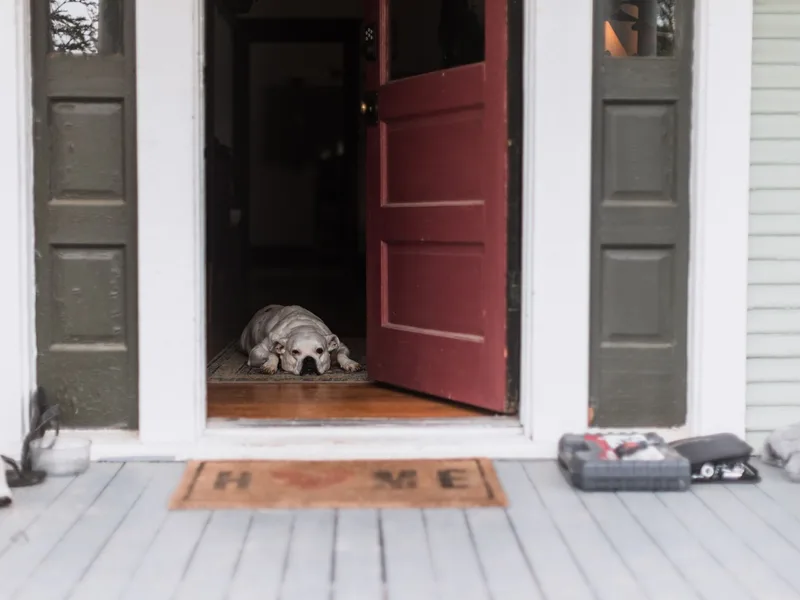
The gap under the door
Door gaps in warehouses and offices widen from constant goods movement and unstable flooring, making seals difficult to maintain.
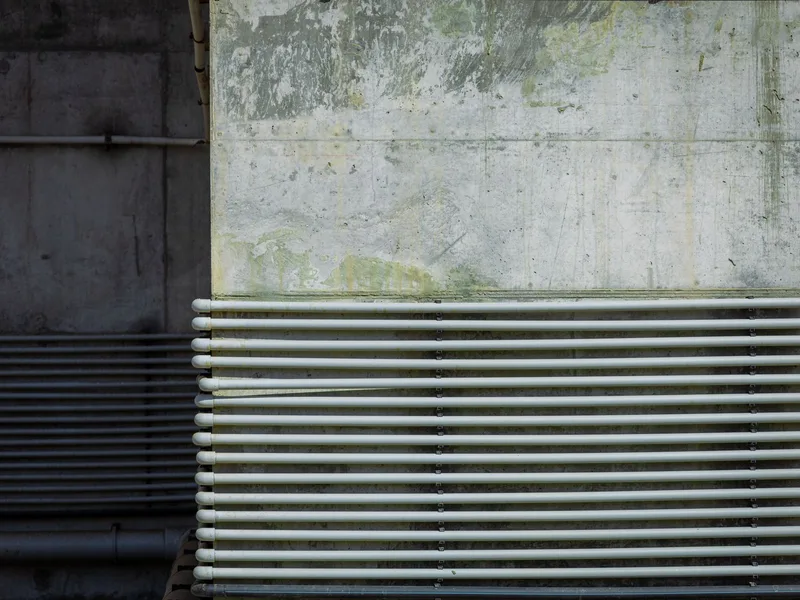
Pipe and conduit openings
Pipe and conduit openings in crowded warehouses sit close together and are hidden by stockpiles, making complete sealing nearly impossible.
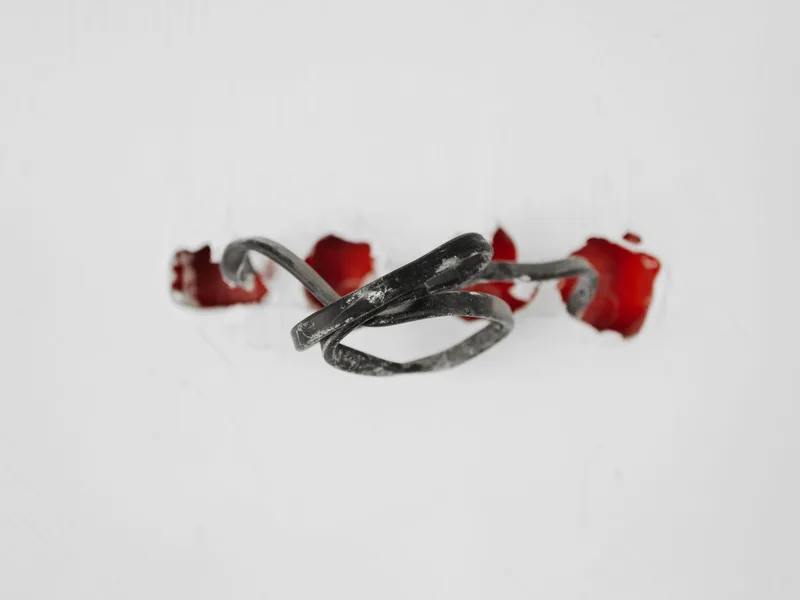
Gnaw marks
Gnaw marks on boxes and stored goods appear quickly but are hard to distinguish from old damage in accumulated inventory.
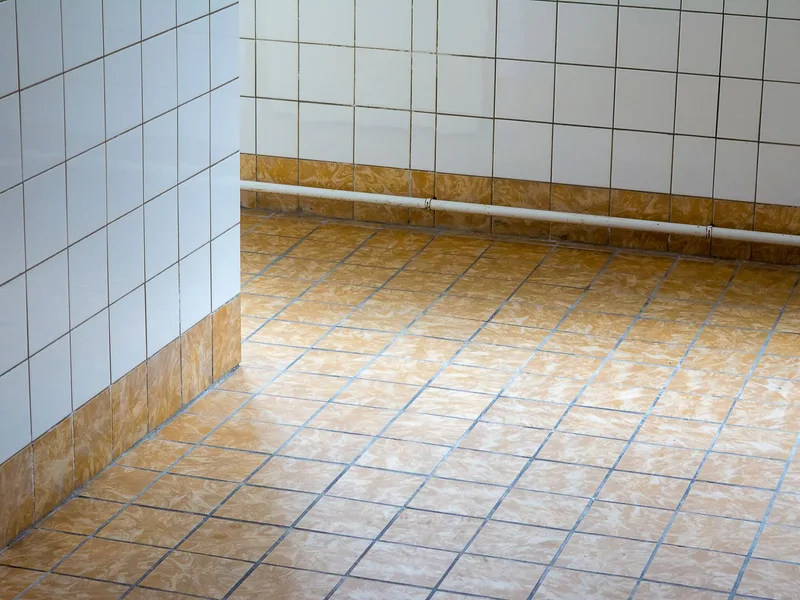
The run along the wall
The run along the wall follows concealed electrical and pipework routes, where rodents travel protected from view.
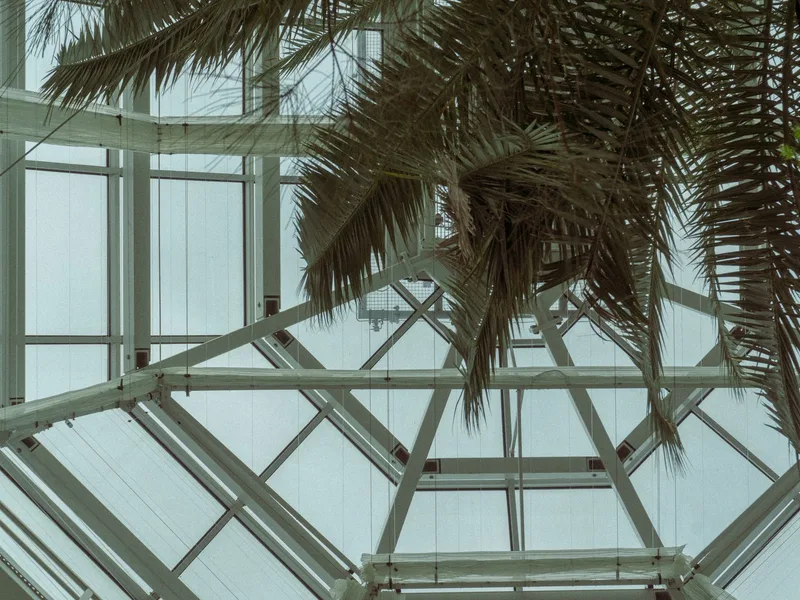
The route from above
Routes overhead through shared ceiling spaces between units and adjacent shops create secure passages that span beyond your own perimeter.
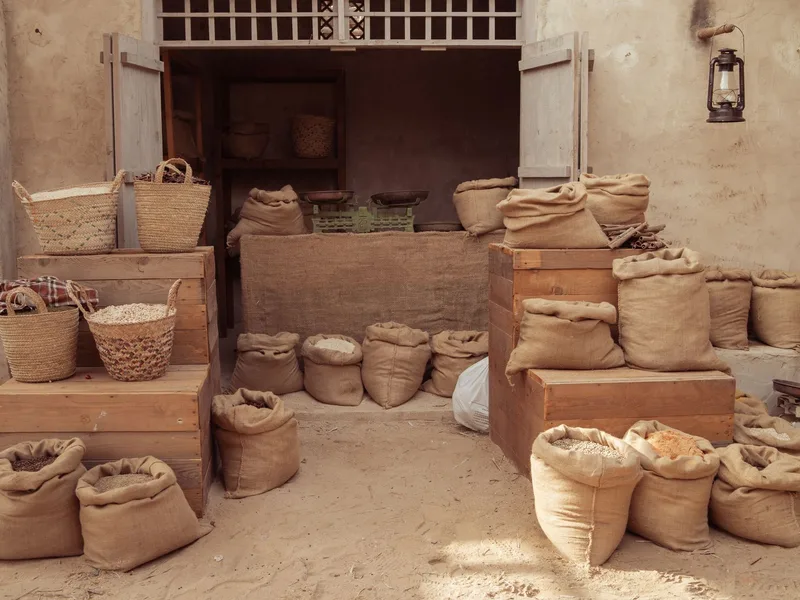
The water and the food on offer
Water from leaking hotel plumbing next door and food debris from restaurants below the same block make this warehouse exceptionally attractive.
How we work
-
1
Inspect and trace the runs
We work the perimeter, the kitchen, the store and the false ceiling, establish the species, the entry points and the water source, and mark the station positions before anything is carried in.
-
2
Close the openings
Metal mesh, mortar and base strips at the gaps, around pipe sleeves and at vents, because foam and silicone are gnawed through within days.
-
3
Secured bait and traps
Closed stations fixed on the runs outside the building, and traps rather than loose bait indoors, so that anything that dies stays somewhere we can reach.
-
4
The follow-up visit
We read the take at each station, replenish what has gone, remove anything found, and close any opening that showed itself once the movement settled.
What rodent control includes
-

Inspection and a station map
Entry points, runs and station positions recorded, so the same points are checked on every visit.
-

Sealing pipes and drains
Floor traps, pipe sleeves, vents and the air conditioning drain line, the routes that arrive from outside the unit.
-

Secured bait stations
Closed and fixed on the outside runs, out of reach of children and animals, while indoors we work with traps.
-

Treating the nest site
A rodent leaves parasites and nesting material behind, so the nest is removed and the void it sat in is treated.
-

Aftercare instructions
Stock lifted off the floor, droppings cleaned damp with disinfectant instead of swept dry, and pet bowls emptied at night.
-

A scheduled follow-up
A set date after the first visit: read the take, replenish the bait, remove anything found and close what is still open.
What is different about Al Ghazza Sub-Municipality
Al Ghazza sub municipality wraps around the north and west of the Grand Mosque, from Al Shamiyah, Al Qararah and Shaib Amir round to Jarwal and Al Taysir. Large tracts were cleared for the northern expansion and the Rua Al Haram scheme, leaving excavated ground and open construction sites beside ageing blocks that now serve as dense seasonal lodgings in Jarwal and Al Taysir. Old flood paths still fall from Jabal Qaiqaan and Jabal Khandamah towards the mosque, and markets and eateries crowd Al Masjid Al Haram Road and Umm Al Qura Road.
Questions about this district
How do we block rodents entering from construction sites nearby?
Excavated ground and open construction sites attract rodents from considerable distance. We focus on perimeter barriers and sealed entry points around your property boundary, not just the building itself, because rodents will excavate fresh routes if loose ground lies close by.
Is treating the warehouse alone enough, or must the surrounding markets be addressed?
Treating your warehouse alone is incomplete if the surrounding markets remain active. Rodents migrate from markets to warehouses after dark, so we concentrate on perimeter blockade and outdoor traps rather than relying on internal treatments only.
Does the Hajj and Umrah season change the treatment strategy?
Pilgrim seasons increase congestion and waste accumulation near warehouses and offices. At these times we emphasise surface traps and barrier maintenance over bait placement, because rodents prefer to shelter in the clutter rather than seek bait stations.
Why do market and restaurant odours continue attracting fresh rodents after treatment?
Food odours from busy markets travel considerable distance and draw new arrivals long after the original population is cleared. We maintain continuous perimeter management and regular outdoor trapping rather than expecting a single treatment cycle to hold.
Do barrier materials withstand moisture and rain on excavated ground?
Excavated sites accumulate water and high humidity. We use durable materials and steel fixings rather than timber, and clear drainage channels regularly to prevent pooling that harbours rodents.
Do rodents from markets behave differently from those in construction sites?
Market rodents are smaller and faster; construction site rodents are larger and tunnel deeper. We adjust trap types and barrier configurations to match each population.
How much does rodents and mice in Al Haram cost?
It is set after the inspection, because the price follows the type of infestation, the size of the space, how far it has spread and the number of visits it needs. Send a photo and a description on WhatsApp and we will give you an estimate before we reach Al Haram.
Nearby districts we cover
Other services in Al Haram
Other services we provide to residents of Al Haram.
-
 Residential
Cockroach control
Residential
Cockroach control
-
 Residential
Bed bug control
Residential
Bed bug control
-
 Residential
Termite control
Residential
Termite control
-
 Residential
Mosquito control
Residential
Mosquito control
-
 Residential
Fly control
Residential
Fly control
-
 Residential
Ant control
Residential
Ant control
-
 Residential
Gecko control
Residential
Gecko control
-
 Residential
Scorpion control
Residential
Scorpion control
-
 Residential
Snake control
Residential
Snake control
-
 Residential
Flea control
Residential
Flea control
-
 Residential
Bird and pigeon control
Residential
Bird and pigeon control
-
 Residential
Preventive treatment
Residential
Preventive treatment
-
 Residential
Disinfection
Residential
Disinfection
-
 Commercial
Annual contracts
Commercial
Annual contracts
-
 Commercial
Restaurants and cafes
Commercial
Restaurants and cafes
-
 Commercial
Hotels and apartments
Commercial
Hotels and apartments
-
 Commercial
Warehouses and factories
Commercial
Warehouses and factories
-
 Commercial
Schools and nurseries
Commercial
Schools and nurseries
-
 Commercial
Retail and malls
Commercial
Retail and malls
-
 Commercial
Rest houses and farms
Commercial
Rest houses and farms
-
 Commercial
Fumigation
Commercial
Fumigation
-
 Water tanks
Water tank cleaning
Water tanks
Water tank cleaning
-
 Water tanks
Water tank sterilization
Water tanks
Water tank sterilization
-
 Water tanks
Water tank sealing
Water tanks
Water tank sealing
-
 Water tanks
Tank leak repair
Water tanks
Tank leak repair
Need rodents and mice in Al Haram? Tell us what you saw and we will tell you what it needs
We reach Al Haram at a time we agree, and you get the full cost before we start.