
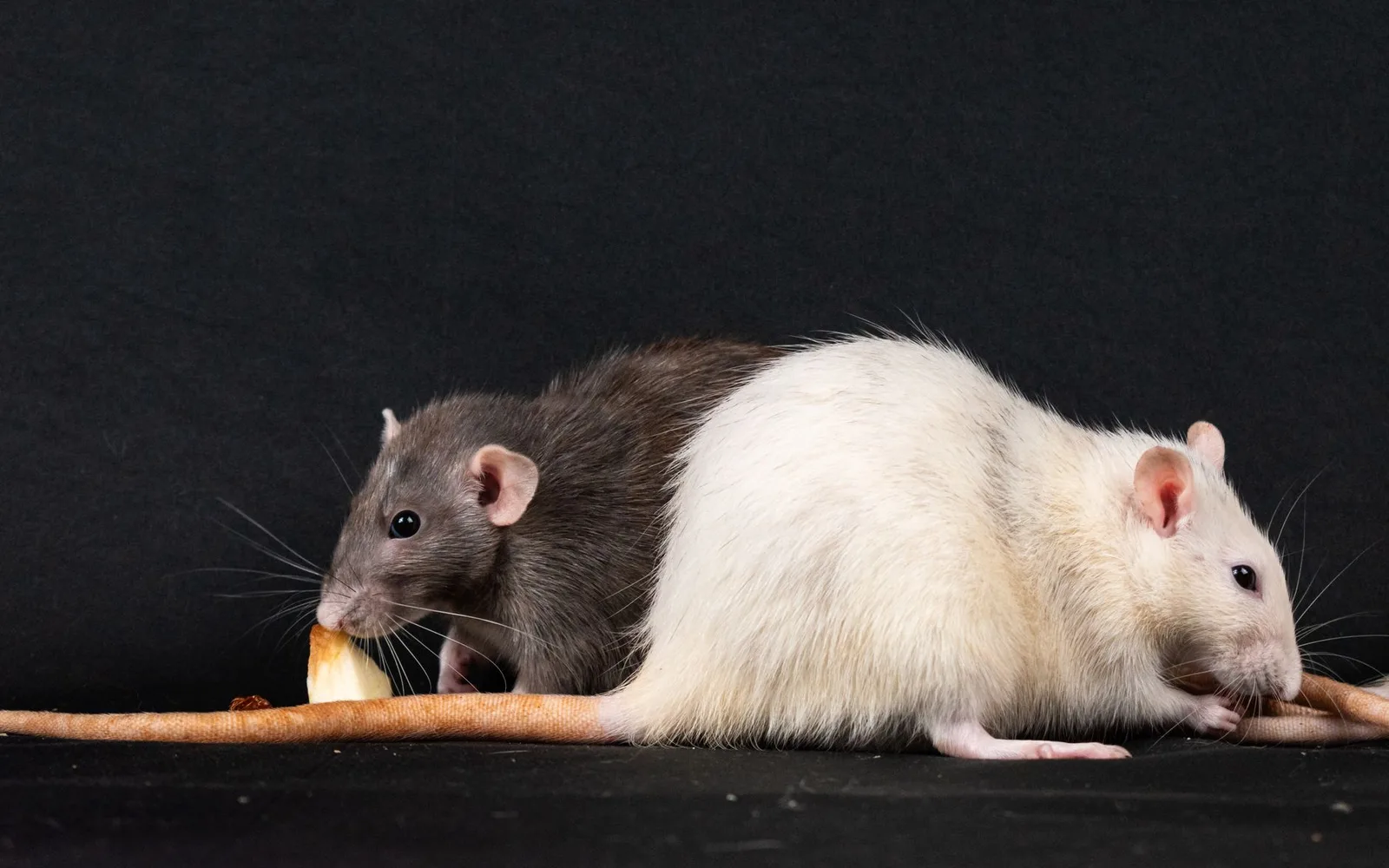
Rodents and mice in Hunayn Makkah
Hunayn is the north eastern tip of Al Sharai on the Taif road, a rural area of palm orchards, running springs and the village of Sharai Al Nakhl, with scattered homes spread across open ground. Rodents here live close to natural water sources and abundant food in the farms, and scattered housing means each home is an isolated target exposed to attack from neighbouring rodents that shelter in the palms and fields.
-
Targeted, not broadcast
Product goes into cracks and runways, never sprayed across open surfaces.
-
Told before we start
What we will use, where it goes, and what to cover or move before we arrive.
-
A follow-up visit
We return after the first treatment, because what survives it does not show on the day.
-
Homes and businesses
Apartments and villas, and kitchens and stores that need a record of each visit.
Why they keep coming back in Hunayn
Rodents in Hunayn are most active in autumn and winter when crops ripen and temperatures drop. Permanent springs provide easy drinking water all year round. The method is set out in full on how we approach Rodents and mice.
Farms and permanent water sources
Hunayn springs and the historic aqueduct arch maintain water flow throughout the year. Irrigated date orchards fed by this water provide easy access to both food and water for rodents. Homes beside farms are under constant pressure from rats that live in the palms.
Scattered homes and isolation
Houses in Hunayn are spread apart, with one home sometimes distant from the next. Each must be defended independently. Rodents from neighbouring farms or a nearby house only reach you if they find an entry, but isolation makes monitoring harder.
Open ground and old irrigation channels
The rural area contains remnants of old channels and tunnels from traditional irrigation. These exposed trenches provide safe routes for rodents underground. Rodents use these paths to move between farms and homes.
The character of Hunayn
Rural area: farms, open ground and scattered homes
Rural homes in Hunayn are isolated and sometimes far from each other. Rodents here are not the result of poor hygiene but of proximity to farms and natural water sources.
What we read in the building before any bait goes down
Running springs and irrigated orchards, along with date palms, provide warm shelter and easy food and water sources for rodents. Scattered homes mean infestation spreads slowly but remains constant, fed by permanent sources outside.
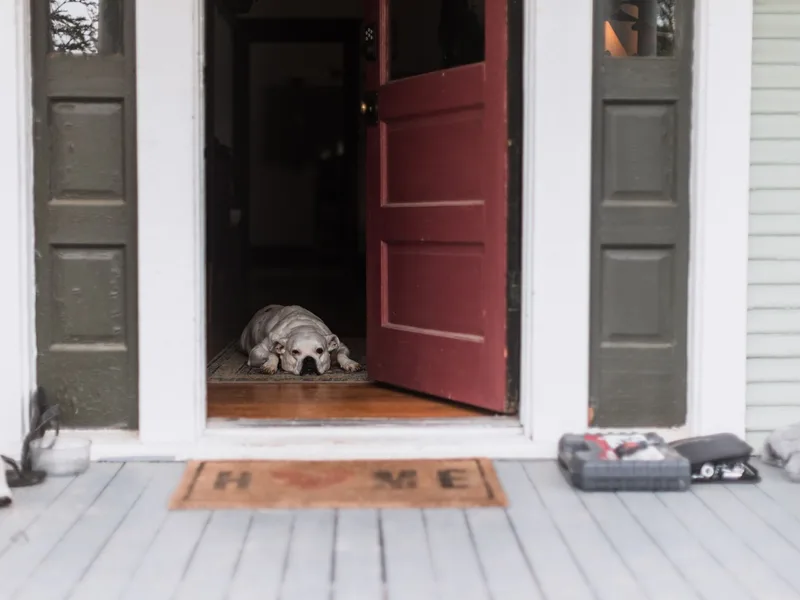
The gap under the door
The gap under a rural home's door may be wider than in towns due to uneven ground and lack of level tarmac. It must be sealed with solid material that will not shift in wind.
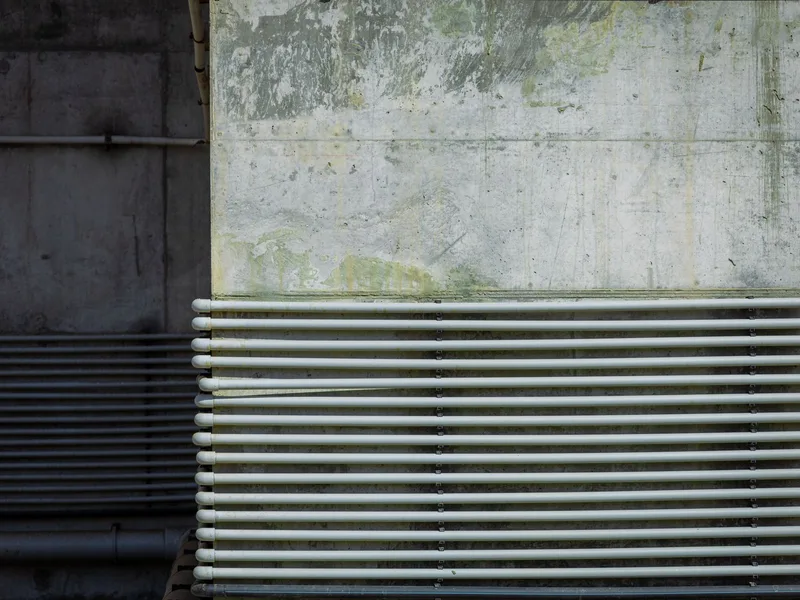
Pipe and conduit openings
Entry points where pipes come from farms or wells into the home must be checked carefully. Open or broken pipes are direct entry routes.
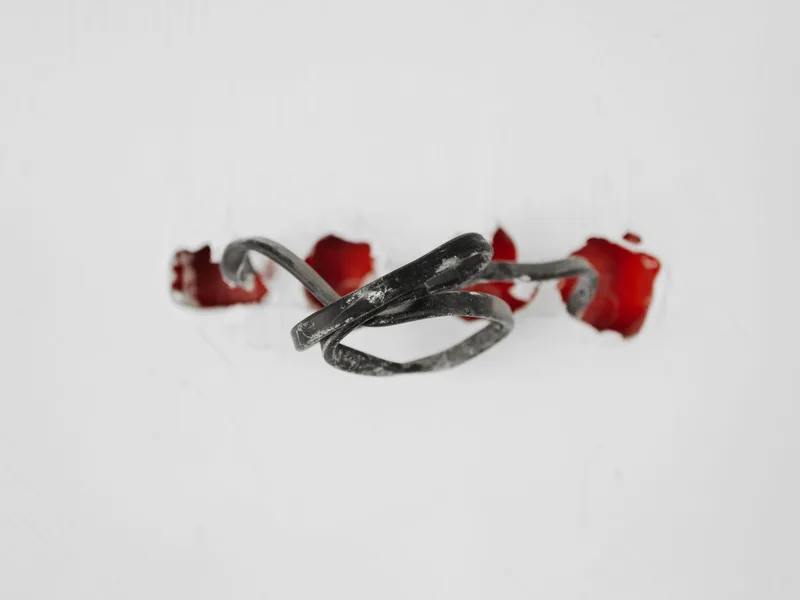
Gnaw marks
Gnaw marks on furniture or wooden boxes inside are very common in Hunayn. Rodents feed easily on wood, fabric and paper.
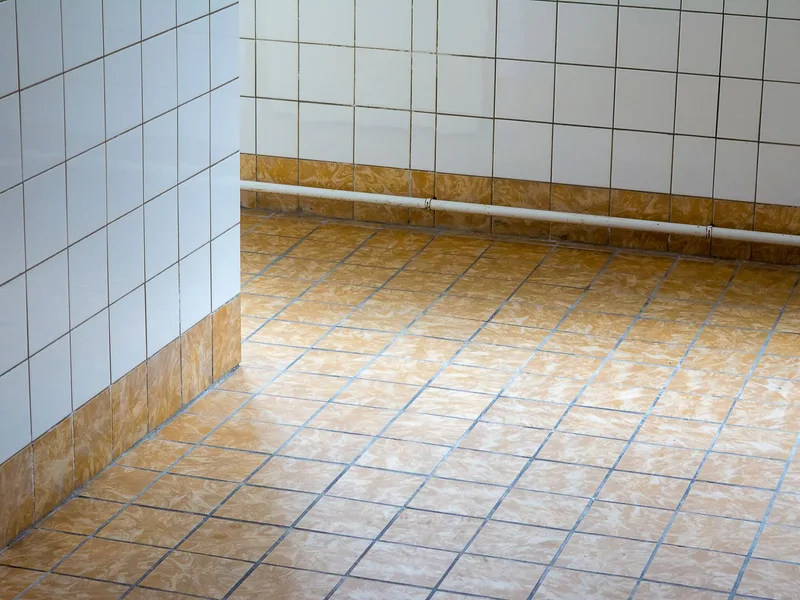
The run along the wall
The run along the home's outer wall often starts from surrounding ground. In rural areas the paths are more obvious because soil shows movement marks.
The route from above
Routes from above are rare in scattered rural homes, but entry from beneath the foundation through tunnels is more likely.
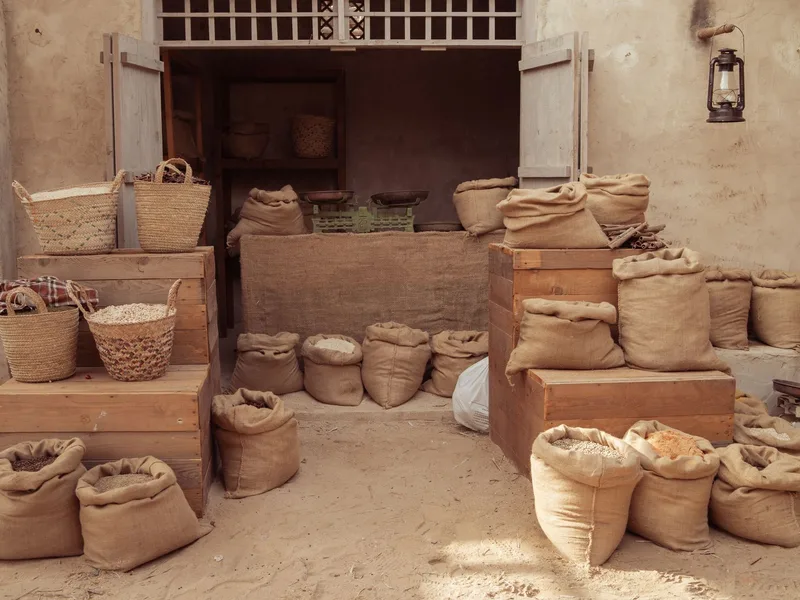
The water and the food on offer
Food and water are abundant in the farms and around wells and springs. Rodents come towards the home because water and food are available there, not because they are always hungry.
How we work
-
1
Inspect and trace the runs
We work the perimeter, the kitchen, the store and the false ceiling, establish the species, the entry points and the water source, and mark the station positions before anything is carried in.
-
2
Close the openings
Metal mesh, mortar and base strips at the gaps, around pipe sleeves and at vents, because foam and silicone are gnawed through within days.
-
3
Secured bait and traps
Closed stations fixed on the runs outside the building, and traps rather than loose bait indoors, so that anything that dies stays somewhere we can reach.
-
4
The follow-up visit
We read the take at each station, replenish what has gone, remove anything found, and close any opening that showed itself once the movement settled.
What rodent control includes
-

Inspection and a station map
Entry points, runs and station positions recorded, so the same points are checked on every visit.
-

Sealing pipes and drains
Floor traps, pipe sleeves, vents and the air conditioning drain line, the routes that arrive from outside the unit.
-

Secured bait stations
Closed and fixed on the outside runs, out of reach of children and animals, while indoors we work with traps.
-

Treating the nest site
A rodent leaves parasites and nesting material behind, so the nest is removed and the void it sat in is treated.
-

Aftercare instructions
Stock lifted off the floor, droppings cleaned damp with disinfectant instead of swept dry, and pet bowls emptied at night.
-

A scheduled follow-up
A set date after the first visit: read the take, replenish the bait, remove anything found and close what is still open.
What is different about Al Sharai Sub-Municipality
Al Sharai is the eastern growth front of Makkah along King Faisal Road and the Taif road. Settled quarters sit beside recently renamed schemes where plots are still vacant and buildings are going up, so construction sites, fill and open excavations lie next to occupied homes. Wadi channels such as Wadi Mudarraja, Wadi Al Sharai and Wadi Al Mughammas carry flash floods after rain and dry out to damp silt, while dust blows off the open hills. Roadside shops, restaurants and warehouses line the Taif road, and to the east the area shades into villages, palm farms and springs.
Questions about this district
Are the running springs the main reason rodents are so numerous here?
Yes, the springs and aqueduct provide permanent water and an endless resource. Rodents know water is available here all year with no effort. If your home sits near a spring or irrigated palms, you are always under threat.
Does treating one home stop rodents coming from the neighbouring palm farm?
Treating the home is necessary but rodents may return if the farms remain infested. If palms sit beside your house, coordinating with neighbouring farms helps, or at least protecting your home's perimeter much more heavily.
Can rodents gnaw through modern water pipes in this area?
Yes, they chew plastic and soft metal pipes to reach water. Modern pipes may be targets if rodents are hungry. Traditional open irrigation channels are more dangerous because they provide both routes and water at once.
Do old irrigation trenches and tunnels provide safe shelter for rodents?
Absolutely. Open trenches and underground channels offer safe havens from heat and predators. Rodents dig side branches from these channels. Every trench near your home is a potential shelter.
Are the homes in Sharai Al Nakhl village itself more at risk than scattered ones?
Yes, the village is ringed by palm trees on all sides. Homes within it face greater pressure from neighbouring rodents. Water, rich soil and dense vegetation create ideal conditions for rats.
Is preventive treatment needed more often in Hunayn than other areas?
Yes, much more often. Permanent water and food sources in the farms mean rodents will always be near. Treating current infestation is necessary, but ongoing monitoring and preventive visits protect against rapid return.
How much does rodents and mice in Hunayn cost?
It is set after the inspection, because the price follows the type of infestation, the size of the space, how far it has spread and the number of visits it needs. Send a photo and a description on WhatsApp and we will give you an estimate before we reach Hunayn.
Other services in Hunayn
Other services we provide to residents of Hunayn.
-
 Residential
Cockroach control
Residential
Cockroach control
-
 Residential
Bed bug control
Residential
Bed bug control
-
 Residential
Termite control
Residential
Termite control
-
 Residential
Mosquito control
Residential
Mosquito control
-
 Residential
Fly control
Residential
Fly control
-
 Residential
Ant control
Residential
Ant control
-
 Residential
Gecko control
Residential
Gecko control
-
 Residential
Scorpion control
Residential
Scorpion control
-
 Residential
Snake control
Residential
Snake control
-
 Residential
Flea control
Residential
Flea control
-
 Residential
Bird and pigeon control
Residential
Bird and pigeon control
-
 Residential
Preventive treatment
Residential
Preventive treatment
-
 Residential
Disinfection
Residential
Disinfection
-
 Commercial
Annual contracts
Commercial
Annual contracts
-
 Commercial
Restaurants and cafes
Commercial
Restaurants and cafes
-
 Commercial
Hotels and apartments
Commercial
Hotels and apartments
-
 Commercial
Warehouses and factories
Commercial
Warehouses and factories
-
 Commercial
Schools and nurseries
Commercial
Schools and nurseries
-
 Commercial
Retail and malls
Commercial
Retail and malls
-
 Commercial
Rest houses and farms
Commercial
Rest houses and farms
-
 Commercial
Fumigation
Commercial
Fumigation
-
 Water tanks
Water tank cleaning
Water tanks
Water tank cleaning
-
 Water tanks
Water tank sterilization
Water tanks
Water tank sterilization
-
 Water tanks
Water tank sealing
Water tanks
Water tank sealing
-
 Water tanks
Tank leak repair
Water tanks
Tank leak repair
Need rodents and mice in Hunayn? Tell us what you saw and we will tell you what it needs
We reach Hunayn at a time we agree, and you get the full cost before we start.