
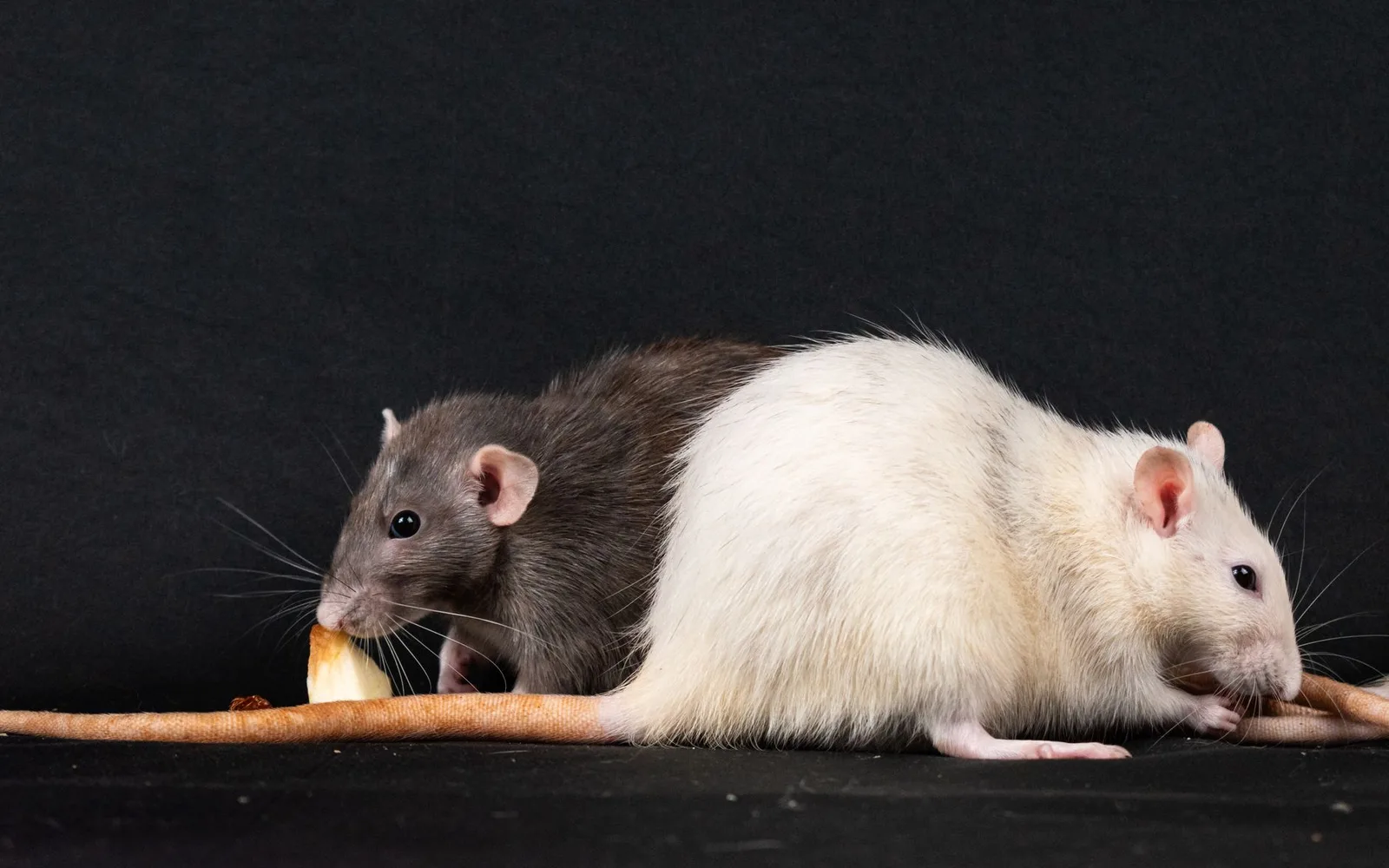
Rodents and mice in Thaniyah Makkah
Thaniyah is an open rural area east of Uhud on the eastern fringe of Al Sharai, well removed from dense city building. Open hilly ground north of the Makkah to Taif expressway between Uhud and Al Hatim, with the hamlet of Abid Al Qurashi and ravines that feed Wadi Mudarraja, and scattered rural houses widely spaced. Rodent populations here are tied to the natural environment more than to urban pressure, so treatment focuses on protecting each home as an independent unit rather than controlling the district as a whole.
-
Targeted, not broadcast
Product goes into cracks and runways, never sprayed across open surfaces.
-
Told before we start
What we will use, where it goes, and what to cover or move before we arrive.
-
A follow-up visit
We return after the first treatment, because what survives it does not show on the day.
-
Homes and businesses
Apartments and villas, and kitchens and stores that need a record of each visit.
Why they keep coming back in Thaniyah
Rural rodent populations here are less dense than urban quarters but more tightly linked to the natural environment, showing seasonal fluctuations according to natural water and food availability. The method is set out in full on what Rodents and mice involves.
Open hilly landscape and natural ravine systems
Thaniyah is open hilly terrain with ravines feeding into Wadi Mudarraja, and rural rodent populations naturally inhabit these channels and wadi systems. Scattered homes offer additional shelter but are not the primary food source. Rodents enter homes when natural conditions deteriorate or winter approaches and outdoor populations seek warmer enclosed spaces.
The small hamlet of Abid Al Qurashi and agricultural activity
The small hamlet contains crops and livestock, providing natural food for rodent populations. Rodents from the hamlet spread to nearby homes especially during harvest seasons. Rural settlement here does not effectively separate cultivated areas from homes, so rodent movement between the hamlet and residences is unrestricted.
Distance from urban infrastructure and centralised services
Thaniyah is remote from urban sewerage and centralised water networks; most homes rely on hand dug wells and septic systems. This means rodent control depends on local protection of individual homes rather than coordinated district wide strategy, and each home must be treated independently.
The character of Thaniyah
Rural area: farms, open ground and scattered homes
Open rural areas mean that rodents are present naturally in the environment, so treatment here focuses on isolating and protecting each individual home from entry rather than attempting to eliminate rodents from the entire district, because the natural environment will sustain external populations regardless of local effort.
What we read in the building before any bait goes down
An open rural and hilly area with very dispersed housing, a small hamlet, ravines that drain after rain, and no urban infrastructure or formal utilities.
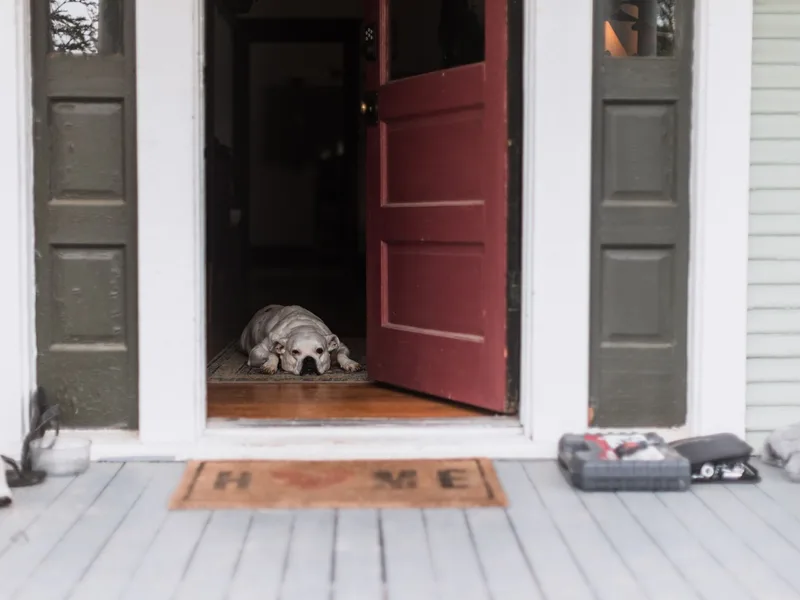
The gap under the door
Gaps under doors of rural homes here are moderate because houses sit directly on hilly ground without formal unified foundations.
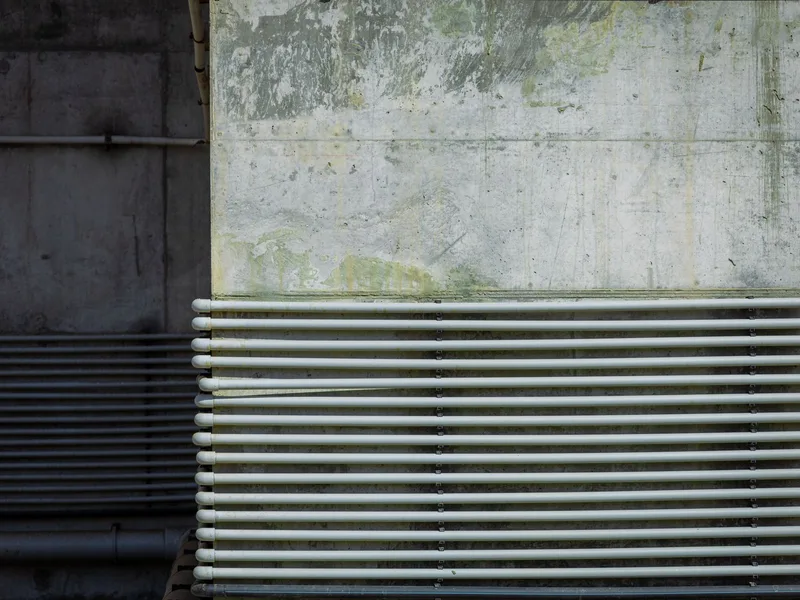
Pipe and conduit openings
Few or no pipe openings exist; most rural homes rely on hand dug wells and septic systems, with openings concentrated on roofs and may be weak points.
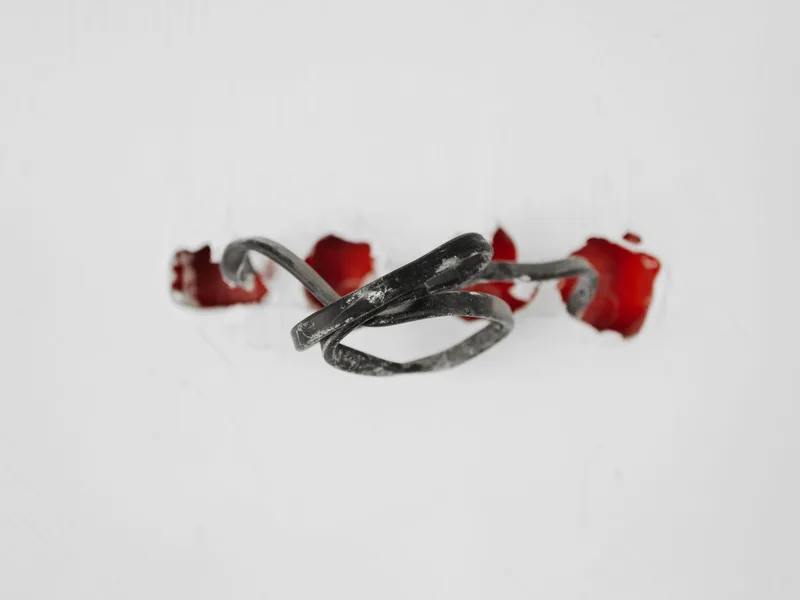
Gnaw marks
Gnaw marks appear around livestock fencing and external storage much more than on houses themselves, showing preference for agricultural targets.
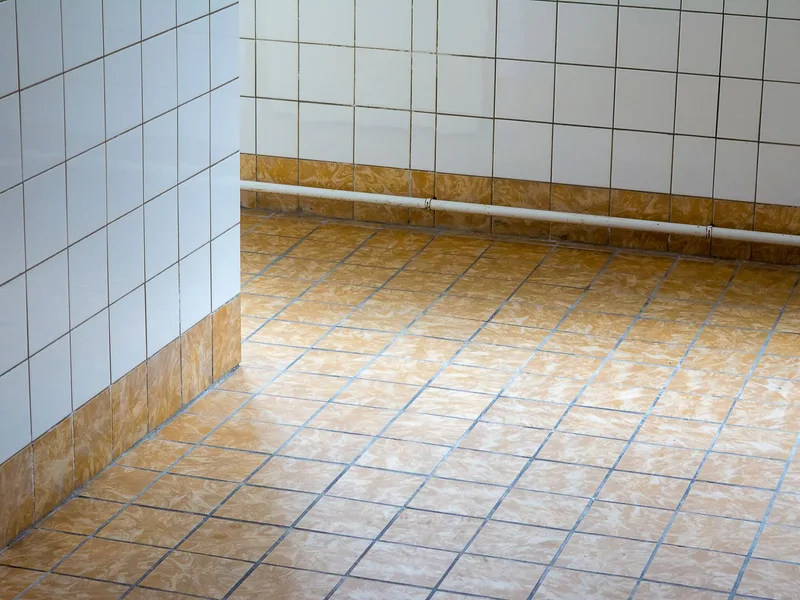
The run along the wall
Rodent runs originate from surrounding ravines and wadis rather than from neighbouring homes, showing independent external origin.
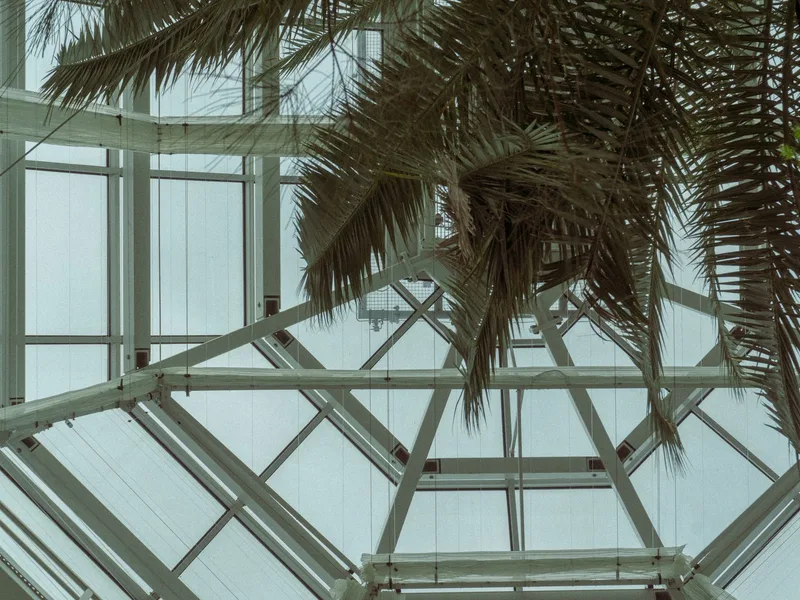
The route from above
From above, rodents enter via simple openings in roofs and walls, especially around external food stores and grain sheds.
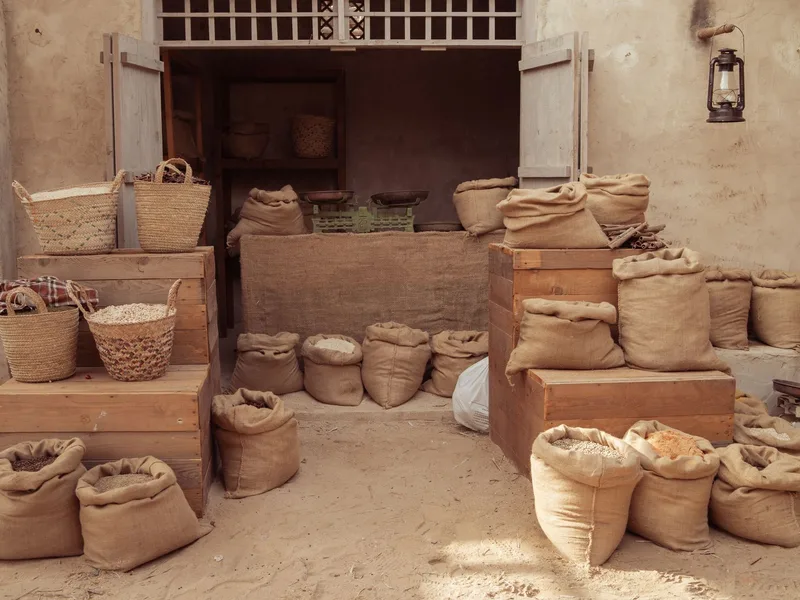
The water and the food on offer
Pooled water after rains and grass around the home provide temporary shelter for transient rural rodent populations.
How we work
-
1
Inspect and trace the runs
We work the perimeter, the kitchen, the store and the false ceiling, establish the species, the entry points and the water source, and mark the station positions before anything is carried in.
-
2
Close the openings
Metal mesh, mortar and base strips at the gaps, around pipe sleeves and at vents, because foam and silicone are gnawed through within days.
-
3
Secured bait and traps
Closed stations fixed on the runs outside the building, and traps rather than loose bait indoors, so that anything that dies stays somewhere we can reach.
-
4
The follow-up visit
We read the take at each station, replenish what has gone, remove anything found, and close any opening that showed itself once the movement settled.
What rodent control includes
-

Inspection and a station map
Entry points, runs and station positions recorded, so the same points are checked on every visit.
-

Sealing pipes and drains
Floor traps, pipe sleeves, vents and the air conditioning drain line, the routes that arrive from outside the unit.
-

Secured bait stations
Closed and fixed on the outside runs, out of reach of children and animals, while indoors we work with traps.
-

Treating the nest site
A rodent leaves parasites and nesting material behind, so the nest is removed and the void it sat in is treated.
-

Aftercare instructions
Stock lifted off the floor, droppings cleaned damp with disinfectant instead of swept dry, and pet bowls emptied at night.
-

A scheduled follow-up
A set date after the first visit: read the take, replenish the bait, remove anything found and close what is still open.
Landmarks of Thaniyah
Thaniyah lies east of Uhud between ravines that feed into Wadi Mudarraja, and the hamlet of Abid Al Qurashi serves as a local reference point. Inspection focuses on the external boundaries of each home and the distances between scattered houses, where rodents arrive from the surrounding natural environment.
- Makkah to Taif Expressway
- Wadi Mudarraja
- Abid Al Qurashi Hamlet
Questions about this district
Why are rodent populations less dense in Thaniyah than in urban Makkah quarters?
Thaniyah is an open rural area with very widely dispersed housing and no concentrated urban food sources. Rural rodents are tied to natural environments and agriculture, not to concentrated urban waste.
Is treating a single rural home effective in this open setting?
Treating one home alone may be more effective here than in dense quarters, because rodents do not move easily between scattered houses. However, the external perimeter must be secured well to prevent entry from wild rural rodent populations in the surrounding hills.
Is the hamlet of Abid Al Qurashi a main source of rodents in Thaniyah?
The small hamlet may provide food for rodents through crops and livestock. Rodents from the hamlet spread to nearby homes, especially during harvest seasons when food waste is high and rodent numbers peak.
Are the ravines and wadis a permanent source of rural rodent populations?
Yes, open ravines and wadis provide natural shelter for rodent populations. Rodents inhabit these places naturally, and their entry to homes depends on opportunity and seasonal environmental conditions rather than constant urban pressure.
How often should a rural villa in Thaniyah need scheduled treatment?
A rural villa in Thaniyah may need follow up treatment only every three to four months rather than weekly cycles, because external pressure is lower and rodents arrive from natural scattered sources rather than concentrated urban populations.
Does sealing the boundary wall and gate effectively protect the rural home?
Sealing the wall is important but rural rodents breach very small gaps and climb walls readily. Sealing must be combined with clearing vegetation and organic material around the home perimeter and monitoring for new breaches.
How much does rodents and mice in Thaniyah cost?
It is set after the inspection, because the price follows the type of infestation, the size of the space, how far it has spread and the number of visits it needs. Send a photo and a description on WhatsApp and we will give you an estimate before we reach Thaniyah.
Nearby districts we cover
Other services in Thaniyah
Other services we provide to residents of Thaniyah.
-
 Residential
Cockroach control
Residential
Cockroach control
-
 Residential
Bed bug control
Residential
Bed bug control
-
 Residential
Termite control
Residential
Termite control
-
 Residential
Mosquito control
Residential
Mosquito control
-
 Residential
Fly control
Residential
Fly control
-
 Residential
Ant control
Residential
Ant control
-
 Residential
Gecko control
Residential
Gecko control
-
 Residential
Scorpion control
Residential
Scorpion control
-
 Residential
Snake control
Residential
Snake control
-
 Residential
Flea control
Residential
Flea control
-
 Residential
Bird and pigeon control
Residential
Bird and pigeon control
-
 Residential
Preventive treatment
Residential
Preventive treatment
-
 Residential
Disinfection
Residential
Disinfection
-
 Commercial
Annual contracts
Commercial
Annual contracts
-
 Commercial
Restaurants and cafes
Commercial
Restaurants and cafes
-
 Commercial
Hotels and apartments
Commercial
Hotels and apartments
-
 Commercial
Warehouses and factories
Commercial
Warehouses and factories
-
 Commercial
Schools and nurseries
Commercial
Schools and nurseries
-
 Commercial
Retail and malls
Commercial
Retail and malls
-
 Commercial
Rest houses and farms
Commercial
Rest houses and farms
-
 Commercial
Fumigation
Commercial
Fumigation
-
 Water tanks
Water tank cleaning
Water tanks
Water tank cleaning
-
 Water tanks
Water tank sterilization
Water tanks
Water tank sterilization
-
 Water tanks
Water tank sealing
Water tanks
Water tank sealing
-
 Water tanks
Tank leak repair
Water tanks
Tank leak repair
Need rodents and mice in Thaniyah? Tell us what you saw and we will tell you what it needs
We reach Thaniyah at a time we agree, and you get the full cost before we start.