
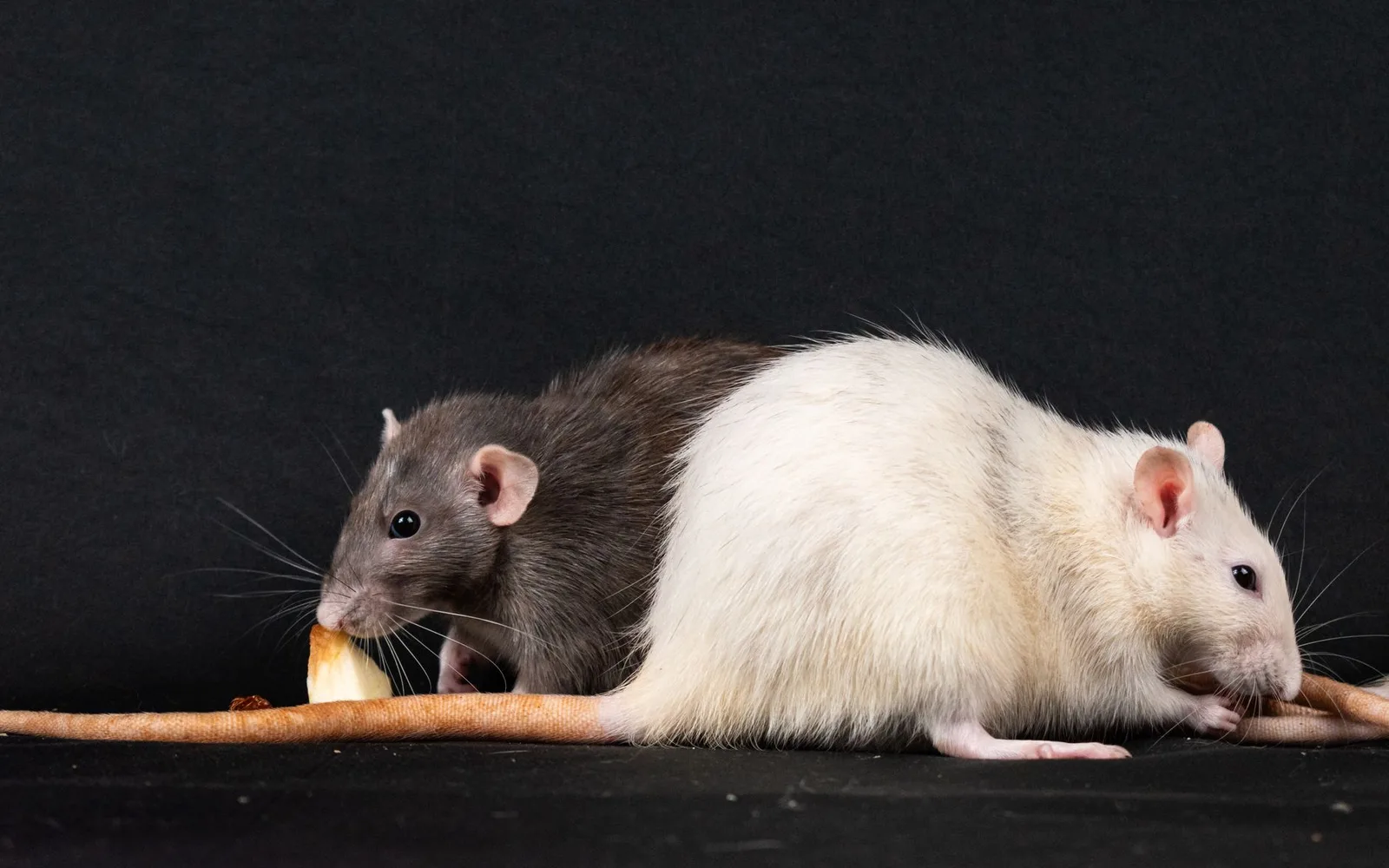
Rodents and mice in Kudai Makkah
Kudai is a commercial zone at coach and car parks south of the Grand Mosque, where seasonal crowds drop food and water across bare ground, into open drainage channels and under stacked containers. Rodents here hide in warehouses and office blocks rather than tight voids, making detection and isolation more straightforward but the scale of the work much larger.
-
Targeted, not broadcast
Product goes into cracks and runways, never sprayed across open surfaces.
-
Told before we start
What we will use, where it goes, and what to cover or move before we arrive.
-
A follow-up visit
We return after the first treatment, because what survives it does not show on the day.
-
Homes and businesses
Apartments and villas, and kitchens and stores that need a record of each visit.
Why they keep coming back in Kudai
Rodents here typically slip from the car parks into adjacent warehouses and offices, rather than establishing a single stronghold, because the constant movement and noise push them to rotate between shelter sites. The method is set out in full on how we approach Rodents and mice.
Unsealed warehouses and seasonal office spaces
Warehouses in Kudai usually stand open to the air with no tight doors, and seasonal offices close and reopen on demand. Rodents find unsealed storage and gaps beneath entrances that offer easy access, particularly where forklift traffic keeps doors propped.
Open drainage and seasonal water pooling
The drain network beneath the parks was not designed to resist rodent movement, and water from thousands of vehicles and pilgrims collects in visible channels and beneath worn flooring. This draws rodents and provides constant water supply in an arid zone.
Commercial towers and voids between floors
The newer Kudai towers have large service voids between floors and hollow wall cavities. Rodents climb these shafts from ground level and nest in the voids before descending to forage, using the height to time their movements away from daytime traffic.
Landmarks of Kudai
Work at Kudai starts from Kudai Car Parks where food and water from thousands collect daily, and extends up to Kudai Towers on Ajyad Street where rodents shelter in floor voids and service cavities.
- Kudai Car Parks
- Zamzam Water Project
- Kudai Towers
- Kudai Ajyad Tunnel
- Jabal Khandamah
What we read in the building before any bait goes down
The district sits on the lower slopes of Jabal Khandamah, near the Kudai Ajyad Tunnel, an old thinly settled area chosen for seasonal coach and vehicle parking, with the Zamzam Water Project nearby and Kudai Towers rising on the Ajyad Street frontage.
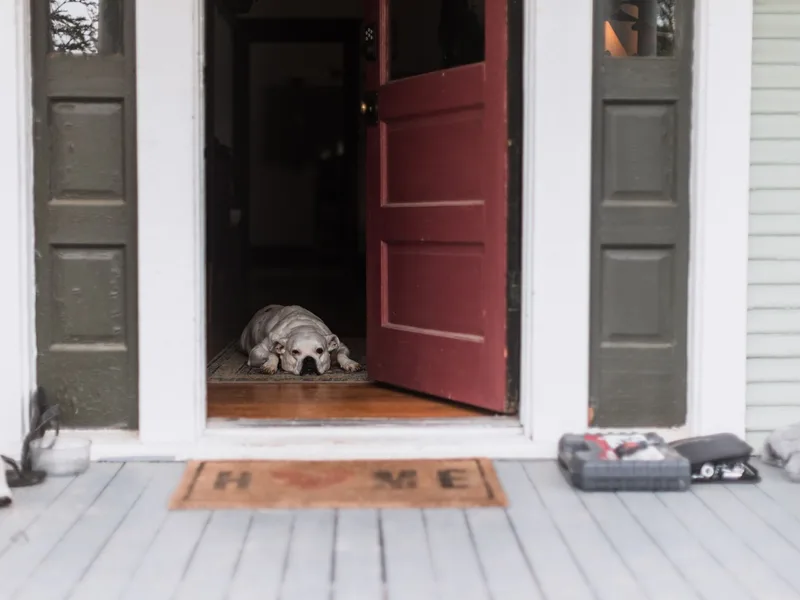
The gap under the door
Gaps beneath warehouse and office doors are often large, and when seasonal offices close, rear windows or back doors may be left open or loosely fitted.
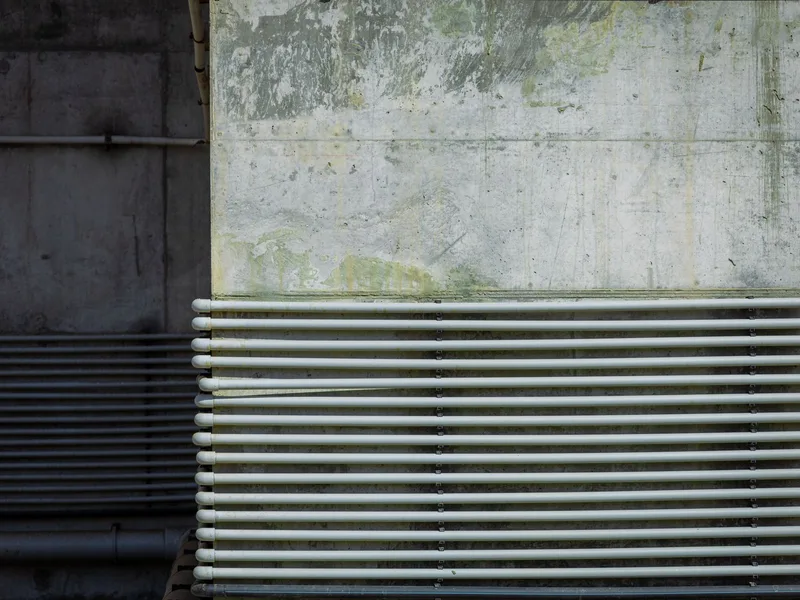
Pipe and conduit openings
Air conditioning intakes on towers and warehouses are rarely fitted with fine mesh, so rodents enter directly through these ducts, especially the horizontal runs close to ground level.
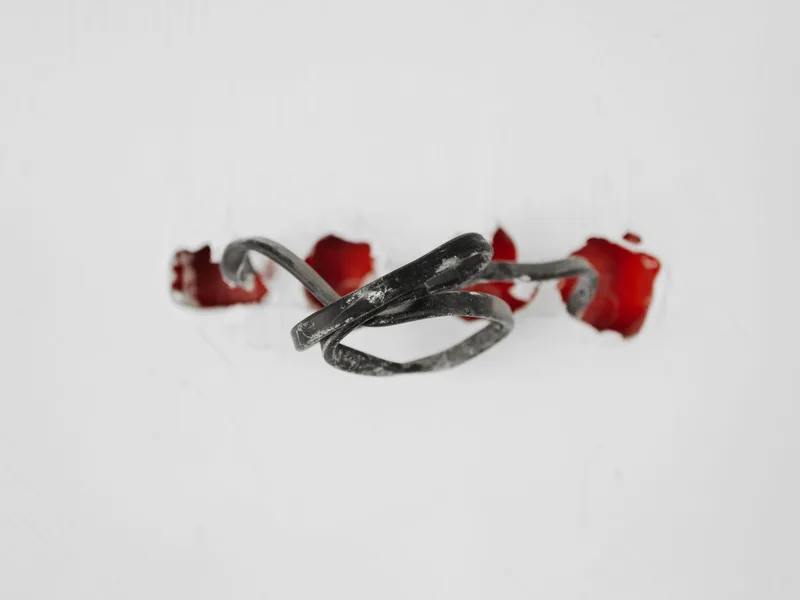
Gnaw marks
Gnaw marks on cartons and containers in warehouses are routine and usually appear on stacked items in corners where rodents feel sheltered from movement across open floor.
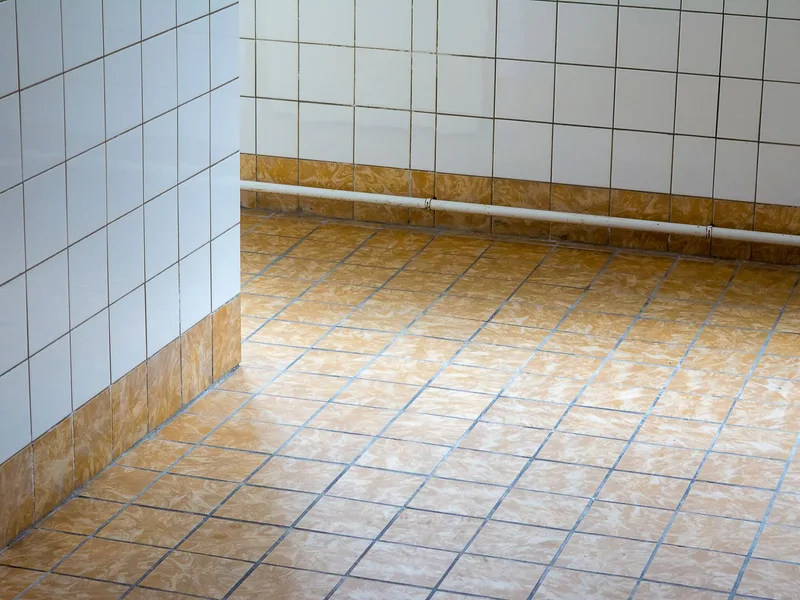
The run along the wall
The run along walls in warehouses starts in corners and under shelving and tracks toward food sources, typically following electrical and water lines that provide grip and cover.
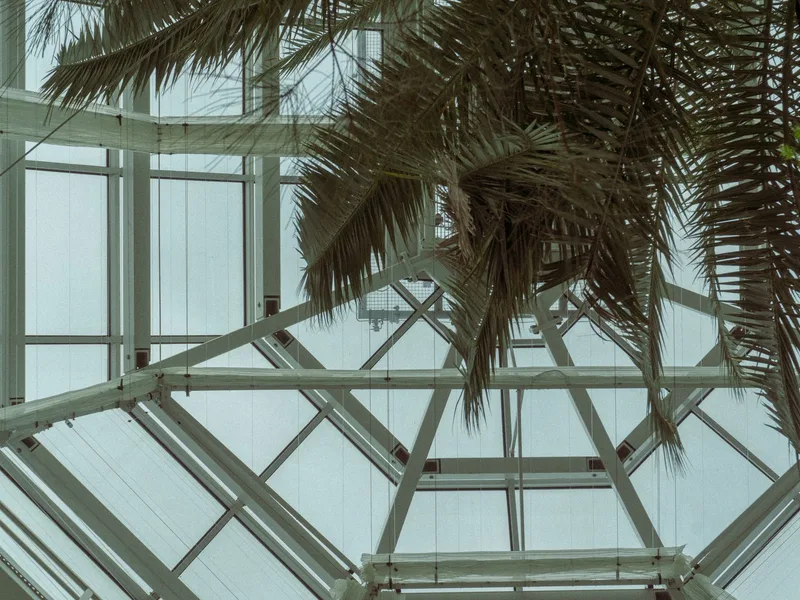
The route from above
The route from above in towers comes through floor voids and openings around service pipes, with rodents descending columns and hollow walls hunting for food and water sources.
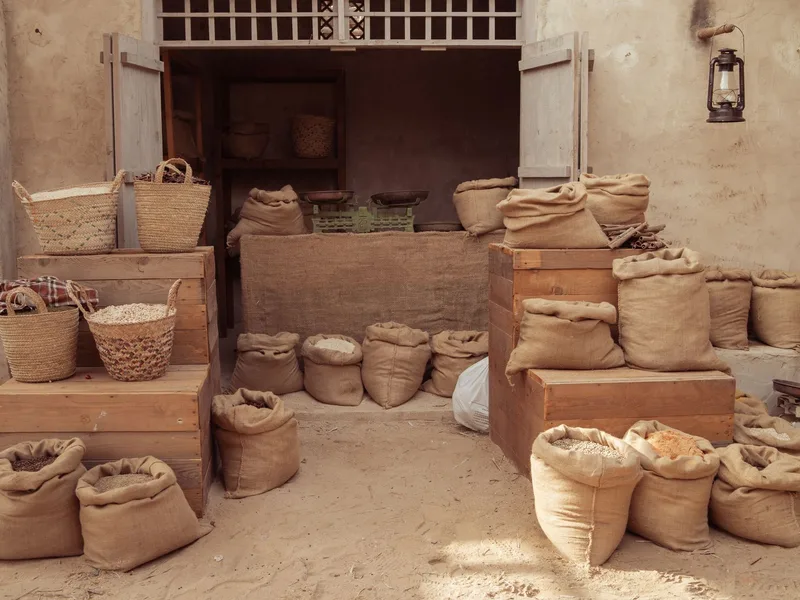
The water and the food on offer
Water and food on offer includes scraps from coach station facilities, wastewater in visible drains and any exposed stock in warehouses, all of which supply the rodent population continuously.
How we work
-
1
Inspect and trace the runs
We work the perimeter, the kitchen, the store and the false ceiling, establish the species, the entry points and the water source, and mark the station positions before anything is carried in.
-
2
Close the openings
Metal mesh, mortar and base strips at the gaps, around pipe sleeves and at vents, because foam and silicone are gnawed through within days.
-
3
Secured bait and traps
Closed stations fixed on the runs outside the building, and traps rather than loose bait indoors, so that anything that dies stays somewhere we can reach.
-
4
The follow-up visit
We read the take at each station, replenish what has gone, remove anything found, and close any opening that showed itself once the movement settled.
What rodent control includes
-

Inspection and a station map
Entry points, runs and station positions recorded, so the same points are checked on every visit.
-

Sealing pipes and drains
Floor traps, pipe sleeves, vents and the air conditioning drain line, the routes that arrive from outside the unit.
-

Secured bait stations
Closed and fixed on the outside runs, out of reach of children and animals, while indoors we work with traps.
-

Treating the nest site
A rodent leaves parasites and nesting material behind, so the nest is removed and the void it sat in is treated.
-

Aftercare instructions
Stock lifted off the floor, droppings cleaned damp with disinfectant instead of swept dry, and pet bowls emptied at night.
-

A scheduled follow-up
A set date after the first visit: read the take, replenish the bait, remove anything found and close what is still open.
What is different about Al Misfalah Sub-Municipality
Al Misfalah sub municipality runs downhill from the south of the Grand Mosque through Al Misfalah, Kudai and Al Rawabi to Al Taqwa, Al Hindawiyah, Al Khalidiyah and Al Rusayfah at the third ring road. The northern end is old apartment blocks and pilgrim hotels with restaurants along Ibrahim Al Khalil Street and the huge coach parks at Kudai. The south and west are dense popular districts with countless small shops and unplanned hillside housing, some of it already cleared for redevelopment, giving way to orderly land grant schemes in Al Rusayfah beside the railway station.
Questions about this district
Are the small warehouses in Kudai more vulnerable than the large towers?
Small warehouses are more exposed because doors may not seal tightly and ventilation is uncontrolled. Large towers appear safer but their wide voids allow rodents to hide deep, making them harder to clear completely.
Does moisture from the Zamzam Water Project increase rodent activity?
Yes. Humidity attracts insects and rodents alike. Rodents seek water especially in dry seasons, and areas close to the water facility provide constant drinking access.
Why do rodent numbers peak during the pilgrimage season?
Food scraps multiply across the parks and pavements as thousands arrive. Rodents breed fast and exploit the abundance, and populations grow visibly until the crowds leave and supplies drop.
Is it better to treat the outdoor zones or only inside the warehouses?
Both must be treated together. The open area is where rodents originate, and the warehouses are their shelter. Treating outdoors alone will invite new arrivals from adjacent lots.
Do exposed concrete and rubble piles provide rodent shelter?
Heavily. Scattered materials and gaps between them offer perfect daytime refuges. Rodents hide beneath concrete and aggregate, emerging at night to forage near the food sources.
Does Kudai treatment require coordination with the car park management?
Essential. Management knows where waste and water collect, can help seal large gaps and monitor the zone after treatment to stop new infestations arriving from nearby commercial areas.
How much does rodents and mice in Kudai cost?
It is set after the inspection, because the price follows the type of infestation, the size of the space, how far it has spread and the number of visits it needs. Send a photo and a description on WhatsApp and we will give you an estimate before we reach Kudai.
Nearby districts we cover
Other services in Kudai
Other services we provide to residents of Kudai.
-
 Residential
Cockroach control
Residential
Cockroach control
-
 Residential
Bed bug control
Residential
Bed bug control
-
 Residential
Termite control
Residential
Termite control
-
 Residential
Mosquito control
Residential
Mosquito control
-
 Residential
Fly control
Residential
Fly control
-
 Residential
Ant control
Residential
Ant control
-
 Residential
Gecko control
Residential
Gecko control
-
 Residential
Scorpion control
Residential
Scorpion control
-
 Residential
Snake control
Residential
Snake control
-
 Residential
Flea control
Residential
Flea control
-
 Residential
Bird and pigeon control
Residential
Bird and pigeon control
-
 Residential
Preventive treatment
Residential
Preventive treatment
-
 Residential
Disinfection
Residential
Disinfection
-
 Commercial
Annual contracts
Commercial
Annual contracts
-
 Commercial
Restaurants and cafes
Commercial
Restaurants and cafes
-
 Commercial
Hotels and apartments
Commercial
Hotels and apartments
-
 Commercial
Warehouses and factories
Commercial
Warehouses and factories
-
 Commercial
Schools and nurseries
Commercial
Schools and nurseries
-
 Commercial
Retail and malls
Commercial
Retail and malls
-
 Commercial
Rest houses and farms
Commercial
Rest houses and farms
-
 Commercial
Fumigation
Commercial
Fumigation
-
 Water tanks
Water tank cleaning
Water tanks
Water tank cleaning
-
 Water tanks
Water tank sterilization
Water tanks
Water tank sterilization
-
 Water tanks
Water tank sealing
Water tanks
Water tank sealing
-
 Water tanks
Tank leak repair
Water tanks
Tank leak repair
Need rodents and mice in Kudai? Tell us what you saw and we will tell you what it needs
We reach Kudai at a time we agree, and you get the full cost before we start.