
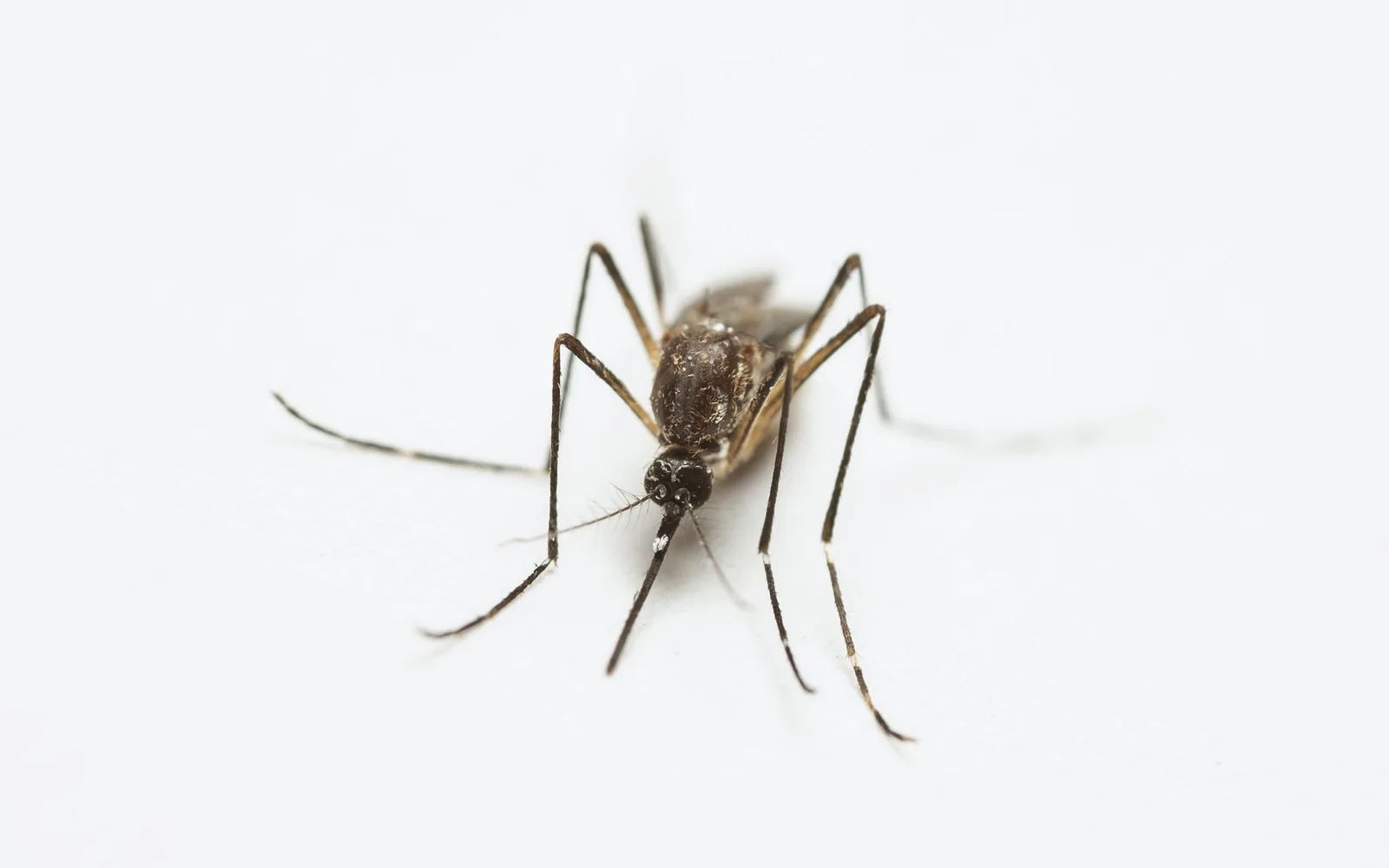
Mosquito control in Kudai Makkah
Kudai is an old, loosely settled commercial area south east of the Grand Mosque, chosen for the vast coach and car parks that hold seasonal traffic. The district is mostly bare ground with offices, small stores and the Zamzam water bottling plant on the lower slopes of Jabal Khandamah. Mosquitoes here are drawn from the wells and water trapped in the hillside, and breed in every temporary pool the coach parks create.
-
Targeted, not broadcast
Product goes into cracks and runways, never sprayed across open surfaces.
-
Told before we start
What we will use, where it goes, and what to cover or move before we arrive.
-
A follow-up visit
We return after the first treatment, because what survives it does not show on the day.
-
Homes and businesses
Apartments and villas, and kitchens and stores that need a record of each visit.
Why they keep coming back in Kudai
In season, thousands of coaches and cars mean water from air conditioning and temporary sanitation spreads everywhere, and drainage on this elevated ground is slow and incomplete. The method is set out in full on how we approach Mosquito control.
Historic wells and water trapped in the hillside
Kudai grew around old wells and water channels in the hillside. Water seeps and gathers in the depressions. The Zamzam water plant and its nearby extraction points draw mosquitoes from far away, and slow drainage means perfect breeding conditions wherever water pools.
Seasonal coach parks and temporary drainage
At peak times, thousands of vehicles park here, and their air conditioning units and portable sanitation facilities leave water everywhere. This water has no systematic drainage, so it collects in small pools between the vehicles and around seasonal shelters.
Mosquitoes flowing from Jabal Khandamah slopes
The mountain and surrounding hillside are a natural source of huge mosquito populations. Insects fly from south of the Grand Mosque to Kudai looking for water, especially in season when temporary pools are more attractive than the hillside springs.
Landmarks of Kudai
Kudai is defined by its massive coach and car parks and proximity to the Zamzam water bottling plant on the south eastern approach to the Grand Mosque.
- Kudai Car Parks
- Zamzam Water Project
- Kudai Towers
- Kudai Ajyad Tunnel
- Jabal Khandamah
Standing water and shade decide the method
An expansive low-lying commercial zone on the slopes of Jabal Khandamah with massive coach parks, concrete surfaces and water gathering in its depressions and drainage channels around the plant.
The daytime biter
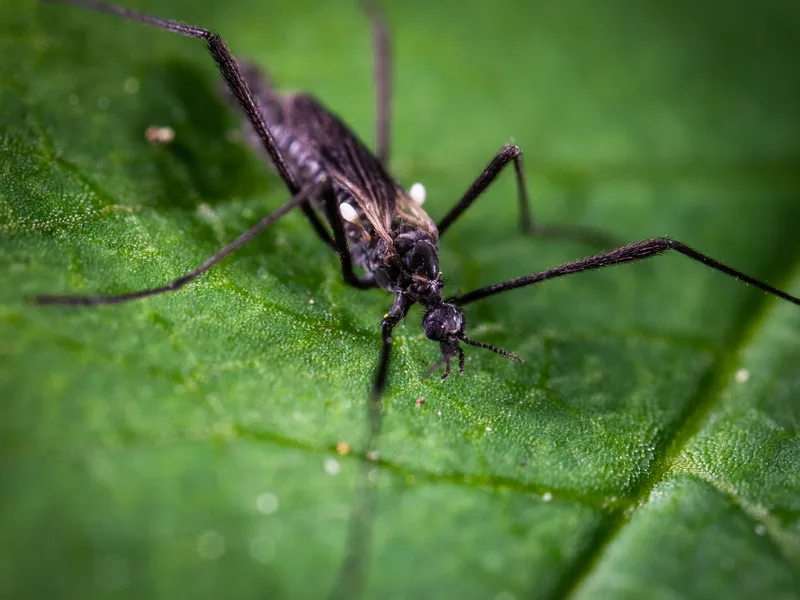
Daytime mosquitoes in Kudai flow from Jabal Khandamah and the surrounding slopes, and shelter between parked vehicles and in the few shaded spots around the water plant.
The one that comes out after sunset
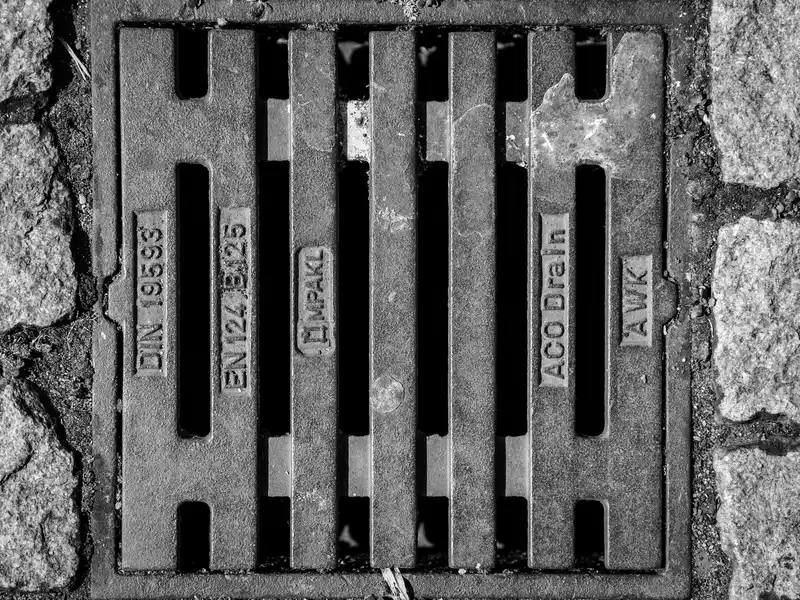
Night mosquitoes emerge from water trapped around the coach parks and portable sanitation, and are very dense in the first hours after dark.
Air-conditioning condensate
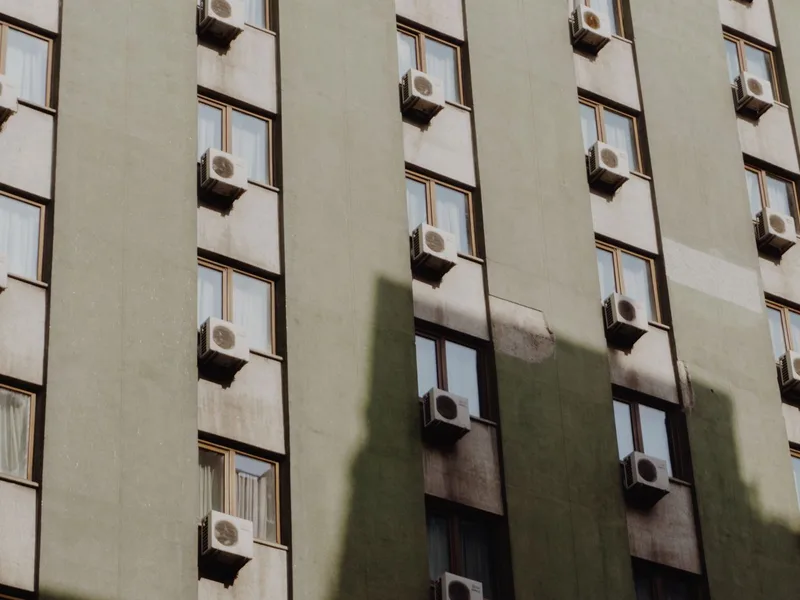
Air conditioning drainage from buses and vehicles on the parks runs onto the concrete and has no system to remove it, leaving small pools around each vehicle during the season.
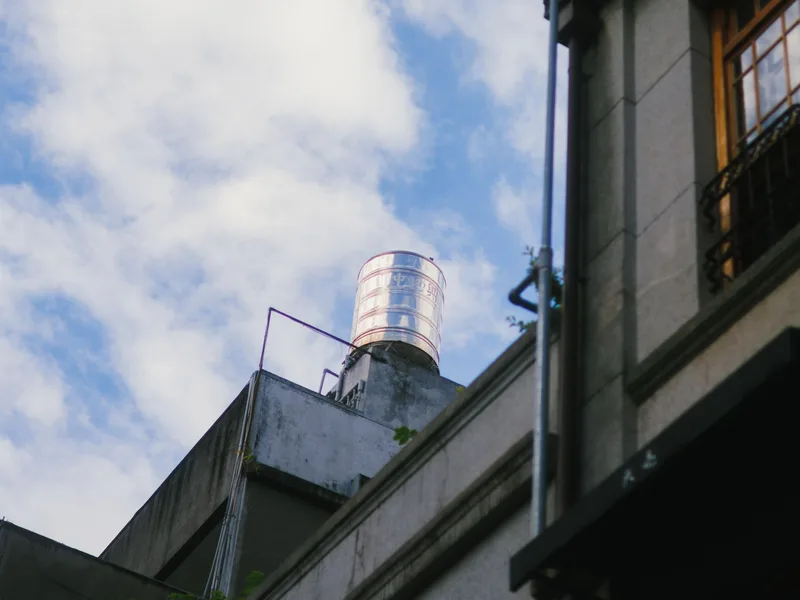
The tank and its openings
Water tanks at the Zamzam plant and nearby historic wells remain trapped or poorly drained, and provide permanent breeding centres for mosquito populations.
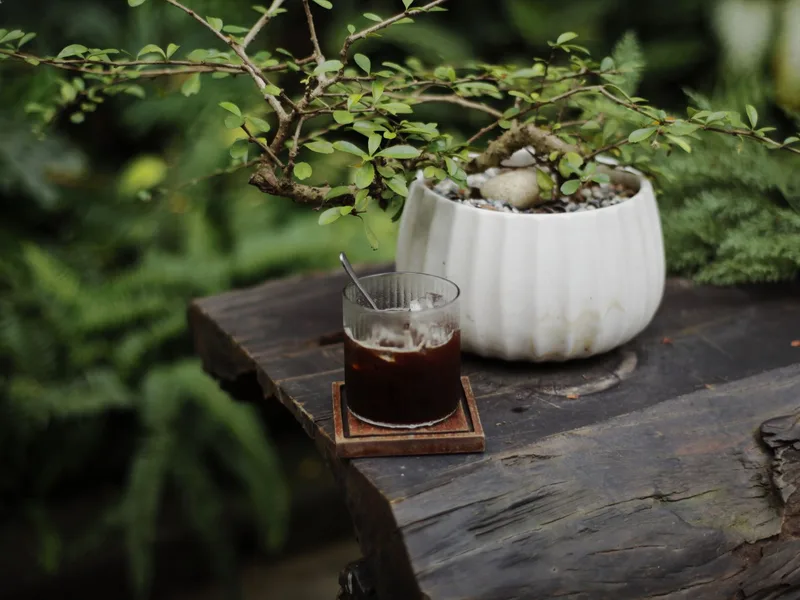
Garden containers and irrigation
Portable toilets, temporary water storage for vehicle washing and sanitation facilities create fast breeding sites in Kudai during the seasonal peaks.
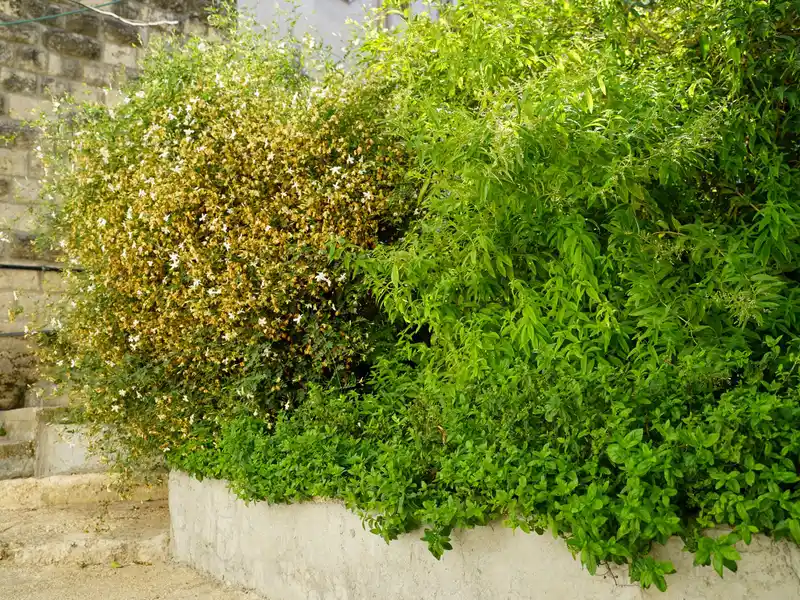
The shade it rests in
The few shaded spots around the water plant and parked vehicles offer limited shelter for daytime mosquitoes, which move constantly between water sources seeking hosts.
How we work
-
1
Inspect and map the water
We walk the perimeter, the roof, the garden, the meter chambers and the condensate runs, record everything that holds water, and read the species from the breeding site and the time of biting.
-
2
Remove the water that can go
Empty, invert, cover: saucers, containers, old tyres and roof gullies. Every point that disappears is a treatment that never needs repeating.
-
3
Larval treatment, then the resting surfaces
Water that cannot be drained is treated so the larva never completes, then a residual goes under planting, beneath outdoor furniture and along low shaded walls.
-
4
The follow-up visit
We come back once the generation that was in the water on the first visit has completed, review every point we recorded and re-treat where needed.
What mosquito control includes
-

A recorded water survey
Roof, perimeter, garden, meter chambers and condensate lines, written down before anything is applied.
-

Draining and covering the sources
Emptying what can be emptied, draining what can be drained, and covering what has to stay full.
-

Larval treatment for the water that stays
For ground tanks, inspection chambers, water features and any permanent water that has to remain.
-

A residual on the resting places
Under trees and shrubs, beneath outdoor furniture and on shaded walls, where the adult sits out the day.
-

Aftercare instructions
What stays inverted, what gets covered, which openings need mesh, and when watering goes back to normal.
-

A scheduled follow-up
A set date after the first treatment, with every recorded water point reviewed and re-treated if the water came back.
What is different about Al Misfalah Sub-Municipality
Al Misfalah sub municipality runs downhill from the south of the Grand Mosque through Al Misfalah, Kudai and Al Rawabi to Al Taqwa, Al Hindawiyah, Al Khalidiyah and Al Rusayfah at the third ring road. The northern end is old apartment blocks and pilgrim hotels with restaurants along Ibrahim Al Khalil Street and the huge coach parks at Kudai. The south and west are dense popular districts with countless small shops and unplanned hillside housing, some of it already cleared for redevelopment, giving way to orderly land grant schemes in Al Rusayfah beside the railway station.
Questions about this district
Are the mosquitoes coming from the Zamzam water processing facility?
Yes, the plant and historic wells nearby are a strong mosquito source in Kudai. Standing water and slow drainage around the facility provide continuous breeding conditions.
How do we treat the district when the coach parks are full during Hajj season?
We treat Kudai weeks in advance, across all the ground, low areas and drainage channels. We choose a timing that does not conflict with vehicle movement, often before dawn.
Do the portable sanitation facilities in the parks attract mosquitoes?
Heavily. Water pooling around portable toilets becomes a rapid breeding site. We treat these areas with special care if drainage is not designed for them.
Why are mosquitoes worse in Kudai than in the neighbouring residential districts?
Kudai is an open expansive zone with water trapped around Jabal Khandamah, and historically holds wells. This makes it a natural mosquito refuge more than residential neighbourhoods are.
Do we need treatment during Umrah season as well as Hajj?
Yes, Umrah is another season of coach traffic and temporary water. The intensity is lower than Hajj, so needs vary according to predicted visitor numbers.
Can we treat the historic wells and underground water sources?
The historic wells in Kudai may now be protected or capped, but if any remain open or poorly drained, we treat the water inside directly to stop breeding.
How much does mosquito control in Kudai cost?
It is set after the inspection, because the price follows the type of infestation, the size of the space, how far it has spread and the number of visits it needs. Send a photo and a description on WhatsApp and we will give you an estimate before we reach Kudai.
Nearby districts we cover
Other services in Kudai
Other services we provide to residents of Kudai.
-
 Residential
Cockroach control
Residential
Cockroach control
-
 Residential
Bed bug control
Residential
Bed bug control
-
 Residential
Termite control
Residential
Termite control
-
 Residential
Rodents and mice
Residential
Rodents and mice
-
 Residential
Fly control
Residential
Fly control
-
 Residential
Ant control
Residential
Ant control
-
 Residential
Gecko control
Residential
Gecko control
-
 Residential
Scorpion control
Residential
Scorpion control
-
 Residential
Snake control
Residential
Snake control
-
 Residential
Flea control
Residential
Flea control
-
 Residential
Bird and pigeon control
Residential
Bird and pigeon control
-
 Residential
Preventive treatment
Residential
Preventive treatment
-
 Residential
Disinfection
Residential
Disinfection
-
 Commercial
Annual contracts
Commercial
Annual contracts
-
 Commercial
Restaurants and cafes
Commercial
Restaurants and cafes
-
 Commercial
Hotels and apartments
Commercial
Hotels and apartments
-
 Commercial
Warehouses and factories
Commercial
Warehouses and factories
-
 Commercial
Schools and nurseries
Commercial
Schools and nurseries
-
 Commercial
Retail and malls
Commercial
Retail and malls
-
 Commercial
Rest houses and farms
Commercial
Rest houses and farms
-
 Commercial
Fumigation
Commercial
Fumigation
-
 Water tanks
Water tank cleaning
Water tanks
Water tank cleaning
-
 Water tanks
Water tank sterilization
Water tanks
Water tank sterilization
-
 Water tanks
Water tank sealing
Water tanks
Water tank sealing
-
 Water tanks
Tank leak repair
Water tanks
Tank leak repair
Need mosquito control in Kudai? Tell us what you saw and we will tell you what it needs
We reach Kudai at a time we agree, and you get the full cost before we start.