
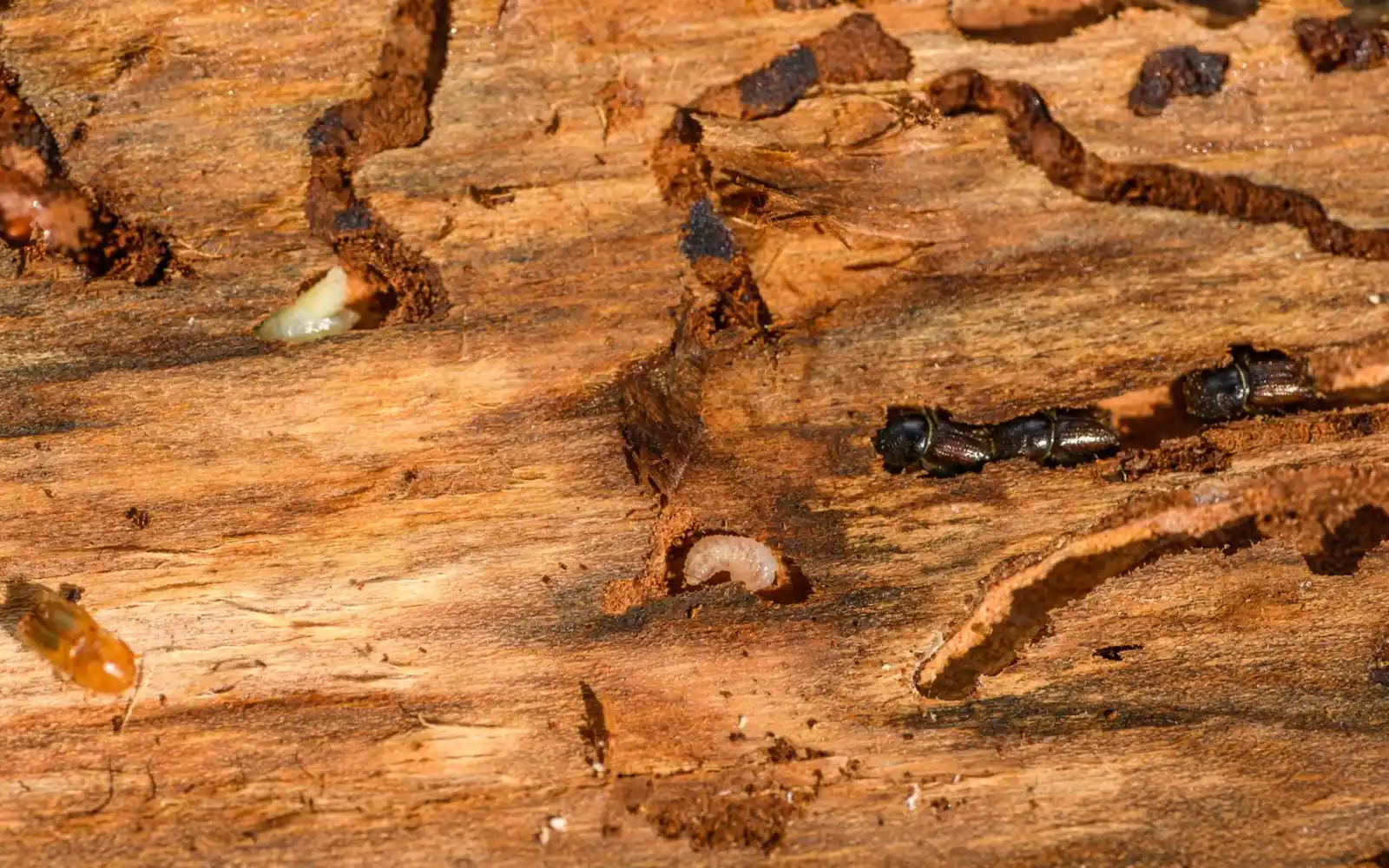
Termite control in Kudai Makkah
Kudai is an old, sprawling district on the slopes of Jabal Khandamah, built as an overflow for seasonal traffic away from the centre. Its soil is deep and clay-heavy; the warehouses store timber and cardboard on concrete floors; and decades of heavy use have left dampness in corners and footings. The work is not the same as in flat neighbourhoods.
-
Targeted, not broadcast
Product goes into cracks and runways, never sprayed across open surfaces.
-
Told before we start
What we will use, where it goes, and what to cover or move before we arrive.
-
A follow-up visit
We return after the first treatment, because what survives it does not show on the day.
-
Homes and businesses
Apartments and villas, and kitchens and stores that need a record of each visit.
Why they keep coming back in Kudai
The soil here is grey, dense and hydroscopic, holding moisture for weeks after rain. Warehouses pile cardboard and timber directly on concrete slabs, which draw water from below, attracting colonies from the surrounding soil. The method is set out in full on Termite control in detail.
Deep footings on sloping, uneven ground
Buildings in Kudai are founded on hillsides where the natural slope is uneven. Footings descend with the incline rather than sitting level, leaving gaps between footing and soil that invite mud tubes upward. Treatment holes must follow the ground's own fall line, not run horizontally, or the material misses the paths the termites actually use.
Warehouses packed with stored cellulose
Distribution centres and storage yards pile cardboard, paper and timber directly on concrete slabs. Moisture wicks up through the concrete and into the goods stacked on top. Colonies climb from soil below, through the slab, into the cellulose itself, so the perimeter boundary alone cannot stop them once they are established.
Seasonal rain drains toward the foundations
The ground slopes in Kudai drain water toward building edges and corners, not away toward the street. A fast surface treatment applied across the slab does nothing; the chemistry must penetrate to depth in the soil where water gathers after every downpour and reopens the route for returning termites within weeks.
Landmarks of Kudai
Work in Kudai is organized around its physical boundaries: treatment of Kudai Car Parks starts from the outer perimeter and works inward, while Zamzam Water Project sites focus on footings and seals around sensitive utility infrastructure.
- Kudai Car Parks
- Zamzam Water Project
- Kudai Towers
- Kudai Ajyad Tunnel
- Jabal Khandamah
The evidence that decides the treatment
The silty, clay-laden slopes of Jabal Khandamah hold seasonal moisture; the district sits slightly low compared to Ajyad Street, so rainwater collects around building footings and the slab edges.
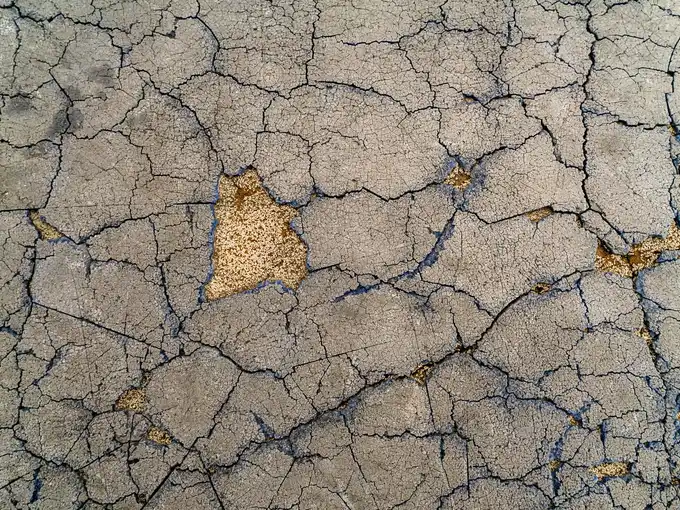
Mud tubes
Mud tubes in Kudai originate from deep colonies beneath the sloping footings and are often longer than those in flat areas because the insects must climb the natural grade.
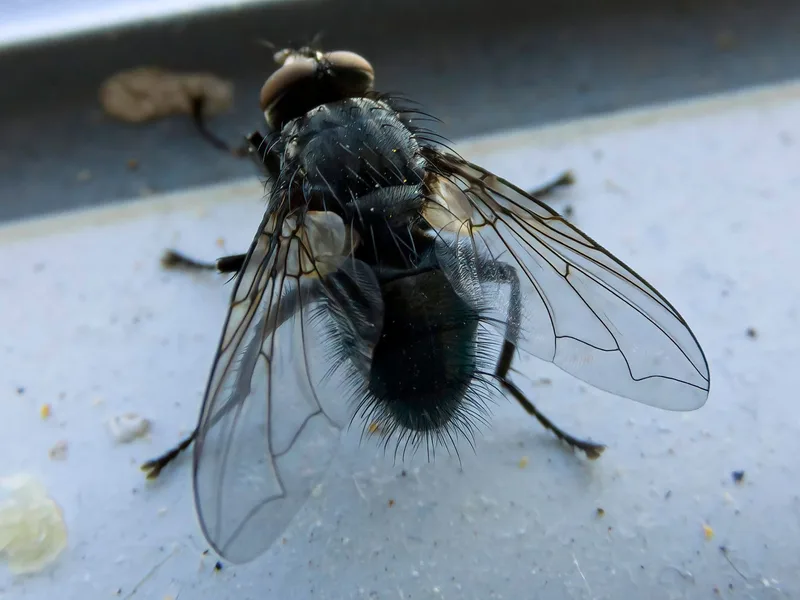
Shed wings
Shed wings appear strongly in the warm season when colonies deep under the footings reach maturity and swarmers emerge into the warehouse spaces above.
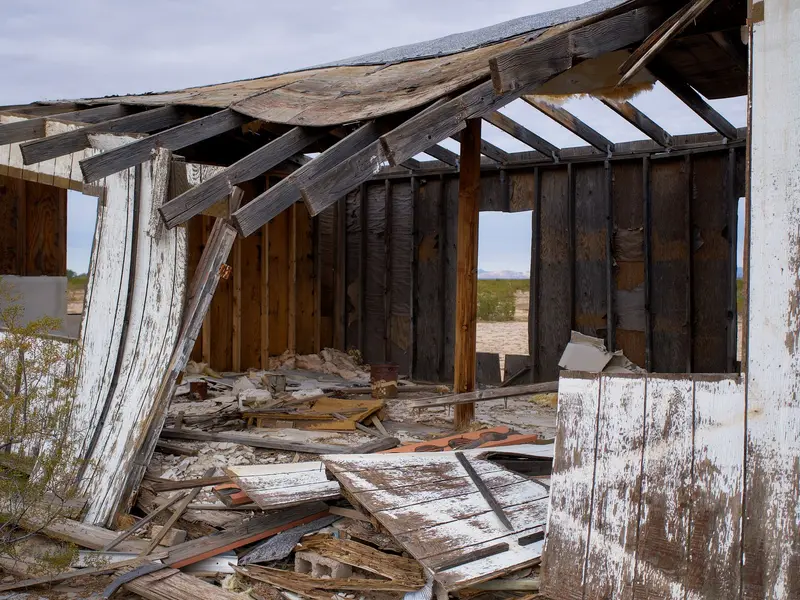
Hollow timber
Hollow timber is widespread in warehouses where cardboard and wood pallets sit directly on damp concrete slabs that wick moisture upward into the stacked goods.
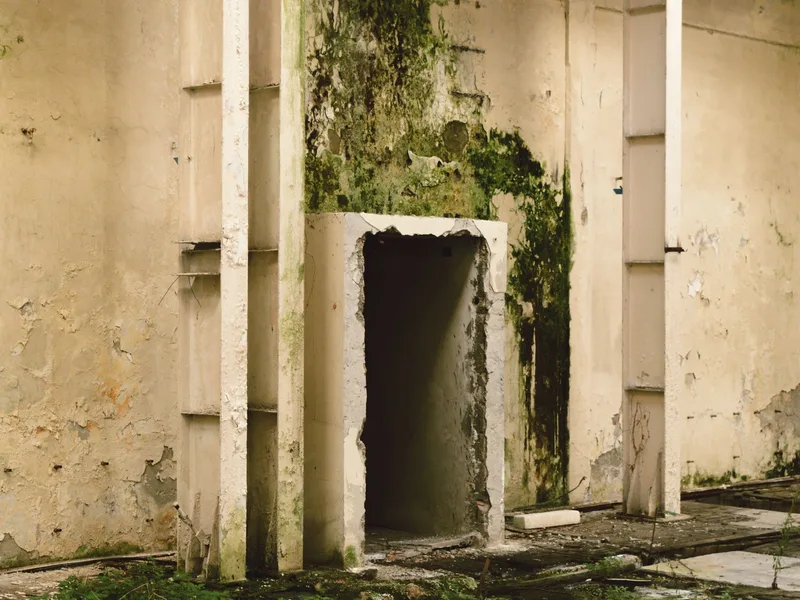
The water source
The water source here is twofold: seepage through concrete slabs from damp soil below, and seasonal rainwater that collects in the natural hollows and slopes surrounding each building.

Cellulose on the floor
Cellulose on the floor includes cardboard boxes, wooden pallets and stacked timber, all resting directly on concrete without protective barriers, so they draw moisture from below and become food sources simultaneously.
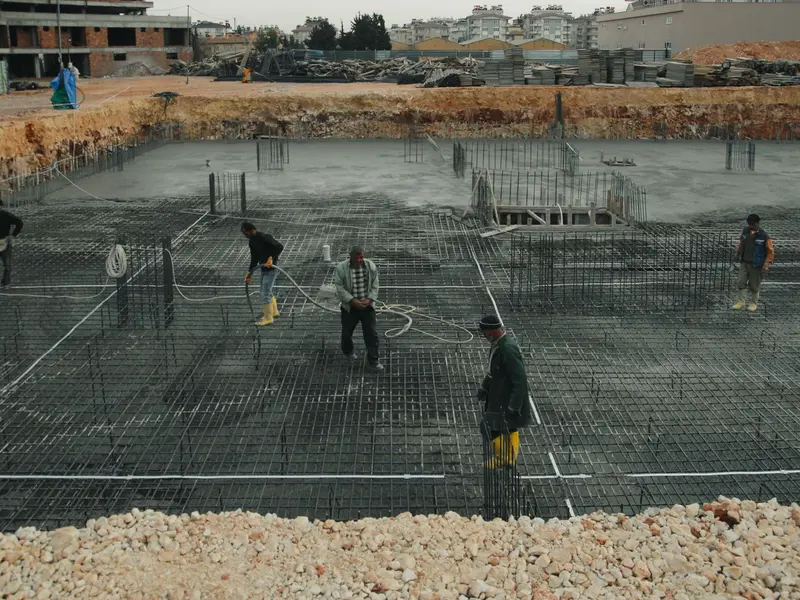
Joints and pipe entries
Joints and pipe entries in old warehouses are often large and poorly sealed, allowing termites to climb from footing to slab to the goods above through poorly fitted ducts and pipe sleeves.
How we work
-
1
Inspect and trace
We sound the timber and the skirting, take moisture readings, and follow the tubes to the point where they leave the soil. We also settle the species, because one that lives inside dry wood is not treated like one that lives in the ground.
-
2
Treat the soil around the building
A narrow trench at the footing and injection at regular spacing, so the treated band runs continuous with no gap to walk around.
-
3
Drill the joints, inject the timber
Small holes at spacing along the slab joints, the wall bases and the pipe entries, direct injection into the galleries inside the affected timber, then the holes are closed and made good.
-
4
Bait stations and monitoring
Stations in the soil carrying a slow-acting material the workers pass through the colony by mouth-to-mouth feeding, and we come back to read them, because an empty tube on a wall proves nothing on its own.
What termite control includes
-

A traced, recorded inspection
Sounding, moisture readings, tubes traced back to the soil, and the species settled before anything is applied.
-

A treated band at the perimeter
Trenching and injection at the footing, spaced so the band is continuous rather than a set of patches.
-

Joints and service penetrations
Slab joints, pipe entries and floor drains, which are the ways up through the concrete.
-

Bait stations in the soil
A slow material carried back through the colony by feeding exchange, rather than stopping the workers at the wall.
-

Aftercare instructions
What not to dig or water near the treated band, what to keep off the walls, and the ventilation time we set for your case.
-

Scheduled monitoring visits
Reading the stations, sounding the same timber again, and treating any new activity.
What is different about Al Misfalah Sub-Municipality
Al Misfalah sub municipality runs downhill from the south of the Grand Mosque through Al Misfalah, Kudai and Al Rawabi to Al Taqwa, Al Hindawiyah, Al Khalidiyah and Al Rusayfah at the third ring road. The northern end is old apartment blocks and pilgrim hotels with restaurants along Ibrahim Al Khalil Street and the huge coach parks at Kudai. The south and west are dense popular districts with countless small shops and unplanned hillside housing, some of it already cleared for redevelopment, giving way to orderly land grant schemes in Al Rusayfah beside the railway station.
Questions about this district
Does the dense grey clay in Kudai need deeper injection than normal soil?
Yes. The clay here is hydroscopic and dense, which slows horizontal spread of the chemical. Injection must reach at least one metre depth around all footings, especially on the downhill side where water collects and the soil stays moist longer.
Can warehouses still holding stock be treated without clearing them?
Yes, treatment focuses on soil beneath the slab and the footing, not the goods above. However, goods must be moved from corners and edges for a short period during injection so the soil can be accessed and treated properly.
Are gaps between the footing and soil on these slopes a route for termites?
Yes, absolutely. These gaps are filled with chemical during treatment, but large voids may reappear as soil settles. After treatment, major gaps must be sealed with impermeable material because water finds its way through them and can carry termite activity around the chemical barrier.
Do seasonal rainfalls reduce treatment effectiveness within weeks?
Yes. Seasonal rain rehydrates the soil and displaces localized chemicals. Monitoring continues through the seasons, and treatment may need refreshing in spring if heavy rains fell, because the mud tubes can follow new moisture pathways the chemical no longer covers.
Can the entire Kudai car park perimeter be treated with constant vehicle movement?
Yes, in stages. Different sections are treated in rotation to avoid complete closure. Timing is arranged with park management to minimize disruption while ensuring continuous coverage around all footings and underground services.
Are old buildings next to a treated warehouse at risk of reinfestation from its side?
Yes, if the neighbour is untreated. Termites can move from untreated soil through shared walls and utility penetrations. Effective control requires treating the full perimeter, or at minimum the shared wall, common ducts, and all pipe entries between the two structures.
How much does termite control in Kudai cost?
It is set after the inspection, because the price follows the type of infestation, the size of the space, how far it has spread and the number of visits it needs. Send a photo and a description on WhatsApp and we will give you an estimate before we reach Kudai.
Nearby districts we cover
Other services in Kudai
Other services we provide to residents of Kudai.
-
 Residential
Cockroach control
Residential
Cockroach control
-
 Residential
Bed bug control
Residential
Bed bug control
-
 Residential
Rodents and mice
Residential
Rodents and mice
-
 Residential
Mosquito control
Residential
Mosquito control
-
 Residential
Fly control
Residential
Fly control
-
 Residential
Ant control
Residential
Ant control
-
 Residential
Gecko control
Residential
Gecko control
-
 Residential
Scorpion control
Residential
Scorpion control
-
 Residential
Snake control
Residential
Snake control
-
 Residential
Flea control
Residential
Flea control
-
 Residential
Bird and pigeon control
Residential
Bird and pigeon control
-
 Residential
Preventive treatment
Residential
Preventive treatment
-
 Residential
Disinfection
Residential
Disinfection
-
 Commercial
Annual contracts
Commercial
Annual contracts
-
 Commercial
Restaurants and cafes
Commercial
Restaurants and cafes
-
 Commercial
Hotels and apartments
Commercial
Hotels and apartments
-
 Commercial
Warehouses and factories
Commercial
Warehouses and factories
-
 Commercial
Schools and nurseries
Commercial
Schools and nurseries
-
 Commercial
Retail and malls
Commercial
Retail and malls
-
 Commercial
Rest houses and farms
Commercial
Rest houses and farms
-
 Commercial
Fumigation
Commercial
Fumigation
-
 Water tanks
Water tank cleaning
Water tanks
Water tank cleaning
-
 Water tanks
Water tank sterilization
Water tanks
Water tank sterilization
-
 Water tanks
Water tank sealing
Water tanks
Water tank sealing
-
 Water tanks
Tank leak repair
Water tanks
Tank leak repair
Need termite control in Kudai? Tell us what you saw and we will tell you what it needs
We reach Kudai at a time we agree, and you get the full cost before we start.