
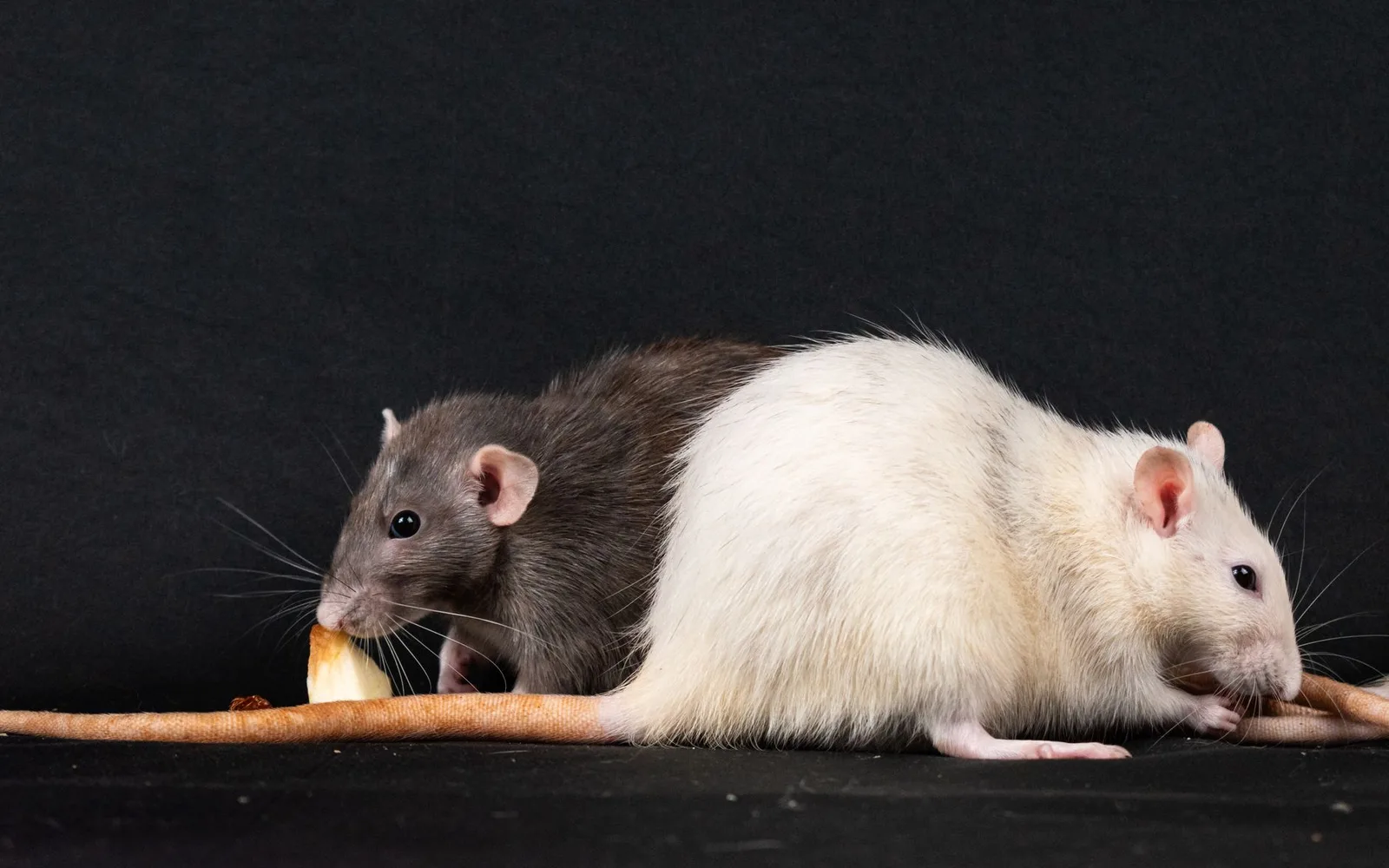
Rodents and mice in Uhud Makkah
Uhud is a newly renamed residential scheme north of Rashidiyah within the Al Sharai district, planned plots with scattered houses near Al Qubbah Mosque, lying between Al Jaranah Road to the west and the Makkah to Taif expressway to the south. Rodents arrive from Wadi Mudarraja that passes its eastern edge, and the first homes in the scheme face elevated seasonal pressure after heavy rains when the wadi carries displaced populations.
-
Targeted, not broadcast
Product goes into cracks and runways, never sprayed across open surfaces.
-
Told before we start
What we will use, where it goes, and what to cover or move before we arrive.
-
A follow-up visit
We return after the first treatment, because what survives it does not show on the day.
-
Homes and businesses
Apartments and villas, and kitchens and stores that need a record of each visit.
Why they keep coming back in Uhud
Immediately after heavy rains, rodent populations migrate from Wadi Mudarraja in significant numbers, slipping into the first homes in the scheme that sit closest to the wadi channel. The method is set out in full on how we approach Rodents and mice.
Wadi Mudarraja and the seasonal flood cycle
Wadi Mudarraja flows along the eastern edge of the scheme, and in the rainy season carries torrents that sweep rodent populations from south Makkah. When flood flows subside, displaced rodents seek new shelter, and the first homes in Uhud offer the nearest refuge. Seasonal pressure can spike dramatically after heavy rains, creating sudden infestation waves that travel with the wadi's water.
Raised ground and widely spaced isolated homes
Uhud sits on relatively high ground with natural drainage, and homes are dispersed and few in number as yet. This means each home faces rodent pressure directly, without protection from neighbouring occupied units. Low population density means direct pressure from the surrounding environment, not from other homes feeding a shared population.
Proximity to the Taif expressway and external traffic
The Makkah to Taif expressway runs to the south carrying constant logistics movement. Rodents crossing the road may originate from warehouses or farms further south, and find new shelter in the Uhud scheme. The first homes sit close to the road, and exposure is direct from external sources.
Uhud on the map
Uhud sits about 2.5 km from Thaniyah and about 2.5 km from Rashidiyah.
Open in Google MapsWhat we read in the building before any bait goes down
A new residential scheme on relatively high ground with widely spaced building plots and very few homes built yet, with Wadi Mudarraja running along the eastern margin and carrying flood flows seasonally.
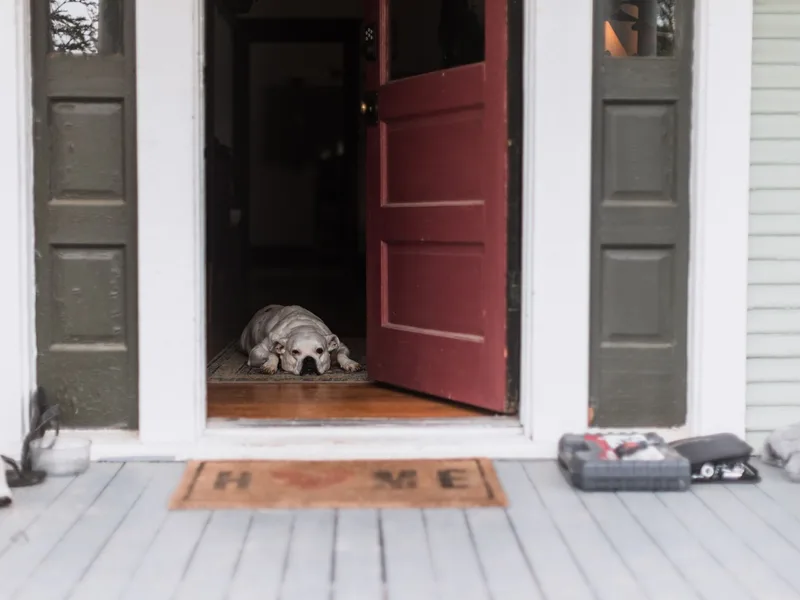
The gap under the door
Gaps under doors of new homes in Uhud are small because construction is recent, but rodents penetrate via foundation openings and external water pipes.
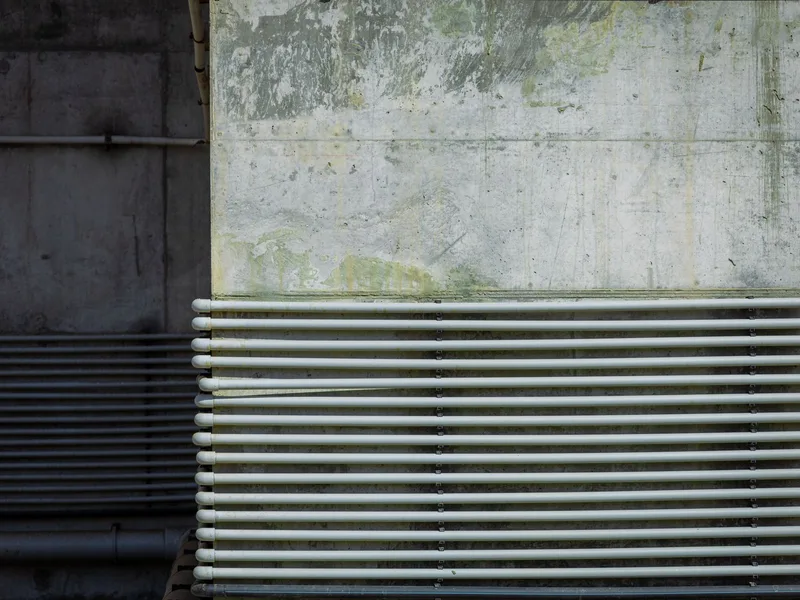
Pipe and conduit openings
External drainage and water openings are relatively large and positioned close to ground level and the adjacent wadi.
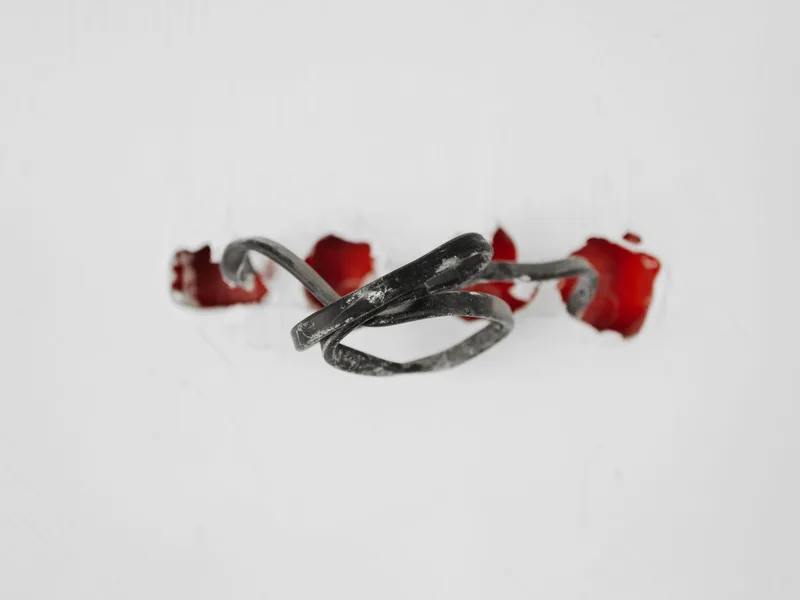
Gnaw marks
Gnaw marks on garden wiring and insulation around pipes appear on the sides of homes facing the wadi, indicating directed entry attempts.
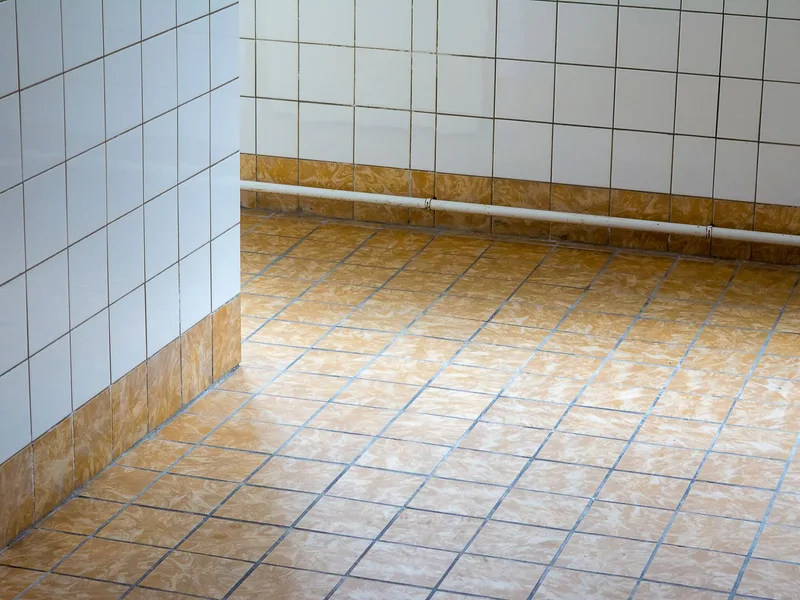
The run along the wall
Rodent runs originate directly from the wadi channel and lead straight toward the first homes in a clear migration line.
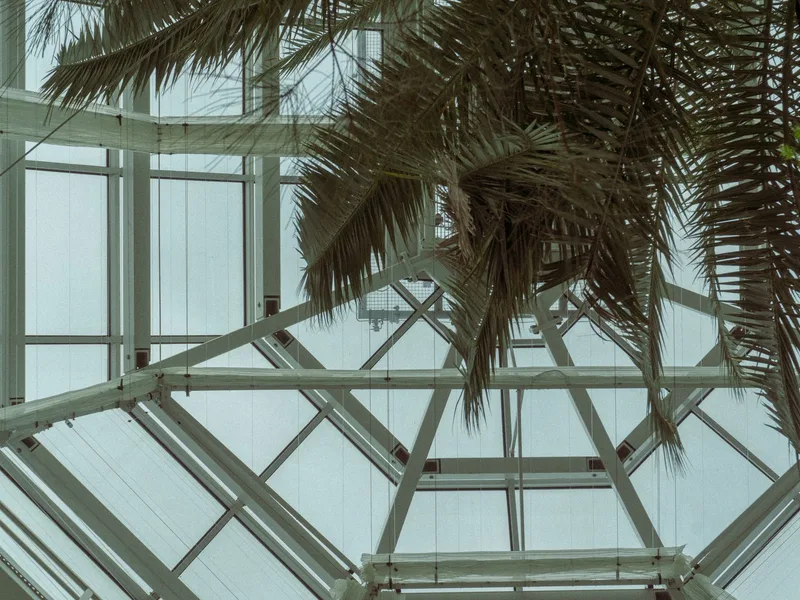
The route from above
From above, rodents enter via external ventilation openings and gaps around pipes on roof surfaces exposed to the wadi side.
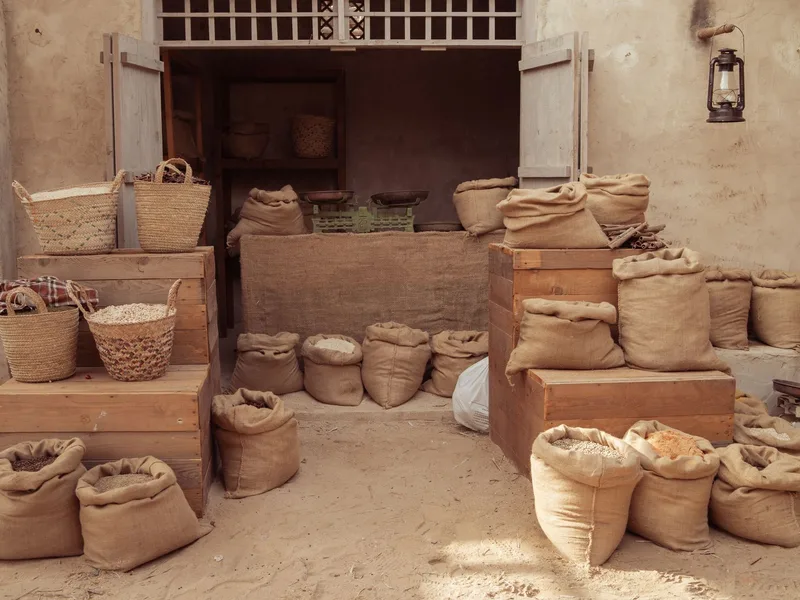
The water and the food on offer
Pooled water after rains around the home provides abundant drinking supply, and garden remnants offer consistent food, reinforcing rodent residence.
How we work
-
1
Inspect and trace the runs
We work the perimeter, the kitchen, the store and the false ceiling, establish the species, the entry points and the water source, and mark the station positions before anything is carried in.
-
2
Close the openings
Metal mesh, mortar and base strips at the gaps, around pipe sleeves and at vents, because foam and silicone are gnawed through within days.
-
3
Secured bait and traps
Closed stations fixed on the runs outside the building, and traps rather than loose bait indoors, so that anything that dies stays somewhere we can reach.
-
4
The follow-up visit
We read the take at each station, replenish what has gone, remove anything found, and close any opening that showed itself once the movement settled.
What rodent control includes
-

Inspection and a station map
Entry points, runs and station positions recorded, so the same points are checked on every visit.
-

Sealing pipes and drains
Floor traps, pipe sleeves, vents and the air conditioning drain line, the routes that arrive from outside the unit.
-

Secured bait stations
Closed and fixed on the outside runs, out of reach of children and animals, while indoors we work with traps.
-

Treating the nest site
A rodent leaves parasites and nesting material behind, so the nest is removed and the void it sat in is treated.
-

Aftercare instructions
Stock lifted off the floor, droppings cleaned damp with disinfectant instead of swept dry, and pet bowls emptied at night.
-

A scheduled follow-up
A set date after the first visit: read the take, replenish the bait, remove anything found and close what is still open.
Landmarks of Uhud
The scheme borders Al Jaranah Road on the west and the Makkah to Taif expressway to the south, with Wadi Mudarraja flowing along its eastern margin. Inspection and treatment focus on the eastern side of the first homes nearest the wadi, where the strongest seasonal pressure arrives during and after the rainy cycle.
- Al Jaranah Road
- Makkah to Taif Expressway
- Al Qubbah Mosque
- Wadi Mudarraja
Questions about this district
Why do rodent populations spike suddenly in Uhud right after heavy rains?
Wadi Mudarraja runs near the scheme and flood waters displace large numbers of rodents from areas to the south. As flood waters subside, displaced rodents seek new shelter urgently, and the first homes in Uhud are the nearest and easiest refuge.
Does treating one home in a new scheme like this stop rodents migrating from the wadi?
Treating one home alone fails in a scheme this new. Rodents arrive from outside continuously from the wadi. Treatment must include the home itself and secure its external perimeter, and remove food sources around the garden, with monitoring continuing.
Does proximity to Al Qubbah Mosque affect rodent movement in Uhud?
Al Qubbah Mosque may provide additional shelter if its courtyards are shaded or contain food waste. Rodents spread from the mosque to neighbouring homes, especially during night hours when activity inside the mosque is lowest.
Are the first homes in the scheme more exposed to rodents than houses deeper inside?
Yes, homes close to Wadi Mudarraja and the road face direct pressure. Homes deeper in the scheme may be somewhat less exposed because rodents find nearer shelter, though none are exempt if outdoor habitat remains attractive.
How often should a villa in Uhud need scheduled treatment each year?
A villa in Uhud may need follow up treatment every eight to ten weeks, with highest frequency right after the rainy season when wadi displacement pressure is at peak and continues for several weeks.
Does tightly sealing the garden boundary and house stop rodents migrating from the wadi?
Sealing the boundary is important but rodents breach very small gaps and gnaw through wood. Sealing must be combined with removing vegetation and organic material around the garden perimeter, and treatment must continue regularly as seasonal migration repeats.
How much does rodents and mice in Uhud cost?
It is set after the inspection, because the price follows the type of infestation, the size of the space, how far it has spread and the number of visits it needs. Send a photo and a description on WhatsApp and we will give you an estimate before we reach Uhud.
Nearby districts we cover
Other services in Uhud
Other services we provide to residents of Uhud.
-
 Residential
Cockroach control
Residential
Cockroach control
-
 Residential
Bed bug control
Residential
Bed bug control
-
 Residential
Termite control
Residential
Termite control
-
 Residential
Mosquito control
Residential
Mosquito control
-
 Residential
Fly control
Residential
Fly control
-
 Residential
Ant control
Residential
Ant control
-
 Residential
Gecko control
Residential
Gecko control
-
 Residential
Scorpion control
Residential
Scorpion control
-
 Residential
Snake control
Residential
Snake control
-
 Residential
Flea control
Residential
Flea control
-
 Residential
Bird and pigeon control
Residential
Bird and pigeon control
-
 Residential
Preventive treatment
Residential
Preventive treatment
-
 Residential
Disinfection
Residential
Disinfection
-
 Commercial
Annual contracts
Commercial
Annual contracts
-
 Commercial
Restaurants and cafes
Commercial
Restaurants and cafes
-
 Commercial
Hotels and apartments
Commercial
Hotels and apartments
-
 Commercial
Warehouses and factories
Commercial
Warehouses and factories
-
 Commercial
Schools and nurseries
Commercial
Schools and nurseries
-
 Commercial
Retail and malls
Commercial
Retail and malls
-
 Commercial
Rest houses and farms
Commercial
Rest houses and farms
-
 Commercial
Fumigation
Commercial
Fumigation
-
 Water tanks
Water tank cleaning
Water tanks
Water tank cleaning
-
 Water tanks
Water tank sterilization
Water tanks
Water tank sterilization
-
 Water tanks
Water tank sealing
Water tanks
Water tank sealing
-
 Water tanks
Tank leak repair
Water tanks
Tank leak repair
Need rodents and mice in Uhud? Tell us what you saw and we will tell you what it needs
We reach Uhud at a time we agree, and you get the full cost before we start.