
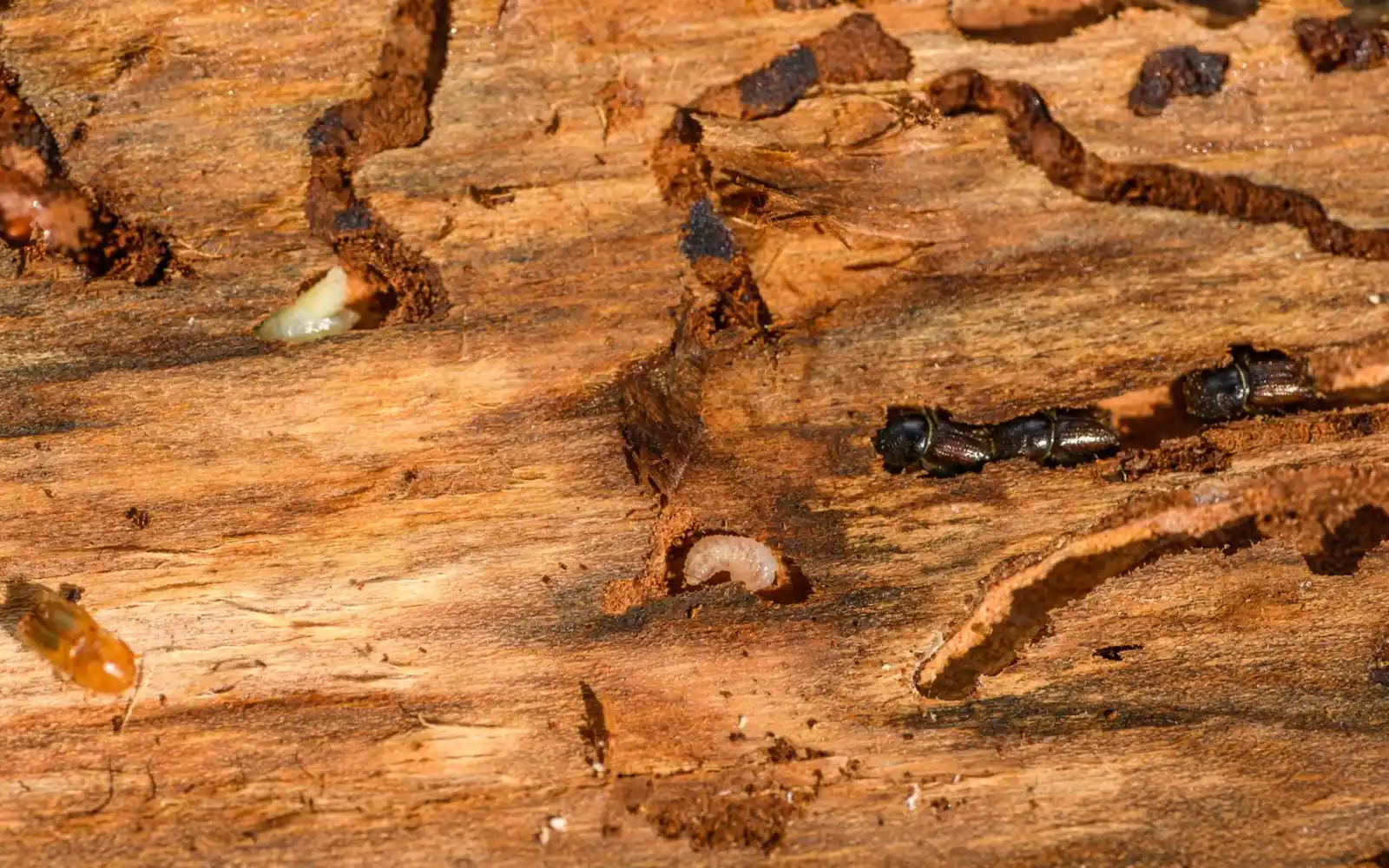
Termite control in Thaniyah Makkah
Thaniyah is a rural area on the fringe of Makkah, with open ground, scattered homes and hillside soil. Termites here live in the earth before they reach the house, so treating the ground around the footings is the first step, not waiting for infestation to show. Your home's location away from dense building means its own plot is the colony's approach route.
-
Targeted, not broadcast
Product goes into cracks and runways, never sprayed across open surfaces.
-
Told before we start
What we will use, where it goes, and what to cover or move before we arrive.
-
A follow-up visit
We return after the first treatment, because what survives it does not show on the day.
-
Homes and businesses
Apartments and villas, and kitchens and stores that need a record of each visit.
Why they keep coming back in Thaniyah
Scattered rural homes mean soil treatment around each house must stand alone; the open ground here is the termite's main highway into the home, not the neighbour's building. The method is set out in full on the full Termite control page.
Hillside soil is where the colonies live
In Thaniyah, termites live in the hilly soil surrounding the homes, not merely in the walls. Large colonies remain underground and reach the timber through mud tubes from the earth. Treating the ground at the footings stops the route before it enters the house, which is why soil work is the foundation of the cure.
The ravines and wadi bring moisture upward
Wadi Mudarraja and the ravines around Thaniyah carry seasonal water, and soil moisture raises colony activity. Homes on lower ground or near these water paths need stronger treatment and regular monitoring. The moisture that keeps the soil alive also keeps the termites active and mobile.
Distance between homes means each plot feeds its own risk
Scattered rural homes in Thaniyah mean each house faces termite colonies from its own ground, not chiefly from neighbours. The open soil surrounding each building is the primary source, so footings treatment and sealing gaps around the building are essential rather than optional.
The character of Thaniyah
Rural area: farms, open ground and scattered homes
Rural setting in Thaniyah means natural soil and open ground are the true environment for termites, not dense building or old drainage. Treating the ground around each home separately is essential because colonies live in the natural earth before they draw near to any building at all.
The evidence that decides the treatment
The hilly soil and open land surrounding the homes provide a natural setting for termite colonies before they draw near to buildings. Moisture from the ravines and the nearby wadi creates conditions that favour activity and growth.
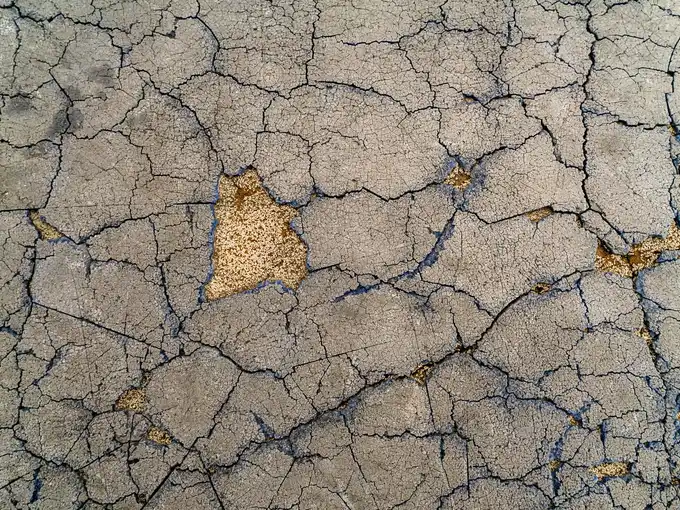
Mud tubes
Mud tubes in Thaniyah come from large colonies in the hillside soil around the home and reach the house through the footings and floor joints, following cracks and gaps in the ground.
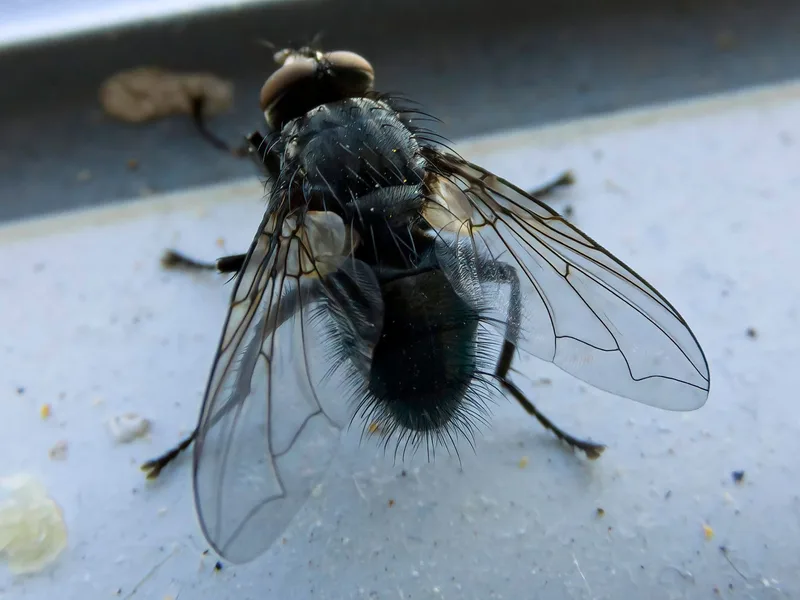
Shed wings
Shed wings appear after rain and high moisture, especially in winter when water flow from the ravines and wadi rises and the ground below becomes damper.
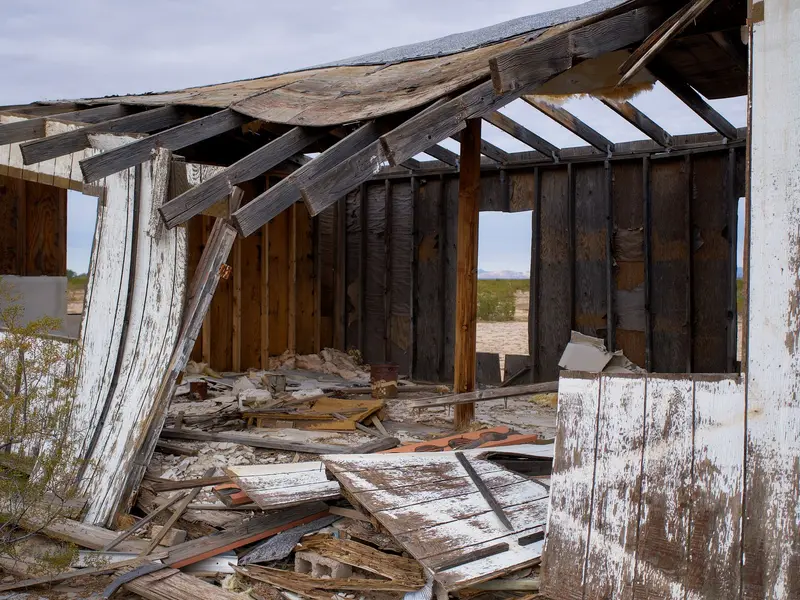
Hollow timber
Hollow timber in old rural homes is a real danger because the damp soil around the footings gives termites an easy path up from below, eating hidden inside the timber before damage shows.
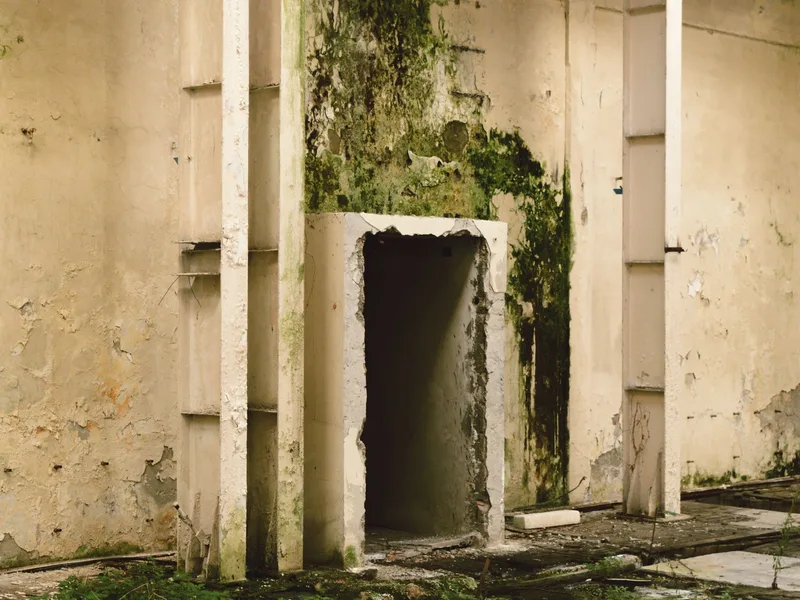
The water source
The water source is mainly the surrounding soil and the ravines and wadi that run nearby; ground moisture rises because of them, feeding colony activity and growth underground.

Cellulose on the floor
Cellulose on the floor in rural homes sits open to termites rising from the soil directly below, especially if the footings are old or have gaps and cracks where tubes form easily.
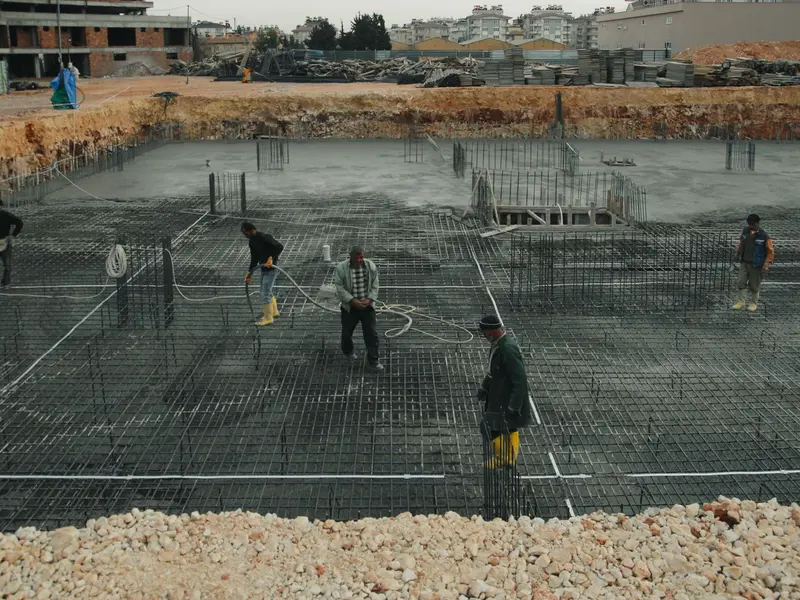
Joints and pipe entries
Joints and pipe entries around the footings are direct routes for termites from the earth below, and must be sealed and treated carefully to block the route the termites use to climb.
How we work
-
1
Inspect and trace
We sound the timber and the skirting, take moisture readings, and follow the tubes to the point where they leave the soil. We also settle the species, because one that lives inside dry wood is not treated like one that lives in the ground.
-
2
Treat the soil around the building
A narrow trench at the footing and injection at regular spacing, so the treated band runs continuous with no gap to walk around.
-
3
Drill the joints, inject the timber
Small holes at spacing along the slab joints, the wall bases and the pipe entries, direct injection into the galleries inside the affected timber, then the holes are closed and made good.
-
4
Bait stations and monitoring
Stations in the soil carrying a slow-acting material the workers pass through the colony by mouth-to-mouth feeding, and we come back to read them, because an empty tube on a wall proves nothing on its own.
What termite control includes
-

A traced, recorded inspection
Sounding, moisture readings, tubes traced back to the soil, and the species settled before anything is applied.
-

A treated band at the perimeter
Trenching and injection at the footing, spaced so the band is continuous rather than a set of patches.
-

Joints and service penetrations
Slab joints, pipe entries and floor drains, which are the ways up through the concrete.
-

Bait stations in the soil
A slow material carried back through the colony by feeding exchange, rather than stopping the workers at the wall.
-

Aftercare instructions
What not to dig or water near the treated band, what to keep off the walls, and the ventilation time we set for your case.
-

Scheduled monitoring visits
Reading the stations, sounding the same timber again, and treating any new activity.
Landmarks of Thaniyah
In Thaniyah, the areas close to Wadi Mudarraja and the open ground between Abid Al Qurashi Hamlet and the scattered homes need special care, because the soil here is the termite's main route from the natural colonies that live in the ground all around your home.
- Makkah to Taif Expressway
- Wadi Mudarraja
- Abid Al Qurashi Hamlet
Questions about this district
Our rural home sits on open ground: are termites from nature certain?
Yes, colonies in the open hilly soil are close to rural homes here. But treating the ground at your footings stops the mud tubes before they reach inside. Early treatment on a new house is better than waiting, especially near the ravines and the wadi where moisture is constant.
Wadi Mudarraja runs beside our house: is it a certain termite source?
The wadi carries water and silt, and moisture draws termites and raises their activity in the soil. Homes close to the wadi need stronger treatment, especially in the rainy season when water flow and ground moisture around the footings increase most.
The floor is old wood and moisture comes from the ravines: can it be saved?
Old wood exposed to moisture is hard to save completely. But treating the soil stops termites from below, and ventilation reduces the moisture itself. Replacing damaged timber is part of the answer, alongside continuous monitoring to catch fresh activity early.
Our house is new in Thaniyah: do we treat before moving in or after?
Treating the ground at your footings before you move in is best, especially in a rural area where natural colonies exist. Early treatment stops termites before they draw close, and yearly monitoring gives you lasting peace of mind.
How far is Abid Al Qurashi Hamlet: does distance bring or push termites away?
The hamlet nearby may be a termite source, but distance and open ground mean the soil around your home is the first boundary. Treating the soil belt between your house and the hamlet gives better protection.
Our new villa is built on land that lay open for years: is it more at risk?
Yes, long open ground in rural areas creates homes for colonies. New building on old soil means termites are close by. Thorough ground treatment before building or soon after is necessary to cut the risk.
How much does termite control in Thaniyah cost?
It is set after the inspection, because the price follows the type of infestation, the size of the space, how far it has spread and the number of visits it needs. Send a photo and a description on WhatsApp and we will give you an estimate before we reach Thaniyah.
Other services in Thaniyah
Other services we provide to residents of Thaniyah.
-
 Residential
Cockroach control
Residential
Cockroach control
-
 Residential
Bed bug control
Residential
Bed bug control
-
 Residential
Rodents and mice
Residential
Rodents and mice
-
 Residential
Mosquito control
Residential
Mosquito control
-
 Residential
Fly control
Residential
Fly control
-
 Residential
Ant control
Residential
Ant control
-
 Residential
Gecko control
Residential
Gecko control
-
 Residential
Scorpion control
Residential
Scorpion control
-
 Residential
Snake control
Residential
Snake control
-
 Residential
Flea control
Residential
Flea control
-
 Residential
Bird and pigeon control
Residential
Bird and pigeon control
-
 Residential
Preventive treatment
Residential
Preventive treatment
-
 Residential
Disinfection
Residential
Disinfection
-
 Commercial
Annual contracts
Commercial
Annual contracts
-
 Commercial
Restaurants and cafes
Commercial
Restaurants and cafes
-
 Commercial
Hotels and apartments
Commercial
Hotels and apartments
-
 Commercial
Warehouses and factories
Commercial
Warehouses and factories
-
 Commercial
Schools and nurseries
Commercial
Schools and nurseries
-
 Commercial
Retail and malls
Commercial
Retail and malls
-
 Commercial
Rest houses and farms
Commercial
Rest houses and farms
-
 Commercial
Fumigation
Commercial
Fumigation
-
 Water tanks
Water tank cleaning
Water tanks
Water tank cleaning
-
 Water tanks
Water tank sterilization
Water tanks
Water tank sterilization
-
 Water tanks
Water tank sealing
Water tanks
Water tank sealing
-
 Water tanks
Tank leak repair
Water tanks
Tank leak repair
Need termite control in Thaniyah? Tell us what you saw and we will tell you what it needs
We reach Thaniyah at a time we agree, and you get the full cost before we start.