
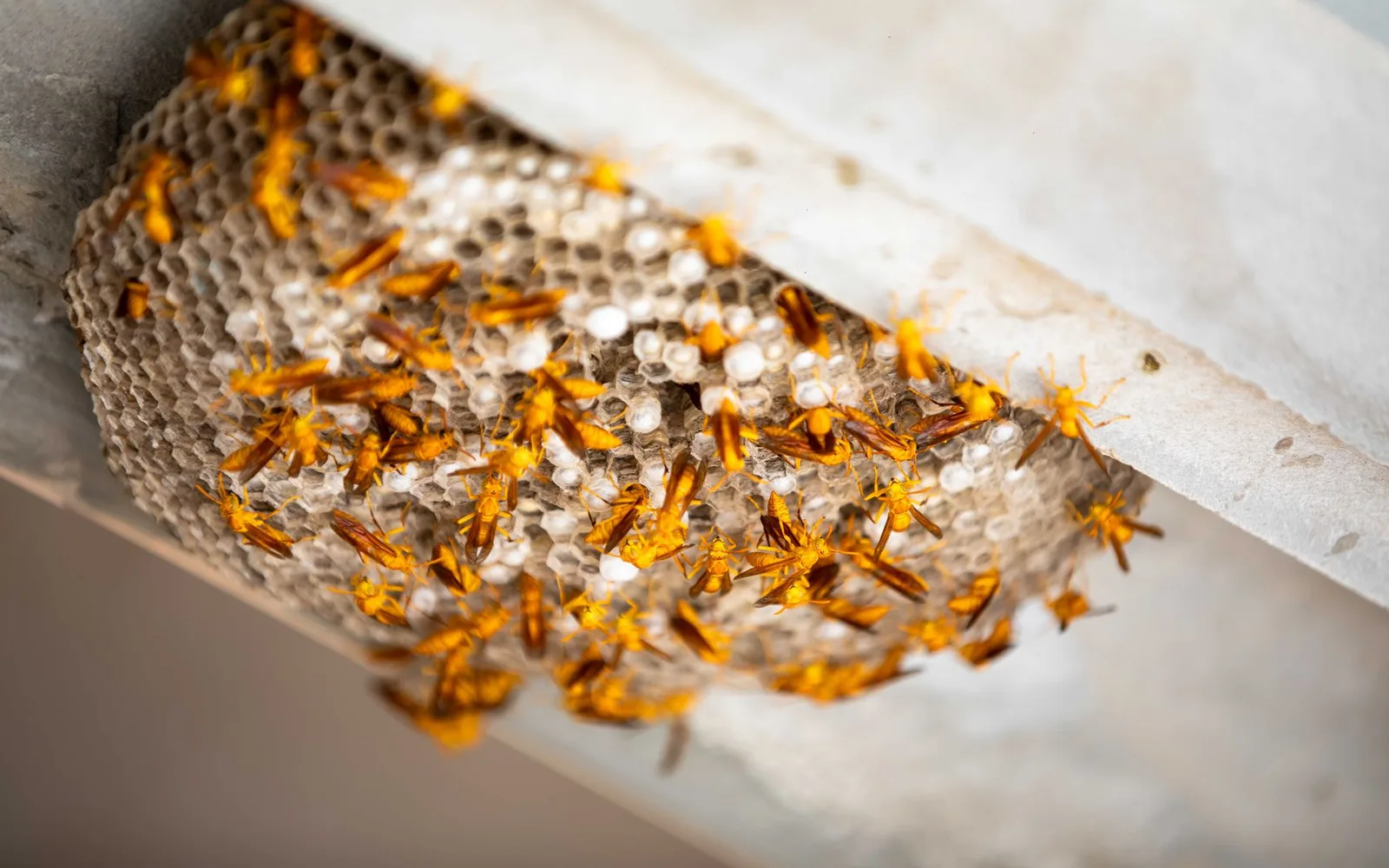
Schools and nurseries in Al Murjan Jeddah
Al Murjan is a small coastal district on Jeddah's northern corniche between King Abdulaziz Road and the sea. Year round high humidity and salt air keep walls permanently damp. Irrigated gardens and green spaces and large villas surround schools, with pressure from mosquitoes and cockroaches arriving from the garden and sea.
-
Targeted, not broadcast
Product goes into cracks and runways, never sprayed across open surfaces.
-
Told before we start
What we will use, where it goes, and what to cover or move before we arrive.
-
A follow-up visit
We return after the first treatment, because what survives it does not show on the day.
-
Homes and businesses
Apartments and villas, and kitchens and stores that need a record of each visit.
Why they keep coming back in Al Murjan
Mosquitoes in Al Murjan stay active year round but peak in the evenings and humid nights. Cockroaches arrive from the garden and the sea. Humidity keeps most insects active even in cooler months. The method is set out in full on the full Schools and nurseries page.
High coastal humidity and salt laden air
Al Murjan sits directly on the corniche, humidity is high year round and salt air penetrates everywhere. Walls stay permanently damp and insects and rodents are active. Cockroaches nest in damp cracks and mosquitoes breed fast in any standing water.
Irrigated gardens and dense green spaces
Every villa and every residential complex in Al Murjan has an irrigated garden. Green spaces are dense and irrigation is regular. Water gathering around plants attracts mosquitoes and ants. Schools are surrounded by these gardens on all sides.
Close proximity to sea and closed seasonal chalets
Chalets and rest houses scattered along the corniche stand empty for long periods. Insects and rodents settle in them easily. Seasonal movement carries insects from closed chalets to neighbouring buildings and schools.
Al Murjan on the map
Al Murjan sits about 5 km from Al Muhammadiyah and about 6.5 km from South Obhur.
Open in Google MapsWhat sets the shape of a school programme
The coastal location means year round high humidity and salt air. Many buildings are modern but humidity enters through cracks and gaps. Irrigated gardens are common and standing water attracts mosquitoes.
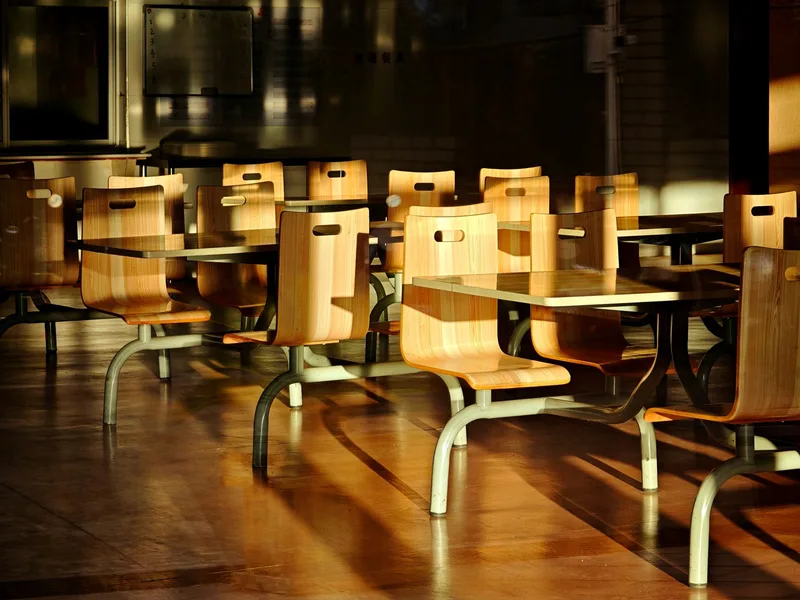
The canteen and the food store
The canteen in Al Murjan is modern building but in a damp coastal location. Weekly inspection and sealing of external openings are necessary.
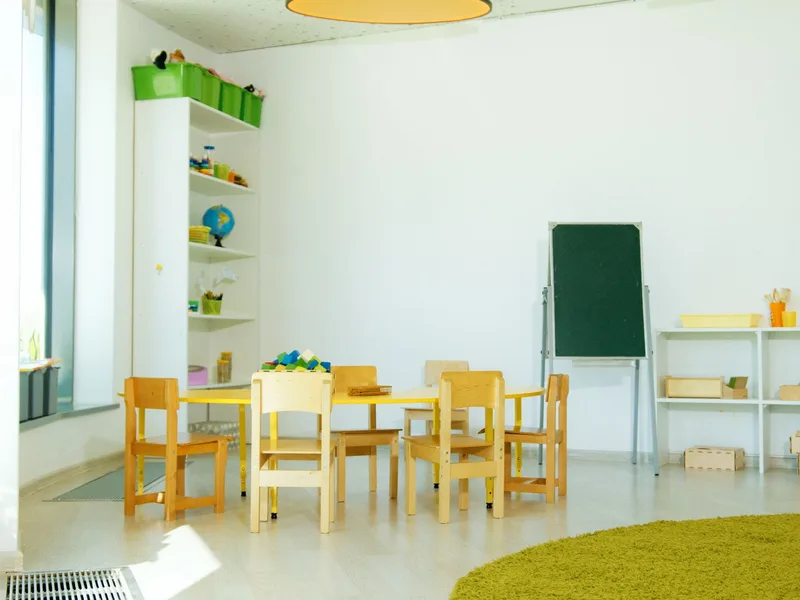
Floor level in a nursery
The nursery floor may sit close to a damp irrigated garden. A barrier on external openings and low windows is essential.
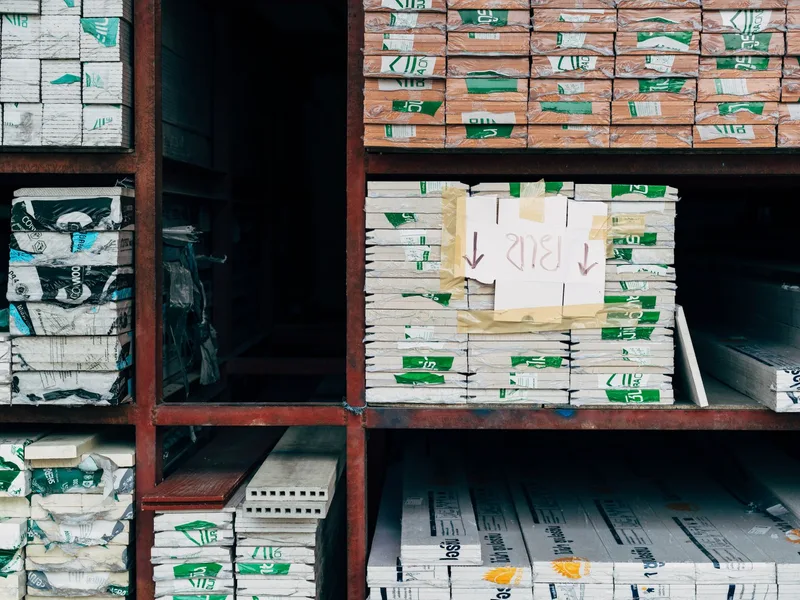
The paper and cardboard store
Paper and cardboard storage in a coastal location may absorb moisture. Good ventilation, weekly inspection and moisture protection are necessary.
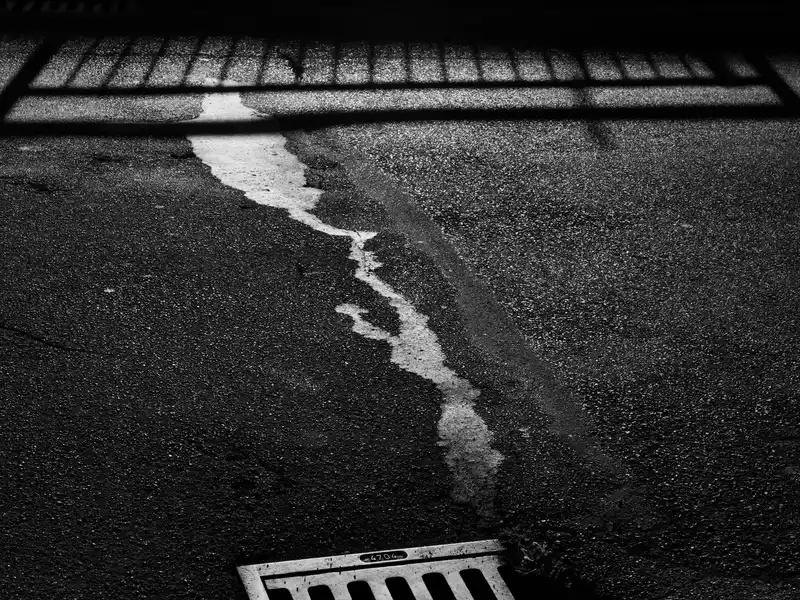
Standing water in the yard
Standing water in the yard from irrigation or rain is common in Al Murjan. Regular inspection and prompt drying are necessary.

The gap under the service door
The service door sits exposed to coastal moisture and salt. A moisture resistant seal and regular inspection are necessary.
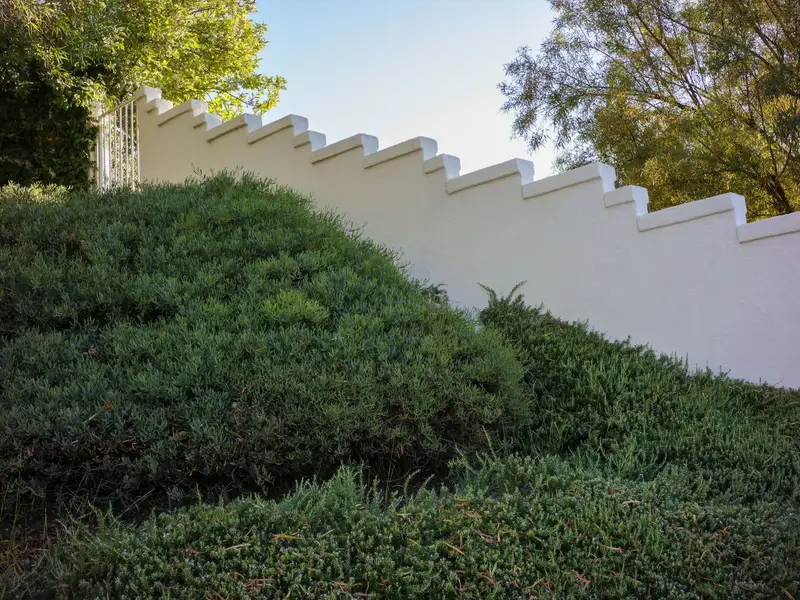
The wall line, irrigation and planting
External walls and boundaries in Al Murjan absorb coastal moisture and salt. Monthly inspection and regular treatment prevent rodents and insects nesting and crossing.
How we work
-
1
Survey the building and zone it
We walk from the service gate through the canteen, the stores, the classrooms, the washrooms and the yard, record the entry routes, the moisture and the species pressure, and grade every area by who occupies it and for how long.
-
2
Schedule it against the calendar
Work that needs an empty building, closing entry points, treating the drains and the perimeter, goes into the long breaks. Station reads and spot treatment happen after the students leave or at the weekend. We agree in advance who opens the building and which rooms are cleared and covered.
-
3
Targeted treatment, out of reach
Gel bait inside joints and cracks, dust into the dry voids, enclosed stations fixed where a child cannot reach them, and targeted spray on junctions and service areas, never on open surfaces or play flooring.
-
4
Follow up and record it
We come back on the date the life cycle sets, such as a visit timed to a cockroach hatch, re-read the points, treat whatever is still active, and hand over a report with the dates, the positions and what the building itself needs closed.
What a school and nursery programme includes
-

Building survey and zone plan
A walk that fixes the entry routes, the food areas and the child areas, and a plan with the monitoring positions numbered before anything is installed.
-

Enclosed bait and stations
Stations fixed in positions a child cannot get to, and gel bait inside joints and cracks rather than on any surface.
-

Treatment outside teaching hours
After the students leave, at the weekend or in a break, on junctions and service areas, with the surfaces wiped down before anyone comes back.
-

Drains, waste and standing water
Kitchen and washroom gullies, the ground around the containers, the yard drains and the air conditioning trays, on every visit.
-

Room preparation and aftercare
Which rooms are cleared and which surfaces are covered before we arrive, what is wiped down before the students come back, and the ventilation time we set for each case on the call.
-

Scheduled visits and a report each time
Dates agreed across the term, and a report carrying the dates, the positions, the findings and the state of every corrective action.
What is different about Obhur Sub-Municipality
Obhur sub-municipality runs along Jeddah's northern shoreline from Al Shati up to Obhur Creek. It mixes large villas and gated compounds with busy commercial spines of restaurants, cafes, markets and hotels. Sea humidity is high for most of the year and salt laden breezes keep timber and render damp, while irrigated gardens and lawns surround the corniche and the villa plots. Standing irrigation water, dense planting and food waste from the hospitality strip suit cockroaches, mosquitoes and ants, and the chalets and rest houses scattered along the creek stand empty for long spells, which lets insects and rodents settle undisturbed.
Questions about this district
Does coastal humidity make treatment less effective?
Humidity does not weaken the right product, but it accelerates insect breeding. We use moisture resistant materials and apply more frequently. The programme differs from dry districts.
Do mosquitoes in Al Murjan breed fast because of irrigated gardens?
Yes. Irrigated gardens and standing water mean perfect mosquito breeding conditions. Regular treatment and prompt drying of pooled water is necessary.
Are closed chalets and rest houses a source of insects?
Closed chalets shelter insects and rodents easily. Seasonal movement carries insects to neighbouring buildings and schools. A strong barrier around the school is important.
How do we treat coastal cockroaches that prefer humidity?
We select materials that work with humidity. Application around damp cracks and gaps and regular application are necessary.
When is insect pressure lowest in Al Murjan?
In mild cool season, but humidity stays high. Mosquitoes stay active all year in Al Murjan. The programme continues without break.
Do we need regular treatment of the irrigated gardens?
Yes. Irrigated gardens are the source of mosquitoes and ants. Safe treatment on plants and water around plant bases is necessary.
How much does schools and nurseries in Al Murjan cost?
It is set after the inspection, because the price follows the type of infestation, the size of the space, how far it has spread and the number of visits it needs. Send a photo and a description on WhatsApp and we will give you an estimate before we reach Al Murjan.
Nearby districts we cover
Other services in Al Murjan
Other services we provide to residents of Al Murjan.
-
 Residential
Cockroach control
Residential
Cockroach control
-
 Residential
Bed bug control
Residential
Bed bug control
-
 Residential
Termite control
Residential
Termite control
-
 Residential
Rodents and mice
Residential
Rodents and mice
-
 Residential
Mosquito control
Residential
Mosquito control
-
 Residential
Fly control
Residential
Fly control
-
 Residential
Ant control
Residential
Ant control
-
 Residential
Gecko control
Residential
Gecko control
-
 Residential
Scorpion control
Residential
Scorpion control
-
 Residential
Snake control
Residential
Snake control
-
 Residential
Flea control
Residential
Flea control
-
 Residential
Bird and pigeon control
Residential
Bird and pigeon control
-
 Residential
Preventive treatment
Residential
Preventive treatment
-
 Residential
Disinfection
Residential
Disinfection
-
 Commercial
Annual contracts
Commercial
Annual contracts
-
 Commercial
Restaurants and cafes
Commercial
Restaurants and cafes
-
 Commercial
Hotels and apartments
Commercial
Hotels and apartments
-
 Commercial
Warehouses and factories
Commercial
Warehouses and factories
-
 Commercial
Retail and malls
Commercial
Retail and malls
-
 Commercial
Rest houses and farms
Commercial
Rest houses and farms
-
 Commercial
Fumigation
Commercial
Fumigation
-
 Water tanks
Water tank cleaning
Water tanks
Water tank cleaning
-
 Water tanks
Water tank sterilization
Water tanks
Water tank sterilization
-
 Water tanks
Water tank sealing
Water tanks
Water tank sealing
-
 Water tanks
Tank leak repair
Water tanks
Tank leak repair
Need schools and nurseries in Al Murjan? Tell us what you saw and we will tell you what it needs
We reach Al Murjan at a time we agree, and you get the full cost before we start.