
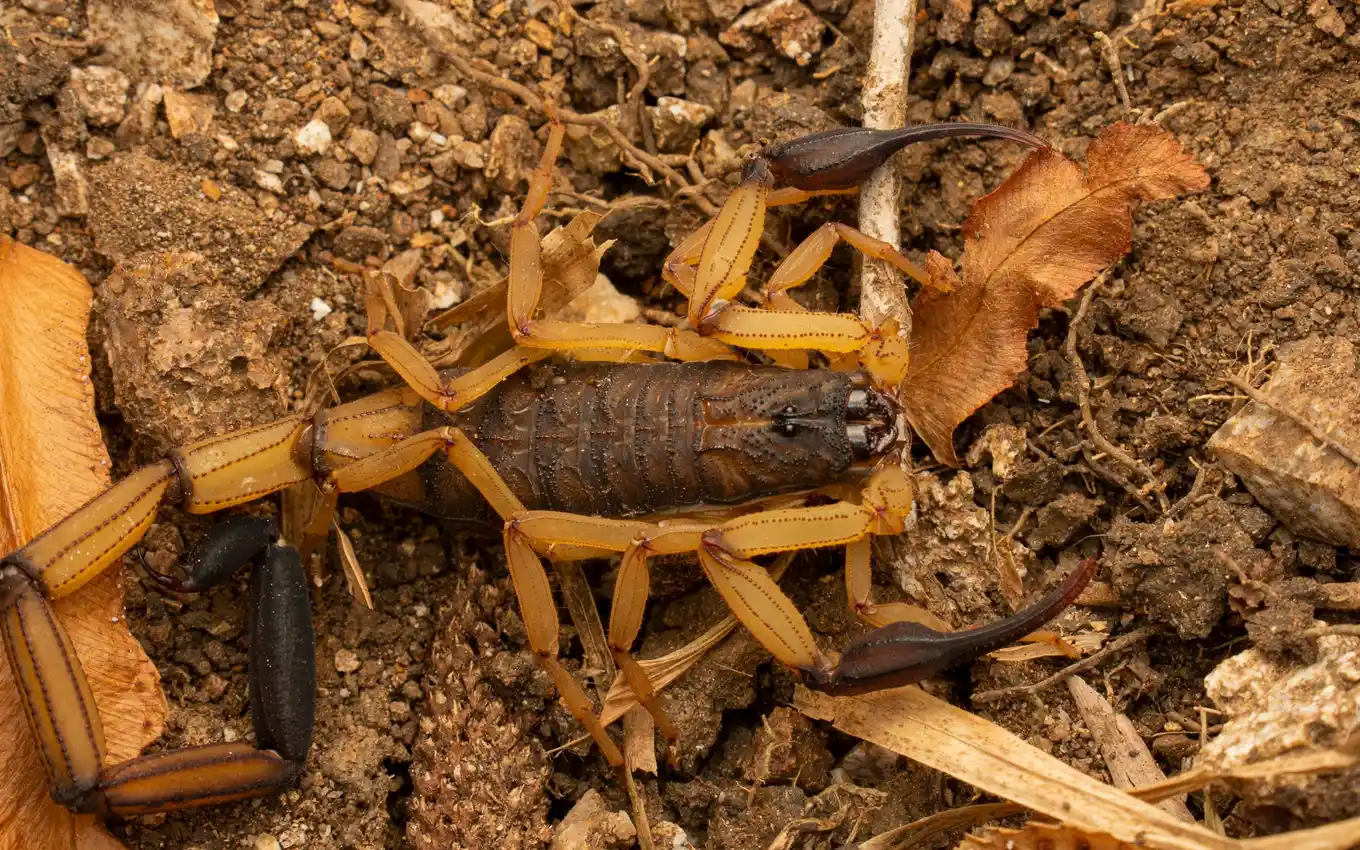
Scorpion control in Al Kaakiyah Makkah
Al Kaakiyah is a commercial district in south Makkah on the Al Laith road, famous for Souq Al Halaqa, one of the city's largest markets for vegetables, fruit, livestock and birds. Residential apartment buildings stand mixed among the open shops and markets, creating a complex habitat for scorpions. Animals, waste and moisture from the markets make this zone unlike a pure commercial area.
-
Targeted, not broadcast
Product goes into cracks and runways, never sprayed across open surfaces.
-
Told before we start
What we will use, where it goes, and what to cover or move before we arrive.
-
A follow-up visit
We return after the first treatment, because what survives it does not show on the day.
-
Homes and businesses
Apartments and villas, and kitchens and stores that need a record of each visit.
Why they keep coming back in Al Kaakiyah
The small insects drawn to vegetable, fruit and firewood waste create an unbroken food chain for scorpions running through the district all year round. The method is set out in full on Scorpion control in detail.
Open markets and daily waste streams
The vegetable, fruit and firewood markets run year round, dropping waste and spoilage daily that draws small insects. This refuse provides non-stop harborage and feeding for scorpions without seasonal break.
Livestock auctions, hay and animal waste
The sheep, camel and bird auctions leave hay scraps, dung and animal waste scattered around. This waste attracts insects, larvae and rodents that feed the scorpions. The wet feed and dung create perfect damp shelter.
Residential buildings wedged among commercial stores
Apartment blocks and furnished flats sit between open shops and markets. The boundary between homes and commerce creates easy pathways for scorpions to travel from open markets into the flats themselves.
Al Kaakiyah on the map
Al Kaakiyah sits about 2 km from Al Shawqiyah and about 2 km from Bathaa Quraish.
Open in Google MapsWhat we check outside before we go in
The zone holds Souq Al Halaqa, the Central Vegetable Market, the Dates Market and the Firewood Market near the Third Ring Road. Open markets and livestock auctions provide constant food for small insects and rodents and scorpions.
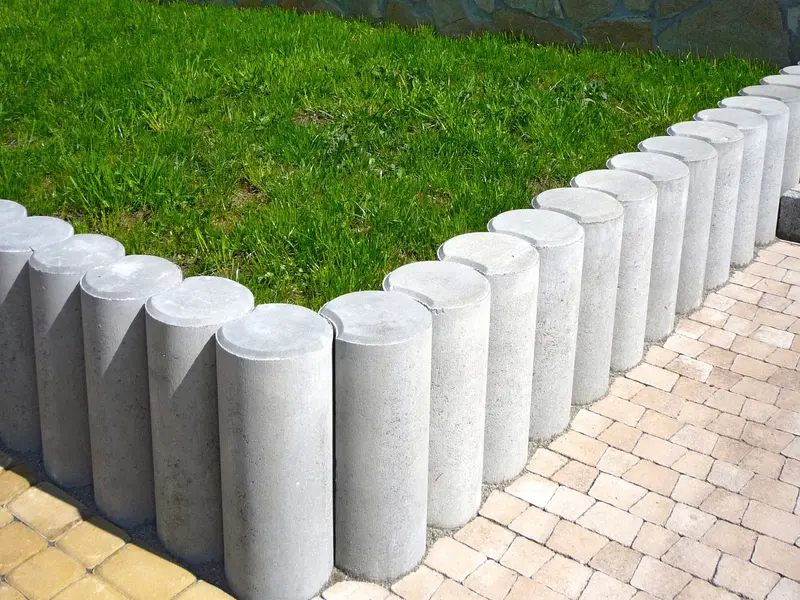
Wall joints and boundary walls
Seams in walls of blocks near the markets hold steady damp from market wash-down and watering, providing permanent scorpion shelter.
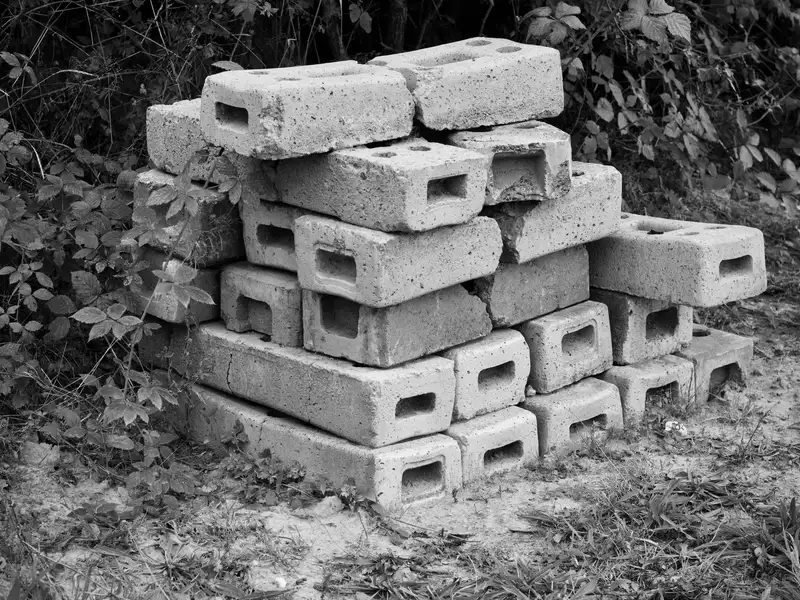
Rubble and stacked block
Vegetable, fruit and hay waste piles round the building bases, drawing insects, larvae and rodents that feed the scorpions.
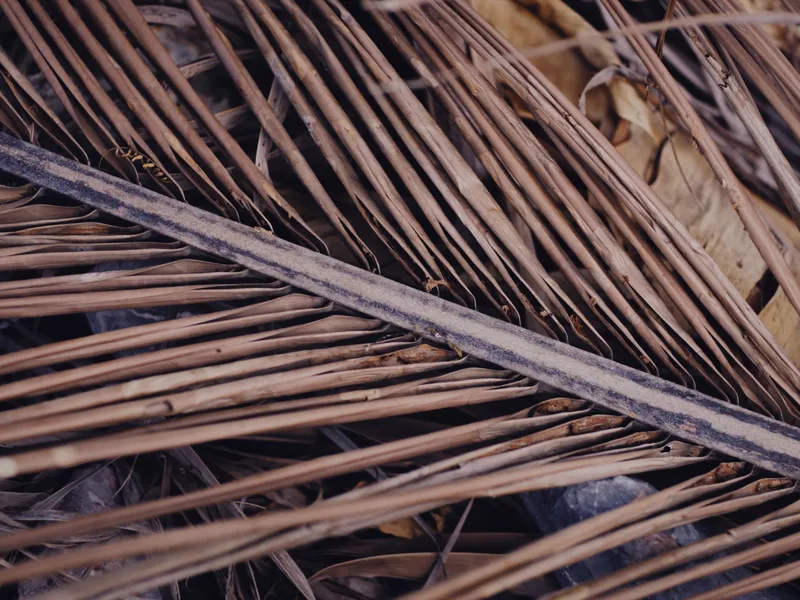
Palm fronds and garden litter
Fallen leaves and organic waste scatter round the blocks, creating temporary damp shelter for scorpions and small insects.
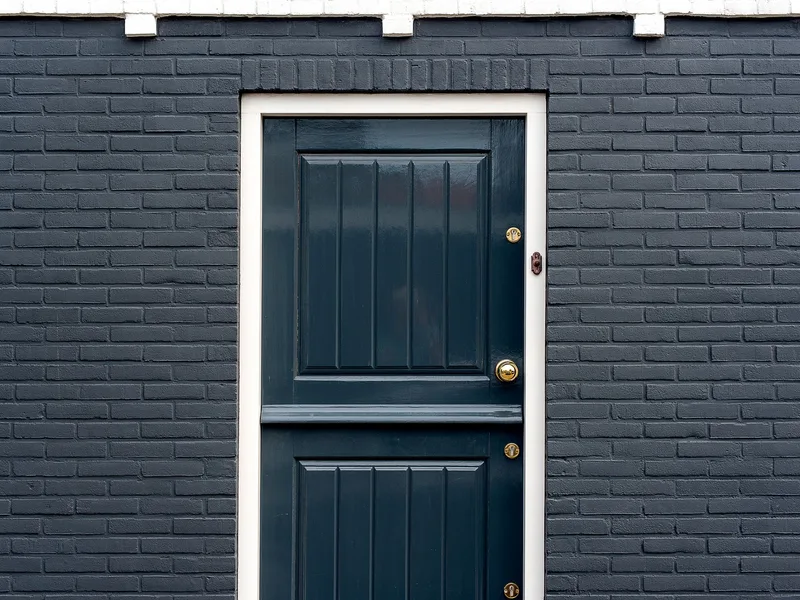
The gap under the door
Gaps under shop and building doors offer direct routes for scorpions and rodents from the open market.
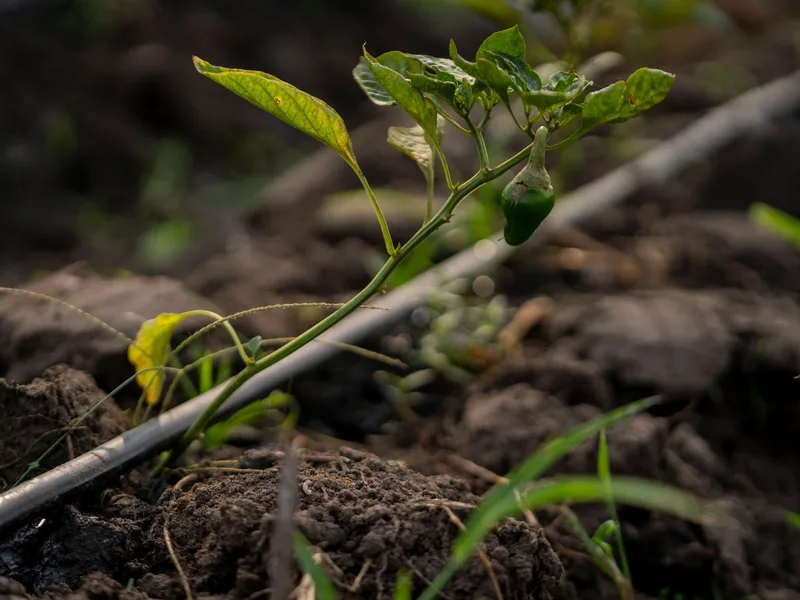
Irrigation and damp soil
Wash water and watering from the markets pools round the building bases, providing steady damp and small insect prey.
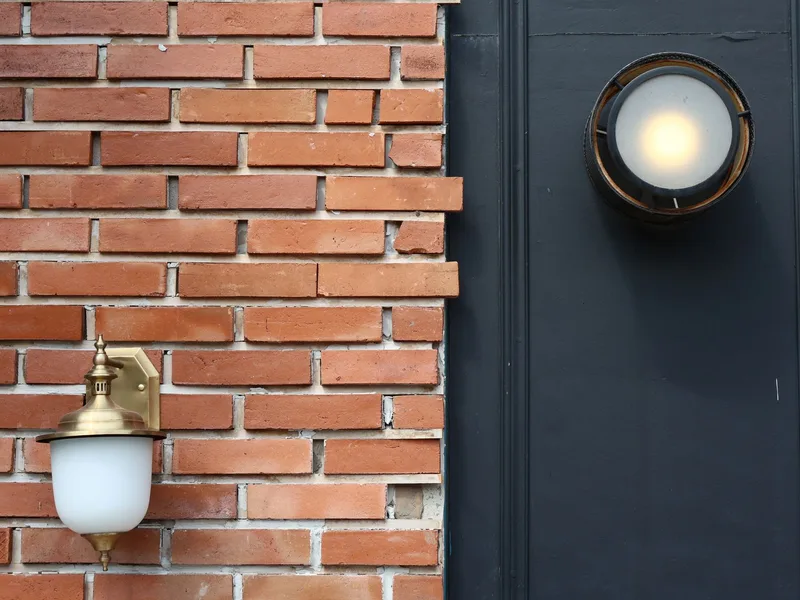
The light by the door
Lighting round the markets and shops after dark draws flying insects and scorpions with them, especially near the shared flat entrance.
How we work
-
1
Night survey and perimeter inspection
We walk the perimeter after dark with an ultraviolet lamp, which makes a scorpion show up against wall and soil, and we record the harbourage, the ways in and how much prey is present.
-
2
Treat the harbourage and the building edge
Dust into the wall joints and the dry voids, and a targeted band tight against the foundation and around openings, because the material holds longer on a porous surface than on tile.
-
3
Close the ways in and remove the prey
A sweep under the doors, sealing where air-conditioning and drain pipes pass through, mesh over openings, and treatment of the cockroaches and insects it feeds on, so the reason to come in goes with them.
-
4
The follow-up visit
A scorpion can sit in its harbourage for weeks without moving, so the first pass does not always reach it. We come back to refresh the perimeter band and check what has appeared since.
What scorpion control includes
-

A night survey with an ultraviolet lamp
A walk of the perimeter after dark that fixes the harbourage and the entry routes before anything is applied.
-

Targeted perimeter and joint treatment
A band against the foundation, plus wall joints and cracks, never open floors or where children play.
-

Sealing openings and pipe entries
Drain openings, the points where air-conditioning pipes pass through, and mesh on shafts, which are the routes actually used.
-

Treating what it feeds on
Placed bait for cockroaches at entrances and service areas, because cutting the food supply reduces visits more than repeating a spray.
-

Aftercare instructions
What to lift out of the yard, where to move the outside light, and the ventilation time for your situation, which we give you on site.
-

A scheduled follow-up
A set date after the first treatment, a refreshed perimeter band and a check of anything new around it.
The character of Al Kaakiyah
Commercial area: offices, showrooms and small stores
In commercial zones like Al Kaakiyah, open markets provide steady food sources for scorpions rather than relying on small insects round a home. Scorpion control focuses on the shared seams between market and apartment blocks, not narrow external perimeter walls.
Questions about this district
Do market waste streams attract scorpions directly to the buildings?
Waste draws small insects and rodents first, and these draw the scorpions. The scorpion follows the food chain, not the refuse itself.
Does treating one market alone stop the migration to the flats?
Market treatment stops existing scorpions, but the daily waste stream will attract fresh ones day after day.
Do the livestock auctions affect the apartments directly?
Yes, the auctions close to the blocks draw insects, larvae and rodents, which draw scorpions toward the flat entrances.
When is scorpion activity highest in Al Kaakiyah?
During the harvest seasons and peak trading periods, when waste volumes and animal numbers in the auctions increase.
Does market cleaning reduce the need for treatment?
Market cleaning temporarily reduces small insects, but scorpions already present may remain in the seams and shelters round the buildings.
Can the seams between market and flat be treated separately?
Yes, treating the seams and shared entries between the market and the residential buildings is essential to stop scorpion movement from the open market into the flats.
How much does scorpion control in Al Kaakiyah cost?
It is set after the inspection, because the price follows the type of infestation, the size of the space, how far it has spread and the number of visits it needs. Send a photo and a description on WhatsApp and we will give you an estimate before we reach Al Kaakiyah.
Nearby districts we cover
Other services in Al Kaakiyah
Other services we provide to residents of Al Kaakiyah.
-
 Residential
Cockroach control
Residential
Cockroach control
-
 Residential
Bed bug control
Residential
Bed bug control
-
 Residential
Termite control
Residential
Termite control
-
 Residential
Rodents and mice
Residential
Rodents and mice
-
 Residential
Mosquito control
Residential
Mosquito control
-
 Residential
Fly control
Residential
Fly control
-
 Residential
Ant control
Residential
Ant control
-
 Residential
Gecko control
Residential
Gecko control
-
 Residential
Snake control
Residential
Snake control
-
 Residential
Flea control
Residential
Flea control
-
 Residential
Bird and pigeon control
Residential
Bird and pigeon control
-
 Residential
Preventive treatment
Residential
Preventive treatment
-
 Residential
Disinfection
Residential
Disinfection
-
 Commercial
Annual contracts
Commercial
Annual contracts
-
 Commercial
Restaurants and cafes
Commercial
Restaurants and cafes
-
 Commercial
Hotels and apartments
Commercial
Hotels and apartments
-
 Commercial
Warehouses and factories
Commercial
Warehouses and factories
-
 Commercial
Schools and nurseries
Commercial
Schools and nurseries
-
 Commercial
Retail and malls
Commercial
Retail and malls
-
 Commercial
Rest houses and farms
Commercial
Rest houses and farms
-
 Commercial
Fumigation
Commercial
Fumigation
-
 Water tanks
Water tank cleaning
Water tanks
Water tank cleaning
-
 Water tanks
Water tank sterilization
Water tanks
Water tank sterilization
-
 Water tanks
Water tank sealing
Water tanks
Water tank sealing
-
 Water tanks
Tank leak repair
Water tanks
Tank leak repair
Need scorpion control in Al Kaakiyah? Tell us what you saw and we will tell you what it needs
We reach Al Kaakiyah at a time we agree, and you get the full cost before we start.